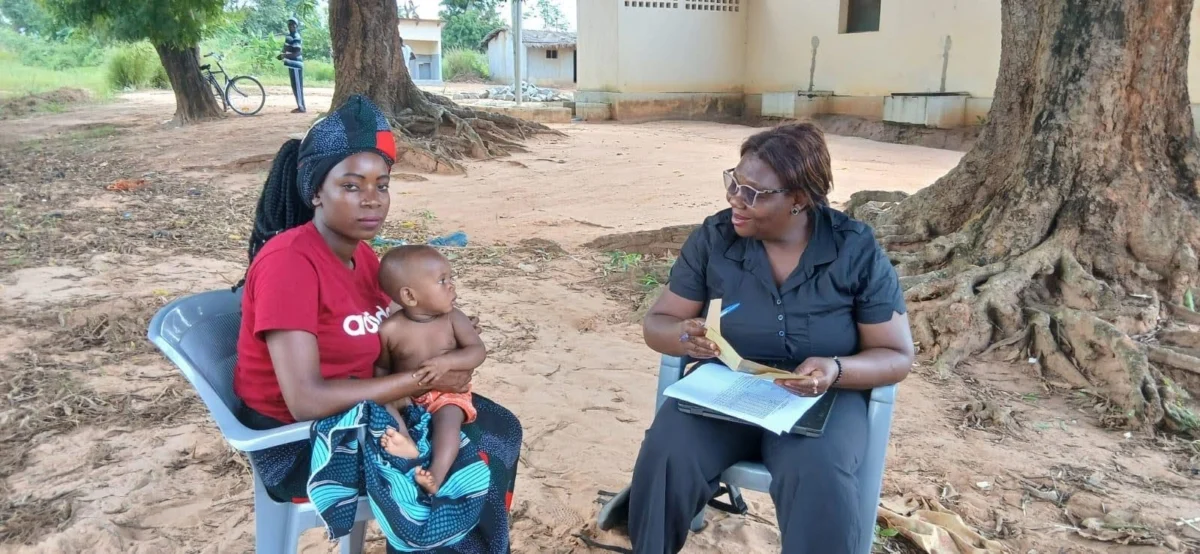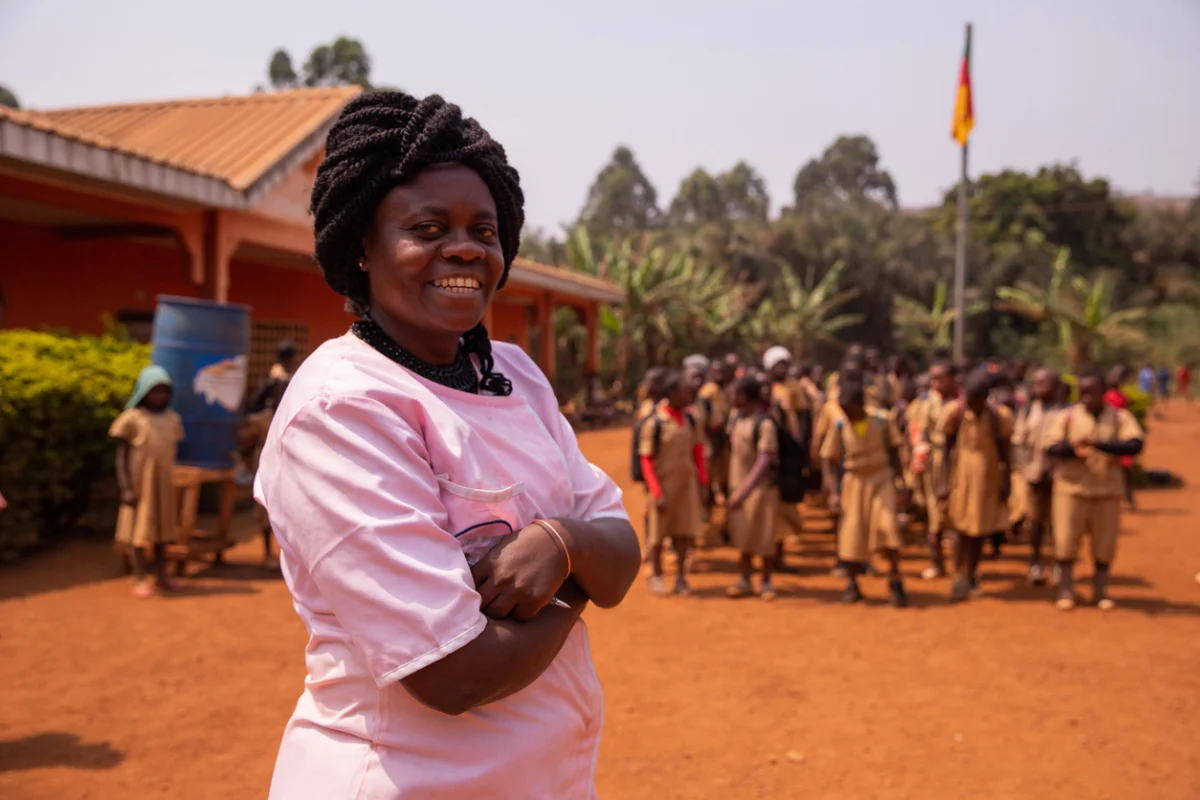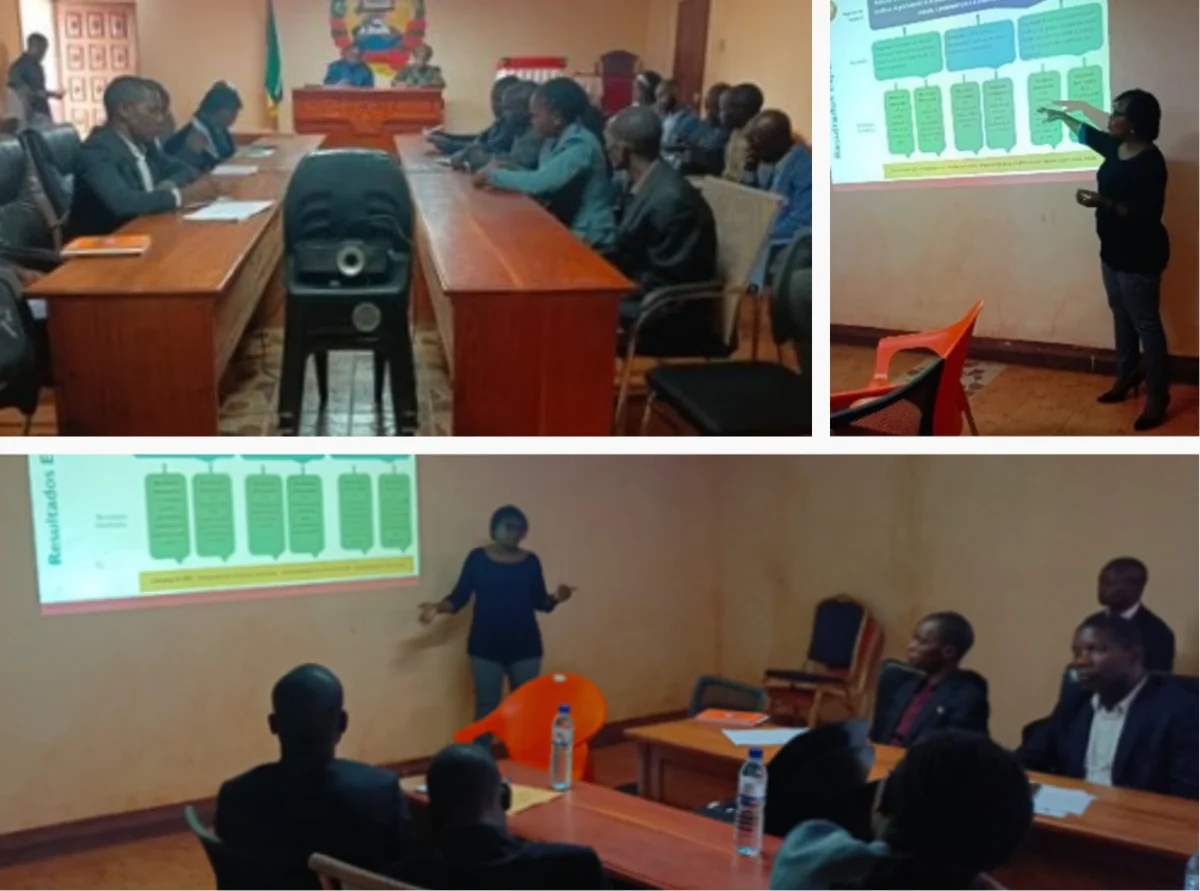
In a significant move to bolster the quality of primary education and systemic teacher support in northern Mozambique, the Ministry of Education and Culture (MEC) has officially partnered with World Education, a JSI initiative, to launch the Empowering Educators program. Funded by IrishAid and formally inaugurated in early 2026, the program represents a strategic effort to operationalize the Mozambican government’s National Strategy for Continuous Teacher Training. By focusing on the Niassa Province, a region that has historically faced geographic and socio-economic barriers to educational equity, the initiative seeks to bridge the gap between national policy and classroom-level implementation.
The primary objective of the Empowering Educators program is to improve learning outcomes for primary school students, with a particular emphasis on foundational literacy and numeracy. Furthermore, the program is designed to promote the access, retention, and protection of female students through the implementation of gender-responsive school management practices. This comprehensive approach recognizes that teacher professional development is not merely a pedagogical necessity but a social imperative that impacts the long-term stability and development of the region.
Strategic Framework and the National Vision
The Mozambican government has long recognized that the quality of an education system cannot exceed the quality of its teachers. The National Strategy for Continuous Teacher Training was developed to move away from sporadic, one-off training workshops toward a more sustainable, school-based model of professional growth. However, translating this strategy into a functional reality across the country’s diverse provinces has remained a challenge.
The Empowering Educators program serves as the operational arm of this strategy in Niassa. By working directly within the government’s existing framework, World Education and IrishAid are ensuring that the interventions are not parallel systems but are instead deeply integrated into the MEC’s infrastructure. The project’s launch in 2026 marks the beginning of a multi-year commitment to refining how teachers are supported throughout their careers.
In the initial phase, the project will target four specific districts within Niassa Province, reaching 600 teachers and 100 school directors. A notable feature of the recruitment and training process is the focus on gender parity; over 200 of the targeted teachers are women. This focus is intentional, as female educators often serve as critical role models in rural communities, directly influencing the enrollment and retention rates of young girls.
Targeted Impact in Niassa Province
Niassa Province, located in the northernmost part of Mozambique, presents a unique set of challenges for the education sector. It is one of the most sparsely populated and remote provinces in the country, which often complicates the delivery of educational resources and the monitoring of school performance. By selecting districts such as Mavago and Mecula for the program’s rollout, World Education is addressing the needs of communities that are frequently underserved by large-scale international aid initiatives.
The program’s intended impact is three-fold. First, it aims to strengthen foundational learning. In Mozambique, as in many developing nations, the transition from early childhood education to primary school is a critical juncture where many students fall behind. By equipping teachers with better tools for literacy and numeracy instruction, the program aims to ensure that students master the basics early in their academic journeys.
Second, the program prioritizes the protection and retention of girls. Niassa has historically struggled with high dropout rates among female students, often driven by early marriage, household responsibilities, or a lack of gender-sensitive facilities in schools. The Empowering Educators program addresses this by training school directors in gender-responsive management, ensuring that schools are safe, inclusive environments where girls can thrive.
Third, the program seeks to improve overall learning outcomes through systemic strengthening. This involves not just training the teachers, but also empowering the school leadership—specifically the 100 school directors—to act as instructional leaders who can supervise and mentor their staff effectively.
The Multiplier Effect: A Model for Sustainability
One of the core philosophies of the Empowering Educators program is the principle of sustainability through the "multiplier effect." This model moves away from the traditional reliance on external consultants and instead focuses on building capacity from within the local education system.
Ligia Lundo, World Education’s Provincial Manager, noted that the sustainability of the strategy is rooted in the idea that trainee teachers will eventually act as multipliers. In this framework, teachers who receive intensive training become mentors for their colleagues, creating a ripple effect of knowledge and skill-sharing throughout the district.
A key component of this model is the role of the Deputy School Head. Under the new program, Deputy Heads are being trained to provide ongoing, on-the-job classroom support, often referred to as peer coaching. This ensures that professional development is a daily activity rather than an annual event. By utilizing support tools already available within the MEC system, the program minimizes the need for expensive new technologies, focusing instead on optimizing existing resources.
A Legacy of Partnership: World Education and the MEC
The launch of the Empowering Educators program is not an isolated event but the latest chapter in a long-standing partnership between World Education and the Government of Mozambique. Since 2011, World Education has been a key partner to the MEC, delivering both large-scale national programs and targeted regional interventions.
Over the past 15 years, this collaboration has resulted in the training of tens of thousands of teachers and has provided direct support to over 2 million learners across the country. This track record provides the Empowering Educators program with a solid foundation of trust and institutional knowledge. World Education’s experience in navigating the complexities of the Mozambican education system—ranging from curriculum reform to logistical challenges in remote provinces—is a critical factor in the program’s design.
The partnership with IrishAid further strengthens this foundation. Ireland has a long history of supporting education and poverty reduction in Mozambique, and the 2026 launch aligns with IrishAid’s broader commitment to the Sustainable Development Goals (SDGs), particularly SDG 4 (Quality Education) and SDG 5 (Gender Equality).
Baseline Evidence and Data-Driven Implementation
To ensure that the program achieves its intended outcomes, World Education has placed a heavy emphasis on gathering comprehensive baseline evidence. Before the full implementation of training modules, the project team conducted extensive assessments in the four targeted districts. This data-driven approach allows the program to tailor its interventions to the specific needs of each district, rather than applying a one-size-fits-all solution.
The baseline studies focus on current teacher competency levels, student literacy rates, and the effectiveness of existing school management practices. By establishing a clear starting point, the program can measure progress over time, providing the MEC with valuable data that can inform future national policy. This emphasis on evidence-based implementation is a hallmark of JSI initiatives, ensuring that every dollar of funding is utilized to its maximum potential.
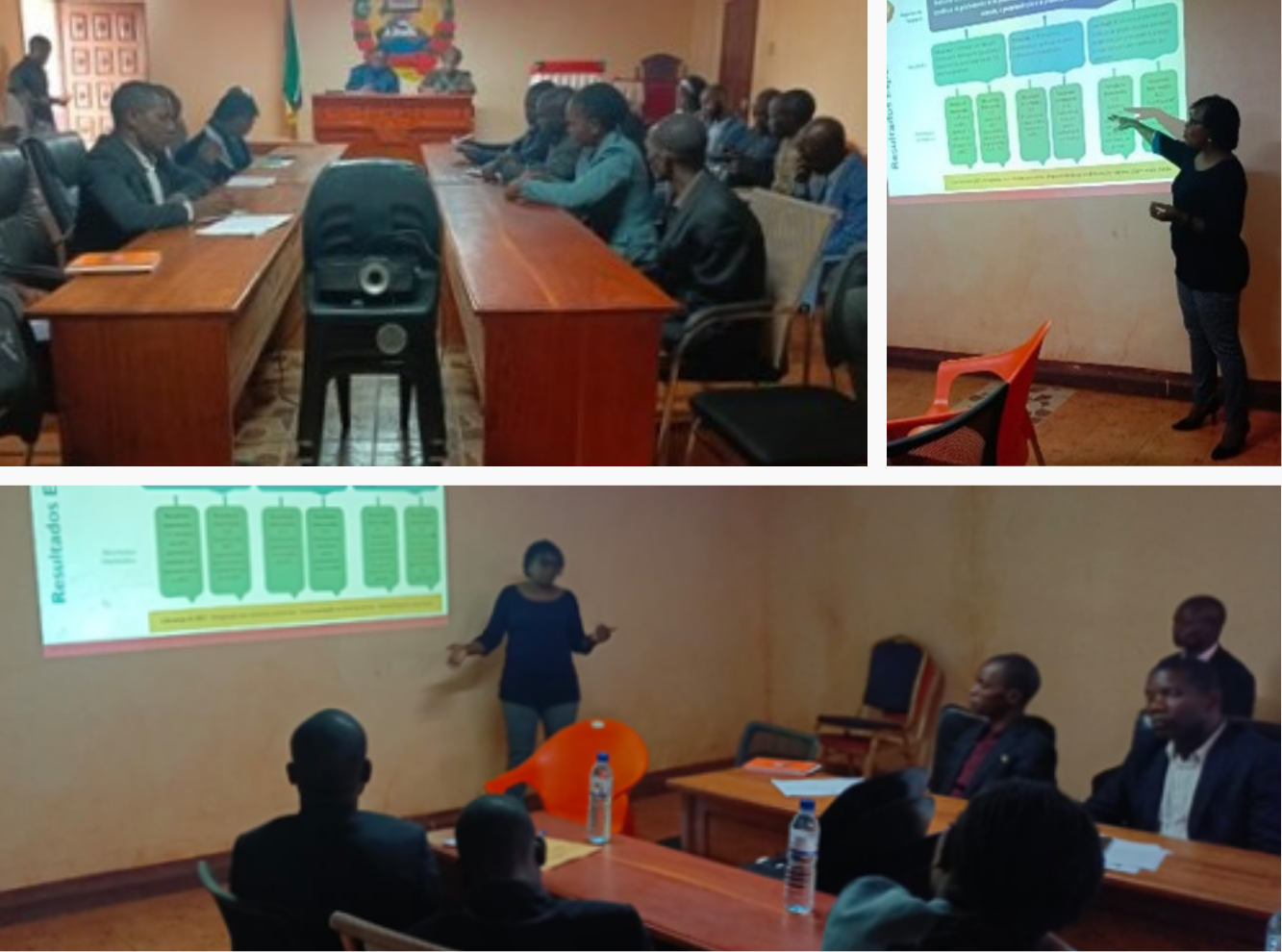
Official Launch and Community Response
The official kick-off events for the program were held in the Mavago and Mecula districts, drawing participation from high-level officials, local leaders, and educators. During the launch in Mavago, the district administrator delivered a speech reinforcing the local government’s commitment to the initiative. The administrator highlighted that education is the "engine of development" for the province and expressed gratitude for the collaborative effort between the international community and the Mozambican state.
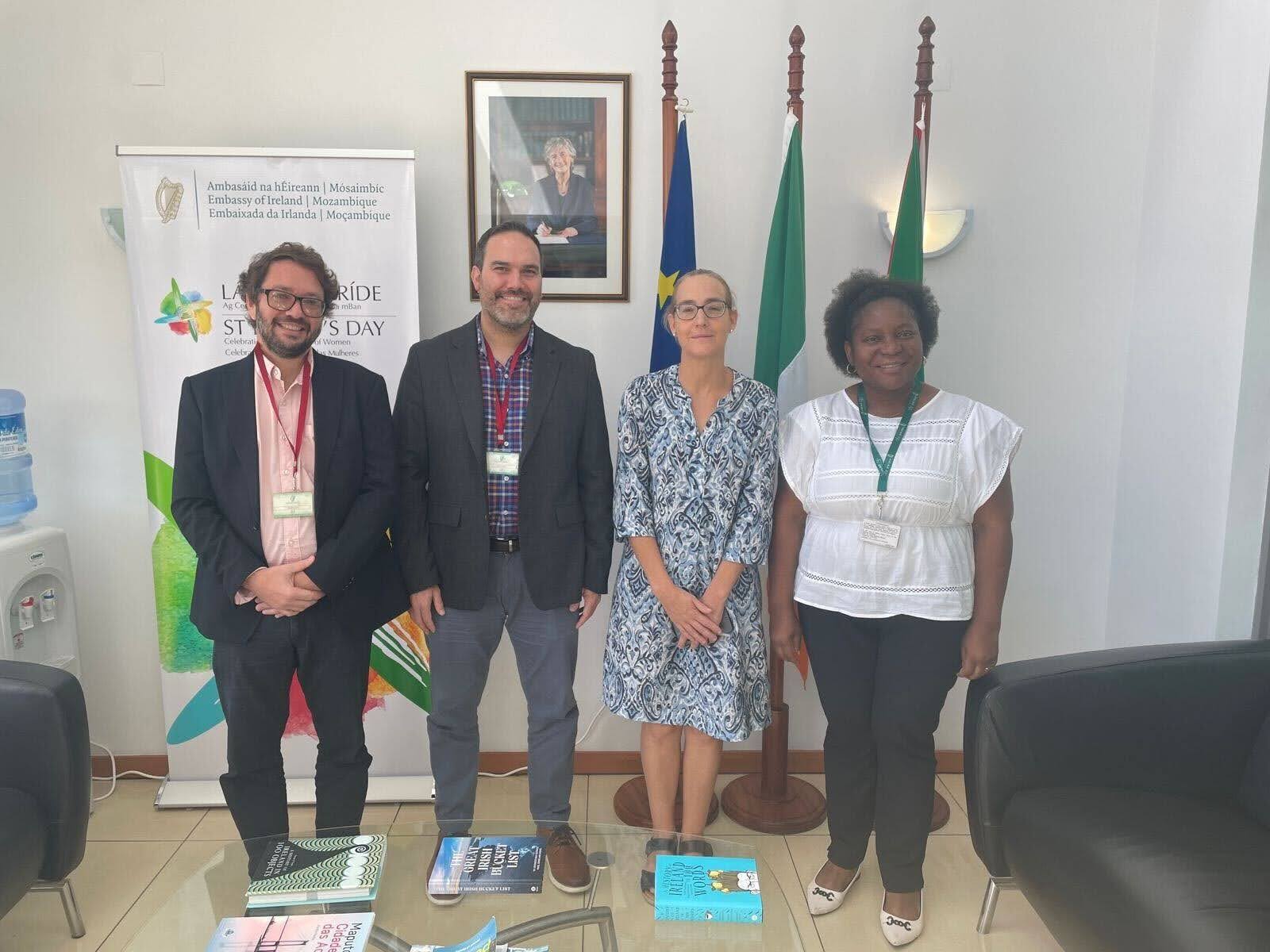
The presence of key leadership from World Education and the Embassy of Ireland underscored the diplomatic and technical weight of the program. Adam Turney, a World Education initiative director, and David Noyes, the project director, were joined by IrishAid team leads Aileen O’Donovan, deputy head of mission and cooperation, and Lídia Meque, program manager. Their involvement signals a high level of oversight and a commitment to ensuring that the program meets its ambitious targets.
Broader Implications for the Education Sector
The Empowering Educators program arrives at a pivotal moment for Mozambique’s education sector. As the country continues to recover from the economic impacts of recent years and navigates the challenges of a rapidly growing young population, the need for a robust, resilient education system has never been greater.
The focus on "foundational learning" is particularly timely. Global education trends have shifted toward ensuring that children in the early grades acquire the basic skills necessary for all future learning. By focusing on the "manager down to the classroom," the program addresses the entire hierarchy of the school system, ensuring that improvements in management lead to tangible improvements in student performance.
Furthermore, the emphasis on gender-responsive school management serves as a pilot for what could eventually become a national standard. If the 100 school directors in Niassa can successfully implement strategies that increase girl’s retention and protection, these lessons can be scaled to other provinces where similar challenges persist.
Conclusion and Future Outlook
As the Empowering Educators program moves into its full implementation phase, the focus remains on the long-term goal of systemic change. By initially reaching 600 teachers and 100 directors, the program is creating a nucleus of excellence in Niassa that has the potential to transform the province’s educational landscape.
The collaboration between World Education, IrishAid, and the MEC represents a model for international development—one that is led by the government, supported by technical expertise, and funded by partners committed to sustainable outcomes. In the coming years, the success of the program will be measured not just by the number of teachers trained, but by the number of children in Niassa who complete their primary education with the skills and confidence to build a better future for themselves and their communities.
Through the multiplier effect, on-the-job coaching, and a steadfast commitment to gender equality, the Empowering Educators program is set to leave a lasting legacy on the Mozambican education system, proving that even in the most remote regions, quality education is within reach when the right partnerships and strategies are in place.