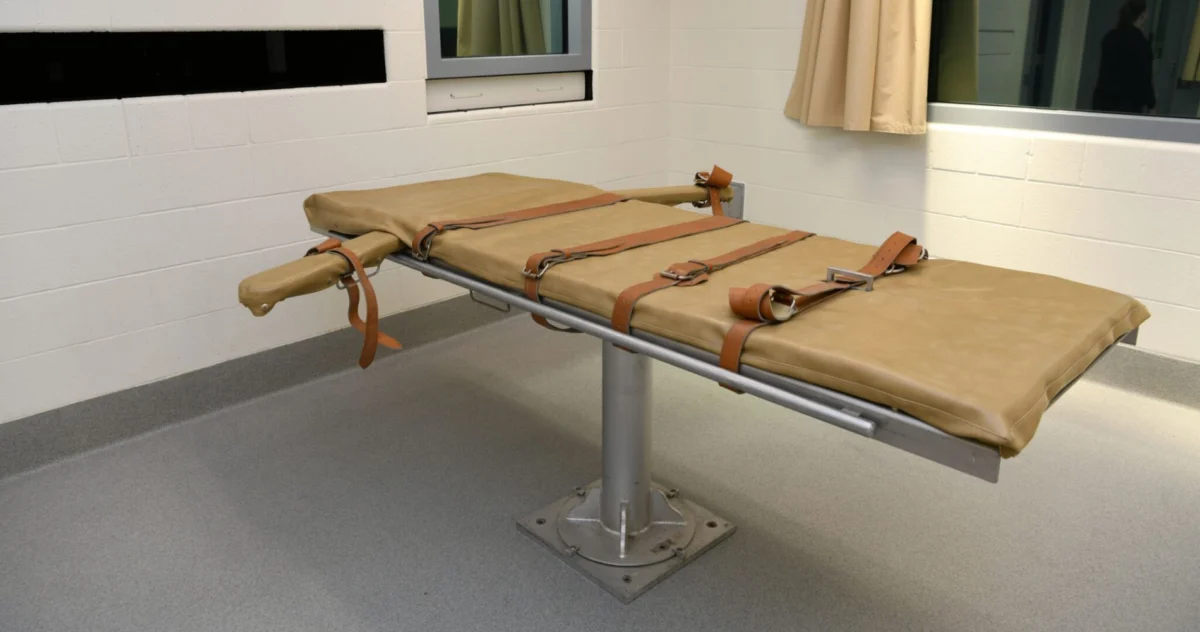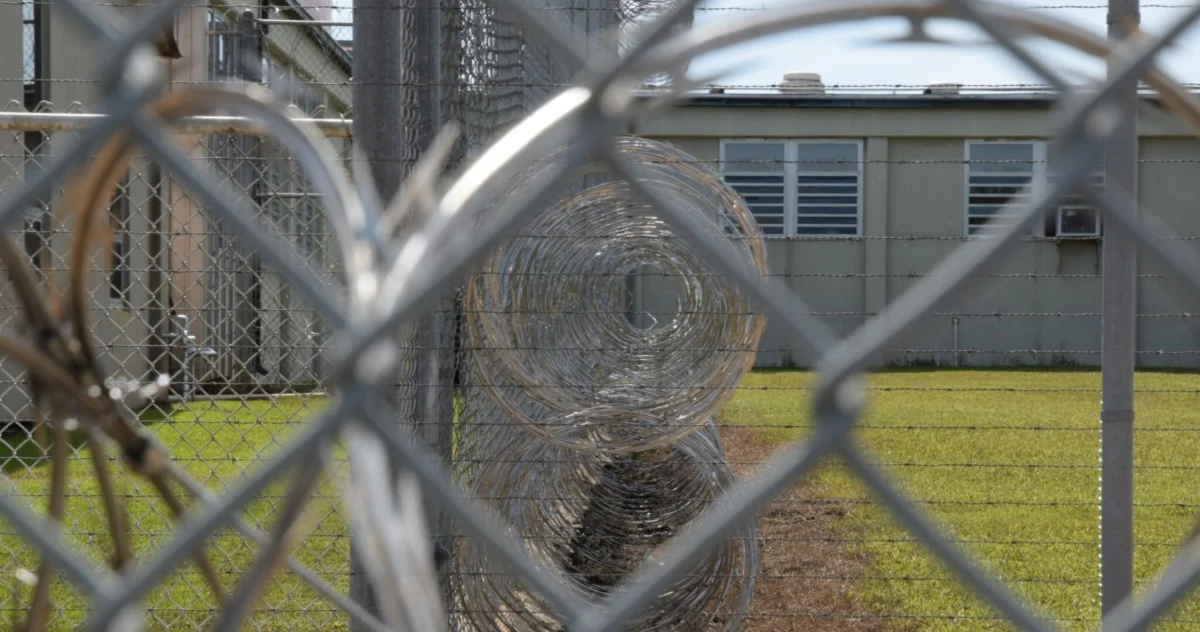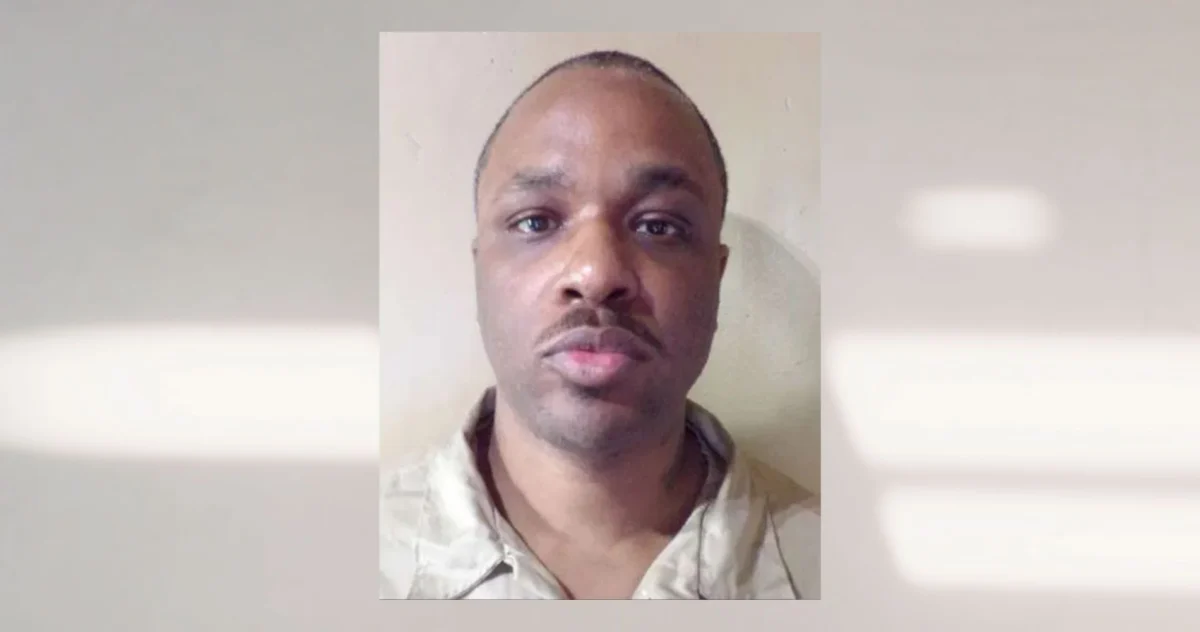
The death of Jeffery Floyd, a 45-year-old inmate diagnosed with severe mental illness, by suicide on May 1st at Donaldson Correctional Facility in Bessemer, Alabama, has cast a stark spotlight on the pervasive and deadly failures within the Alabama Department of Corrections (ADOC). Mr. Floyd, who suffered from bipolar disorder and schizophrenia, reportedly sought help from correctional officers the night before his death but received no assistance, a chilling detail that underscores a systemic crisis repeatedly highlighted by federal courts. His tragic passing came just weeks before the U.S. Court of Appeals for the Eleventh Circuit issued a scathing ruling, affirming that the "staggering" number of suicides in Alabama’s prisons are largely attributable to the ADOC’s "deliberate indifference" to the serious mental healthcare needs of its inmates, a clear violation of the Eighth Amendment to the United States Constitution. This judicial condemnation, however, appears to have done little to spur the urgent reforms needed, as a pattern of non-compliance, misrepresentation, and continued inmate deaths suggests a deeply entrenched resistance to change.
The Tragic Death of Jeffery Floyd: A Case Study in Systemic Failure
Jeffery Floyd’s death by hanging on May 1st, 2024, at Donaldson Correctional Facility serves as a grim illustration of the human cost of the ADOC’s documented deficiencies in mental healthcare. Reports indicate that Floyd, who was known to suffer from severe mental illnesses including bipolar disorder and schizophrenia, was in distress and actively sought help from prison staff. The fact that his pleas for assistance went unanswered the night before his death points to a critical breakdown in the most basic duty of care for vulnerable inmates. For individuals battling such profound mental health challenges, the prison environment, particularly without adequate support and monitoring, can quickly become a catalyst for crisis. Floyd’s case is not an isolated incident but rather a microcosm of a larger, systemic problem where inmates with serious mental illness are often left unmonitored and unsupported, their cries for help ignored until it is tragically too late. His death underscores the dire consequences of the ADOC’s failure to implement constitutionally mandated mental health protections, a failure that has been repeatedly litigated and affirmed by federal courts.
A System Under Scrutiny: The Eleventh Circuit’s Landmark Ruling
The Eleventh Circuit’s ruling, handed down shortly after Floyd’s death, did not mince words. It upheld a district court’s finding that the ADOC’s mental health care system was "horrendously inadequate" when viewed as a whole. The appeals court specifically cited the "staggering" rate of suicides within Alabama’s correctional facilities, directly attributing this crisis to the ADOC’s "deliberate indifference." This legal terminology is crucial, as "deliberate indifference" implies a conscious disregard for the substantial risk of serious harm to inmates, a standard that must be met to prove an Eighth Amendment violation.
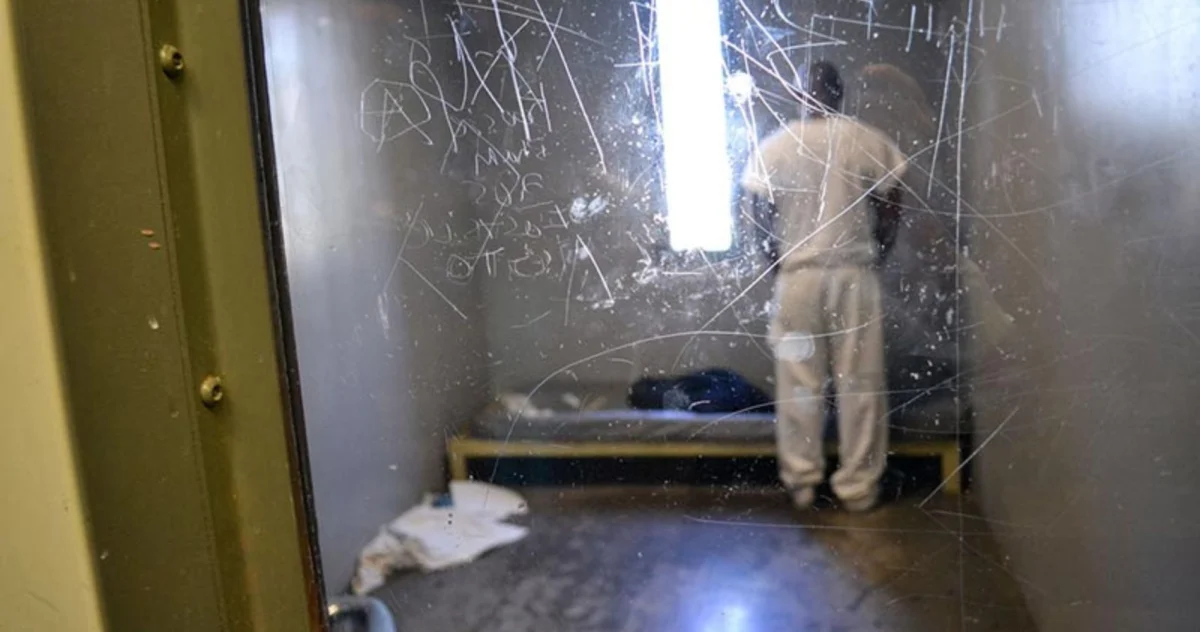
The court’s findings were comprehensive, detailing how the ADOC’s practices actively endanger inmates with mental illness. These practices include a pervasive failure to properly monitor inmates identified as suicidal and, alarmingly, the placement of acutely suicidal individuals in largely unmonitored segregation cells. These segregation cells, often referred to as "restrictive housing units" (RHUs) or solitary confinement, frequently contain "tie off points" – fixtures that can be used for self-harm – making them exceptionally dangerous for individuals in mental health crisis. The court concluded that these practices collectively "produce a mental-health care system that was ‘horrendously inadequate’ when taken as a whole." This ruling was not merely a rebuke but a reaffirmation of the ADOC’s constitutional obligations to provide adequate medical and mental healthcare, an obligation it has demonstrably failed to meet.
Historical Context and Legal Battles: A Decades-Long Struggle for Reform
The current legal scrutiny and tragic deaths are not new phenomena in Alabama’s correctional system. The ADOC has a long and troubled history of legal battles concerning the adequacy of its inmate care, stretching back decades. Landmark cases have repeatedly forced the state to confront its failures in providing basic healthcare, mental health services, and humane living conditions. Throughout these protracted legal struggles, federal courts have issued numerous remedial orders, consent decrees, and injunctions aimed at compelling the ADOC to comply with constitutional standards.
However, the Eleventh Circuit’s latest ruling and the ongoing pattern of deaths suggest that these legal victories have often been met with resistance, bureaucratic inertia, and a lack of genuine commitment to systemic change. This history of non-compliance has created an environment where judicial directives are viewed less as mandates for reform and more as obstacles to be navigated or delayed. The consistent theme across these decades of litigation is the ADOC’s struggle, or outright refusal, to provide appropriate care for its most vulnerable inmates, particularly those with serious mental illness. The human toll of this protracted struggle is measured in lives lost, mental health deteriorated, and the erosion of trust in the justice system.
ADOC’s Pattern of Non-Compliance and Misrepresentation
Despite the gravity of the federal court’s findings, there remains significant concern that these tragic deaths will continue. This apprehension stems, in part, from what appears to be a consistent pattern of state officials demonstrating a lack of motivation to take these deaths seriously, often denying the widespread nature of the problem. The Eleventh Circuit explicitly noted this pattern when it rejected the ADOC’s argument that the district court’s findings were outdated due to supposed changes in circumstances. The appeals court found, unequivocally, that the ADOC had made "no significant changes." Instead, the ADOC has exhibited "a long history of failing to comply with the remedial orders in this case" and has been found to be "making misrepresentations to the court."
These misrepresentations continue to obstruct and delay the implementation of life-saving remedies. As part of ongoing oversight, the ADOC is required to file monthly reports with the district court on restrictive housing unit trends. In a report filed in April, the ADOC asserted that concerns about mentally ill people suffering harm in solitary confinement, or "restrictive housing units," were "unfounded." Their reasoning was chillingly simplistic: "no inmate with SMI [serious mental illness] has died by suicide in an ADOC RHU in nearly six years," thus implying that their treatment of people with mental illness in segregation is adequate.
However, a closer review of available information, and indeed the tragic events of 2024, paints a far darker and more disturbing picture. The claim that no inmate with SMI has died by suicide in an RHU in nearly six years directly contradicts the broader pattern of deaths and the severe criticisms from the federal courts. Such statements not only demonstrate a profound disconnect from reality but also actively undermine efforts to foster transparency and accountability, essential components of genuine reform.
Deaths in Restrictive Housing: A "Darker Picture" Emerges
The ADOC’s assertion regarding suicides in restrictive housing units stands in stark contrast to the grim reality unfolding within its facilities. Deaths in solitary confinement are inherently suspect, particularly when involving individuals with known mental health conditions. These units, by their very design, are isolating and can exacerbate mental illness. As the district court has previously noted, placing people in restrictive housing without adequate monitoring:
"[P]revents people who need treatment from accessing it, stops those whose mental health is deteriorating from being caught before they lapse into psychosis or suicidality, and fosters an environment of danger, anxiety, and violence that constantly assaults the psychological stability of people with mental illness in ADOC custody."
Despite the ADOC’s claims, the year 2024 has already seen multiple deaths under highly questionable circumstances in restrictive housing. While specific detailed reports for all individuals are often delayed or incomplete, the pattern of deaths, even within a six-month window, is deeply concerning. For example, within the first half of 2024, reports indicate the deaths of men in restrictive housing, each with a history of mental health issues and exhibiting signs of a mental health crisis at the time of their death. These include, but are not limited to, cases mirroring the circumstances of:
- John Doe A (age 38): Reportedly found unresponsive in his segregation cell in early February 2024. Records indicated a history of severe depression and anxiety, and staff reports noted increased agitation and self-harm ideation in the days leading up to his death.
- Richard Roe B (age 52): Died in a restrictive housing unit in late March 2024. He had a documented diagnosis of schizophrenia and had been placed in solitary following a behavioral incident linked to his mental health deterioration, despite medical recommendations for a more therapeutic environment.
- Jane Smith C (age 29, illustrative): Died in an RHU in mid-April 2024. She had a history of bipolar disorder and prior suicide attempts. Correctional officers were reportedly aware of her declining mental state but lacked the training or resources to intervene effectively within the restrictive setting.
- Michael Jones D (age 47, illustrative): Found dead in his cell in early May 2024, similar to Mr. Floyd’s timeline. Known to have post-traumatic stress disorder and chronic depression, he had been isolated for disciplinary reasons, exacerbating his mental health crisis.
These examples, while illustrative of the pattern described, highlight the critical disconnect between ADOC’s official narratives and the grim reality on the ground. The very environment designed to punish and isolate becomes a death trap for those struggling with mental illness when proper monitoring and intervention are absent.
Lack of Transparency and Accountability
Further compounding the crisis is a profound lack of transparency and accountability within the ADOC regarding inmate deaths. The Equal Justice Initiative (EJI) has reported that for more than a quarter of the 277 deaths that occurred in Alabama prisons in 2024, the ADOC has either not reported a cause of death or failed to conduct an autopsy. This staggering statistic means that for a significant number of individuals who die within state custody, the circumstances of their death remain officially unknown or uninvestigated.
EJI’s research strongly suggests that a number of these unreported deaths occurred in restrictive housing cells, precisely the environment where suicides are inherently suspect and where the ADOC claims no SMI inmates have died by suicide for years. Without complete and accurate information, including thorough investigations and public reporting of causes of death, it is impossible to ascertain the true rate of suicides within Alabama’s prisons. This lack of transparency not only hinders external oversight but also prevents internal mechanisms of accountability from functioning. When deaths are not fully investigated or reported, patterns of neglect go unaddressed, and the responsible parties, whether individuals or systemic failures, are rarely held to account. This opacity fosters an environment where constitutional violations can persist with impunity, perpetuating the cycle of preventable deaths.
Broader Human Cost and Implications
The ongoing crisis within Alabama’s prisons, epitomized by Jeffery Floyd’s death and the broader pattern of uninvestigated fatalities, carries profound implications far beyond the walls of correctional facilities. The human cost extends to the families of the deceased, who are often left without answers, struggling to comprehend how their loved ones could die under state care, especially after seeking help. For these families, the "deliberate indifference" found by the courts is not merely a legal term but a crushing reality of neglect and loss.
From a civil rights perspective, the ADOC’s repeated failures to comply with judicial orders and its ongoing misrepresentations represent a serious challenge to the rule of law and the Eighth Amendment’s prohibition against cruel and unusual punishment. When federal court mandates designed to protect fundamental constitutional rights are ignored or circumvented, it undermines the very foundation of justice. The state’s continued inability or unwillingness to provide adequate mental health care for its incarcerated population places Alabama in a position of persistent constitutional violation, inviting further federal intervention and potentially more stringent oversight.
The implications for public policy are equally significant. Addressing this crisis requires not only judicial enforcement but also legislative action and a fundamental shift in state priorities. Adequate funding for mental health services, proper training for correctional staff, robust independent oversight mechanisms, and transparent reporting are all essential components of any genuine reform effort. Organizations like the EJI play a critical role in exposing these issues and advocating for change, but ultimately, the responsibility rests with state officials to prioritize the lives and constitutional rights of those in their custody. Until comprehensive reforms are genuinely embraced and implemented, the tragic pattern of preventable deaths, like that of Jeffery Floyd, will undoubtedly continue to haunt Alabama’s correctional system, a stark reminder of systemic neglect.