For centuries, the rugged mountain ranges, fertile river valleys, and sweeping prairie steppes of the Crimean Peninsula have served as the cradle of the Crimean Tatar civilization. Their language, traditional agricultural practices, folklore, and socio-political structures are inextricably bound to the Black Sea terrain. However, the illegal annexation of Crimea by the Russian Federation in 2014 fundamentally altered the trajectory of this Indigenous community, forcing thousands into protracted exile while those remaining behind face an increasingly hostile environment of systemic persecution, surveillance, and occupation.
This ongoing humanitarian and political crisis exposes a profound blind spot in European geopolitics: how an Indigenous population survives, organizes, and asserts its political belonging when its ancestral homeland is severed by aggressive state-sponsored warfare. For the Crimean Tatars—officially recognized alongside the Karaims and Krymchaks as Indigenous Peoples under Ukrainian law—identity is not merely an abstract cultural label, but a daily act of political defiance.
"Our homeland is Crimea—and no one else’s," says Liudmyla Korotkykh, a Crimean Tatar lawyer, human rights advocate, and manager at the Crimean Tatar Resource Center. Operating out of Kyiv, where she has lived in displacement since 2015, Korotkykh articulates a worldview shared by hundreds of thousands in the diaspora: that the survival of her people depends entirely on maintaining an unbroken, generational link to their native soil.
A Misunderstood European Indigenous Population
Outside of Eastern Europe, international observers frequently express surprise upon learning that distinct Indigenous Peoples inhabit the European continent. This persistent oversight, Korotkykh explains, is largely rooted in global misconceptions about colonialism and historical power dynamics.
"People often think Indigenous Peoples are those who were colonized," Korotkykh notes. "And historically, Europeans were the colonizers. Because of this, many people don’t imagine Indigenous Peoples existing in Europe."
This Eurocentric framework obscures the reality that empires within and adjacent to Europe—most notably the Russian Empire, the Soviet Union, and the modern Russian Federation—have historically engaged in internal colonization, territorial expansion, and the subjugation of non-Slavic, non-Russian populations within their continental borders. By erasing the Indigenous status of groups like the Crimean Tatars, international bodies have historically struggled to apply the appropriate legal frameworks, such as the United Nations Declaration on the Rights of Indigenous Peoples (UNDRIP), to conflicts within the European theater.
An Ecological Relationship Rooted in the Land
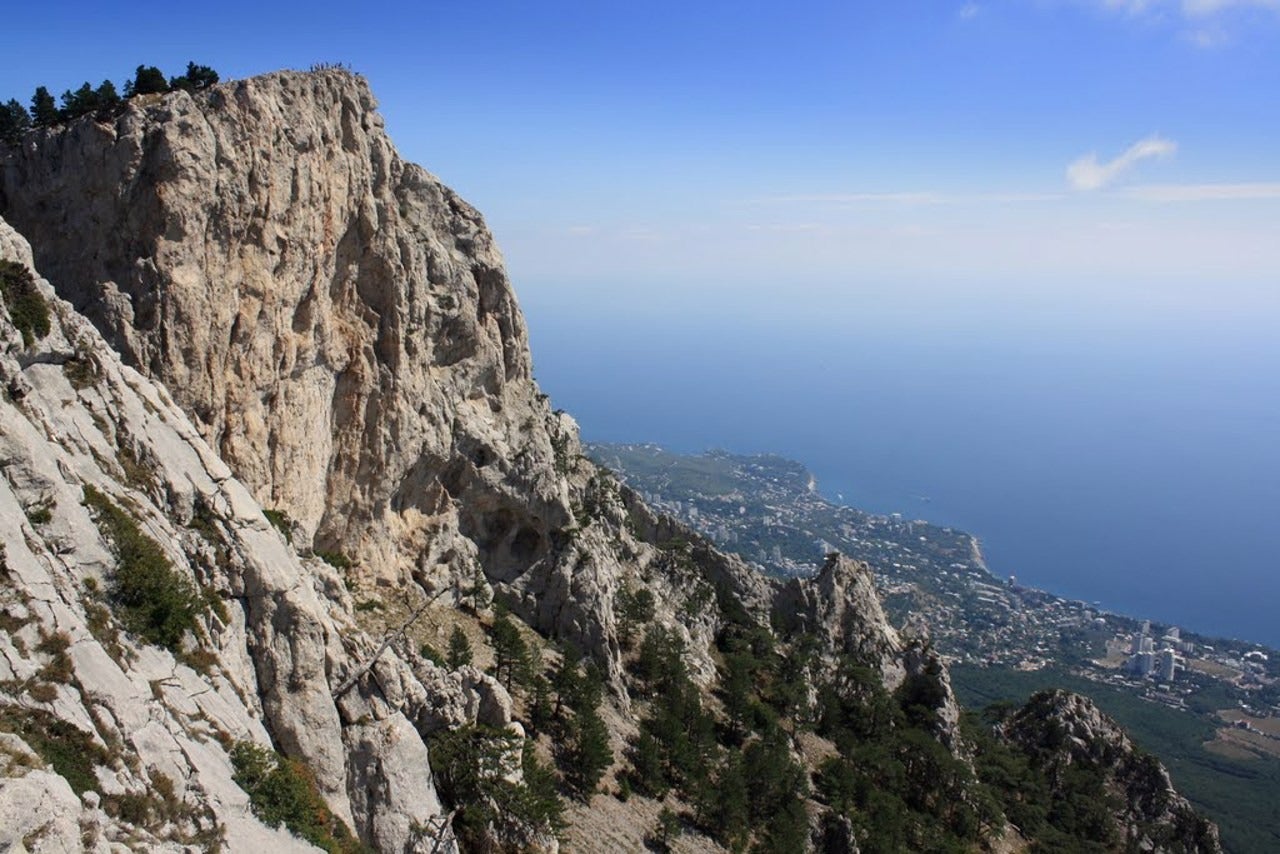
The connection between the Crimean Tatars and their homeland transcends geopolitical borders; it is deeply ecological and agricultural. Situated on the northern coast of the Black Sea, Crimea features a diverse microclimate that has enabled local populations to develop sustainable, highly specialized living methods over millennia.
Among these enduring traditions are the chayãr—traditional mountain orchards built into the steep slopes of Crimea’s southern highlands. These terraced gardens ingeniously harness natural water flows dictated by the local topography, bypassing the need for complex, energy-intensive irrigation systems. According to horticultural experts and community historians, the unique mineral composition and microclimate of these mountain orchards produce fruits, particularly distinct varieties of apples and pears, renowned for their unparalleled flavor.
Even for members of the diaspora born thousands of miles away, this sensory and emotional bond to the land remains potent. Korotkykh’s own mother was born in Central Asia following the forced deportations of the mid-20th century. "We grew up hearing stories about Crimea," Korotkykh recalls. "People would say that the fruit there tastes better, that even the sun shines more brightly." These oral histories served as psychological lifelines, preserving a collective memory that defied geographical displacement.
Historical Chronology of Displacement and Return
The modern struggles of the Crimean Tatars cannot be understood without examining the catastrophic upheavals of the Soviet era. Their history in the 20th and 21st centuries is defined by a continuous cycle of forced removal, clandestine cultural preservation, triumphant return, and brutal re-occupation.
1944: The Stalinist Mass Deportation
On May 18, 1944, under orders from Soviet leader Joseph Stalin, the entire Crimean Tatar population—numbering more than 190,000 individuals—was accused en masse of collaborating with Nazi Germany. Over the course of just three days, Soviet NKVD troops packed families into crowded cattle cars and deported them across thousands of kilometers to the Uzbek Soviet Socialist Republic and other remote areas of Central Asia and the Ural Mountains. Due to starvation, disease, and the brutal conditions of transport and forced labor, nearly half of the deported population perished within the first few years.
The Decades of Exile and Underground Resistance (1944–1989)
For nearly half a century, the Soviet government officially denied the existence of the Crimean Tatars, erasing them from encyclopedias, maps, and national registries. Their language was suppressed, and any public commemoration of their heritage was banned. Despite these draconian measures, the community maintained its identity in private. Weddings, family gatherings, and religious observances doubled as covert political meetings where elders passed down historical narratives, language, and traditional music to the younger generation. Over time, these cultural gatherings evolved into the National Movement of the Crimean Tatars, a sophisticated dissident network that petitioned Moscow for the right of return.
The Mass Repatriation (Late 1980s–1990s)
As the Soviet Union began to liberalize under Mikhail Gorbachev’s perestroika, Crimean Tatars began returning to their homeland en masse. This return was largely self-organized and self-financed. Upon arrival, repatriated families faced immense hostility from local Soviet authorities and new occupants, finding their historic properties expropriated and land ownership unrecognized. Through sheer persistence, cooperative building efforts, and community solidarity, hundreds of thousands of Tatars re-established roots across the peninsula, rebuilding mosques, schools, and cultural institutions.
2014: The Russian Annexation and Renewal of Persecution
The fragile renaissance of Crimean Tatar culture was abruptly shattered in February and March 2014, when the Russian Federation covertly deployed military forces without insignia—colloquially known as "little green men"—to seize control of Crimea. On February 26, 2014, thousands of Crimean Tatars gathered outside the Supreme Council of Crimea in Simferopol to demand the preservation of Ukraine’s territorial integrity and protest the impending Russian takeover.
"Crimean Tatars were in the center of opposition to the occupation," Korotkykh emphasizes.
Following the illegal annexation—widely condemned by the United Nations General Assembly Resolution 68/262—the Russian occupation authorities systematically targeted the Mejlis of the Crimean Tatar People, the community’s highest executive-representative body, eventually banning it as an "extremist organization" in 2016. Prominent activists, independent journalists, and religious figures have since faced arbitrary arrest, forced disappearances, prolonged pre-trial detention, and politically motivated show trials under charges of terrorism and separatism.
Cultural Expression as a Form of Resistance
With formal political dissent severely restricted and dangerous under Russian occupation, the Crimean Tatar community has pivoted toward cultural preservation as a primary mechanism of resistance.
Language has emerged as a crucial battleground. The Crimean Tatar language, a Turkic language distinct from both Russian and Ukrainian, is classified by UNESCO as severely endangered. Activists have established underground language nests, digital learning applications, and community workshops to ensure that younger generations retain fluency.
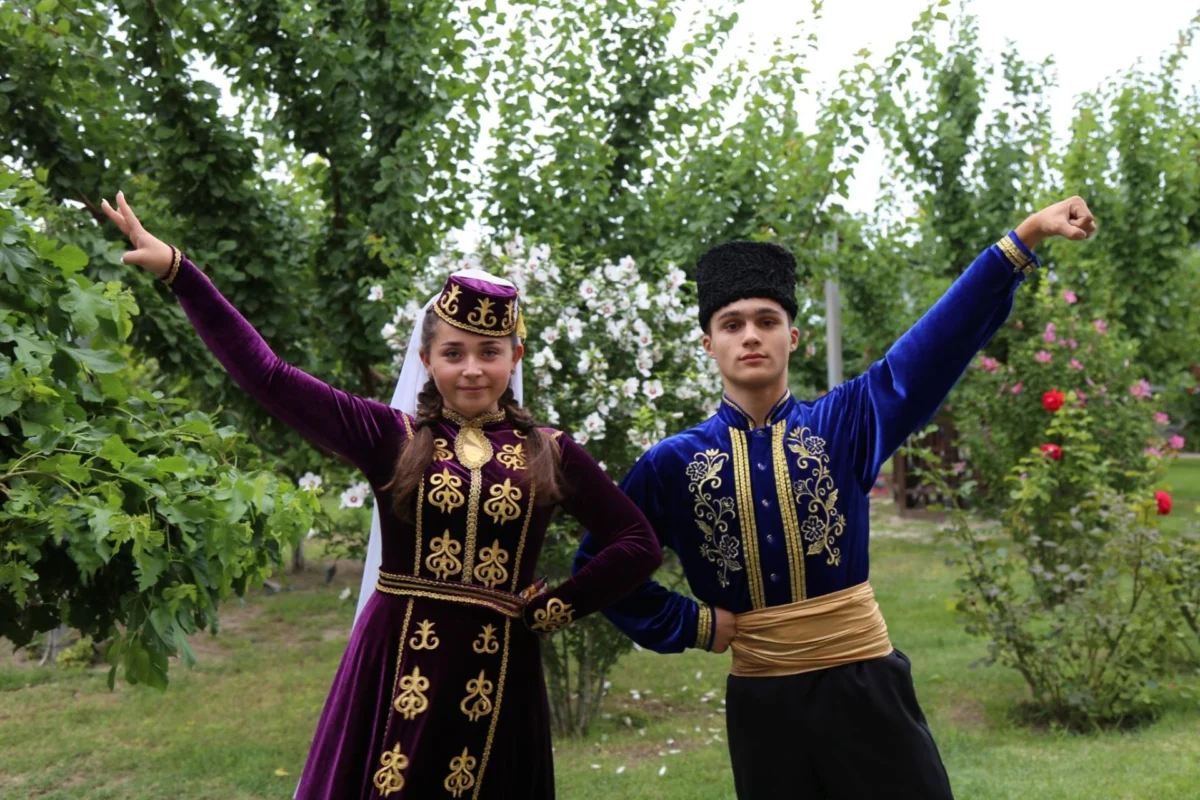
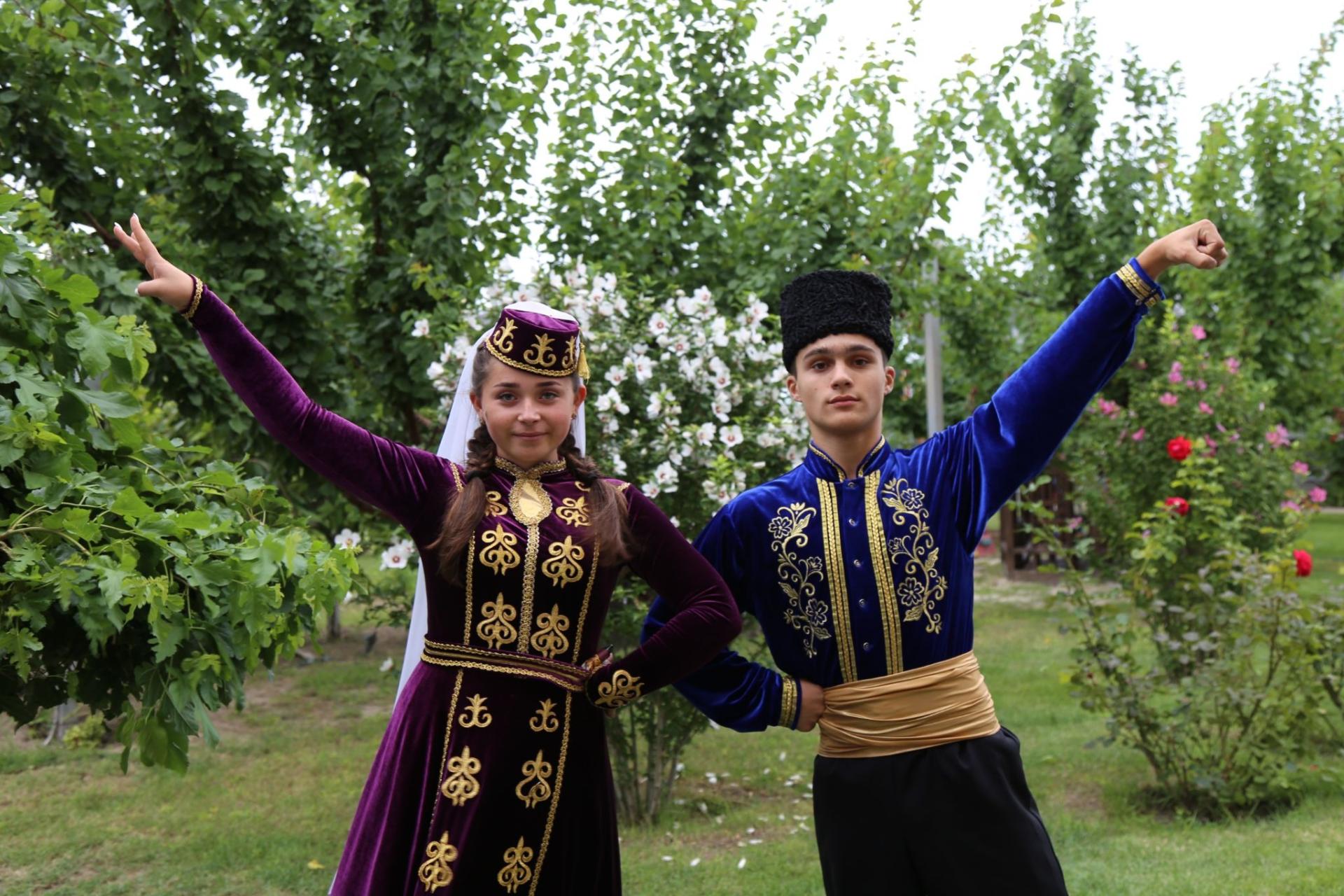
Furthermore, traditional arts, clothing, and crafts have taken on profound political weight. "In conditions where political activity is dangerous, culture becomes a way to show who you are," Korotkykh explains. "Young people are increasingly interested in traditions because they want to keep that identity alive." When young people wear traditional embroidered items (örnek) or converse in Crimean Tatar in public spaces, they are making a quiet yet unmistakable statement of non-compliance with the occupying regime’s assimilationist policies.
Broader Geopolitical Implications and International Stakes
The plight of the Crimean Tatars is inextricably linked to the broader existential conflict between Russia and Ukraine. Following Moscow’s full-scale invasion of Ukraine in February 2022, the strategic importance of the Crimean Peninsula skyrocketed. Crimea has served as a primary military staging ground, logistical hub, and launchpad for missile strikes against Ukrainian population centers.
Human rights organizations, including Amnesty International, Human Rights Watch, and the Crimean Tatar Resource Center, have documented a sharp escalation in political prosecutions and forced conscriptions targeting Crimean Tatars since 2022. Young Crimean Tatar men have frequently been disproportionately targeted for mobilization into the Russian military, effectively forcing them to fight against their own country and kin—a potential violation of the Fourth Geneva Convention regarding the protection of civilians in occupied territories.
Korotkykh argues that the international community’s muted and hesitant response to the 2014 annexation of Crimea directly paved the way for the full-scale war of 2022. "When the occupation began, many people said a full-scale war in Europe was impossible," she recalls. "लेकिन we warned that Russia would not stop in Crimea."
Demographic realities compound these geopolitical concerns. Decades of forced deportations, subsequent waves of outward migration, and the deliberate settling of hundreds of thousands of Russian citizens into Crimea by the occupation authorities have drastically altered the demographic balance of the peninsula. Today, only a few hundred thousand Crimean Tatars remain worldwide, with a significant fraction living in precarious conditions under occupation. Korotkykh warns that if the international community remains indifferent, the unique cultural tapestry of the Crimean Tatars risks permanent erasure.
"If the world closes its eyes to Crimea," she cautions, "our people could disappear."
A Future Tied to Home
Despite the immense gravity of the situation, advocacy efforts led by figures like Korotkykh continue to bear fruit on the international stage. In recent years, Crimean Tatar leaders have successfully elevated their cause within United Nations forums, the Council of Europe, and the International Court of Justice, framing the occupation not merely as a territorial dispute between states, but as an existential threat to an Indigenous population’s right to self-determination and physical survival.
Domestically, a major milestone was achieved in July 2021, when the Ukrainian parliament unanimously adopted the Law on Indigenous Peoples of Ukraine. This landmark legislation officially recognized the Crimean Tatars, Karaims, and Krymchaks as Indigenous Peoples, granting them specific legal protections, the right to establish representative bodies, and state funding for the preservation of their endangered languages and cultures. For the community, this law represents a vital step toward fully integrating Indigenous rights into the legal architecture of a future, post-war European Ukraine.
Operating from her base in Kyiv, Korotkykh divides her time between documenting ongoing human rights abuses for the Crimean Tatar Resource Center, briefing international diplomats, and maintaining psychological ties with relatives still trapped on the occupied peninsula.
Her personal motivation remains fundamentally unchanged by the passage of time or the severity of the geopolitical crisis.
"I’m Crimean Tatar. I’m from Crimea," she says with quiet resolve. "And of course, I want to go home."
For the Crimean Tatars, whether scattered across the global diaspora or enduring the daily surveillance of occupation, memory remains a revolutionary act. Decades of imperial persecution, forced exile, and industrialized displacement have failed to sever their bond to the Black Sea coast. To this day, Crimea remains not merely a geographic location marked on a contested map, but an enduring homeland waiting to be reclaimed.