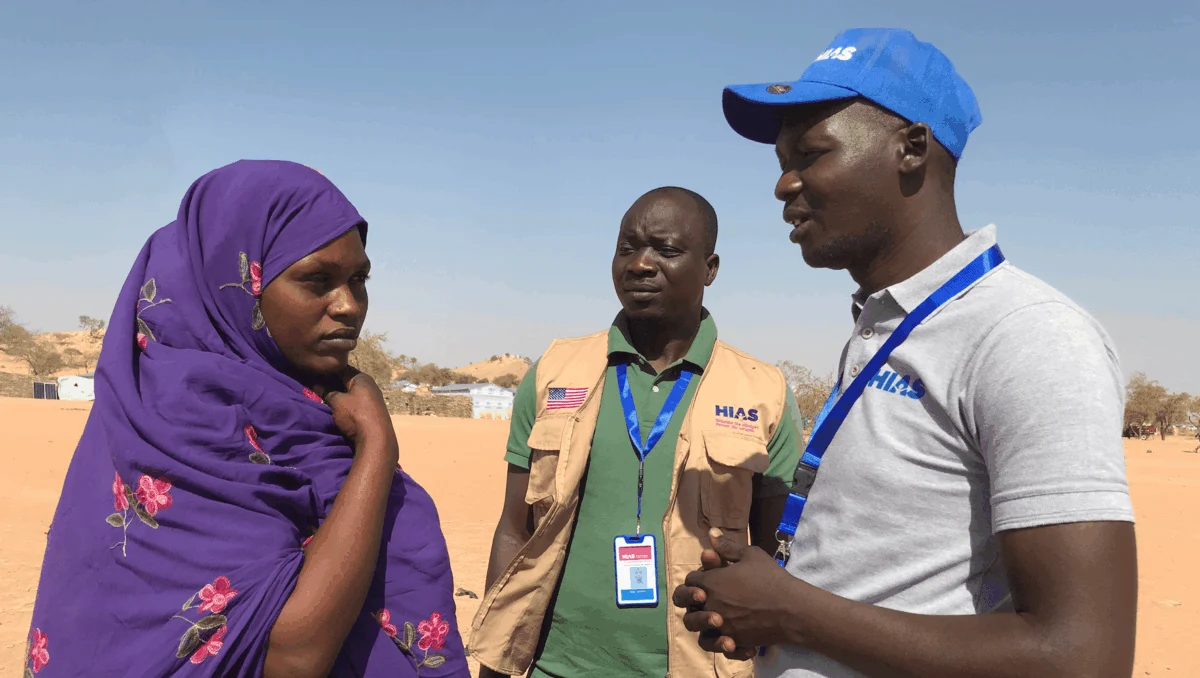
When the civil war in Sudan erupted in April 2023, the sudden descent into violence fundamentally altered the trajectory of millions of lives. For 11-year-old Bachir, a resident of Geneina, the conflict was not a distant geopolitical event but a visceral rupture that forced him to flee his home with only the clothes on his back, leaving behind his most cherished possession: a soccer ball. Three years later, Bachir’s story is emblematic of a broader humanitarian catastrophe unfolding in eastern Chad, where hundreds of thousands of Sudanese refugees are struggling to navigate the transition from acute survival to the long-term work of rebuilding their lives in exile.
A Chronology of Crisis: From Geneina to Farchana
The conflict in Sudan, which began in May 2023 in regions like West Darfur, triggered one of the most rapid and large-scale displacements in recent history. By August 2026, the cumulative impact of the war has resulted in 14 million people being displaced, either internally within Sudan or across borders into neighboring nations. Chad, already grappling with its own internal displacement and economic fragility, has become the primary sanctuary for those fleeing the violence.
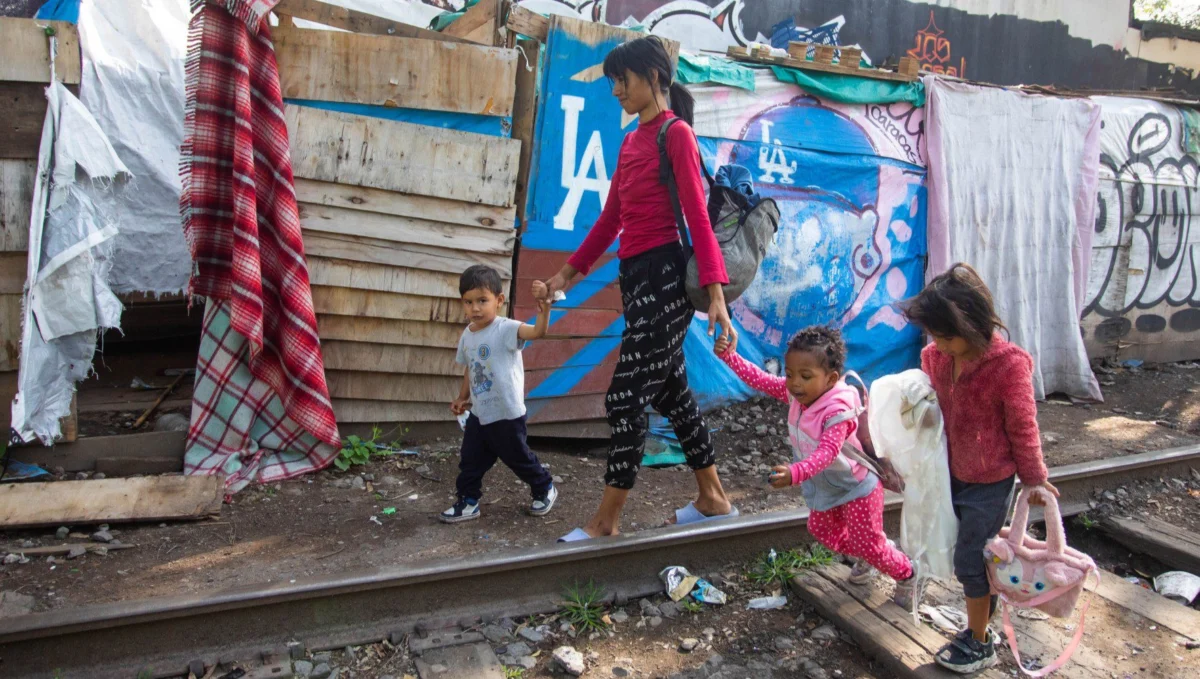
The influx of arrivals was not a singular event but a continuous wave. Throughout 2023 and 2024, thousands crossed the border daily, fleeing targeted ethnic violence and systemic collapse. By mid-2026, the refugee population in Chad exceeded 900,000. For children like Bachir, the journey was marked by harrowing experiences, long marches across arid landscapes, and the loss of essential family support structures. The Farchana refugee camp has since become a focal point for international aid efforts, serving as a microcosm of the complex challenges involved in managing long-term refugee populations in a resource-strained environment.
Statistical Overview of a Youth-Centered Crisis
The demographics of the current displacement crisis in Chad are particularly striking. Data indicates that 61 percent of the Sudanese refugee population in Chad are children under the age of 18, a figure significantly higher than the global refugee average of 39 percent. This youth-heavy demographic presents a unique set of humanitarian requirements, ranging from the immediate need for emergency nutrition to the long-term necessity of psychological support and educational continuity.
Exposure to trauma during transit, coupled with the instability of camp life, has left a generation of children vulnerable to developmental setbacks. Many have spent three years without formal education, creating a "lost generation" risk that humanitarian agencies are working to mitigate. According to UNICEF and associated regional observers, the prevalence of malnutrition and psychological distress among these children remains at critical levels, requiring sustained, multi-year funding rather than sporadic emergency interventions.
The Role of Institutional Intervention
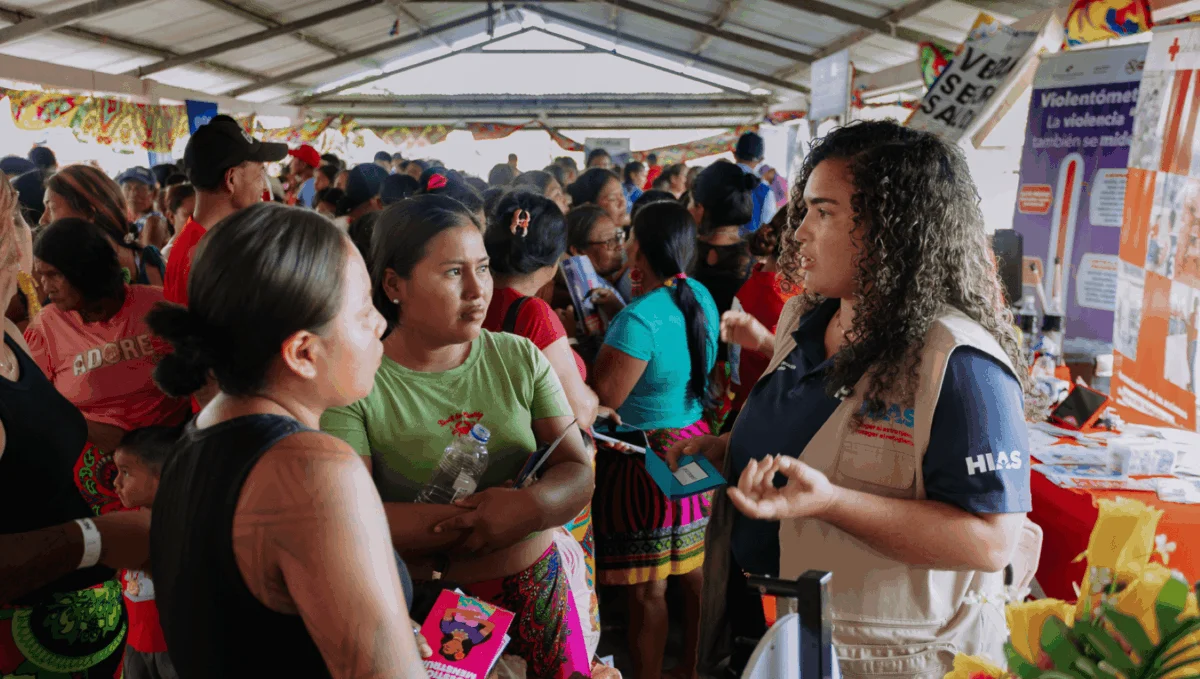
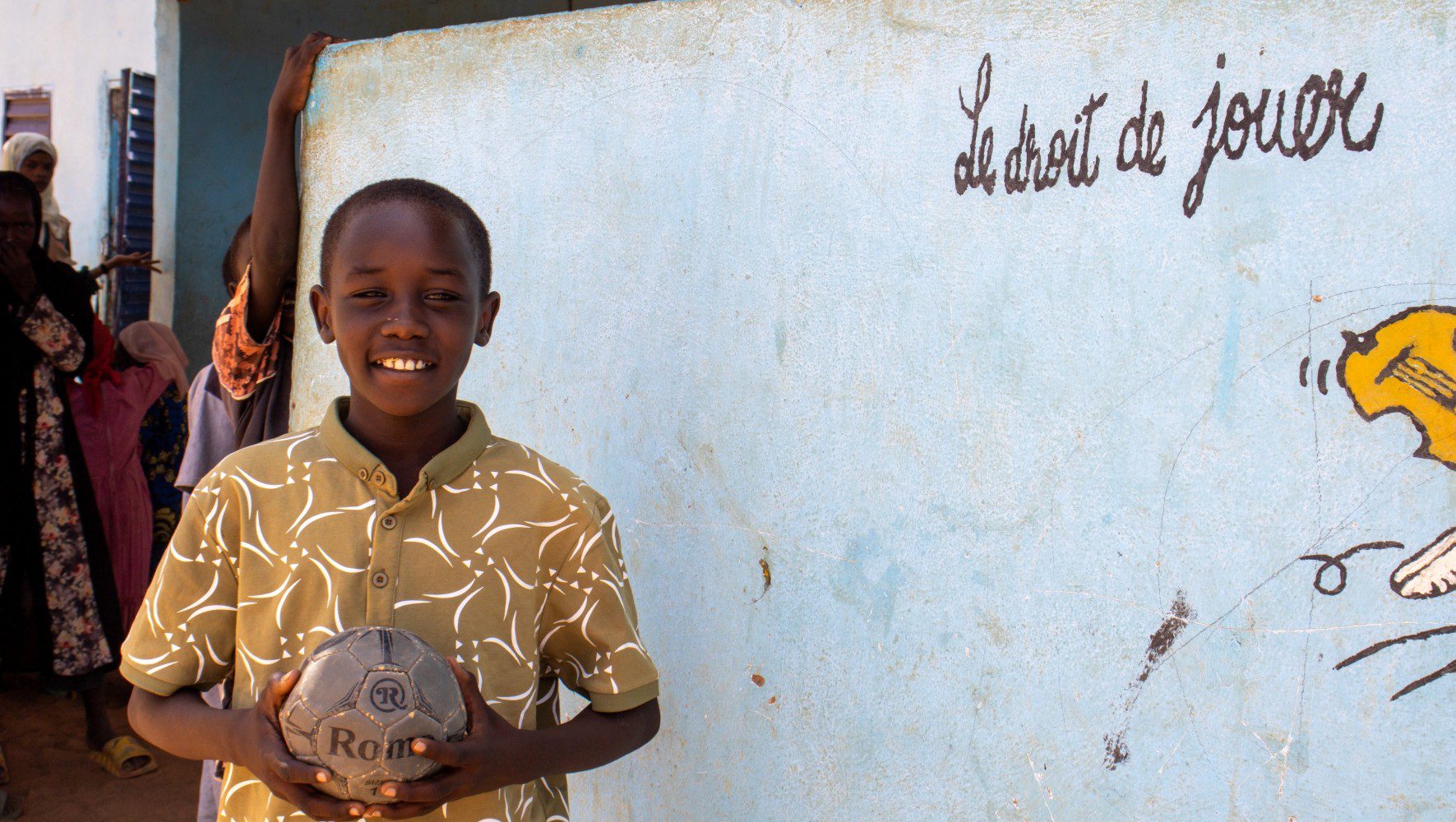
The humanitarian response in eastern Chad is coordinated through a complex network involving the Chadian government, the United Nations Office for the Coordination of Humanitarian Affairs (OCHA), and implementing partners such as HIAS. Funding from entities like the Chad Humanitarian Fund has been instrumental in establishing "child-friendly spaces" (Espace Amis des Enfants), where children can engage in structured play, education, and peer socialization.
Anitha Niyongira, the HIAS Chad Program Manager, emphasizes that the strategy goes beyond simple material aid. "We are addressing the structural roots of vulnerability," Niyongira explains. "By integrating child protection with mental health services and economic empowerment for caregivers, we create a stabilizing force that shields children from the secondary impacts of displacement, such as child labor, early marriage, and domestic exploitation."
Economic Integration and Host Community Dynamics
The humanitarian crisis has not been confined to the refugee camps. The local host communities in areas like Arkoum village, which currently hosts approximately 50,000 refugees, are experiencing significant strain. The integration of such a large population into a local economy that is traditionally reliant on seasonal agriculture has led to intensified competition for land and water.
Matoua, a mother of six and a participant in local assistance programs, provides a firsthand look at the socioeconomic shift. Prior to the arrival of the refugee influx, her family relied on small-scale subsistence farming. The expansion of camp infrastructure onto former agricultural lands has effectively ended her traditional livelihood. This phenomenon—where host communities see their own resources diminished—is a recurring theme in the Darfur-Chad border crisis.
HIAS has responded to these tensions by adopting a "holistic" support model that provides aid not only to refugees but also to vulnerable households within the host community. By providing cash assistance and supporting income-generating activities for local women, the organization aims to alleviate the zero-sum nature of resource competition. This approach is widely viewed by aid experts as essential for maintaining peaceful coexistence and preventing the development of xenophobic tensions in regions where poverty is pervasive among both populations.
The Psychological Cost of Displacement
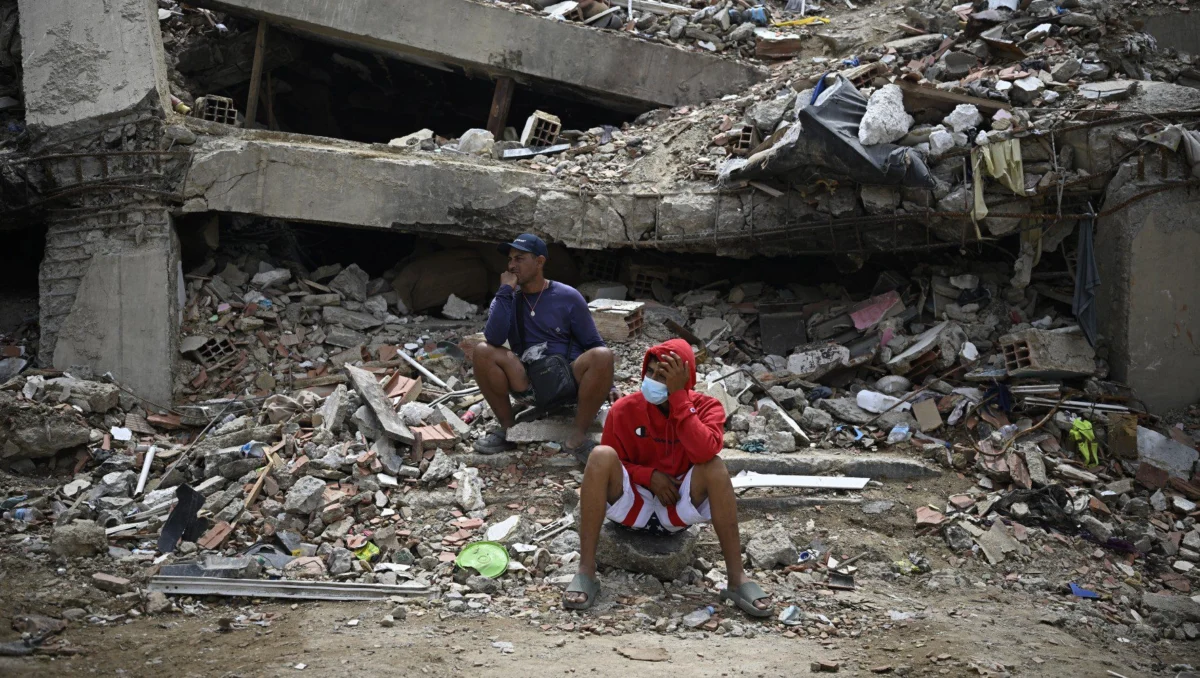
While physical security is the first priority, the psychological toll of the conflict remains a persistent challenge. For many, the loss of a home is compounded by the disappearance or death of family members. The "hidden" trauma of the conflict manifests in various ways: anxiety, depression, and a loss of developmental milestones in younger children.
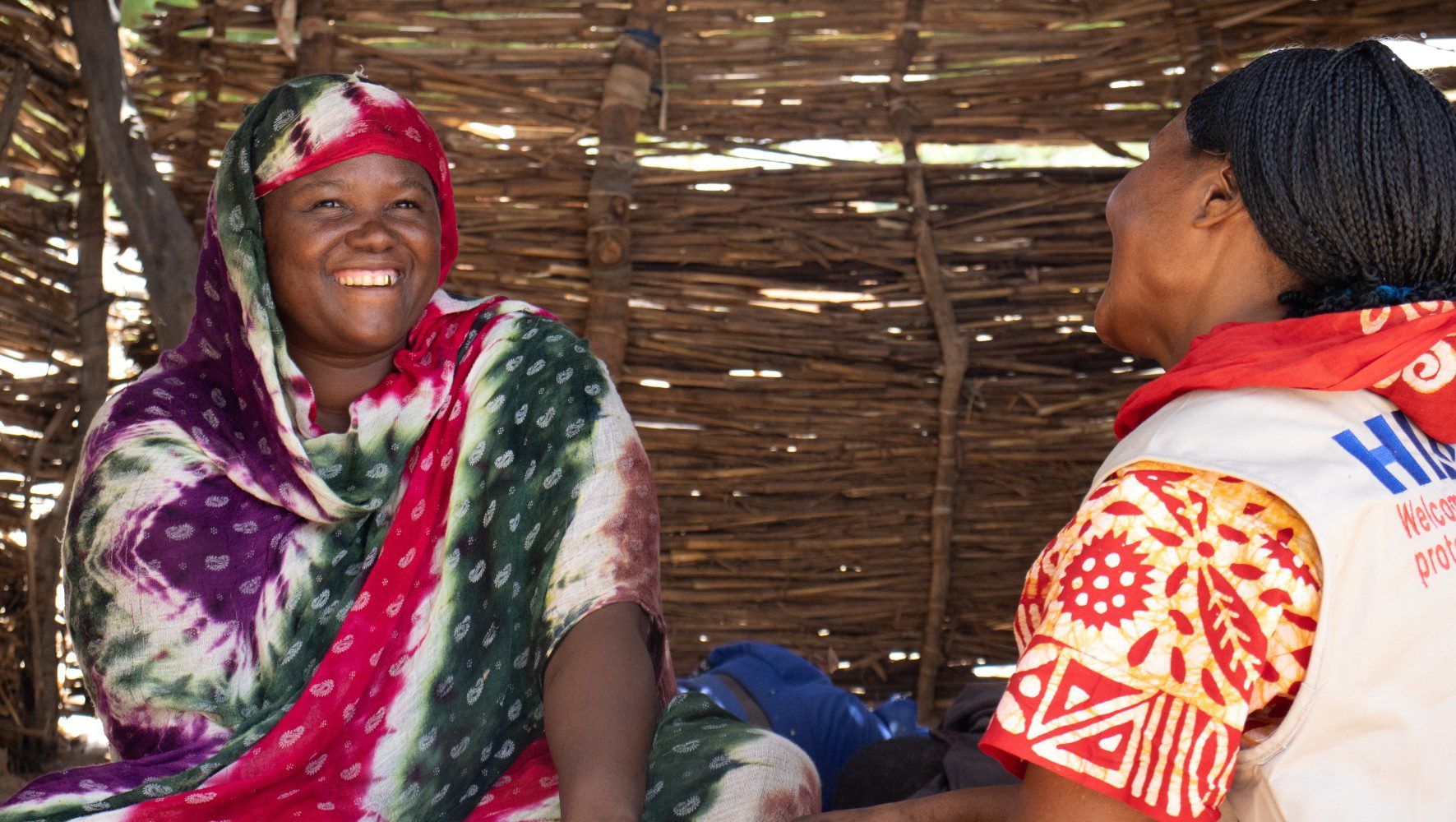
The use of sports and creative arts, as seen in the case of Bachir, is a deliberate therapeutic strategy. By creating a space that mimics the normalcy of pre-conflict life—such as soccer matches and drawing—humanitarian actors are attempting to restore the "right to childhood." This restorative approach is critical for the long-term social integration of the refugee population, as it provides a pathway for children to project themselves into a future beyond the confines of the camp.
Strategic Analysis: The Path Forward
The situation in Chad in late 2026 presents a critical inflection point for the international community. The reliance on emergency-phase funding is becoming increasingly untenable as the crisis enters its fourth year. Experts argue that the "humanitarian-development nexus" must be strengthened; this involves transitioning from purely relief-based aid to development-oriented investments that foster self-reliance.
Several key areas have been identified for future focus:
- Educational Infrastructure: Scaling up school capacity to absorb both refugee and local host children to prevent social stratification.
- Economic Diversification: Moving beyond subsistence agriculture by providing vocational training for displaced persons and host populations, enabling them to participate in local trade.
- Mental Health Mainstreaming: Integrating trauma-informed care into all primary health services provided in the region.
- Policy Reform: Engaging with the Chadian government to ensure that refugees retain rights to work and movement, which are essential for long-term integration.
Conclusion
As the sun sets over the Farchana camp, the sounds of children playing offer a poignant reminder of the resilience of the human spirit. Yet, the story of Bachir and his peers is also a sobering indicator of the scale of the ongoing crisis. The stability of eastern Chad is inextricably linked to the resolution of the conflict in Sudan, but until that peace is achieved, the survival of millions depends on the sustained commitment of the international community.
The efforts led by organizations such as HIAS, supported by the Chad Humanitarian Fund, demonstrate that with targeted, empathetic, and community-centered interventions, it is possible to provide a buffer against the worst effects of displacement. However, as the lean season approaches and the economic pressures on both refugees and host communities mount, the need for continued support is not merely a matter of charity—it is a strategic necessity for regional stability. For those like Matoua and Bachir, the support received is the difference between a life of total dependency and the ability to begin the slow, arduous process of reclaiming their futures. As the global community looks toward 2027, the lesson from Chad is clear: protecting the most vulnerable is the foundation upon which any lasting recovery must be built.