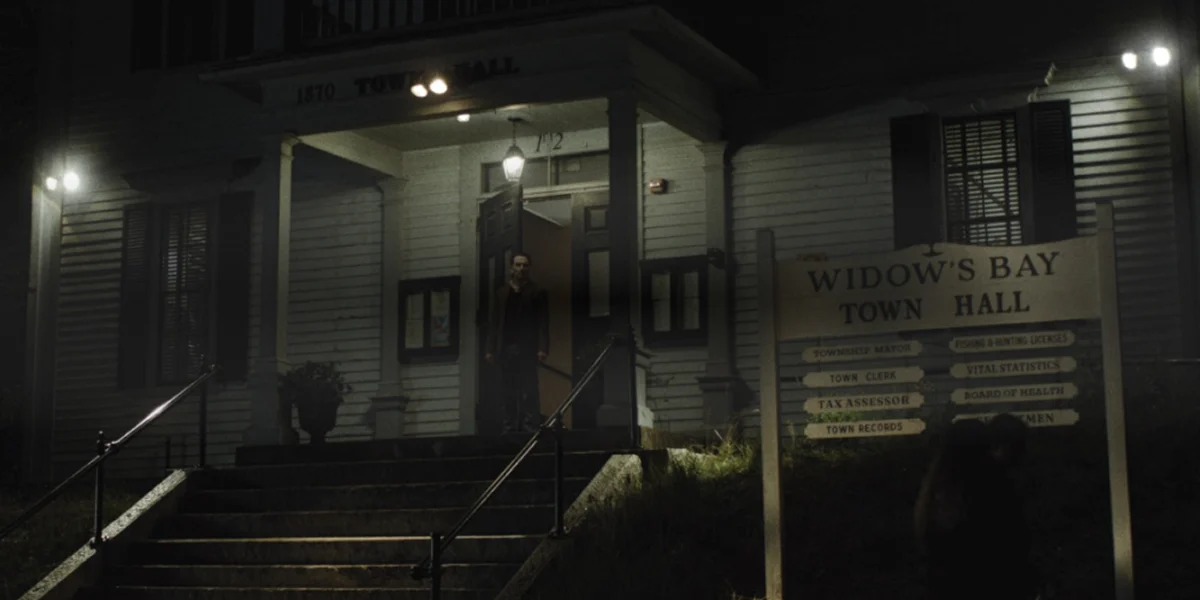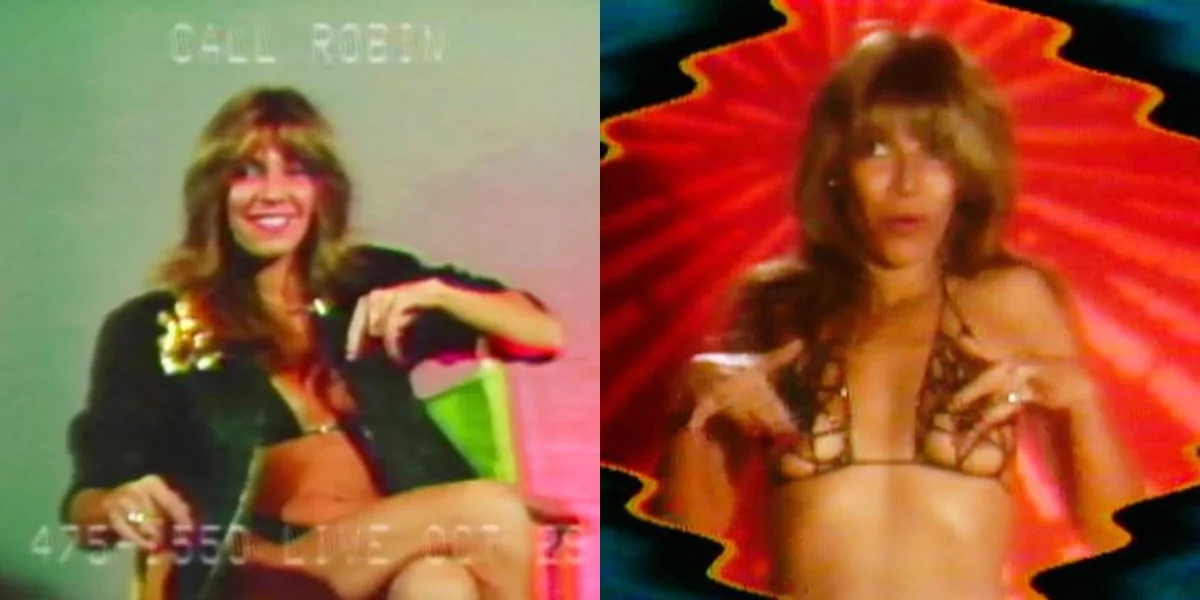
The American Horror Story franchise, a cornerstone of modern television horror, is poised to mark its 15th anniversary with the debut of its thirteenth installment, titled American Horror Story: 13. Since its inception in 2011 with the premiere of Murder House, the anthology series has fundamentally altered the landscape of television, moving from a niche genre experiment to a sprawling cultural phenomenon. As the series approaches its September 24th premiere, production details have confirmed a significant shift in scope, characterized by the return of foundational cast members and a narrative structure that leans heavily into the show’s storied history.
A Chronology of Horror: The Legacy of Ryan Murphy’s Anthology
The success of American Horror Story is largely attributed to its unique format, which, at the time of its debut, defied the conventions of long-form television storytelling. By reinventing itself annually with new settings, themes, and character sets, the show established a modular narrative style that allowed for consistent experimentation.
The timeline of the series began in 2011 with the critical and commercial success of Murder House. Following this, the show achieved peak cultural saturation with Asylum (2012) and Coven (2013), the latter of which remains one of the highest-rated seasons in the franchise’s history. Throughout its tenure, the series has served as a platform for a wide array of talent, bridging the gap between prestige acting and pop culture iconography. Notably, the franchise has consistently highlighted LGBTQ+ narratives and performers, with individuals such as Sarah Paulson, Lady Gaga, and Angelica Ross playing pivotal roles in establishing the show’s inclusive ethos.
Production and Casting Dynamics for Season 13
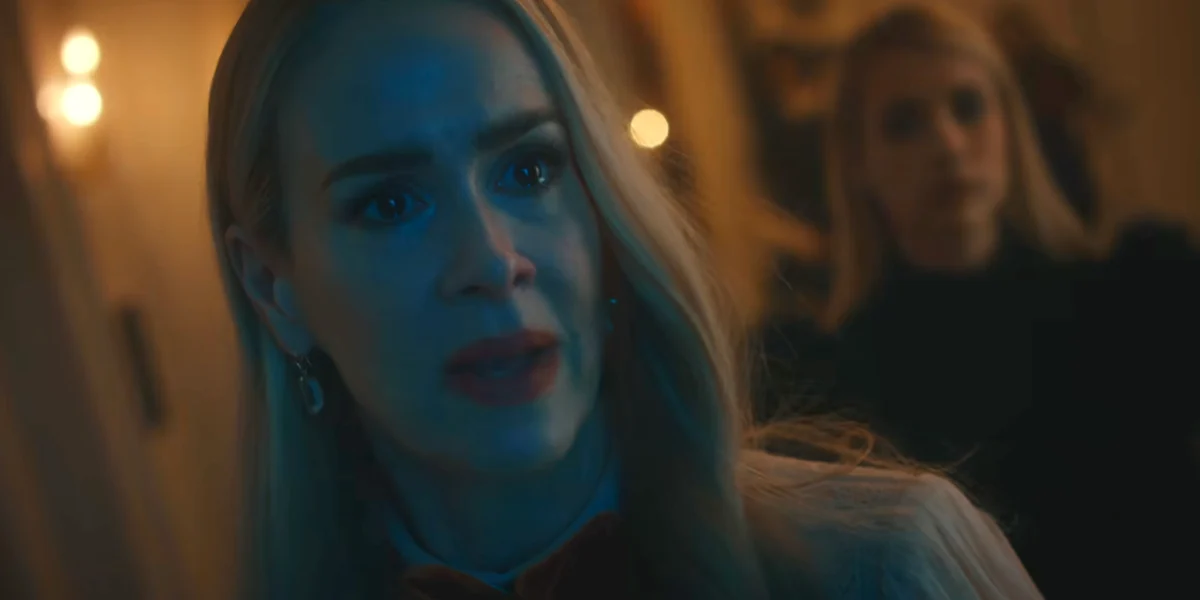
The production of the thirteenth season is marked by an ambitious casting strategy that seeks to consolidate the series’ history. Perhaps most notable is the return of Sarah Paulson, whose involvement spans ten of the thirteen seasons. Reports indicate that Paulson will portray six distinct characters within this upcoming narrative, a technical feat that underscores the complex, multi-layered approach production is taking to celebrate the anniversary.
Furthermore, the return of Jessica Lange has been confirmed. Lange, who famously departed the series after Freak Show (2014) and had previously stated she would not return, has been re-integrated into the narrative. Her inclusion is framed as a hybrid performance, incorporating elements of the four distinct characters she portrayed during her initial tenure. This strategy of "character convergence" is intended to serve as a retrospective for long-term viewers, though it presents a significant challenge in narrative coherence. New additions to the cast, including comedian and actress Tig Notaro, suggest an effort to diversify the tonal range of the upcoming season.
Analytical Overview of Franchise Performance
The trajectory of American Horror Story has been marked by periods of high critical acclaim followed by phases of audience attrition. Data regarding viewer retention indicates that while the early seasons—Murder House through Hotel—sustained consistent viewership, later installments such as Roanoke, Apocalypse, and 1984 experienced fluctuations in audience engagement.
The decision to lean into established "AHS lore" for the thirteenth season appears to be a calculated response to this viewership data. By providing a curated "rewatch list" of 13 foundational episodes, the production team is actively encouraging viewers to contextualize the new season within the framework of the series’ most successful narrative arcs. This strategy serves two purposes: it lowers the barrier to entry for casual viewers and rewards the loyalty of the core fanbase that has followed the series since its inception.
Industry Impact and Broader Cultural Context
The release of American Horror Story: 13 arrives at a moment of transition for the horror genre in television. The show’s influence can be seen in the proliferation of anthology-style programming that dominates streaming platforms today. Its ability to attract A-list celebrities—from Kim Kardashian’s recent involvement to the recurring presence of theater veterans like Patti LuPone—has solidified the franchise as a permanent fixture in the Hollywood ecosystem.
Beyond the specific mechanics of the show, the broader landscape of television content continues to shift toward serialized, nostalgia-driven programming. The integration of established characters into new arcs is a common industry tactic, yet the scale of this particular endeavor is unprecedented for the American Horror Story franchise. Whether this serves as a cohesive finale or a sprawling, complex expansion remains to be seen, but the production’s reliance on legacy cast members suggests an attempt to reclaim the cultural relevance the series enjoyed during its formative years.
Supporting News and Industry Developments
The entertainment sector continues to reflect a trend of revisiting established intellectual property while fostering new narratives within the horror and thriller genres. The following updates highlight the current landscape of the industry:
- Genre Expansion: The crime dramedy R.J. Decker has announced the inclusion of Sasheer Zamata in its second season, contributing to the ongoing diversification of procedural narratives.
- Haunted Media Trends: HGTV has entered the supernatural genre with the debut of A Very Haunted Renovation, a series that blends home design with paranormal themes, premiering September 15th.
- Identity and Representation: Public discourse regarding identity continues to evolve within the industry, as evidenced by Gillian Anderson’s recent disclosure regarding her pansexual identity, further normalizing these conversations in mainstream media.
- True Crime Adaptations: The Netflix series Monster is shifting its focus to the historical figure Lizzie Borden. This adaptation represents a continued industry interest in the intersection of true crime and queer historical subtext.
- Theater-to-Film Transitions: The adaptation of the one-woman play Prima Facie, starring Cynthia Erivo, reflects the ongoing trend of moving successful theatrical productions into the cinematic sphere.
- Athletic and Personal Milestones: Megan Rapinoe’s recent reflections on her career transition mirror a broader trend of high-profile athletes pivoting toward personal advocacy and media production.
- Literary Success: The continued expansion of Emily St. John Mandel’s "Mandelverse" highlights the growing power of literary franchises in shaping contemporary speculative fiction.
- Rising Talent: The recognition of Kai Schreiber as the first transgender model to win Breakthrough Model of the Year at New York Fashion Week marks a significant milestone in fashion industry representation.
- Award Recognition: The recent results of the Autostraddle TV Awards underscore the importance of niche, community-driven recognition in a landscape often dominated by traditional major industry awards, such as the Emmys.
Conclusion and Future Outlook
As the finale for American Horror Story: 13 is slated to air on the Thursday preceding Halloween, the show remains deeply tethered to the "spooky season" marketing cycle. The success of this season will likely be measured by its ability to balance the complex, multi-character performances of its veteran cast with a narrative that feels fresh rather than merely retrospective.
For the production team, the objective is twofold: to maintain the high-concept, stylized horror that defined the show’s early years, and to successfully integrate a vast web of past character arcs into a cohesive whole. Whether the thirteenth season proves to be a return to form or a departure from the series’ core strengths will be the primary subject of critical and audience discourse once the first episode airs on September 24th. The sheer density of returning talent, combined with the structural complexity of the season, suggests that American Horror Story: 13 will be a defining moment in the franchise’s decade-and-a-half-long history.