
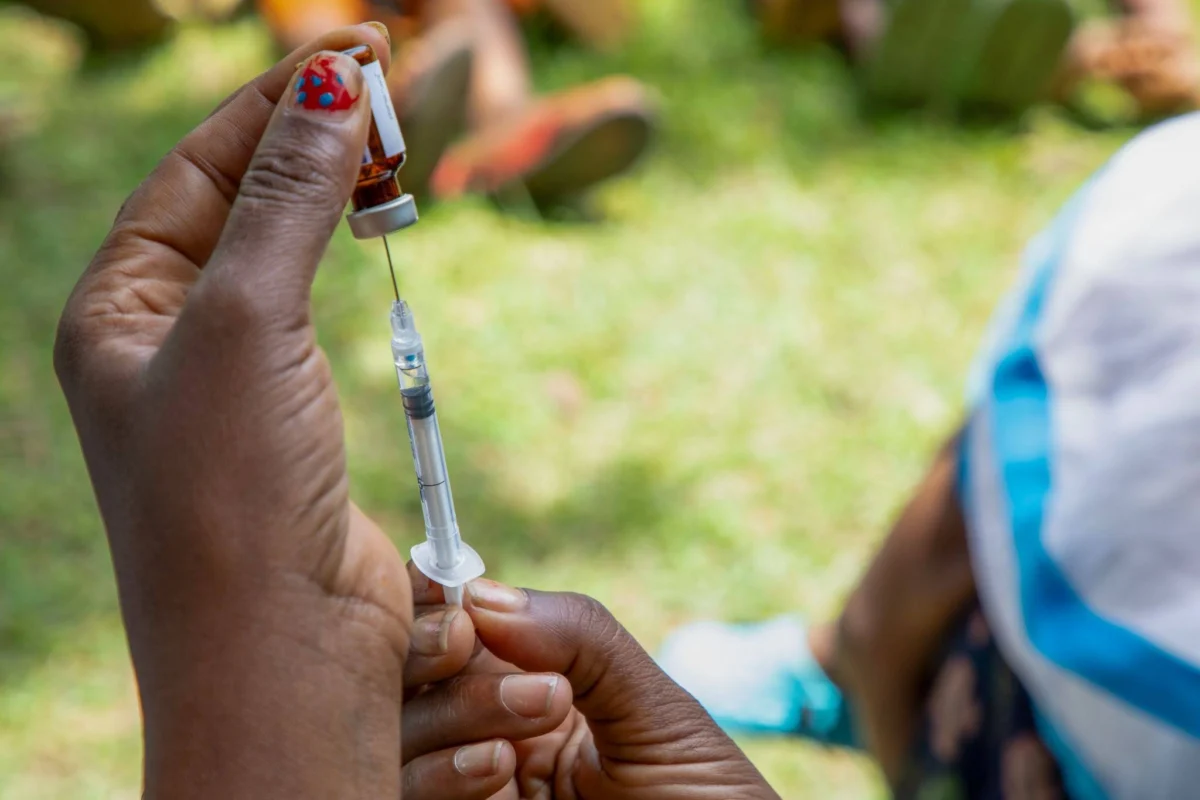
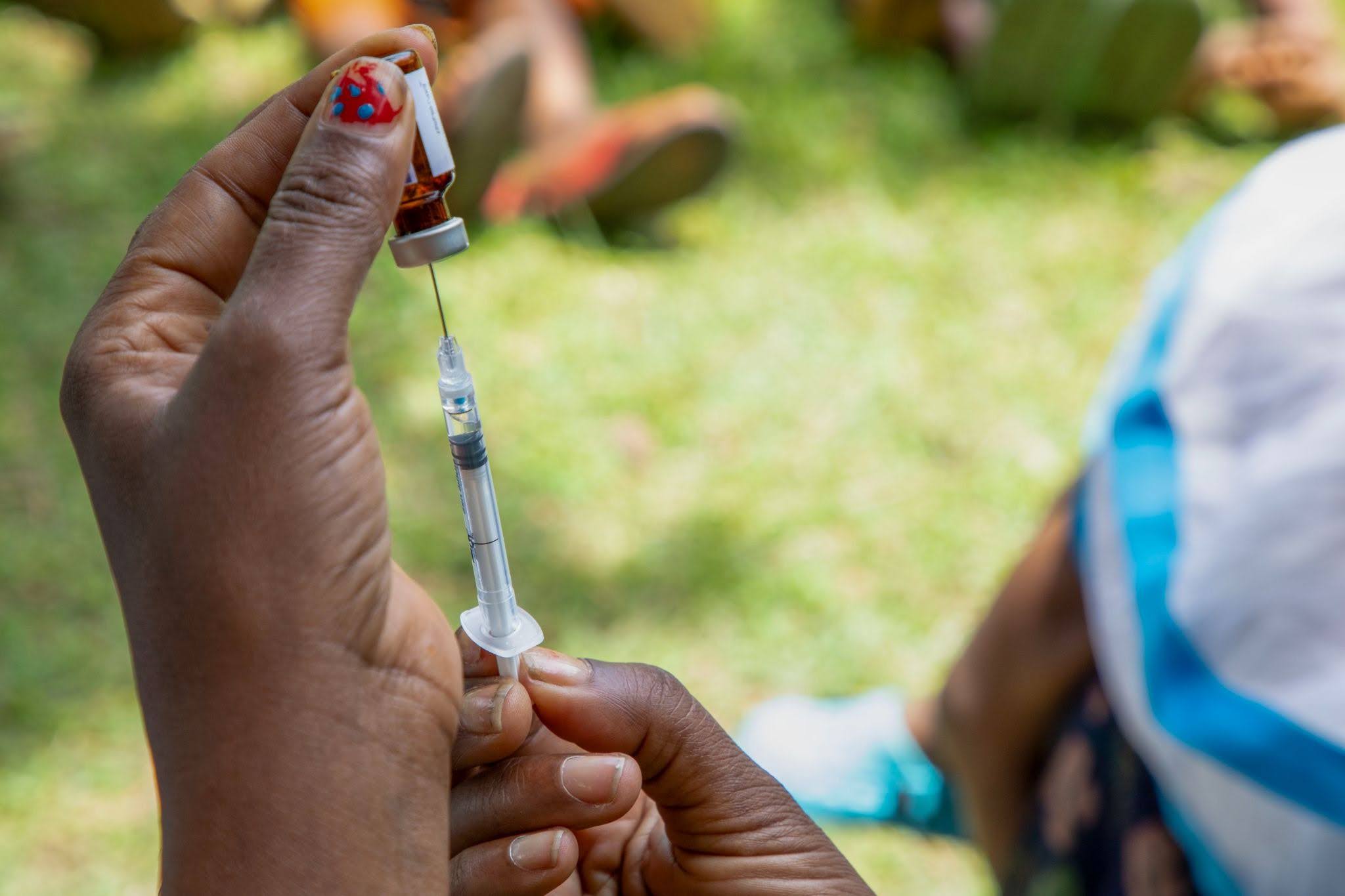
Globally, the integrity of vaccine supply chains remains one of the most critical public health vulnerabilities of the twenty-first century. According to international health organizations, billions of vaccine doses are lost annually due to minor, preventable disruptions in the cold chain—the temperature-controlled supply chain essential for maintaining vaccine potency from the point of manufacture to the point of administration. In developing nations, where rapid urbanization, shifting demographic landscapes, and infrastructural strain often collide, the challenge of preserving life-saving immunizations is magnified exponentially. Over the past year, however, a transformative public health initiative in Ethiopia has demonstrated that purchasing and installing state-of-the-art cold rooms is only the first step. The true measure of a resilient healthcare system lies in its enduring capacity to maintain, manage, and independently adapt that infrastructure over time.
Through a strategic partnership between JSI—a global public health organization dedicated to strengthening health systems—the Ethiopian Ministry of Health, and the Ethiopian Pharmaceutical Supply Service (EPSS), Ethiopia has fundamentally redefined its approach to cold chain management. Rather than treating logistical upgrades as mere mechanical tasks contracted out to external entities, the collaborative effort deliberately turned infrastructure improvements into rigorous training grounds. By embedding technical mentorship, hands-on co-execution, and policy formulation into the very fabric of facility relocations across three major regional hubs, the initiative has laid the groundwork for a sustainable, self-reliant national supply chain legacy that protects millions of citizens.
Background Context: The Demographic Pressures and Infrastructural Realities of Ethiopia’s Public Health Grid
To understand the magnitude of the recent transformations across Ethiopia’s pharmaceutical distribution network, one must examine the broader operational landscape. Ethiopia, Africa’s second-most populous nation, faces immense logistical challenges in delivering equitable healthcare to its growing population of over 120 million people. Rapid urban development, geographic barriers, and shifting regional demographics place unprecedented strain on regional medical stores, known as hubs, which serve as the lifelines for immunization programs, maternal and child health initiatives, and emergency response logistics.
Historically, regional hubs across Ethiopia operated under infrastructure designed decades prior, long before the current scale of immunization campaigns and temperature-sensitive pharmaceutical demands took shape. Disjointed warehouse layouts, scattered cold storage units, and legacy equipment often forced facility operators to manage complex inventories under suboptimal conditions. When municipal development projects, road expansions, or urban restructuring forced the relocation of vital medical stores, the risks to the cold chain—and by extension, to vaccine potency—were exceptionally high.
Recognizing that external technical assistance provides only a temporary fix, JSI and the EPSS pivoted toward a transformative capacity-strengthening model over the past twelve months. The core philosophy of this initiative was "teaching while doing." By actively involving local biomedical engineers, warehouse managers, and cold chain technicians in every phase of complex logistical overhauls, the partnership sought to transform local technical personnel from passive participants into confident, autonomous experts capable of managing future infrastructural challenges without external intervention.
Chronology and Execution: Modernizing Three Critical Regional Hubs
The year-long capacity-building campaign unfolded across three strategically vital regional hubs: Mekelle in the north, Hawassa in the south, and Addis Ababa in the capital. Each site presented distinct engineering challenges, geographical constraints, and operational bottlenecks, providing a progressive curriculum for the local technical workforce.
The Mekelle Hub: Streamlining Northern Operations
The initiative began its intensive phase at the EPSS Mekelle hub, a critical logistical node serving more than seven million people across northern Ethiopia. An initial comprehensive assessment revealed that operational inefficiencies at the facility were predominantly driven by scattered equipment. Vital cold storage infrastructure—specifically two walk-in cold rooms and one freezer room—was fragmented across different operational zones within the warehouse footprint.
This spatial fragmentation not only slowed down daily picking and packing workflows but also increased the vulnerability of temperature-sensitive commodities during internal transfers. EPSS leadership, working alongside JSI mentors, undertook a complete reorganization of the facility. Technicians were directly engaged in the delicate processes of dismantling, safely transporting, and recommissioning the heavy industrial cold rooms into a centralized space.
This meticulous planning and co-execution served as an intensive technical demonstration. By physically handling the intricate components of the refrigeration machinery, local staff gained a profound, practical understanding of how industrial cold rooms function, laying the foundation for more complex engineering tasks ahead.
The Hawassa Hub: Navigating Complex Geographical Constraints
Following the success in Mekelle, the partnership tackled a significantly more complex relocation at the Hawassa storage facility, a vital logistical anchor serving more than ten million people in southern Ethiopia. Unlike the internal optimization seen in Mekelle, the Hawassa project was driven by external environmental factors: a government-sponsored road corridor development project required the urgent, uncompromised relocation of two large walk-in cold rooms.
The stakes were remarkably high. The project required the seamless physical relocation of 150 cubic meters of active cold storage to an entirely new site without causing a single hour of downtime that could compromise vaccine potency or violate strict international cold chain standards.
Under this pressure, EPSS technicians took the operational lead. Working under the close coaching and mentorship of JSI specialists, local staff successfully troubleshot complex electrical, mechanical, and spatial challenges. The successful execution of the Hawassa relocation proved that EPSS leadership could direct major warehousing shifts dictated by urban planning and geographic constraints while maintaining absolute adherence to quality assurance protocols.
The Addis Hub: Peak Technical Mastery and Rapid Consolidation
The culmination of the year-long initiative took place at Addis Ababa Hub 1, the nation’s largest sub-national vaccine store, which supports a staggering catchment population of 15 million people. Prior to the intervention, the facility’s layout was severely compromised: five walk-in cold rooms and one freezer room were scattered across three entirely separate warehouses.
The structural design of the facility forced warehouse staff to manually transport sensitive biological items across open-air loading floors. During peak daylight hours, ambient temperatures in these transitional corridors frequently climbed to a dangerous 38°C, pushing the limits of standard packaging and threatening the stability of vital vaccines.
To resolve this critical vulnerability, JSI and EPSS orchestrated the consolidation of all five cold rooms and the freezer room into a single, integrated, thermally optimized warehouse facility. Notably, this phase showcased the full maturation of the local workforce. EPSS cold chain technicians took complete, independent leadership of the project. Within a matter of weeks, the local team successfully dismantled, transported, reassembled, and calibrated the massive cold storage complex.
The flawless execution of the Addis Ababa relocation—completed in a fraction of the time typically required for such industrial undertakings—served as the ultimate stress test for the technicians. It validated the cumulative learning model, proving that iterative, hands-on experience across multiple consecutive projects could rapidly elevate novice technicians into elite, self-sufficient system operators.
Supporting Data and Quantitative Impact
While the qualitative transformation of the workforce is undeniable, the logistical and financial implications of these interventions are underscored by significant performance metrics:
- Catchment Population Reach: The three upgraded hubs collectively safeguard the vaccine supply and essential health commodities for more than 32 million people across Ethiopia.
- Storage Volume Relocated and Optimized: At Hawassa alone, 150 cubic meters of high-capacity cold storage was safely transitioned to a new site with zero cold chain breaches.
- Scale of Consolidation: At Addis Ababa Hub 1, five walk-in cold rooms and one freezer unit were successfully unified from three disparate locations into a single, thermally controlled environment.
- Temperature Mitigation: Indoor transit exposure risks, which previously saw ambient temperatures spike to 38°C, were effectively eliminated through facility integration and architectural streamlining.
- Timeline Efficiency: The complex consolidation at the nation’s largest sub-national vaccine store was executed entirely by local technicians within a span of just a few weeks.
Official Perspectives and Institutional Reactions
Although specific individual quotations from ministry officials reflect an operational environment of quiet determination rather than ceremonial fanfare, the institutional response from both the Ethiopian Ministry of Health and EPSS highlights a profound shift in national strategy.
Public health analysts observing the Horn of Africa note that international aid projects historically suffer from the "projectization" trap—where foreign contractors build infrastructure that eventually falls into disrepair once external funding ceases and local technicians lack specialized maintenance skills. By flipping this traditional paradigm, the JSI-EPSS partnership has been widely praised within regional health circles as a masterclass in sustainability.
"When you teach a workforce by making them the primary actors in high-stakes infrastructural overhauls, you eliminate the dependency cycle," noted a regional health logistics advisor not directly affiliated with the project. "Ethiopia has not merely moved boxes and refrigerators; they have institutionalized technical confidence at the sub-national level."
Broader Implications: Building a Sustainable Legacy and National Protocol
The ultimate success of the year-long initiative extends far beyond the physical boundaries of the Mekelle, Hawassa, and Addis Ababa warehouses. The most enduring legacy of the collaboration lies in its deliberate transition from practical fieldwork to national policy formulation.
Recognizing that individual project success must be codified to protect future investments, the Ministry of Health and EPSS are actively translating the lessons learned from these field experiences into formal national protocols. By documenting the step-by-step methodologies used during the relocations and consolidations, Ethiopia is establishing standardized operating procedures for cold chain management that will govern future infrastructural developments nationwide.
This policy integration ensures that the capacity built over the past year is not an isolated success, but a permanent pillar of the national health system. As climate change increases ambient temperatures globally and demographic shifts demand ever-greater agility from supply chains, Ethiopia’s proactive, capacity-driven model offers a compelling blueprint for low- and middle-income countries striving to build resilient healthcare infrastructure from the ground up. Through intentional mentorship, iterative technical training, and unwavering local leadership, the nation has transformed its cold chain vulnerabilities into a shining example of sustainable self-reliance.




