
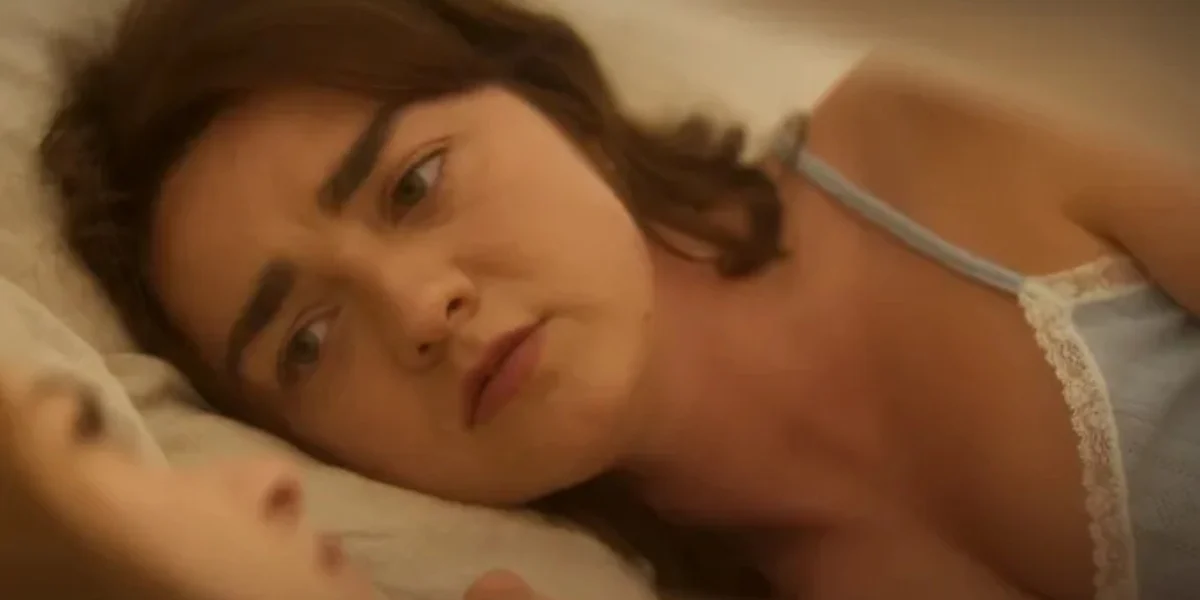
The release of Practical Magic 2, the highly anticipated sequel to the 1998 cult classic, has sparked a significant industry debate regarding the adaptation of source material and the representation of LGBTQ+ characters. Central to this discourse is the portrayal of Antonia Owens, the daughter of the protagonist Sally Owens. In Alice Hoffman’s original novel, the character of Antonia is explicitly identified as a lesbian. However, in the final theatrical cut of the 2026 film adaptation, this aspect of her identity remains ambiguous, prompting criticism from fans and advocates who argue that the film missed an opportunity to provide authentic queer representation within a narrative framework that has long been embraced by the community.
The Discrepancy Between Source Material and Screen Adaptation
The decision to omit explicit confirmation of Antonia’s sexuality follows a pattern observed in several high-profile literary-to-film adaptations. Throughout the history of cinema, studios have frequently opted to neutralize or excise queer subplots, often citing concerns regarding international box office viability, demographic appeal, or tonal consistency.
In the case of Practical Magic 2, lead actress Maisie Williams has publicly stated that she approached the role with a deep understanding of the source material. During the film’s press tour, Williams clarified that she performed the character with the internal perspective of a "sapphic icon," intending to imbue the performance with a distinct emotional nuance. According to Williams, this creative choice informed the character’s unique perspective on romantic relationships and family dynamics, separating her experiences from those of the other women in the Owens lineage. Despite these performance choices, the final edit of the film does not definitively confirm the character’s orientation, leaving the narrative arc of the book significantly altered.
A History of Sanitized Adaptations
The omission in Practical Magic 2 is not an isolated incident. Media critics often point to a historical trend where queer narratives are systematically softened for broader audiences. Notable examples include the adaptation of Fannie Flagg’s Fried Green Tomatoes, where the explicitly romantic relationship between Idgie Threadgoode and Ruth Jamison was reduced to a subtextual friendship. Similarly, the 1985 film adaptation of Alice Walker’s The Color Purple significantly minimized the romantic bond between Celie and Shug Avery compared to the depth of their relationship in the novel.
This phenomenon extends to the realm of comic book adaptations, where characters established as LGBTQ+ in print are frequently depicted as heterosexual in their cinematic iterations. Data from organizations such as GLAAD (Gay & Lesbian Alliance Against Defamation) consistently track these discrepancies, highlighting that while the number of queer characters in film has trended upward over the last decade, the quality, screen time, and narrative agency of these characters often remain subject to studio-level censorship or "queerbaiting," where subtle hints are provided to attract queer audiences without committing to a full narrative arc.
The Economic and Cultural Calculus of Studios
The reluctance to include explicit LGBTQ+ content is often attributed to the "money men" of the film industry—the studio executives and investors who determine the risk-to-reward ratio of major productions. With global distribution often being the primary goal for blockbuster films, studios frequently fear that certain content may lead to bans or restricted ratings in markets with conservative censorship laws.
However, industry analysts note that this approach may be increasingly shortsighted. Research into Gen Z and Millennial consumer habits suggests a strong correlation between inclusive storytelling and brand loyalty. According to a 2025 study by the Geena Davis Institute on Gender in Media, films that feature diverse and authentic representation consistently outperform those that do not, as audiences demonstrate a growing preference for narratives that reflect the complexity of contemporary society. By sanitizing characters like Antonia Owens, studios risk alienating a dedicated fanbase that specifically engages with the "witchy" subgenre due to its historical resonance with queer themes of non-conformity and empowerment.
Future Prospects and Creative Potential
Despite the disappointment regarding the current sequel, there is potential for a shift in future installments. Sandra Bullock, who has been integral to the franchise’s development, has indicated that discussions regarding a third film are underway. This prospective sequel is slated to focus on the next generation of the Owens family, specifically centering on the dynamic between Antonia and her cousin Kylie, played by Joey King.
The possibility of a third installment provides a potential avenue for rectifying the narrative trajectory of the characters. Should the production team opt for a more faithful adaptation of the source material in the next chapter, it could serve as a case study for how legacy franchises can evolve to meet modern standards of inclusivity.
Broader Industry Developments in Queer Representation
The conversation surrounding Practical Magic 2 coincides with several other developments in the entertainment landscape that underscore the ongoing integration and occasional erasure of queer stories:
- Broadway and Theater: Rosie O’Donnell has been confirmed to take over the role of Dr. Frank-N-Furter in a two-week run of The Rocky Horror Show, continuing the show’s long legacy of queer performance.
- Television Narratives: The third season finale of the series Lioness marked the return of a significant queer character who had been absent since the inaugural season, signaling a return to established character arcs.
- Gaming and Animation: The recent release of the Wolverine game for the PlayStation 5 has been noted for its inclusion of a wife for the character Mystique, a move that has been largely welcomed by the gaming community as a step toward normalizing LGBTQ+ relationships in high-budget interactive media.
- Reality and Competition Television: While representation is increasing, it remains fragile. The recent elimination of a two-woman team on Dancing with the Stars—featuring bisexual model Sarah Jane Nader—highlights the ephemeral nature of queer presence in reality television, where contestants are subject to the same competitive pressures as their straight counterparts, sometimes resulting in short-lived visibility.
- Literary Adaptations: The ongoing debate regarding projects like Monster: The Lizzie Borden Story continues to illustrate the tension between creative license and the responsibility to handle queer history with accuracy, as critics question whether adaptations should prioritize shock value or authentic representation of the historical figures’ sexuality.
Conclusion
The case of Practical Magic 2 serves as a pertinent example of the tensions currently existing within Hollywood. While performers like Maisie Williams advocate for depth and nuance in their portrayals, the final editorial decisions made by production studios continue to influence how queer identities are perceived by mass audiences. As the industry looks toward future projects, the demand for clear, unapologetic, and consistent LGBTQ+ representation remains a significant driver for both critical success and audience engagement. Whether the franchise will embrace this in its next iteration remains to be seen, but the discourse surrounding the current film confirms that audiences are increasingly attentive to the distinction between subtext and substance.




