
Months after a catastrophic flash flood swept through vulnerable regions of Nepal on August 26, the long-term ramifications of the disaster continue to reverberate across isolated mountain communities. The disaster, which wreaked havoc on local infrastructure, homes, and fragile ecosystems, has placed a spotlight on the disproportionate impacts of climate change on Indigenous populations. As local organizations strive to coordinate relief efforts, international advocacy groups are stepping in to support Indigenous-led recovery initiatives, even as systemic vulnerabilities and questions of global climate accountability take center stage.
The August 26 flash flood struck with sudden and devastating force, catching remote communities largely off guard and triggering cascading infrastructure failures. In the Dhunche district headquarters of Rasuwa and along the Bhotekoshi river basin, the raging waters tore through roads, bridges, and local power grids. The immediate aftermath was characterized by profound isolation, as survivors found themselves cut off from essential services, emergency rescue operations, and basic communication channels.
The breakdown of communication proved to be one of the most debilitating hurdles in the early hours and days following the disaster. Local FM radio stations, which traditionally serve as the primary lifeline for disseminating emergency warnings and rescue updates, were abruptly silenced. Dipak Lama, a station manager based in Rasuwa, recounted the critical moments when the disaster unfolded.
“On the very same morning, we had information from the police about the flood, and we were in the middle of sharing information through the radio, but the electricity went off, as the electricity office was destroyed by then,” Lama explained.
Without adequate battery backups, solar-power integrations, or off-grid infrastructure, radio broadcasters struggled to relay vital life-saving instructions regarding safe evacuation routes, medical assistance, and food distribution. This digital and physical blackout underscored the precarious state of rural infrastructure in Nepal’s high-altitude regions, leaving marginalized communities to navigate crises with minimal institutional support.
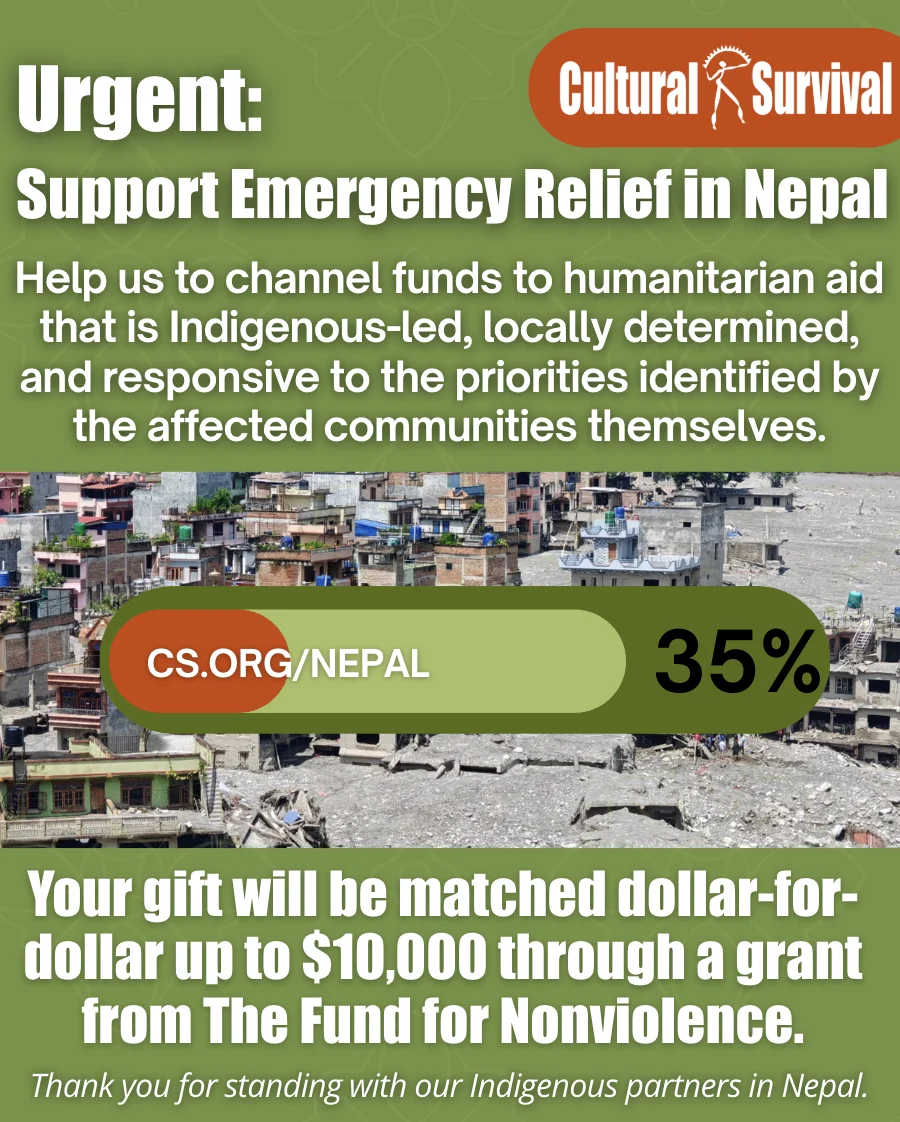
In response to the unfolding humanitarian crisis, non-profit organizations such as Cultural Survival have mobilized to channel critical resources directly to Indigenous-led networks on the ground. Recognizing the urgency of locally determined aid, philanthropic entities have stepped forward to amplify donor contributions. Notably, a grant from The Fund for Nonviolence has established a matching program, doubling donor gifts dollar-for-dollar up to $10,000. These funds are specifically earmarked to support Indigenous communities whose livelihoods, ancestral territories, and intricate cultural systems remain under severe threat from environmental degradation and extreme weather events.
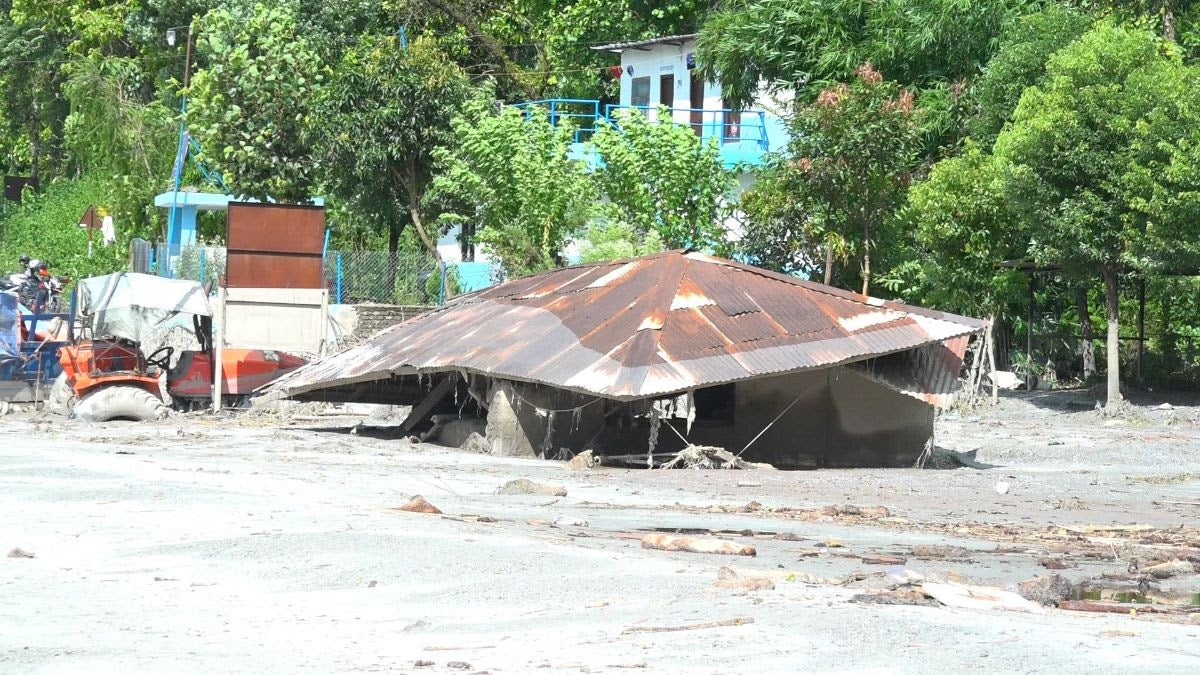
While immediate humanitarian relief remains the priority, the disaster has catalyzed intense debate among policymakers, environmental scientists, and human rights advocates regarding the root causes of the catastrophe. Experts have definitively categorized the Bhotekoshi disaster as a textbook example of a climate-induced emergency.
Dr. Maheshwar Dhakal, Head of the Climate Change Management Division under Nepal’s Ministry of Agriculture, Forestry, and Environment, did not mince words when addressing the systemic inequities of the disaster. Dr. Dhakal pointed out the stark asymmetry between Nepal’s negligible contribution to global greenhouse gas emissions and the catastrophic human and economic toll it bears as a consequence.
“The loss of life and property we suffered in the Bhote Koshi flood is purely a climate-induced disaster,” Dr. Dhakal stated, emphasizing that industrialized nations continue to emit vast quantities of carbon while Nepal accounts for less than 0.1 percent of global greenhouse gas emissions.
This sentiment aligns with broader frustration across the Global South, where developing nations argue that historical polluters must bear financial and structural responsibility for loss and damage associated with accelerated climate destabilization. Mountainous nations like Nepal are particularly sensitive to atmospheric warming, which drives accelerated glacial melting, unpredictable monsoon patterns, and catastrophic downstream flooding.
Beyond the immediate meteorological factors, Indigenous Peoples’ rights activists and environmental scientists are examining how poorly regulated infrastructure and commercial development projects have exacerbated local vulnerabilities. For years, rapid industrialization, the construction of poorly planned hydroelectric dams, and heavy development along fragile river corridors have destabilized Himalayan slopes.
In the wake of the August 26 disaster, Indigenous leaders and grassroots organizations are aggressively pushing for a paradigm shift in how disaster response and climate adaptation strategies are formulated. A cornerstone of this advocacy is the enforcement of the principle of Free, Prior, and Informed Consent (FPIC) regarding any development projects proposed within ancestral territories. Furthermore, activists are calling for the institutional protection of traditional ecological knowledge. Indigenous management systems—which historically prioritized forest preservation, biodiversity, soil conservation, and sustainable land-use practices—are increasingly viewed by scientists as critical buffers against landslides, soil erosion, and flash flooding.
As recovery efforts slog forward, the crisis in Nepal serves as a sobering reminder of the interconnected nature of global climate policy, local infrastructure resilience, and Indigenous rights. The road to recovery for the communities along the Bhotekoshi basin will be long and arduous, requiring sustained international solidarity, targeted financial aid, and a systemic rethinking of how vulnerable populations are protected against the escalating threats of a changing global climate.




