
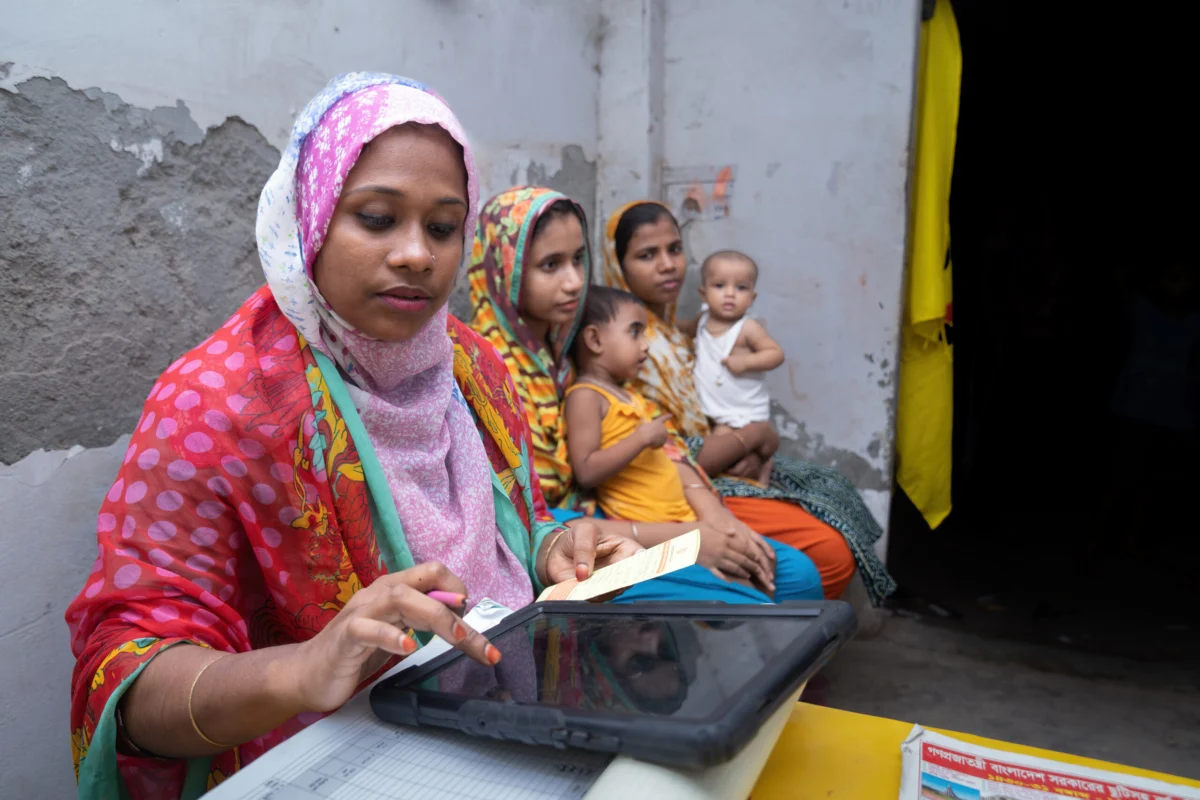
Reaching the world’s most vulnerable children with life-saving immunizations has long presented one of the most stubborn challenges in global public health. Millions of infants grow up either completely un-vaccinated—known in the sector as "zero-dose" children—or critically under-immunized. These populations are rarely distributed evenly across nations; instead, they are heavily concentrated in marginalized pockets defined by severe geographic isolation, persistent service delivery gaps, structural financial constraints, and an acute lack of timely, reliable local data. Overcoming these deep-seated barriers requires far more than high-level national coverage estimates. It demands granular, practical evidence, localized policy adaptation, and dynamic technical support precisely calibrated to real-world country environments.
For the past several years, a concerted global effort has worked to bridge this critical information divide. Through a multi-year initiative spanning from 2022 through 2026, public health organizations have sought to systematically identify why specific communities are left behind and how health programs can rapidly pivot toward evidence-driven action. At the center of this movement has been JSI, serving as the global learning partner for the Gavi-funded Zero-Dose Learning Hub (ZDLH). Working alongside key consortium partners—including the International Institute of Health Management Research and The Geneva Learning Foundation—JSI orchestrated a groundbreaking network designed to turn ground-level findings into universally applicable public health strategies.
The Origins and Evolution of the Zero-Dose Learning Hub
The genesis of the ZDLH traces back to the strategic imperative of addressing persistent immunization inequities that survived decades of national-level vaccination campaigns. Recognizing that top-down directives often failed to capture localized realities, Gavi designed the ZDLH around an innovative hub-and-spoke learning model.
In this structure, Country Learning Hubs were established in four high-burden nations: Bangladesh, Mali, Nigeria, and Uganda. These national hubs were tasked with generating, synthesizing, and applying rigorous programmatic data with a heavy emphasis on subnational learning. Simultaneously, at the global level, JSI and its consortium partners provided high-level technical assistance, evidence synthesis, knowledge translation, and cross-country facilitation.
Rather than operating as a one-way street where global authorities dictated local strategy, the ZDLH functioned through a bidirectional flow of evidence. The daily operational experiences, localized questions, and regulatory constraints identified by country teams actively shaped the global learning agenda. When fieldworkers in Nigeria or Uganda encountered unexpected resistance during household surveys, those realities immediately informed the technical resources and methodological guidance developed at the global tier.
The Timeline of Implementation and Learning
The operational lifecycle of the Zero-Dose Learning Hub spanned four critical years of execution, adaptation, and global dissemination:
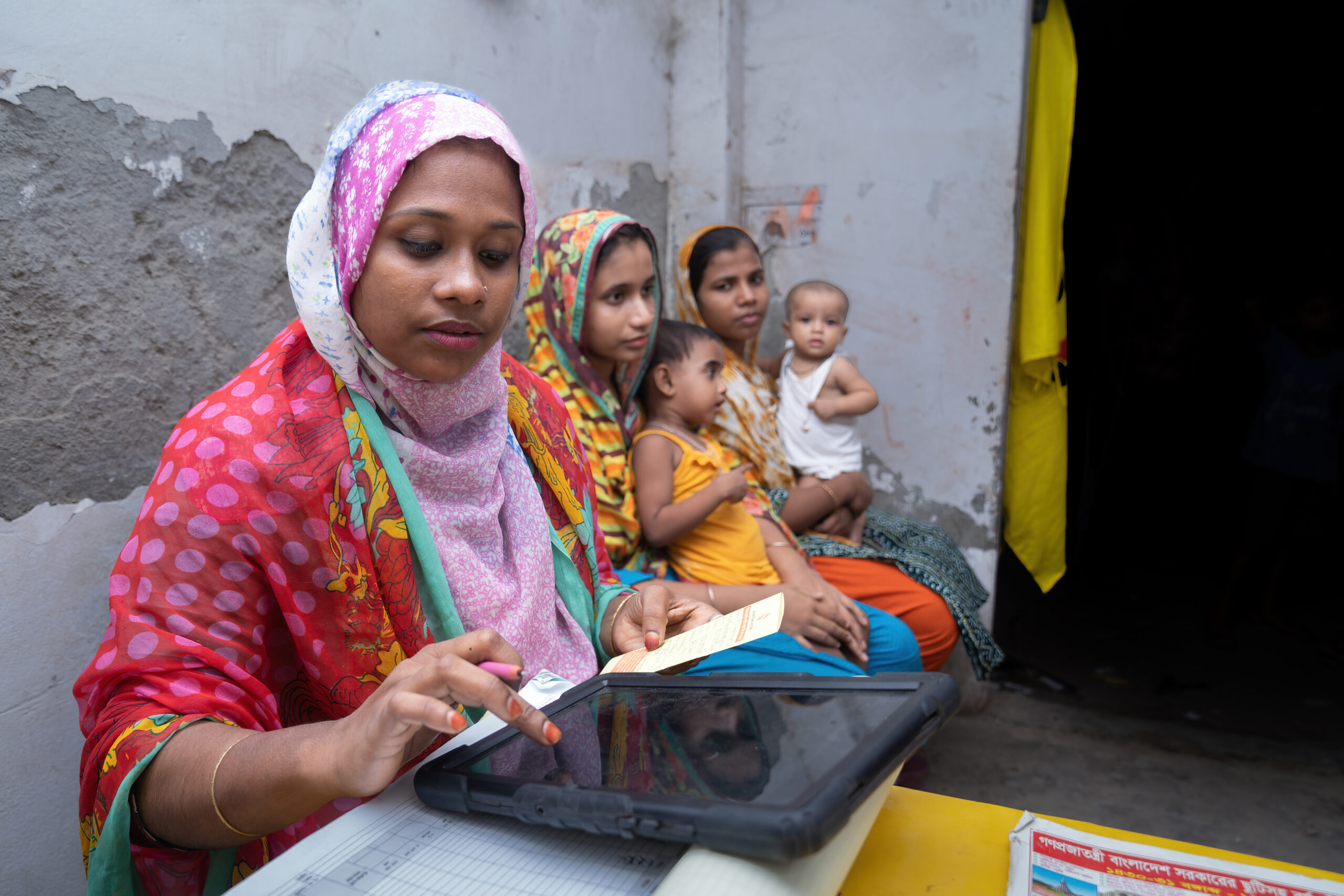
- 2022 (Inception and Setup): The ZDLH consortium officially launched, establishing the institutional frameworks for the four Country Learning Hubs in Bangladesh, Mali, Nigeria, and Uganda. Initial baselines were drawn, and collaborative networks with local health authorities and research institutes were solidified.
- 2023–2024 (Implementation Research and Rapid Assessments): Country teams deployed qualitative and quantitative tools, including focus groups, household surveys, and rapid assessments, to pinpoint the exact socio-economic and geographic barriers preventing children from accessing routine vaccines. Concurrently, JSI rolled out demand-driven technical assistance to address emerging institutional gaps.
- 2025 (Synthesis and Toolkit Development): As implementation data accumulated across the four hubs, recurring operational hurdles were categorized and transformed into robust, standardized global toolkits covering evaluation, costing, decentralized monitoring, and knowledge translation.
- 2026 (Global Dissemination and Institutional Legacy): The initiative formally concludes, leaving behind a permanent repository of open-access methodologies and a proven model for demand-driven technical assistance that can be replicated across broader global health domains.
Demand-Driven Technical Assistance: A Collaborative Paradigm
A defining characteristic of JSI’s role as the global learning partner was its steadfast commitment to demand-driven technical assistance. In traditional international development frameworks, technical assistance often takes the form of a standardized, pre-packaged set of interventions delivered uniformly across disparate regions. JSI rejected this rigid approach, choosing instead to act as an embedded thought partner alongside national country teams.
Technical support was fluidly adapted to the dynamic needs emerging directly from implementation research. When country teams faced complex methodological hurdles in tracking mobile populations or evaluating decentralized interventions, JSI provided tailored operational troubleshooting, rigorous technical reviews, capacity-strengthening workshops, methodological guidance, and continuous mentorship.
This responsive framework established a vital feedback loop. When a specific technical deficit surfaced in a single country, JSI intervened directly to resolve it. However, when strikingly similar challenges emerged independently across multiple countries—such as difficulties in estimating true operational costs or evaluating qualitative programmatic impacts—those recurring pain points served as indicators of broader systemic gaps in global public health guidance. Consequently, JSI converted these localized country-level demands into universally accessible global tools.
Filling Global Gaps: The ZDLH Suite of Technical Resources
The most enduring legacy of the Zero-Dose Learning Hub is its comprehensive suite of toolkits and technical resources. Rather than being conceived as theoretical, stand-alone academic products, these assets were engineered in direct response to the persistent operational constraints identified by Gavi and the Country Learning Hubs.
Theory-Based Evaluation Toolkit
In complex and shifting implementation environments, global health managers are frequently confronted with a difficult reality: knowing whether a program succeeded is only half the battle. They must also understand why it succeeded, under what specific environmental and social conditions it thrived, and what variables shifted along the implementation pathway.
To address this, JSI developed the Theory-Based Evaluation Toolkit. Traditional experimental designs, such as randomized controlled trials, are frequently unfeasible or unethical in fast-moving, decentralized public health emergencies. This toolkit offers program managers a practical, structured approach to strengthening causal logic, making underlying programmatic assumptions explicit, and supporting adaptive learning when conventional experimental frameworks cannot be applied.
Immunization Costing Toolkit
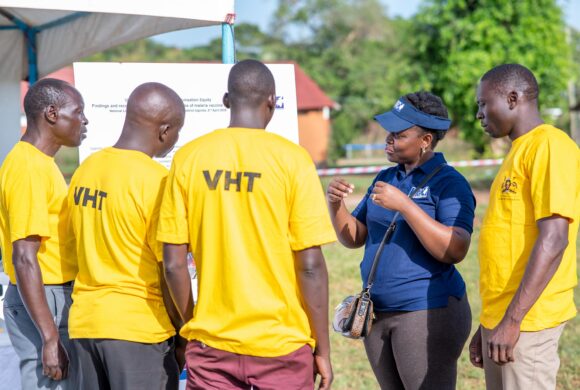
Effective public health planning, rigorous budgeting, high-level advocacy, and sustainable program scale-up all hinge on accurate financial data. Yet, the global evidence base concerning the true costs of reaching zero-dose children has historically been remarkably limited.
JSI’s Costing Toolkit directly confronts this challenge by providing teams with practical, transparent methodologies to estimate incremental retrospective costs. Utilizing a bottom-up, ingredients-based approach, the toolkit enables health ministries and implementing partners to pinpoint exact cost drivers, identify potential operational efficiencies, and flag areas where chronic underfunding threatens to derail vaccination campaigns.
Lot Quality Assurance Sampling (LQAS) Toolkit
National and even district-level vaccination coverage estimates can be dangerously misleading. High aggregate figures often mask acute local vulnerabilities, failing to highlight the specific communities where zero-dose and under-immunized children cluster.
To rectify this blind spot at the decentralized level, JSI developed the Lot Quality Assurance Sampling (LQAS) Toolkit. LQAS empowers local program managers to classify specific supervision areas against established vaccination coverage targets, rapidly identifying where urgent corrective action is required. The toolkit equips supervisors with clear operational guidance, practical examples, standardized templates, decision rules, and step-by-step instructions for embedding LQAS into routine immunization monitoring.
Knowledge Translation Toolkit
Generating robust evidence does not automatically translate into altered policy, refined programming, or improved clinical practice. A persistent chasm has long existed between academic research and actionable public health implementation.
To bridge this gap, JSI created the Knowledge Translation Toolkit, accompanied by specialized measurement guidance. This resource trains implementation teams on how to systematically plan stakeholder engagement, tailor complex scientific messages for diverse decision-makers, and track progress across the entire knowledge translation pathway—spanning dissemination, transmission, acquisition, application, and final impact.
Implications and Broader Application Beyond Immunization
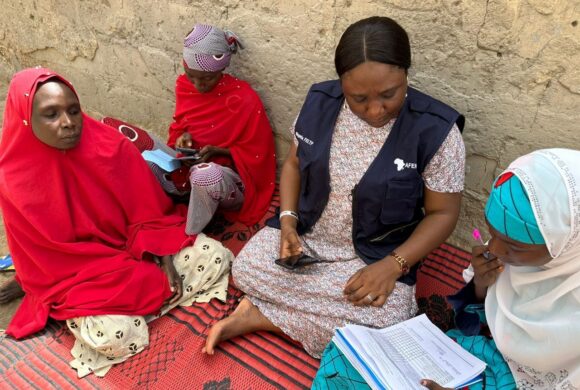
The methodologies forged through the Zero-Dose Learning Hub carry profound implications for the broader landscape of global health. While these toolkits were forged in the fires of immunization programming across Bangladesh, Mali, Nigeria, and Uganda, their underlying architecture addresses universal challenges that plague virtually every public health sector.
Every global health intervention—whether targeting maternal mortality, infectious disease surveillance, nutritional deficiencies, or pandemic preparedness—grapples with the same core operational hurdles: how to evaluate complex, shifting strategies; how to accurately estimate localized costs; how to monitor performance at decentralized, grassroots levels; and how to effectively translate raw data into actionable policy.
By anchoring these resources in practical methods, adaptable templates, and transparent decision-making processes, the ZDLH toolkits transcend their original immunization focus. They offer a blueprint for how international organizations can transform localized technical assistance into reusable global public goods.
Perspectives from the Field and Official Assessments
Public health analysts evaluating the conclusion of the ZDLH in 2026 have pointed to the initiative as a watershed moment for how international funding bodies approach country-led research. Observers note that while data availability in developing nations has vastly improved over the past decade, persistent systemic issues—such as chronic data quality deficits, weak local-level measurement capabilities, and the inability to convert raw coverage statistics into agile operational decisions—have remained stubbornly intact.
As global health financing bodies, including Gavi, look toward their subsequent strategic periods, the ZDLH model provides a proven template. It demonstrates conclusively that global investments yield the highest returns when they prioritize country-led contextualization, enhance financial and programmatic sustainability, and actively listen to the frontline workers closest to the populations they serve.
In official reflections on the program, JSI leadership emphasized that the true measure of the hub’s success extends far beyond published reports or technical repositories. The enduring legacy of the ZDLH lies in a fundamental shift in institutional culture: teaching country teams how to ask better, more incisive questions, utilizing empirical evidence with greater discipline, identifying where global guidance falls short, and constructing practical, homegrown tools that elevate decision-making across diverse health systems.
As the Zero-Dose Learning Hub officially closes its chapter, its core philosophy remains a guiding light for international development: true progress is achieved only when organizations listen first, respond to localized needs with agility, and convert recurring operational challenges into enduring global assets. Through this model, JSI has once again underscored its capacity to bridge the eternal gap between data and learning, learning and action, and localized country experience and global public health practice.




