
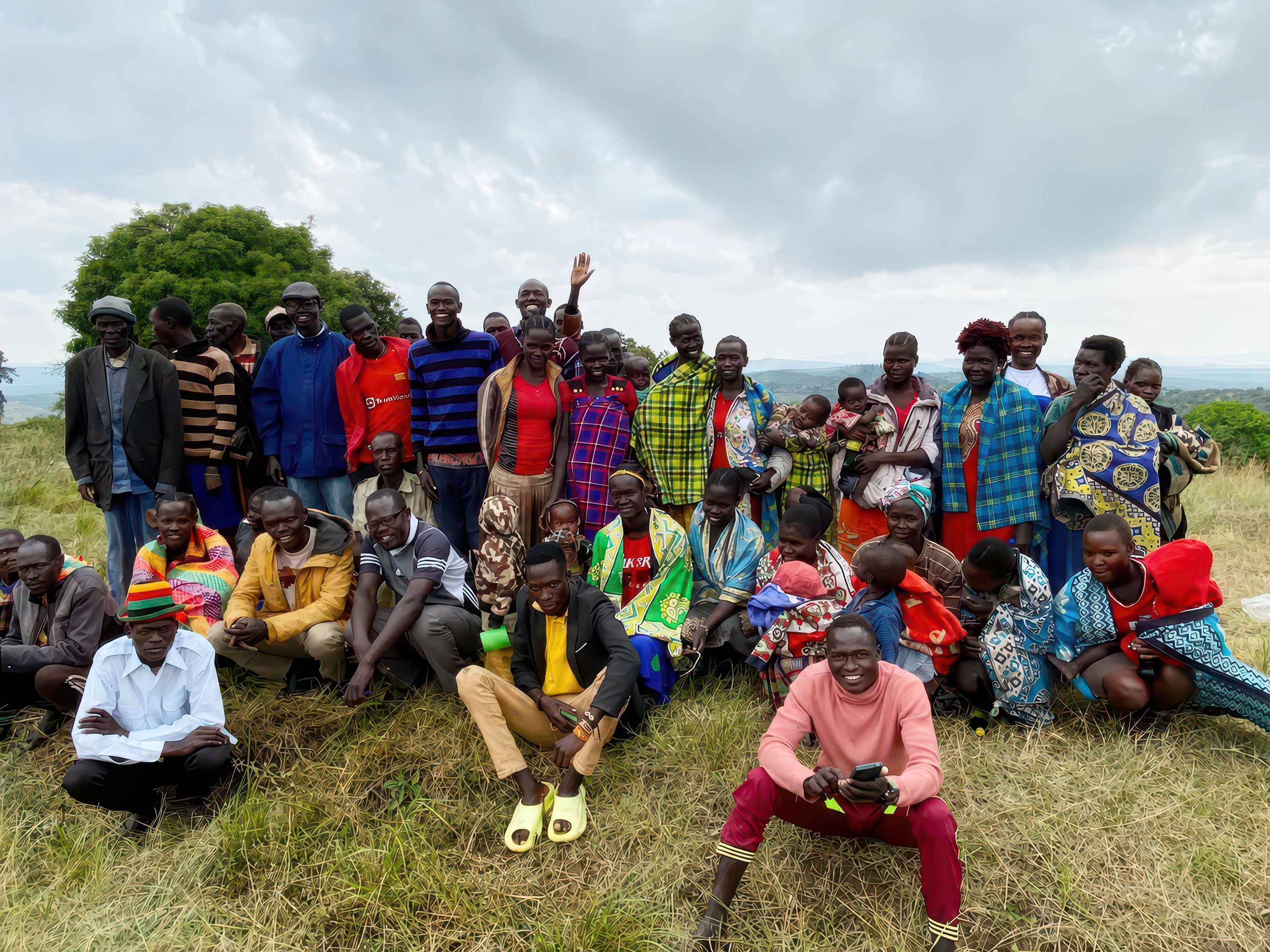
The Abim District in northeastern Uganda’s Karamoja sub-region stands at the frontline of a shifting global climate. For generations, the Indigenous communities inhabiting this semi-arid landscape have cultivated a profound symbiosis with their natural surroundings. This relationship—spanning land, water systems, indigenous flora, and fauna—has historically served as the cornerstone of community decision-making, natural resource management, conflict resolution, and socioeconomic adaptation. However, as anthropogenic climate change accelerates across East Africa, these age-old governance and survival frameworks face unprecedented pressures, prompting local leaders, women’s cooperatives, and community organizations to fight for the preservation and integration of indigenous knowledge systems into modern policy.
Historical Context and Environmental Observations
Long before the advent of modern meteorological stations and global climate models, the Indigenous populations of Abim developed sophisticated, empirical methods for tracking and interpreting environmental fluctuations. Long-term ecological observation formed the bedrock of early warning systems that enabled pastoralist and agropastoralist communities to preemptively navigate environmental shocks.
Historically, community resilience relied heavily on bio-indicators. Elders monitored the unusual restlessness and vocalization of livestock, such as cattle and goats, which consistently signaled incoming heavy winds, atmospheric pressure drops, or torrential rainfall. avian migration patterns, shifts in canopy cover, and the precise timing of tree flowering were systematically cataloged across generations. Furthermore, celestial navigation played an instrumental role; the alignment, luminosity, and phase of specific stars and the moon allowed community astronomers to gauge seasonal shifts and forecast extended dry cycles.
In addition to empirical biophysical tracking, cultural practices served predictive functions. Haruspicy—the traditional reading of goat intestines—was historically utilized by community specialists to forecast weather anomalies, seasonal rainfall quality, and impending environmental or socioeconomic disruptions. This accumulated body of knowledge was preserved entirely through oral traditions, including storytelling, communal gatherings, clan teachings, and intergenerational mentorship. Governance in Abim evolved not merely as an administrative hierarchy of authority, but as an ethical contract emphasizing collective stewardship over the land for the benefit of unborn generations.
Chronology of Environmental Pressures and Food Insecurity
The fragile equilibrium that sustained Abim’s communities for centuries has experienced systematic disruption over the past several decades.
During the mid-to-late 20th century, regional climate patterns began to exhibit abnormal variability, characterized by shortened rainy seasons and intensified dry spells. By the early 2000s, these localized shifts merged with broader global climate trends, precipitating chronic environmental stress across the Karamoja sub-region.
In the subsequent two decades, Abim District witnessed a marked increase in the frequency and severity of prolonged droughts. These prolonged dry spells severely degraded local pastures, decimated livestock populations, and triggered widespread crop failures. Consequently, food insecurity shifted from a periodic challenge to a persistent, structural crisis, elevating rates of malnutrition, famine-related vulnerabilities, and economic displacement. Simultaneously, socio-economic modernization, formal education models, and rural-urban migration fractured traditional channels of intergenerational knowledge transfer, leaving younger generations increasingly detached from the ecological literacy necessary to navigate the changing landscape.
Quantitative Data and Climate Vulnerability in Karamoja
Empirical data from regional meteorological and humanitarian assessments underscore the severity of the climate crisis in northeastern Uganda. According to environmental monitoring reports, average temperatures across the Karamoja sub-region have risen at a rate higher than the national Ugandan average over the past thirty years, exacerbating soil moisture deficits.
Rainfall data highlights a troubling trend of erratic precipitation: while total annual rainfall volumes have occasionally remained within historical averages, the temporal distribution has become highly volatile. Communities frequently experience severe dry spells during critical crop-growth windows, followed by intense, short-duration downpours that cause soil erosion, nutrient leaching, and widespread flooding.
Agricultural yields for staple indigenous crops—such as drought-resistant varieties of sorghum and pearl millet—have faced mounting pressures from invasive pests and shifting thermal thresholds. Data compiled by local agrarian initiatives indicate that up to 45 percent of traditional seed varieties cultivated a century ago have experienced significant population declines or localized extinction due to the rapid commercialization of agriculture and the adoption of non-indigenous, high-input seed strains that are poorly adapted to erratic rainfall patterns.
Women as Keepers of Agrarian and Ecological Knowledge
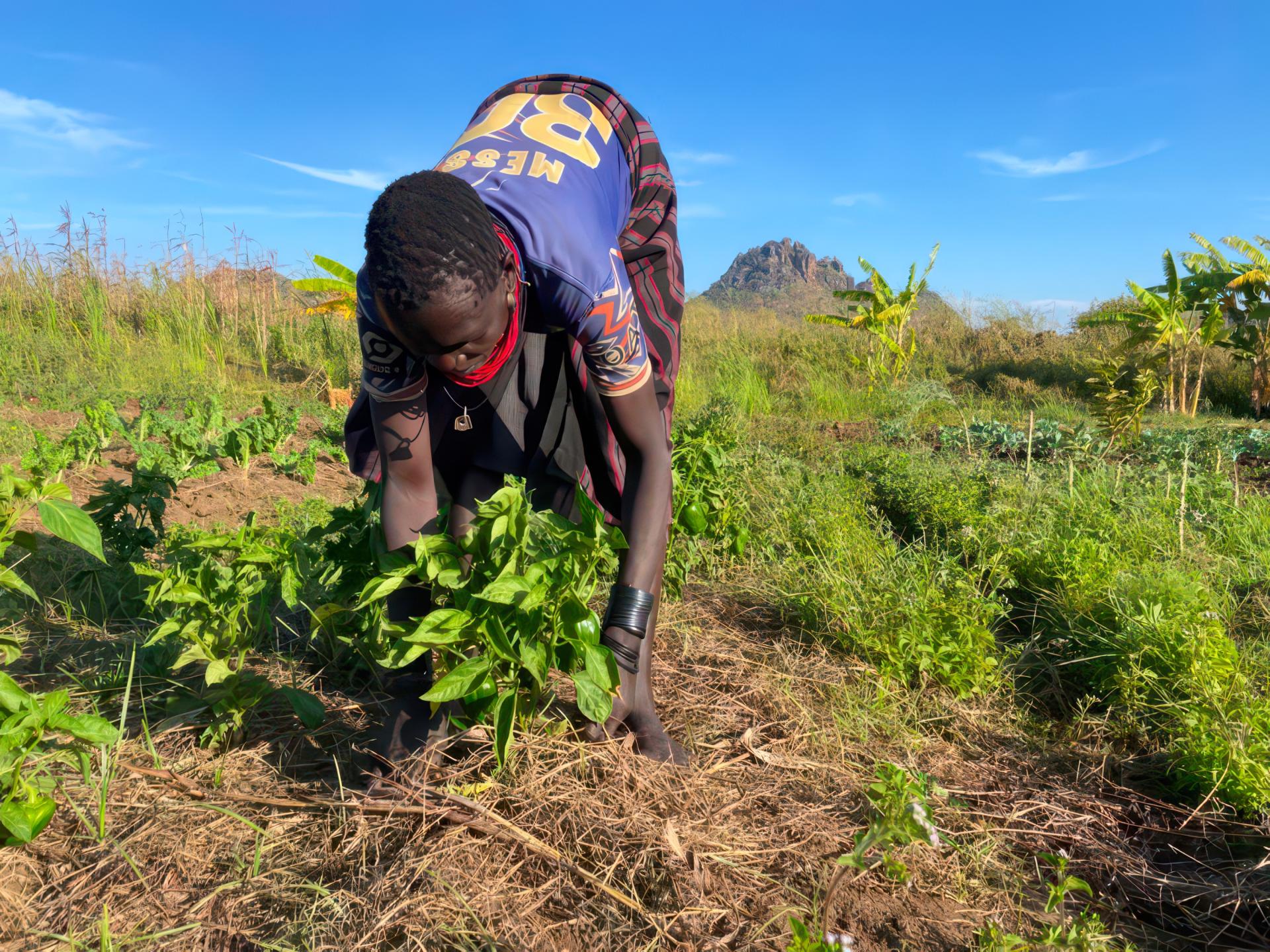
Within the socio-cultural fabric of Abim, women occupy a central position in maintaining household stability, biodiversity, and community nutrition. As primary custodians of indigenous seeds, women have historically driven the selection, preservation, and cultivation of traditional crop varieties uniquely adapted to marginal soils and erratic rainfall.
Beyond agriculture, women possess extensive expertise in ethnobotany, identifying and harvesting medicinal plants and wild foods that serve as vital nutritional safety nets during prolonged droughts and lean seasons. This knowledge encompasses sustainable harvesting techniques that ensure the regeneration of wild flora rather than its depletion.
Despite their foundational role in environmental management, women have historically faced structural barriers in formal community decision-making arenas. In recent years, however, grassroots advocacy has catalyzed a shift. Integrating women into local climate adaptation planning has proven essential for designing effective food security interventions.
Reflecting on this dynamic during recent community knowledge forums, local women leaders emphasized: "Women have always carried important knowledge in our homes and communities. We know the seeds that survive, the foods that help families during difficult times, and the ways our mothers protected the environment. When women participate in decisions about land and resources, the whole community benefits because our experiences are included."
Indigenous Governance and Restorative Justice Frameworks
Governance structures in Abim are anchored in principles of collective responsibility, participatory dialogue, and ecological stewardship. Land is conceptualized not as a marketable commodity or private economic asset, but as an intergenerational trust. Community decisions regarding land use, resource allocation, and conservation zones are deliberated through inclusive forums involving Elders, clan representatives, and women leaders.
Leadership within this framework is defined by service and accountability. Elders function as living archives, retaining memories of historical famines, water table fluctuations, and traditional emergency management strategies. When internal conflicts arise concerning shared resources—such as grazing lands or water points—indigenous governance relies on restorative justice mechanisms centered on mediation, dialogue, and trust-rebuilding rather than punitive measures. This cooperative approach ensures social cohesion, which is recognized as a prerequisite for physical survival in a harsh environment.
Institutional Responses and Community-Led Conservation
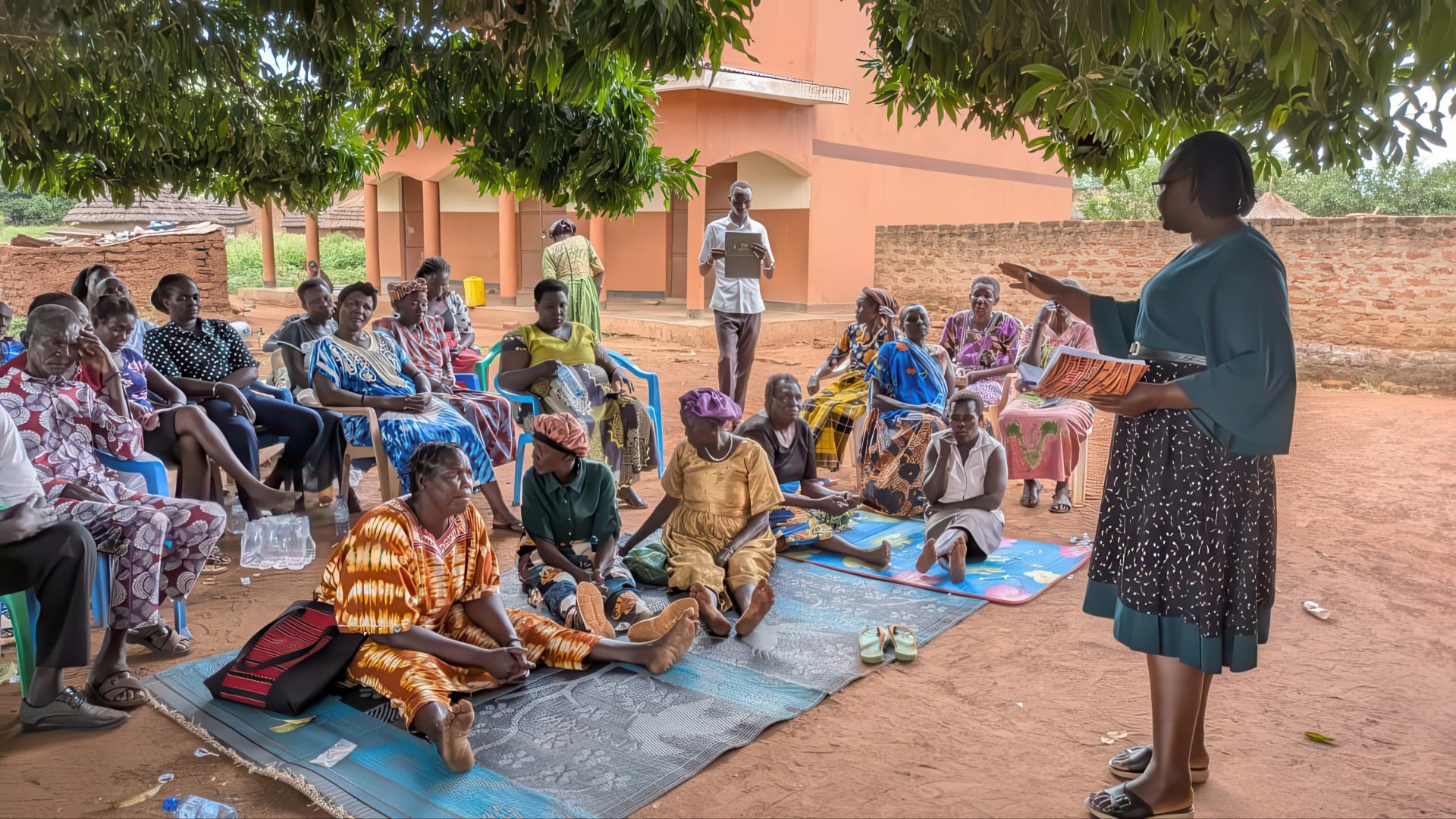
In response to mounting environmental and institutional challenges, local non-governmental organizations and community-based groups have stepped up efforts to bridge the gap between ancestral wisdom and modern climate science. Organizations such as Community Development Shield Uganda (DCDO) have actively facilitated intergenerational knowledge exchanges in Abim District.
Oscar Ogole, Executive Director of Community Development Shield Uganda, noted the indispensable value of these grassroots frameworks, stating that indigenous self-governance provides critical lessons for global climate adaptation. "The knowledge held by Elders, women, and community leaders is not simply cultural heritage, but a living resource that contributes to climate resilience, food security, and community well being," Ogole observed during a recent community convening.
Current community-led initiatives focus on establishing indigenous seed banks, documenting oral histories of weather forecasting, and training youth cohorts in ecological monitoring and sustainable land restoration. These programs seek to rehabilitate degraded communal watersheds, protect culturally significant flora, and re-establish traditional agroforestry practices.
Broader Impact, Policy Implications, and Future Outlook
The trajectory of Abim District offers broader implications for national policy and international climate discourse. As governments and multilateral institutions grapple with the escalating costs of climate change adaptation, the experiences of Indigenous communities in northeastern Uganda demonstrate that top-down, technocratic interventions often fail without local buy-in and ecological contextualization.
Fact-based analyses of contemporary climate policies indicate that integrating indigenous early warning systems with formal meteorological forecasting can significantly enhance early-action response times at the community level. Furthermore, legal recognition of communal land tenure and indigenous resource management rights is increasingly recognized by environmental experts as a cost-effective strategy for halting land degradation and preserving biodiversity.
Ultimately, the preservation of indigenous knowledge in Abim is an exercise in cultural preservation, food sovereignty, and ecological survival. By fostering active collaboration between the historical wisdom of Elders, the operational insights of women leaders, and the energy of the younger generation, Abim District is charting a resilient pathway forward. As global stakeholders search for sustainable solutions to planetary environmental crises, the communities of Karamoja provide a timely reminder of the necessity of listening to those who have successfully sustained their environments for generations.




