
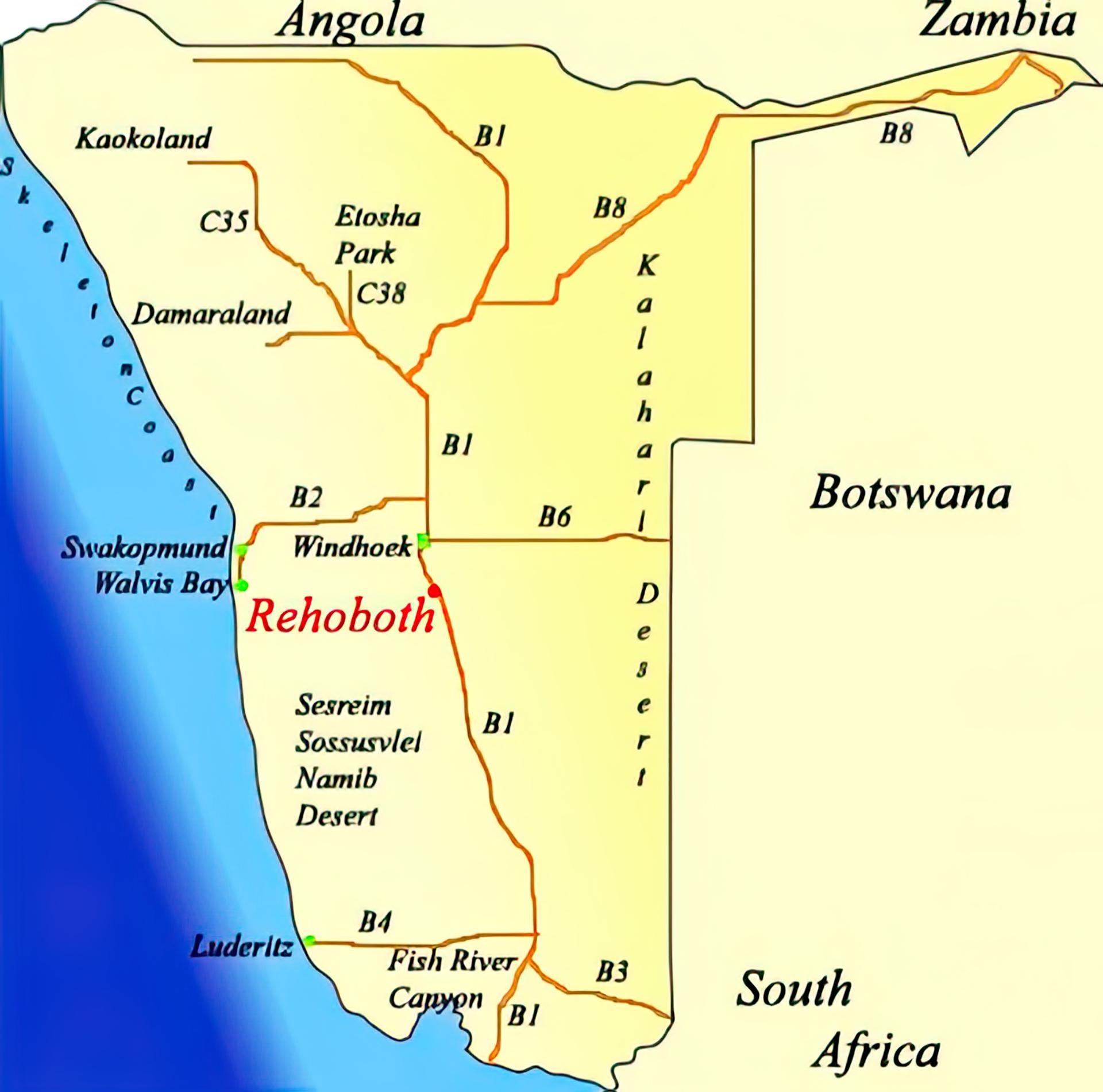
The concept of Indigenous self-governance has increasingly claimed the global spotlight as native communities worldwide assert their right to self-determination. Far from being relegated to the past, traditional governance structures are proving to be living, dynamic frameworks capable of navigating the complex socio-economic and political challenges of the 21st century. Nowhere is this more evident than in the town of Rehoboth, situated approximately 90 kilometers south of Namibia’s capital, Windhoek. For the Rehoboth Basters—an indigenous community boasting a rich, multifaceted heritage—self-governance is not merely an administrative choice; it is the cornerstone of their cultural survival, identity, and historical continuity in southern Africa.
Historical Context and Origins
To understand the architecture of Baster self-governance, one must examine a migratory history spanning centuries. The Baster community traces its roots back to the Cape Colony of present-day South Africa during the 18th and 19th centuries. Born from unions between European settlers and Indigenous Khoikhoi women, this unique population cultivated a distinct cultural identity anchored by the Afrikaans language, a deep-rooted Christian faith, specific communal customs, and a profound sense of solidarity.
Faced with mounting political instability, pervasive discrimination, and fierce land disputes in the Cape Colony during the mid-19th century, numerous Baster families made the momentous decision to migrate northward. Their goal was clear: to find an unchartered sanctuary where they could exercise self-determination and secure a permanent homeland. This arduous overland journey ultimately led them into the heart of central Namibia, forever altering the geopolitical and cultural landscape of the region.

Chronology of Settlement and Governance
The formal establishment of the Rehoboth community is marked by a series of deliberate diplomatic and legal milestones that occurred well before the advent of modern Namibian statehood:
- 1870: Led by Kaptein Hermanus van Wyk, the Basters officially settled in the region known today as Rehoboth. This milestone was achieved following the signing of a historic Peace and Friendship Treaty with neighboring Nama communities. Recognized as a pioneering act of Indigenous diplomacy in southern Africa, the treaty solidified the Basters’ commitment to peaceful coexistence and territorial integrity.
- 1872: Recognizing that survival demanded robust internal organization, the community formally adopted the Vaderlike Wette (Paternal Laws) just two years after their arrival. Functioning as a constitutional bedrock, these laws codified regulations regarding land stewardship, public administration, judicial proceedings, and community accountability.
- Late 19th to Mid-20th Century: The Baster community navigated successive waves of colonial administration—ranging from German imperial rule to South African mandate administration—while fiercely defending their internal autonomy and traditional legal structures.
- 1990: Following Namibia’s independence, the Rehoboth Baster community integrated into the broader democratic framework of the modern Namibian state, while maintaining their distinct cultural institutions, communal land traditions, and the symbolic office of the Kaptein.
The Vaderlike Wette: A Blueprint for Community-Led Order
The adoption of the Vaderlike Wette in 1872 remains a watershed moment in the history of Indigenous jurisprudence. Unlike legal frameworks imposed by external colonial authorities, the Paternal Laws were organically generated by the people, designed to serve the collective welfare rather than enforce subjugation.
The laws delineated clear parameters for land ownership, criminal justice, and public conduct. Crucially, they embedded a philosophy of leadership rooted in service rather than dominance. Decisions within the traditional Baster framework have historically relied on consensus-building, community consultation, and collective responsibility rather than autocratic decree. This participatory model ensured that every member felt a vested interest in maintaining social order.
At the apex of this traditional administrative system sits the Kaptein. While superficially analogous to a tribal chief, the Baster Kaptein holds a unique historical mandate. Serving as the primary custodian of community heritage, the Kaptein functions as a symbol of unity, a chief negotiator in regional affairs, and an overseer of customary law. Historically, leaders such as the inaugural Kaptein Hermanus van Wyk, alongside subsequent figures like the late Kaptein Hans Diergaardt and the late Kaptein John McNab, governed in tandem with elected councils and respected elders. This collaborative approach reinforced the foundational Baster principle that individual well-being is inextricably linked to the prosperity and harmony of the entire community.
Socio-Economic Implications and Communal Stewardship
The philosophy of collective responsibility has historically translated into highly sustainable practices regarding land management and conflict resolution. In the communal farming areas surrounding Rehoboth, land has never been treated purely as private economic capital or speculative real estate. Instead, it is viewed as a vital inheritance entrusted to the current population by their forebears, with the explicit duty to preserve it for posterity.
Practices such as regulated seasonal grazing, collective water resource management, and mutual aid networks ensured that the semi-arid environment could sustain generations. Furthermore, when interpersonal or communal disputes arose, the traditional justice system favored mediation, dialogue, and reconciliation over punitive isolation. Restoring social fabric and repairing broken relationships were prioritized, fostering an environment of enduring social cohesion.
Modern Challenges and Perspectives
Today, the Rehoboth Baster community stands at an intersection of heritage and modernity. Like many rural and semi-urban populations across southern Africa, the community grapples with contemporary socio-economic pressures, including youth unemployment, rural-urban migration, economic disparity, and ongoing legal debates surrounding communal land rights.
Observers and community leaders note that these modern realities do not render traditional governance obsolete; rather, they underscore its ongoing relevance. The core tenets embedded within the Vaderlike Wette—accountability, environmental stewardship, inclusive consultation, and mutual respect—offer pragmatic models for addressing contemporary crises. By drawing upon a legacy that has weathered German colonialism, South African rule, and the political transitions of an independent Namibia, the Basters demonstrate how traditional institutions can act as resilient guardians of cultural identity in an increasingly globalized world.

As debates surrounding indigenous rights, land reform, and decentralization continue to evolve across Namibia and the broader African continent, the experience of the Rehoboth Basters provides a compelling case study. It highlights how historical self-governance frameworks can successfully adapt, preserving cultural heritage while contributing meaningfully to the social fabric of a modern, democratic nation.




