
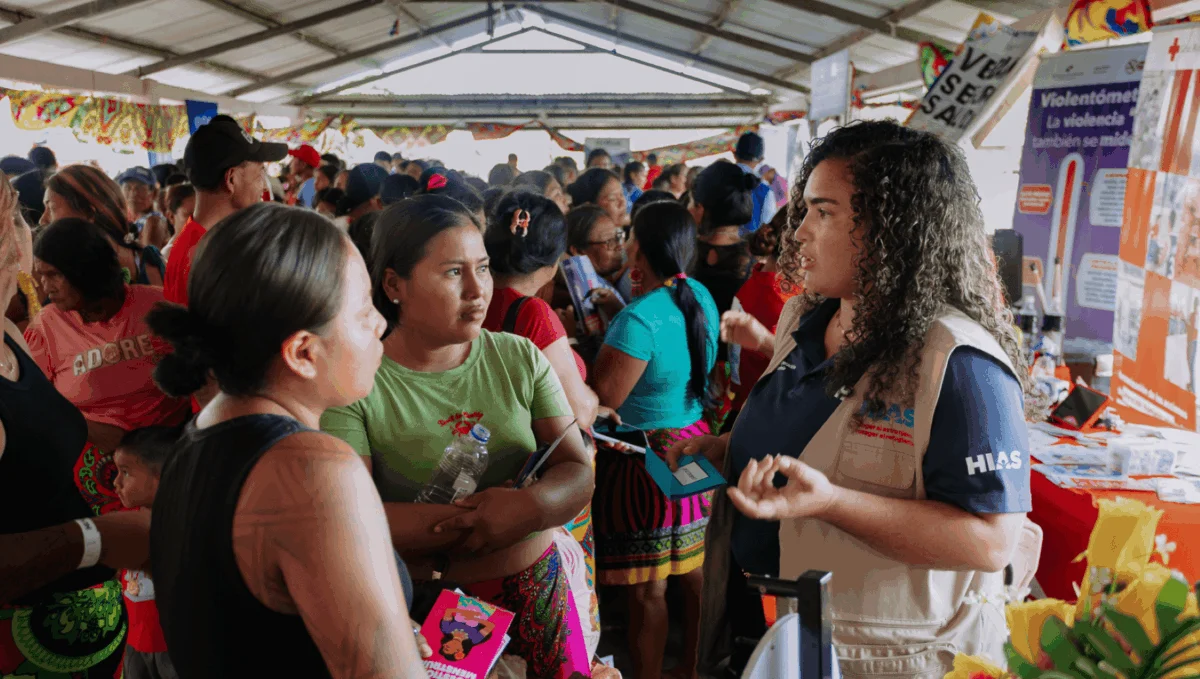
The Darien Gap, a dense, roadless stretch of tropical rainforest spanning the border between Colombia and Panama, has long served as one of the most perilous transit points for migrants and asylum seekers attempting to reach North America. Between 2021 and 2024, this treacherous corridor witnessed an unprecedented surge in human movement, as hundreds of thousands of individuals braved the elements and criminal networks to traverse the wilderness. While global attention remained fixed on the border policies of destination nations like the United States and Mexico, the indigenous communities inhabiting the Emberá Wounaan region of Panama served as the silent, essential frontline of the humanitarian response. As migration patterns undergo a radical shift in 2026, the focus of international aid organizations has pivoted toward the long-term stability and empowerment of these host communities, which provided critical relief during the height of the crisis.
A Chronology of the Darien Crisis
The influx of migrants into the Darien region was not a sudden phenomenon but rather the result of a compounding series of regional crises. By 2021, the convergence of economic instability in Venezuela, post-pandemic social fractures, and deteriorating security environments across South America created a perfect storm.
- 2021–2022: The number of people crossing the Darien Gap began to skyrocket, with monthly figures reaching tens of thousands. Indigenous villages, such as Bajo Chiquito, found themselves overwhelmed by the arrival of daily groups of exhausted travelers.
- 2023–2024: The crisis peaked. Despite the dangers—including extreme terrain, river crossings, and exploitation by armed groups—the flow remained consistent. During this period, indigenous leaders and local families provided food, medical access, and shelter, often operating with limited resources.
- 2025: The landscape of migration changed abruptly. The United States government implemented a series of restrictive asylum policies, designed to curb the numbers arriving at the U.S.-Mexico border. These "draconian" measures, as characterized by humanitarian advocates, prompted a shift in behavior.
- 2026: The current year marks a significant decline in foot traffic through the Darien. Many migrants have opted for "reverse migration," choosing to return to their home countries or settle in intermediate nations like Mexico, as the prospects of obtaining legal status in the U.S. have diminished.
The Human Cost of Shifting Migration Flows
The sudden reduction in transit volume has paradoxically left the indigenous host communities in a state of flux. Oliver Bush, Country Director for HIAS Panama, notes that the departure of migratory flows has left behind a complex set of consequences. These communities, which had mobilized their meager resources to provide emergency care, are now navigating the socioeconomic aftermath of being "transit hubs."
While international organizations often prioritize the needs of the displaced, HIAS has identified a critical gap: the necessity of supporting the hosts who bore the brunt of the crisis. When humanitarian organizations scale back their presence because the primary "flow" has decreased, the host communities—which still face the impact of years of intensive transit—are often left to manage the long-term infrastructure and social consequences on their own.
Data and Humanitarian Scope
The scale of the interaction between the displaced and the host communities is significant. Records indicate that between 2021 and 2024, the Emberá Wounaan territories served as a mandatory waypoint for the vast majority of those traversing the Gap. These regions, traditionally isolated, were forced to adapt to a global humanitarian crisis in real-time.
Recent analysis from regional humanitarian bodies confirms that most global displacement is managed by low- and middle-income nations. The situation in the Darien is a micro-reflection of this global reality. Without the support of organizations like HIAS, the burden of providing essential services would fall entirely on indigenous leaders who lack the financial and logistical support of the international community.
Strengthening Community Resilience and Leadership
The strategy employed by HIAS in the Darien region has evolved from emergency response to a "nexus approach"—a model that links immediate humanitarian relief with long-term development. By partnering with the Spanish Agency for International Development Cooperation (AECID), the organization has focused on sustainable empowerment, particularly for women and youth.
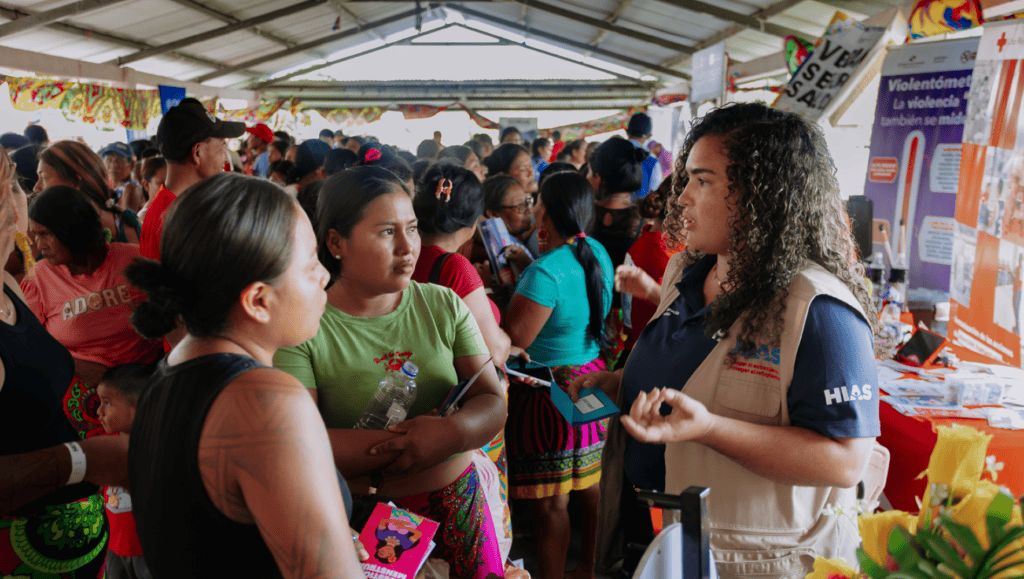
This initiative is not merely about service delivery; it is about capacity building. In the Noko tribe of Bajo Chiquito, for instance, women leaders have been at the center of health education and violence prevention programs. By providing information in local indigenous languages and through culturally relevant formats, the project has successfully reached over 3,000 individuals.
"Dominance isn’t just about men deciding for us, as they say. Today, we decide for ourselves," says Esmeralda, a community leader in the region. Her statement reflects a broader transformation within these communities. Participants have transitioned from being recipients of outside assistance to active agents of change, advocating for their own rights and health outcomes.
The Broader Implications of Localized Support
The shift in migration patterns serves as a cautionary tale for international aid policy. When the world’s attention moves away from a "hotspot," the communities that remain are often forgotten. The work currently being conducted in Panama challenges the traditional model of aid, which is often reactive and tied solely to the presence of displaced persons.
By remaining in the Darien region after the peak of the crisis, HIAS is emphasizing that the "humanitarian footprint" is not determined by the number of migrants present, but by the ongoing needs of the host population. The integration of mental health services, protection against gender-based violence, and leadership training is designed to build a foundation that persists long after the specific crisis of the early 2020s has faded.
Future Outlook and Sustainability
As of mid-2026, the focus remains on ensuring that the progress made in the Emberá Wounaan region is not lost. The training sessions, which have seen indigenous women like Martira of the Nuevo Viga community take the stage to speak publicly for the first time, are indicative of a deeper societal shift.
The sustainability of these programs depends heavily on continued cooperation between international donors and local authorities. As the geopolitical climate remains volatile, the stability of the Darien region acts as a vital component of Panama’s broader security and humanitarian infrastructure. The commitment to these indigenous territories ensures that when future challenges arise, these communities will be better equipped, better organized, and more resilient than they were when the crisis first began.
In conclusion, the story of the Darien Gap is no longer just a narrative about the movement of people; it is a story about the resilience of the communities that stood in the path of that movement. The transition from a crisis-response model to a long-term development model represents a vital evolution in how international organizations interact with host populations, ensuring that those who provided a lifeline to others are not abandoned once the emergency has passed.




