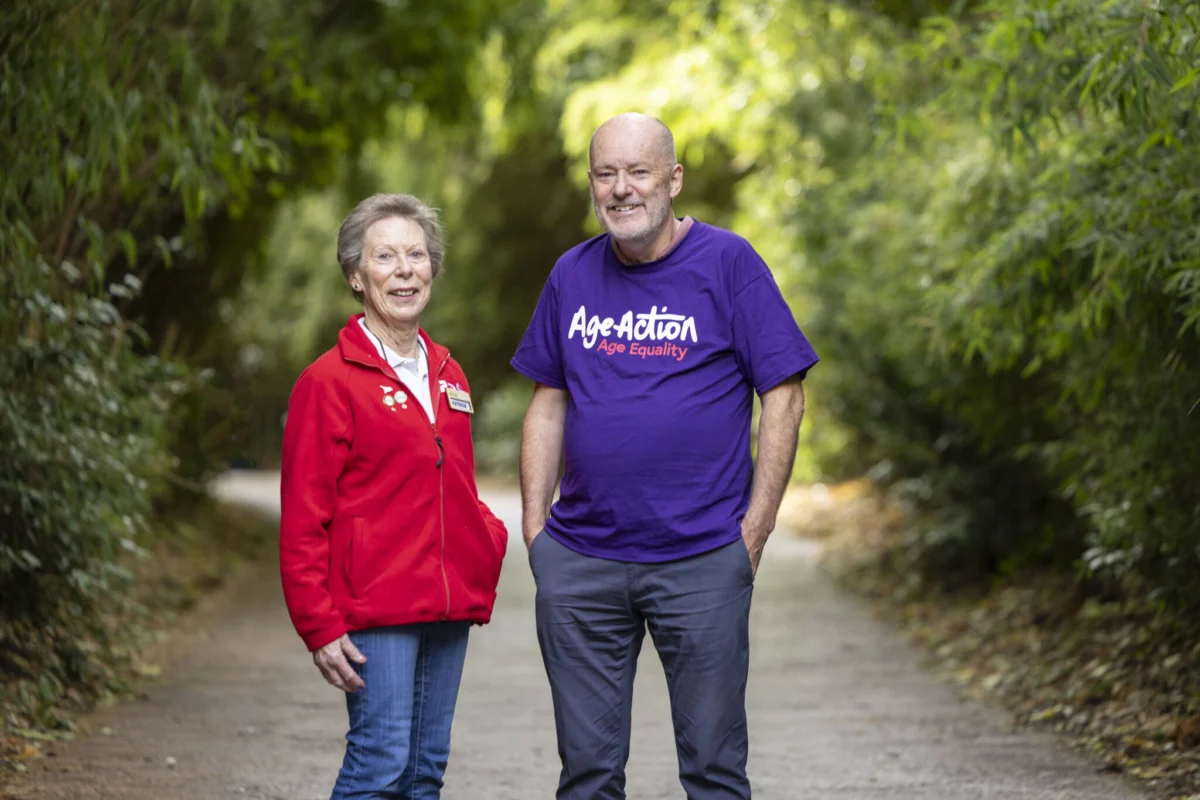
The unveiling of Budget 2026 has ignited a wave of criticism from advocacy groups, with Age Action leading the charge in condemning what it describes as a systemic failure to support Ireland’s aging population. Despite high expectations for a budget that would pivot from temporary, "one-off" cost-of-living payments to sustainable, permanent income supports, the government’s fiscal package has been branded by stakeholders as a missed opportunity that leaves the most vulnerable exposed to the enduring realities of high inflation.
At the heart of the controversy is a modest €10 increase to the State Pension. While the government framed this as a commitment to maintaining social welfare standards, advocacy groups argue it fails to keep pace with the economic benchmarks established by the Pensions Commission. With the current rate of the State Pension falling significantly below the recommended 34% of average weekly earnings, the budget has sparked a national debate regarding the adequacy of the state’s commitment to its senior citizens.
A Chronology of Expectation and Disappointment
The lead-up to Budget 2026 was defined by government rhetoric promising a move away from the "emergency" style of budgeting that characterized the post-pandemic era. In late 2025, Ministers Jack Chambers and Paschal Donohoe signaled that the state would move toward structural reforms.
Throughout the autumn, Age Action engaged in formal pre-budget consultations, submitting detailed reports to the Department of Finance and the Department of Social Protection. Their primary contention was that while headline inflation figures have decelerated, the "cost-of-living crisis" has not ended for those on fixed incomes. The price floor for essential goods, energy, and medical services remains significantly higher than it was prior to 2022.
When the budget was finalized in early 2026, the absence of a comprehensive strategy for the elderly became apparent. The decision to forgo one-off payments—which had previously provided a buffer against energy spikes—without a commensurate increase in the base pension rate created an immediate "income gap" for the 860,000 people in Ireland now aged 65 and over.
The Pension Gap and Economic Realities
The primary economic critique centers on the disparity between the State Pension rate and the Pensions Commission’s recommended benchmarks. The commission, established to provide a roadmap for the sustainability of Ireland’s social welfare system, identified 34% of average wages as the minimum threshold for a dignified standard of living for pensioners.
Currently, the State Pension remains well below this mark. Economists note that while nominal increases are applied annually, they are frequently eroded by the rising cost of services, particularly in the health and energy sectors. By failing to bridge this gap, the government has, according to Age Action, effectively allowed the real-term value of the pension to stagnate.
"Inflation may have fallen, but prices have not," stated Camille Loftus, Head of Advocacy and Public Affairs at Age Action. This sentiment captures the disconnect between government fiscal policy—which relies on macroeconomic indicators like the Consumer Price Index (CPI)—and the microeconomic reality of household expenditure for those living on fixed, state-funded incomes.
Energy Poverty and the Failure of Targeted Supports
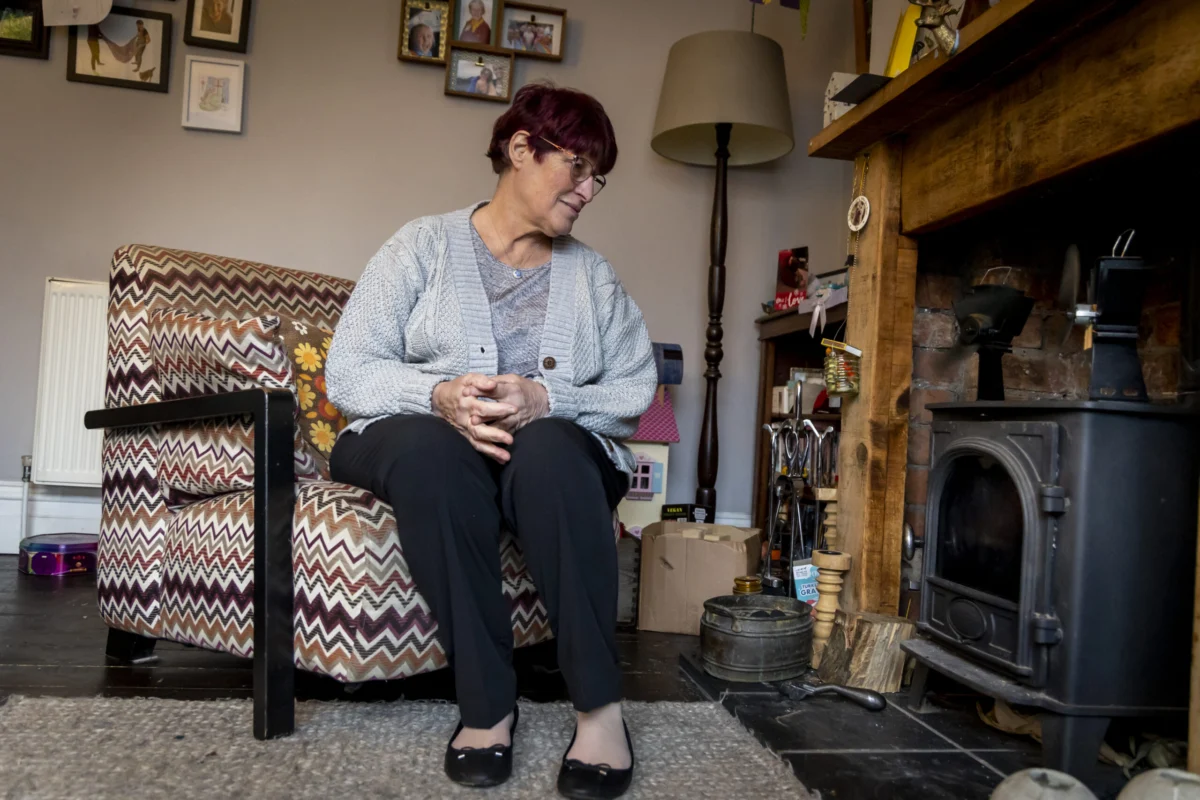
Beyond base income, the budget’s approach to energy costs has drawn significant scrutiny. Ireland’s housing stock, particularly among the elderly, consists of a high proportion of older, poorly insulated dwellings. These homes often rely on less efficient heating systems, making the cost of maintaining a warm, healthy living environment disproportionately high for seniors.
Age Action had lobbied for an "Energy Guarantee," a proposed mechanism that would move beyond the flat-rate Fuel Allowance. The proposal suggested a targeted support system that would account for two critical factors: the thermal efficiency rating of an individual’s home and prevailing energy prices.
Instead, the government opted for a €5 increase in the Fuel Allowance. Critics point to two major flaws in this approach:
- Qualification Barriers: Fewer than 3 in 10 State Pension recipients currently qualify for the Fuel Allowance, meaning the vast majority of the older population is excluded from this support entirely.
- Inadequacy of Scale: A €5 weekly increase does not cover the current price differential for heating older, inefficient homes during the winter months, effectively shifting the burden of energy poverty back onto the individual.
Broader Implications for Healthcare and Housing
The disappointment expressed by Age Action is not limited to fiscal transfers; it extends to the lack of integration between income policy and the broader social determinants of health. Older people in Ireland face rising out-of-pocket costs for medical care, prescription medications, and home-care support.
When income is squeezed by energy and food costs, healthcare is often the first expenditure to be deferred. This creates a negative feedback loop: an older person unable to heat their home effectively is more susceptible to respiratory illnesses and cardiovascular stress, leading to increased demand for acute hospital services.
Housing policy, or the lack thereof, also remains a critical concern. With many older people living in homes that are no longer suited to their physical needs, the lack of capital investment in downsizing or retrofitting programs in Budget 2026 implies that the state will continue to face high costs in long-term residential care and emergency hospital admissions.
Perspectives from Stakeholders and Policy Analysts
While the government maintains that the budget was a balanced attempt to manage the national finances responsibly, independent analysts suggest that the fiscal space available in 2026 was sufficient to address more substantial structural needs.
Some policy observers argue that the government’s focus on broad-based tax cuts, rather than targeted social protection, indicates a shift in political priorities. By favoring workers through changes to tax bands and credits, the administration may have inadvertently signaled that the support of the elderly is a lower priority than the stimulation of the active labor market.
"Budget 2026 appears to have forgotten about the 860,000 people aged 65 and older," said Loftus. This remark highlights the potential for political fallout. As Ireland’s demographic profile continues to shift toward an older population, the electoral and social weight of the senior demographic is growing. Failing to provide for this group may create long-term social instability, as the dependency ratio—the number of older people relative to the working-age population—continues to rise.
Conclusion: A Call for Policy Reform
The fallout from Budget 2026 highlights the ongoing tension between fiscal prudence and social equity. Age Action’s call for a reassessment of the government’s approach reflects a broader concern among civil society organizations regarding the long-term sustainability of the current social contract.
The absence of an Energy Guarantee and the failure to align the State Pension with professional benchmarks suggest that the government remains committed to incremental, short-term solutions rather than systemic reform. For the older population of Ireland, the path forward appears fraught with the same challenges that characterized the previous year, with the added pressure of a budget that has failed to provide a permanent, structural safety net.
As the implementation of the 2026 fiscal plan begins, the focus will likely shift to whether the government can be persuaded to introduce supplementary measures in future ministerial reviews. However, as it stands, the message from Age Action is clear: the current trajectory is insufficient to protect the health, housing, and financial security of Ireland’s aging citizens. The data is clear, the demographic trends are undeniable, and the frustration among advocacy groups serves as a stark reminder that the needs of an aging nation require more than just marginal adjustments to existing welfare systems.