
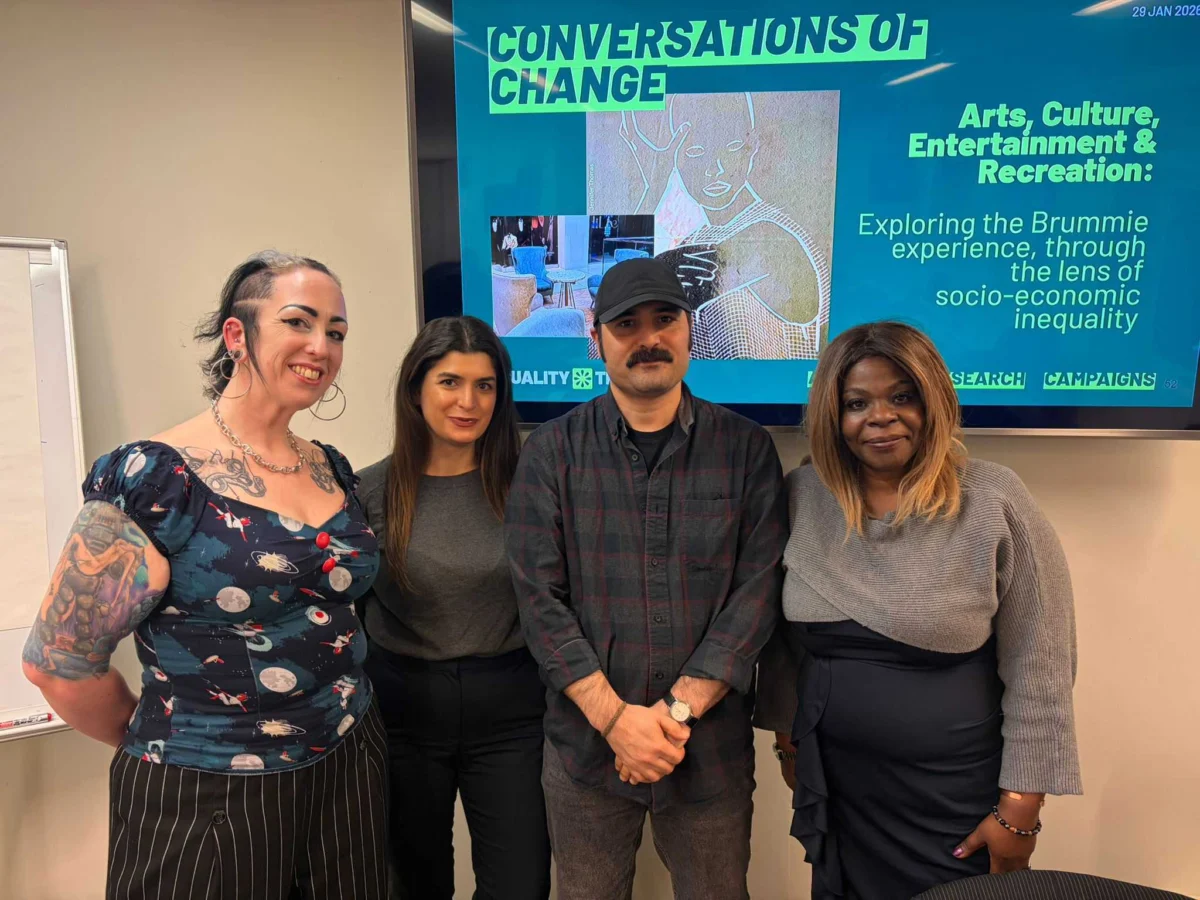
The landscape of modern urban research is undergoing a quiet yet profound transformation, moving away from distant, numbers-driven evaluations toward a model rooted in direct human experience. In Birmingham, a collaborative initiative spearheaded by the Equality Trust throughout late 2025 and mid-2026 has brought this shift into sharp focus. By training a diverse cohort of local residents as Community Reporters, the project sought to uncover the human realities behind the city’s economic metrics. Among them is filmmaker and student Hassan Roshan, whose journey from observer to active participant highlights the vital intersection between grassroots storytelling, socio-economic policy, and cultural access in the United Kingdom’s second-largest city.
The initiative emerges at a critical juncture for local governance and social equity. As Birmingham City Council and municipalities nationwide prepare for the broader implementation of the Socio-economic Duty—a legislative tool designed to compel public bodies to actively consider how they can reduce inequalities resulting from socio-economic disadvantage—projects that center lived experience are proving indispensable. Statistics from the Birmingham City Observatory’s Indices of Deprivation 2025 illustrate the scale of the challenge: Birmingham remains the most deprived of England’s Core Cities, boasting dense concentrations of income deprivation that directly affect everyday access to education, health, and community life.
Main Facts and Project Scope
The Equality Trust’s initiative in Birmingham was designed to bridge the gap between systemic data and the personal impact of poverty. Rather than relying solely on traditional academic or governmental research methodologies, the project empowered individuals from marginalized and underrepresented backgrounds to lead the inquiry.
The core investigation undertaken by Roshan and his fellow reporters focused on a frequently overlooked dimension of inequality: access to arts, culture, entertainment, and recreation. While cultural participation is often dismissed as a secondary luxury to be addressed only after basic survival needs are met, the reporters argued that creative engagement is fundamental to human wellbeing, social cohesion, and community resilience.
This premise is particularly relevant in a city characterized by immense cultural richness. According to the Birmingham Community Profiles (2025), more than half of the city’s population originates from Black, Asian, and minority ethnic backgrounds. Yet, structural barriers—ranging from financial precarity and linguistic hurdles to geographical isolation—frequently lock these communities out of Birmingham’s cultural infrastructure.
Chronology and Evolution of the Research Initiative
The path toward the 2026 findings developed through a structured, multi-phase community engagement process spanning more than a year:
- Summer 2025: The Equality Trust launched its specialized training program in Birmingham, recruiting a multidisciplinary cohort of Community Reporters. Participants included refugees, migrants, students, and long-term West Midlands residents, each bringing unique insights into social justice.
- Autumn 2025: The reporters underwent intensive training sessions focused on ethical listening, qualitative interview techniques, and multimedia storytelling. Eschewing preconceived agendas, the group deliberated on the core themes of their research, ultimately selecting cultural access as their primary lens.
- Winter 2025 to Spring 2026: Fieldwork commenced. Reporters conducted extensive interviews with a diverse cross-section of Birmingham residents, capturing the voices of newly arrived refugees, long-term migrants, and multi-generational locals.
- Summer 2026 (August): The findings culminated in published reflections, including Roshan’s essay and dedicated short films—such as Conversations of Change and a companion piece examining the internal experiences of the reporters themselves—providing a public-facing portal into the project’s conclusions.
Supporting Data and Socio-Economic Context
To fully grasp the implications of the Birmingham project, researchers must examine the rigorous data underpinning the city’s socio-economic environment. Birmingham’s designation as the most deprived Core City in England under the 2025 Indices of Deprivation underscores persistent structural inequalities. Income deprivation rates remain acutely high across several wards, creating ripple effects that constrain families’ ability to participate in civic and cultural life.
Concurrently, the broader cultural sector faces unprecedented economic headwinds. As documented by national reporting in outlets like The Guardian, public funding reductions have left arts institutions across the United Kingdom scrambling for alternative revenue streams, leading major entities—such as London’s Wigmore Hall—to establish multi-million-pound self-sustainability funds. In cities like Birmingham, these macroeconomic pressures on local authorities and cultural organizations risk creating a two-tier system where arts and recreation become increasingly exclusive, pricing out lower-income families and marginalized groups.
Official Responses and Stakeholder Perspectives
While the project was fundamentally a community-led endeavor rather than a top-down municipal study, its findings have profound implications for local policymakers, including Birmingham City Council. Advocates argue that qualitative insights gathered through community reporting must inform future resource allocation under the incoming Socio-economic Duty.
Project organizers and community leaders have emphasized that data collection without narrative context risks misdiagnosing the root causes of urban poverty. By shifting the paradigm from speaking for communities to enabling communities to speak for themselves, the initiative offers a replicable framework for public consultation. Senior Project Officer Charlie, reflecting on the overarching Birmingham project, noted that the multi-year collaboration revealed a deep, persistent local appetite for systemic change, driven by residents who refuse to let their lived realities be reduced to numerical metrics.
Broader Impact and Implications for Urban Policy
The implications of the Birmingham Community Reporting project extend far beyond the arts sector, offering vital lessons for urban planners, social researchers, and policymakers nationwide.
First, the research demonstrates that cultural deprivation is not merely a consequence of poverty, but a compounding factor that exacerbates social isolation and diminishes overall wellbeing. When access to recreational and creative spaces is restricted by socio-economic barriers, community cohesion frays. Conversely, inclusive cultural access fosters confidence, improves mental health, and builds bridges across diverse linguistic and ethnic divides.
Second, the methodology pioneered by the Equality Trust proves that effective policy design requires democratization of the research process itself. Traditional consultation models frequently alienate the very populations they aim to assist, constrained by bureaucratic language and rigid frameworks. In contrast, peer-led storytelling captures nuanced realities—such as the subtle psychological barriers that make public spaces feel unwelcoming to refugees or disabled individuals—that standard surveys routinely miss.
Looking forward, participants like Hassan Roshan intend to leverage these acquired competencies in professional filmmaking and civic advocacy, ensuring that underrepresented narratives continue to pierce mainstream policy discussions. As Birmingham navigates its complex economic future against the backdrop of national legislative shifts, the message from its community reporters remains unequivocal: behind every statistical indicator lies a human narrative, and sustainable urban progress requires not just economic investment, but the courage to listen.




