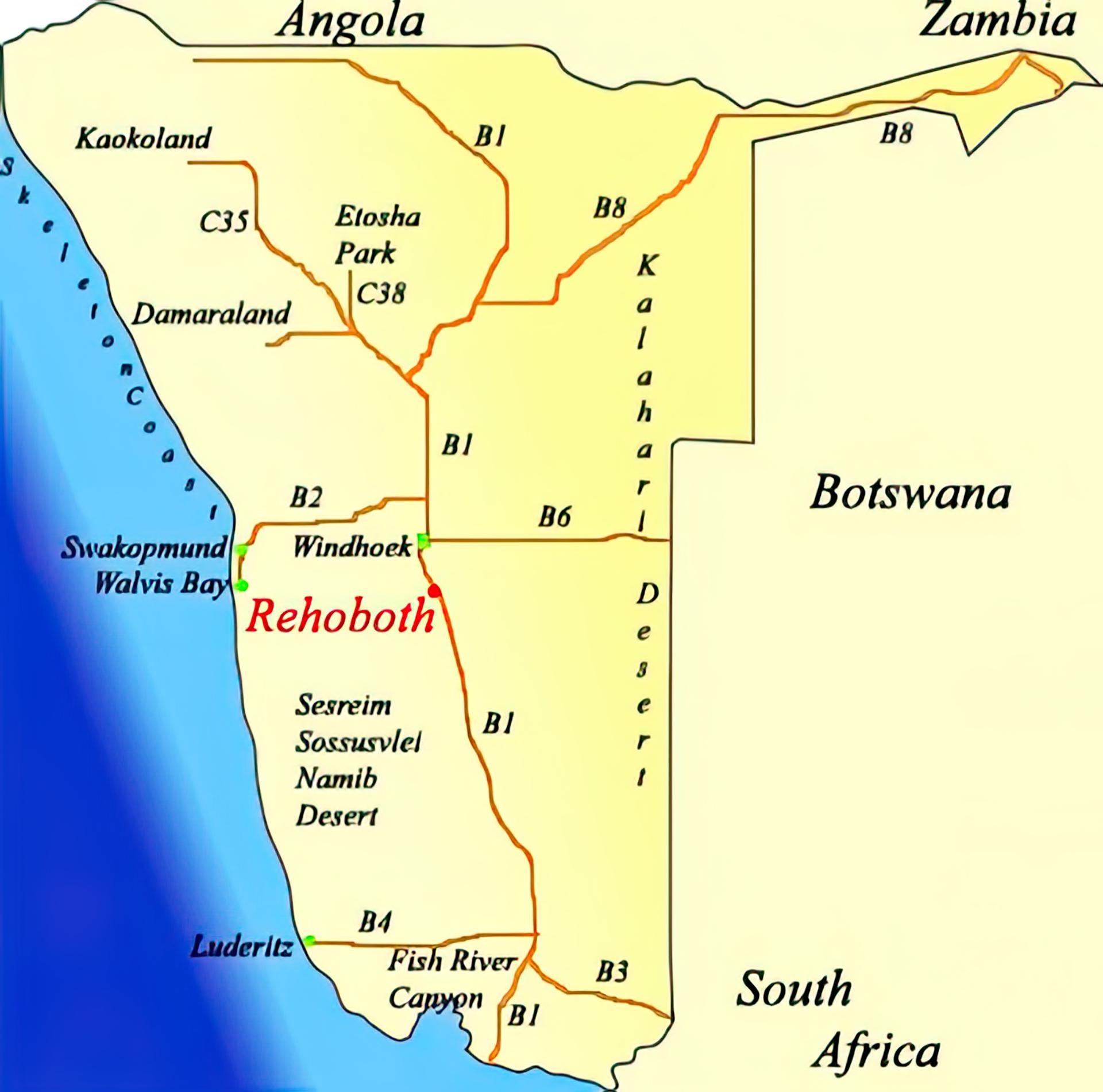
The historical enclave of Rehoboth, situated approximately 90 kilometers south of Namibia’s capital city, Windhoek, stands as a testament to an enduring experiment in Indigenous self-determination. For generations, the Rehoboth Basters—a distinct community tracing its lineage to the Cape Colony of the 18th and 19th centuries—have navigated colonial subjugation, geopolitical shifts, and the pressures of modern globalization. At the heart of their resilience is a sophisticated framework of self-governance anchored by the Vaderlike Wette (Paternal Laws) of 1872 and the traditional leadership of the Kaptein. As global discussions surrounding Indigenous rights and autonomy gain momentum, the Baster community offers a compelling case study in how traditional governance structures can adapt to address contemporary socioeconomic challenges while fiercely safeguarding cultural identity.
Historical Roots and the Great Migration
The genesis of the Rehoboth Baster community lies in the complex demographic and political dynamics of the Cape Colony in present-day South Africa. Descended primarily from European settlers and Indigenous Khoikhoi women, the community forged a distinct cultural identity characterized by the Afrikaans language, a deep-rooted Christian faith, unique communal customs, and an unwavering commitment to autonomy.
During the mid-19th century, escalating political instability, racial discrimination, and mounting land disputes in the Cape compelled numerous Baster families to look northward. Seeking a territory where they could govern their own affairs free from foreign interference, these families embarked on a arduous multi-year migration across southern Africa. Their journey ultimately led them into the heart of central Namibia, a region characterized by semi-arid savannas and vital seasonal water sources.
Chronology of Settlement and Self-Determination
The formal establishment of the Rehoboth community is marked by a series of pivotal historical milestones:
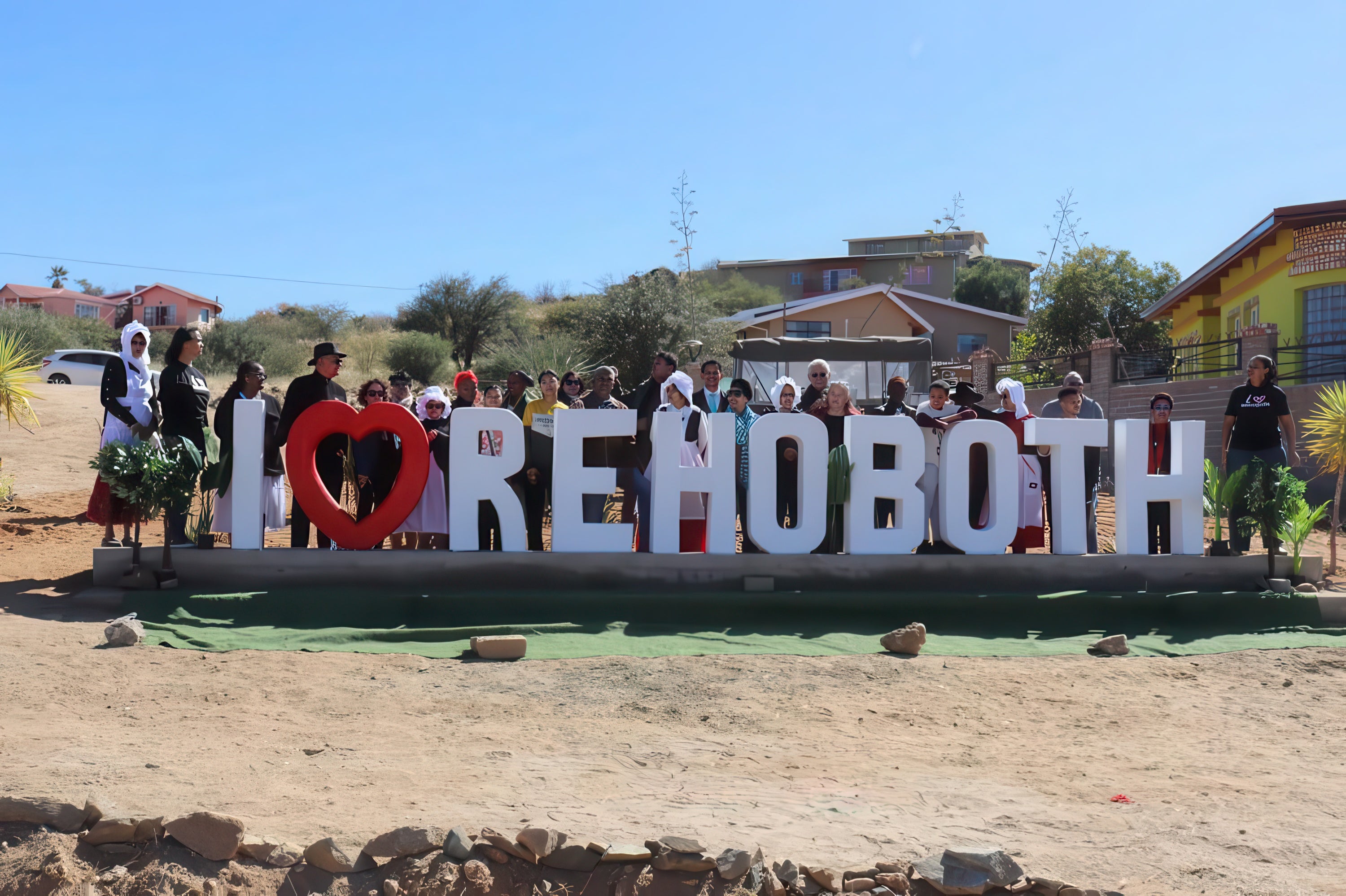
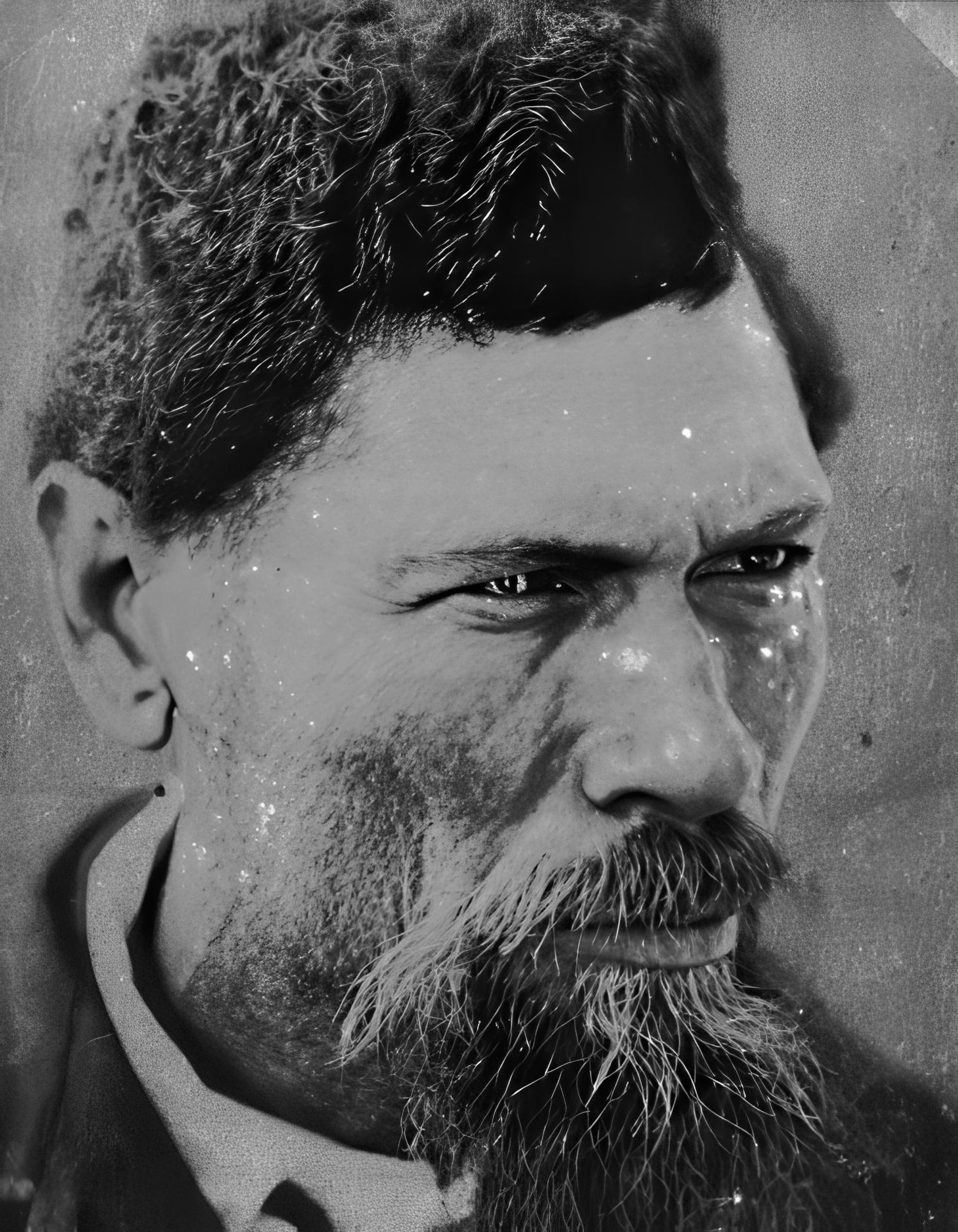
- 1870: Under the visionary leadership of Kaptein Hermanus van Wyk, the Basters negotiated and concluded a historic Peace and Friendship Treaty with neighboring Nama communities. This diplomatic accord stands as one of the earliest documented treaties between independent Indigenous groups in southern Africa, underscoring a foundational commitment to peaceful coexistence.
- 1872: Recognizing that geographical settlement required robust social and legal structures, the community formally adopted the Vaderlike Wette (Paternal Laws) just two years after their arrival.
- Late 19th to Mid-20th Century: The community successfully administered its internal affairs, land allocation, and judicial matters under German colonial rule and subsequent South African administration, preserving a high degree of local autonomy.
- 1990: Following Namibia’s hard-won independence, the legal and administrative landscape shifted toward a centralized constitutional democracy, prompting ongoing dialogue between the Baster traditional authority and the national government regarding land rights and communal administration.
The Constitutional Architecture of the Vaderlike Wette
Unlike legal codes imposed by colonial authorities, the Vaderlike Wette emerged organically from the collective will of the people. Enacted in 1872, these laws functioned as a comprehensive constitutional foundation, delineating clear protocols for land ownership, public administration, judicial proceedings, and community conduct.
The philosophy underpinning the Vaderlike Wette prioritizes collective well-being and shared responsibility over rigid individualism. Within this system, leadership is viewed strictly as an instrument of public service rather than an apparatus of domination. Decisions regarding communal resources and civil disputes have historically relied on extensive dialogue, consensus-building, and mediation, ensuring that social cohesion remains intact even during periods of internal stress.
At the apex of this traditional administrative structure stands the Kaptein. Historically embodied by figures such as the community’s first leader, Hermanus van Wyk, and subsequent leaders like the late Hans Diergaardt and John McNab, the office of the Kaptein transcends mere political authority. Functioning as the primary custodian of Baster heritage, the Kaptein works in close consultation with elected advisory councils. This collaborative model ensures that administrative authority remains deeply connected to the populace it serves.
Socio-Economic Context and Communal Land Management
Geographically, Rehoboth spans an area critical to central Namibia’s agricultural and transit infrastructure. The community’s traditional approach to land management diverges sharply from modern capitalist real estate models. Historically, communal farm lands surrounding Rehoboth were treated not as liquid economic capital, but as an intergenerational trust.
Practices such as regulated rotational grazing, rigorous water conservation, and mutual labor sharing were institutionalized to prevent environmental degradation in a fragile ecosystem. Contemporary environmental analysts note that these Indigenous stewardship models hold valuable lessons for modern climate change adaptation strategies in arid regions like southern Africa, where sustainable land management is paramount.
Official Responses and Contemporary Legal Frameworks
In modern Namibia, the relationship between traditional authorities and the centralized state is governed by the Traditional Authorities Act. While the Namibian government exercises overarching sovereign jurisdiction, recognized traditional communities retain constitutional protections for their cultural practices, customary laws, and communal identities.
Representatives of the Rehoboth Baster Kaptein’s Office have consistently engaged in formal dialogues with state authorities to balance national integration with the preservation of localized administrative rights. These discussions frequently center on the legal status of communal land and the formal recognition of traditional judicial processes. While federal officials emphasize the supremacy of the national constitution, legal scholars point out that accommodating Indigenous governance structures strengthens democratic pluralism and fosters national reconciliation.
Socioeconomic Challenges and Modern Relevance
Despite their rich historical legacy, the Rehoboth Basters are not immune to contemporary socioeconomic pressures. Like many semi-urban and rural regions across Namibia, Rehoboth grapples with high youth unemployment, economic inequality, outward migration, and the complexities of modern land tenure reform.
Community leaders and local observers argue that the core tenets of the Vaderlike Wette—accountability, transparency, environmental stewardship, and mutual aid—provide a practical framework for addressing these modern grievances. By leveraging traditional institutional networks, community-led initiatives are increasingly targeting youth development programs, cultural preservation projects, and local economic revitalization efforts.
Broader Implications for Indigenous Governance Globally
The ongoing evolution of the Rehoboth Baster community offers broader insights for Indigenous populations worldwide. The community’s trajectory demonstrates that traditional governance systems are not static relics of the past, but dynamic, living institutions capable of navigating centuries of external pressure.
By maintaining oral histories, celebrating annual cultural commemorations, practicing the Afrikaans language, and upholding church traditions, the Basters have insulated their cultural identity against the homogenizing forces of globalization. As nation-states globally reevaluate their relationships with Indigenous populations, the Rehoboth model highlights the viability of dual systems where cultural autonomy and national citizenship coexist.
Ultimately, the enduring spirit of Rehoboth self-governance relies on the active transmission of heritage from elders to the younger generation. As long as the community continues to honor the philosophical foundations laid by Hermanus van Wyk and the architects of the 1872 Vaderlike Wette, the legacy of the Rehoboth Basters will remain a vibrant cornerstone of Namibia’s diverse cultural mosaic.