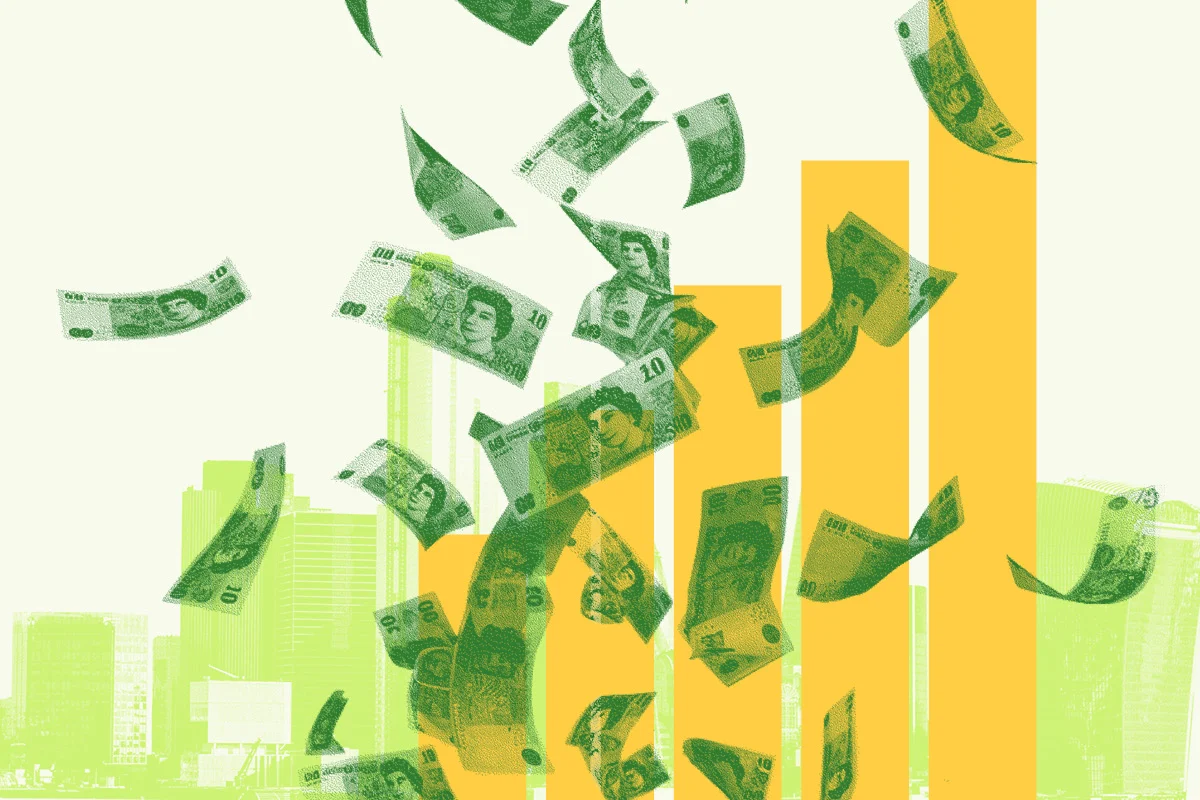
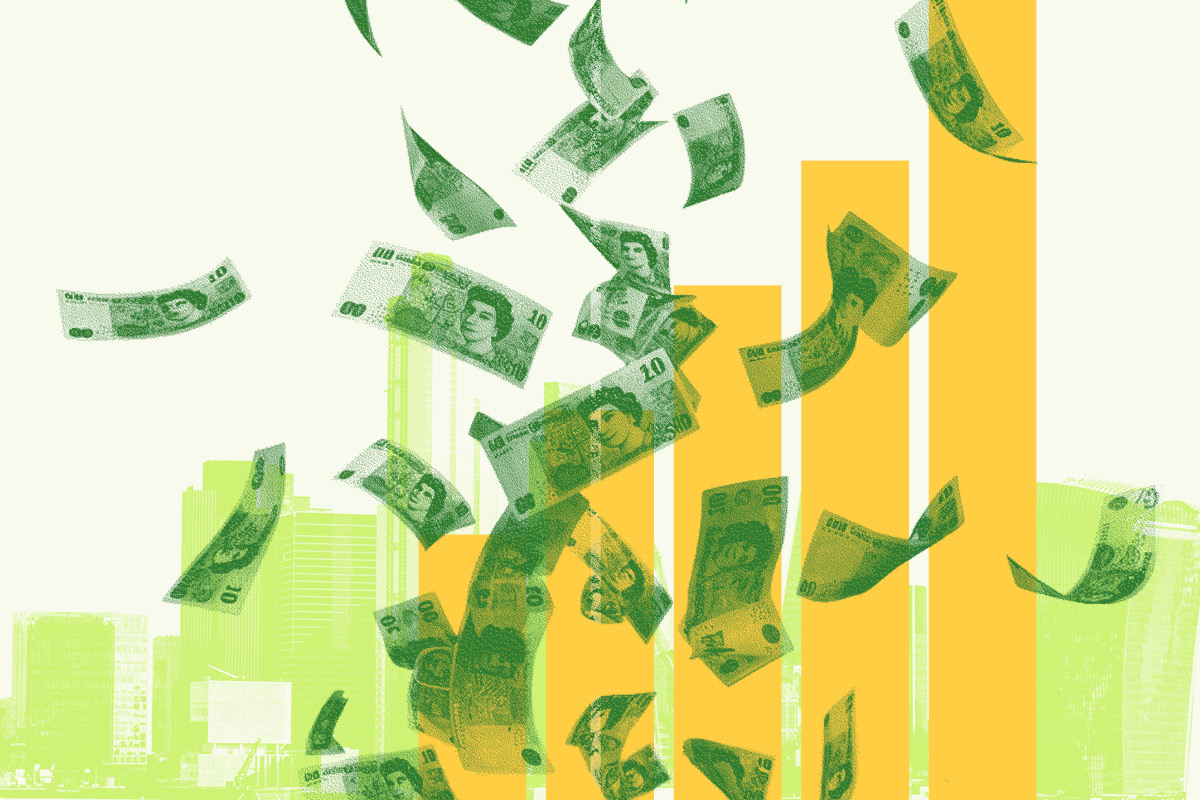
The Equality Trust has released a comprehensive analysis revealing that Britain’s 157 billionaires now command wealth equivalent to 22% of the nation’s Gross Domestic Product (GDP), a dramatic escalation from just 4% in 1990. This finding, published in May 2026, highlights a deepening rift between the nation’s headline economic indicators and the lived reality of its citizens. While traditional metrics suggest a recovering economy, the report argues that much of this growth is "Ghost GDP"—wealth that exists on paper and in the coffers of the ultra-elite but fails to circulate through the wider economy or improve public services.
The data, derived from a longitudinal study of the Sunday Times Rich List and official Office for National Statistics (ONS) figures, shows that the 157 individuals at the apex of British society hold nearly £670 billion. In contrast, the bottom half of the population—approximately 34 million people—now holds less combined wealth than the 50 richest families in the country. This concentration of capital marks the highest level of wealth inequality in the United Kingdom since the late 19th century, prompting urgent calls from economists and social advocates for a fundamental restructuring of the British tax and regulatory systems.
The Evolution of the Hollow Economy: A 35-Year Chronology
The transition toward a "hollow economy" began in the late 20th century, but the pace of wealth concentration has accelerated significantly over the last decade. To understand the current 2026 landscape, it is necessary to examine the chronological shifts in how wealth is generated and retained in the UK.
In 1990, the Sunday Times Rich List recorded 15 billionaires with a combined wealth of £27 billion. At that time, these fortunes represented roughly 4p of every pound of UK GDP. Much of this wealth was still tied to industrial production and retail. However, the subsequent decades saw a systemic shift toward "rentier capitalism," characterized by wealth extraction rather than value creation. By the mid-2010s, the number of billionaires had surpassed 100, and their share of GDP had climbed into the double digits.
The 2020s marked a turning point. Following the economic volatility of the COVID-19 pandemic and the subsequent cost-of-living crisis, billionaire wealth grew at an unprecedented rate. While workers endured the longest pay squeeze in modern history—with real wages in 2024 still lagging behind 2008 levels in many regions—the ultra-wealthy benefited from soaring asset prices. By 2025, the number of billionaires whose wealth was derived primarily from finance, property, and inheritance reached 42, up from just three in 1990. Today, in 2026, finance alone accounts for 30% of all billionaire wealth, a fourfold increase in its share of the elite economy.
Ghost GDP and the AI Distortion
The term "Ghost GDP" was popularized in early 2026 by Citrini Research to describe an economy where headline growth is driven by artificial intelligence and automated financial transactions that do not translate into employment or wage growth. The Equality Trust argues that Britain has effectively become a "hollow economy," where GDP figures are inflated by the valuation of intangible assets and the internal accounting of multinational corporations.
This phenomenon is mirrored in Ireland, which serves as a cautionary tale for the UK. In 2025, Ireland’s GDP grew by 12%, yet the majority of this figure was attributed to intellectual property transfers and contract manufacturing by foreign firms. The distortion was so severe that Irish authorities were forced to adopt "Modified Domestic Demand" as a more accurate measure of economic health. The UK now faces a similar crisis of measurement; while the "Rich List" economy thrives, the domestic demand that sustains local businesses and communities remains stagnant.
Structural Corruption and Elite Capture
The report further explores the mechanisms that protect and sustain this concentration of wealth. "Elite capture"—the process by which a small group of wealthy individuals exerts disproportionate influence over political and regulatory institutions—has become a defining feature of the British state.
Since 2002, large political donations have increased sixfold, creating a system where wealth buys access to policymakers. This influence is reflected in the composition of the House of Lords, which has grown to over 750 members. Investigative data suggests a strong correlation between significant financial donations and appointments to the upper chamber. Furthermore, media concentration has reached a critical point, with three conglomerates now controlling 90% of national newspaper circulation. This dominance allows for the normalization of extreme wealth, often framing the "Rich List" as a celebratory milestone rather than a symptom of systemic imbalance.
Professor Kate Pickett, a leading authority on inequality, notes that this environment creates a "dual-track" legal and social system. "Extreme inequality doesn’t just buy political access; it creates a world where different rules apply to the ultra-wealthy," Pickett stated in a recent briefing. The report cites the persistent return of controversial political figures and the lack of reform in inheritance tax structures as evidence of a system designed to preserve dynastic wealth. Currently, through the use of discretionary trusts and complex legal frameworks, the largest estates in Britain can be passed to heirs virtually tax-free, bypassing the 40% inheritance tax rate that applies to the upper-middle class.
The Human Cost: Health and Wellbeing Disparities
The consequences of the hollow economy are not merely financial; they are biological and social. Data from the Health Foundation in 2026 reveals that healthy life expectancy in the UK has fallen by two years over the past decade, now sitting below 61 years. This places Britain second to last among comparable wealthy nations, ahead only of the United States—the most unequal nation in the developed world.
The disparity in health outcomes is starkly divided along economic lines. Individuals living in the most affluent areas can expect 20 more years of healthy life than those in the poorest regions. This "health gap" is a direct result of chronic stress, poor housing quality, and the erosion of public services, all of which are exacerbated by a tax base that fails to capture the gains of the ultra-wealthy.
UNICEF’s 2026 Report Card 20 further underscores the impact on the next generation. The UK ranks 35th for income inequality and 25th for child poverty among the world’s wealthiest nations. These rankings suggest that the "Ghost GDP" of the billionaire class provides no "trickle-down" benefit to the millions of children living in households where basic needs are increasingly difficult to meet.
Environmental Impact and Climate Plunder
The Equality Trust also highlights the environmental cost of extreme wealth concentration. Drawing on 2024 and 2025 data from Oxfam, the report notes that Britain’s richest 0.1% are 56 times more polluting than those on the lowest incomes. The carbon footprint of a billionaire’s lifestyle—including private jets and superyachts—is significant, but it is their investment portfolios that cause the most damage.
Nearly 40% of billionaire investments are concentrated in high-polluting industries such as oil, gas, shipping, and cement. Since 1990, while the bottom 90% of the UK population has reduced its carbon emissions by 26%, the emissions associated with the top 1% have risen by over 50%. This "climate plunder" illustrates that the hollow economy is not only socially unsustainable but also poses a direct threat to the planet’s ecological limits.
Toward a "Beyond GDP" Framework
The report concludes with a call for a paradigm shift in how the UK measures success. This aligns with the United Nations High-Level Expert Group on "Beyond GDP," which in May 2026 launched a proposal to replace traditional growth metrics with 31 indicators focusing on wellbeing, equity, and sustainability.
Proposed solutions to address the hollow economy include:
- Progressive Wealth Taxes: Implementing a structural limit on the concentration of power by taxing assets above a certain threshold.
- Democratic Reform: Capping political donations and breaking up media oligopolies to prevent elite capture.
- Universal Basic Services: Moving beyond the "sticking plaster" of minor welfare adjustments to provide robust, publicly funded healthcare, transport, and digital infrastructure.
- New Economic Indicators: Adopting measures that account for the circulation of wealth and the health of the "foundational economy"—the sectors that provide the essential goods and services of everyday life.
As the 2026 local elections indicated, public dissatisfaction with the "hollowed-out" economy is manifesting as political volatility. Analysts warn that if the system continues to function as a mechanism for wealth extraction rather than distribution, the risk of systemic collapse or social breakdown will continue to rise. The Equality Trust’s findings serve as a final warning that headline GDP growth is no longer a valid proxy for national prosperity. In an era of Ghost GDP, the success of the few has become inextricably linked to the stagnation of the many.