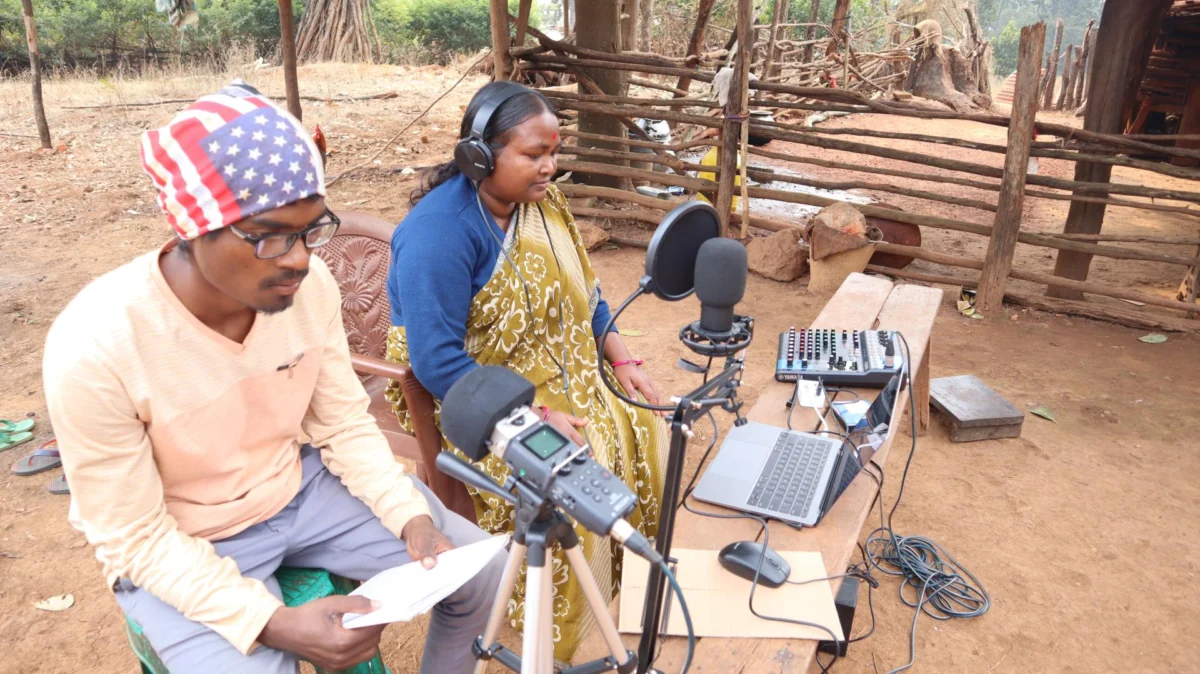
In the verdant, undulating hills of Netarhat, Jharkhand, a region where the vibrant red earth signifies both ancestral heritage and the ever-present allure of industrial exploitation, a new sound is resonating, distinct from the industrial clamor that often threatens its tranquility. This is not the metallic grind of excavators or the somber lament of falling timber, but the steady, rhythmic cadence of Asur language radio programs, broadcasting a vital pulse from village to village. Asur Adivasi Mobile Radio (AAMR), a pioneering community media initiative, has emerged as an indispensable lifeline for the Asur community, a marginalized Indigenous tribe in eastern India. Through its multifaceted work of informing, educating, and inspiring, AAMR is actively striving to safeguard its ancestral lands, preserve its rich cultural tapestry, and secure a viable future against the escalating threats of mining and forced displacement.
Genesis of a Movement: Addressing Critical Threats to Asur Identity
The establishment of AAMR was a direct response to a confluence of critical challenges facing the Asur people. For generations, their existence has been intrinsically linked to the forests and lands they inhabit, rights that have been progressively eroded by the insatiable demands of the mining industry. This environmental degradation is exacerbated by socio-economic pressures that have led to alarming rates of youth migration, often exposing vulnerable individuals to the perils of human trafficking. Compounding these issues is the precarious state of the Asur language itself, an endangered linguistic heritage lacking a stable and accessible platform for documentation and revitalization.
The initiative, launched with the objective of tackling these interconnected problems, recognized the profound impact of communication in empowering marginalized communities. By integrating technical training in radio production with vital lessons on constitutional rights, AAMR has been instrumental in cultivating a new generation of land defenders, equipped not only with traditional knowledge but also with the sophisticated tools of modern communication. This dual approach aims to foster both local agency and broader engagement with national and international legal frameworks safeguarding Indigenous rights.
A Platform for Resistance and Cultural Reclamation
For the Asur community, AAMR represents a significant turning point in their enduring struggle for survival and self-determination. The radio programs have become a powerful instrument for raising awareness about the insidious impacts of mining activities, directly challenging the narrative of "development aggression" often imposed upon their territories. Local markets, once solely economic hubs, have been transformed into vibrant spaces for public discourse and collective resistance, amplified by the digital reach of AAMR’s broadcasts.
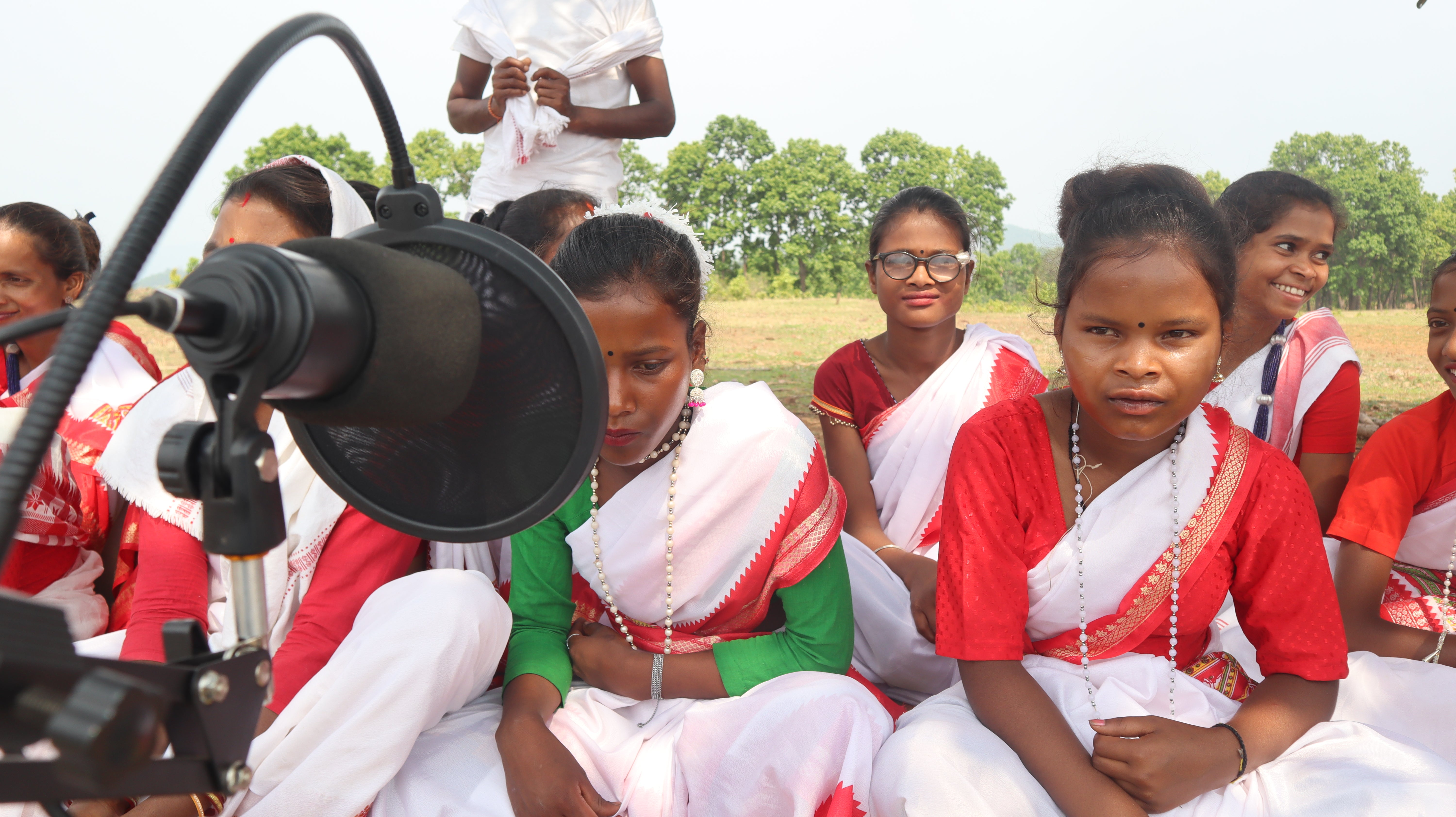
“Through the activities of AAMR, we learned that our voices can reach beyond our villages,” states Asinta Asur, an AAMR leader from Jobhipat. Her sentiment underscores the transformative power of the initiative, providing a tangible platform where the community can articulate its concerns and aspirations. “The radio has given us strength and a platform to speak about our land, our forests, and our rights,” she adds, highlighting the profound psychological and social empowerment derived from having their voices amplified and acknowledged.
Empowering Youth and Reclaiming Heritage
The initiative’s success in engaging and empowering the younger generation is particularly noteworthy. Vivek Asur, a trainee and youth broadcaster from Sakhuapani, articulates this transformation: “Earlier, I was hesitant, but after this training, I can now record and broadcast radio programs myself. I feel proud that our Asur language is being heard in the markets and even online.” This personal account exemplifies the project’s ability to foster confidence and a sense of pride in cultural identity among young Asur individuals, actively countering the pervasive sense of marginalization and disempowerment.
The radio has also become an indispensable educational resource, offering crucial insights into legal rights and providing a much-needed space for diverse voices within the community to be heard. Barnabas Toppo, an AAMR volunteer from Lupungpat, recounts his eye-opening experience: “This was the first time I understood how mining is connected to our rights in the Constitution. I feel more confident to speak up in the village council.” This newfound understanding of their constitutional entitlements empowers community members to engage more effectively in local governance and advocate for their rights with greater assurance.
Furthermore, AAMR is playing a pivotal role in fostering gender equality and amplifying women’s voices in community decision-making processes. Sushma Asur, a respected community leader from Sakhuapani, observes, “The Radio gave us courage to stand together against mining. Now we women can speak in the meetings; [it’s] not just the men [who] can participate and speak.” This inclusive approach ensures that the collective strength of the community is harnessed, recognizing the indispensable contributions of women in their fight for land and cultural preservation.
Bridging Generational Divides and Preserving Endangered Language
Beyond its political and environmental advocacy, AAMR is a vital conduit for preserving Asur culture, which many fear is teetering on the brink of extinction. The broadcast of traditional Indigenous songs over market speakers creates a powerful intergenerational dialogue, connecting Elders who hold invaluable ancestral knowledge with the youth who are tasked with its perpetuation. Ajay Asur, an Elder from Sakhuapani, reflects on this cultural revival: “When I hear the songs of our ancestors on the radio, I feel that our traditions are alive again. The young people are learning what we had almost forgotten.” This sentiment highlights the profound impact of AAMR in rekindling cultural memory and ensuring the continuity of ancestral traditions.
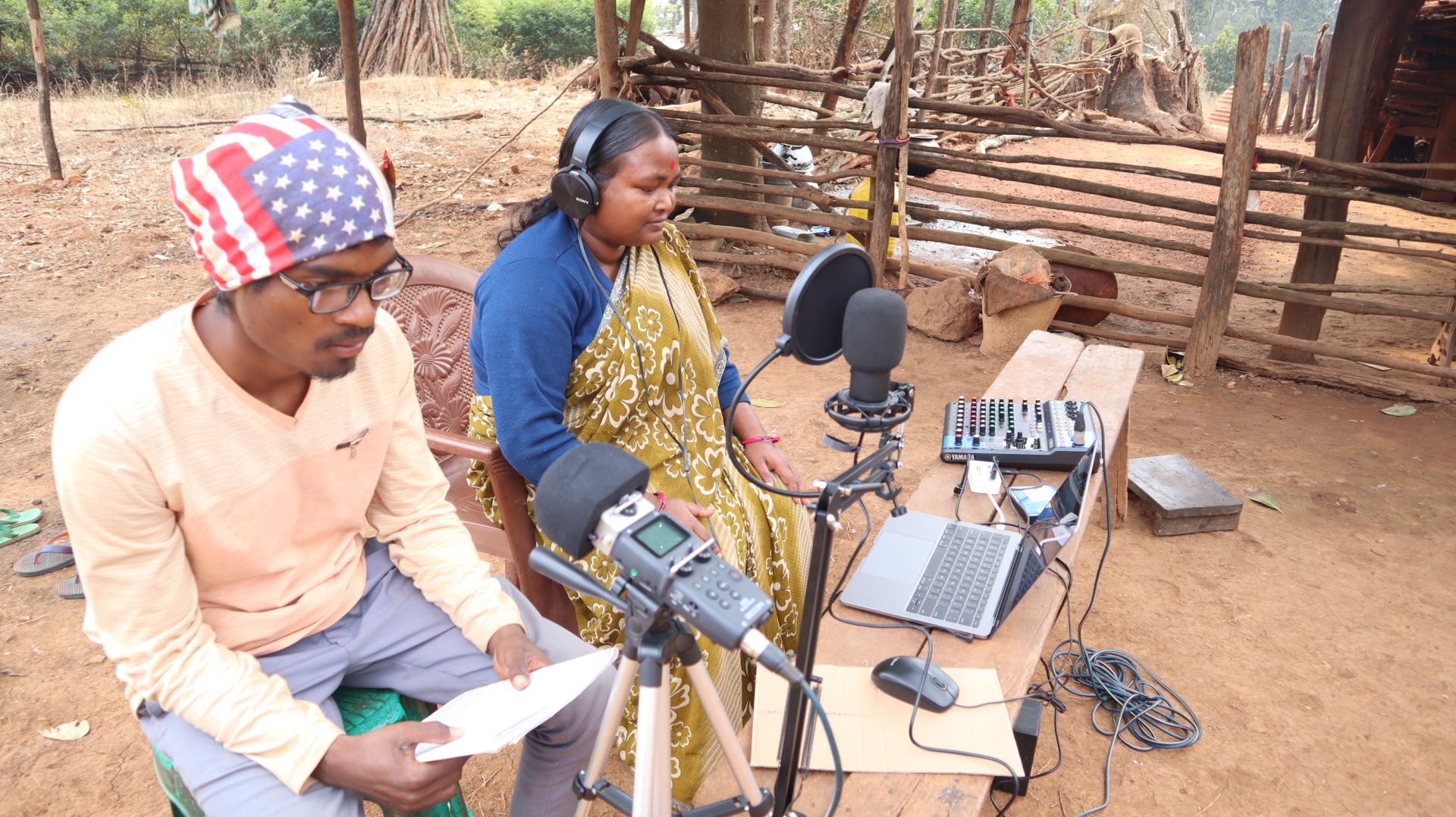
The initiative also offers a compelling alternative to the hazardous and exploitative labor prevalent in local mines. Bhikha Asur, a volunteer from Jobhipat, shares his personal journey: “Working with the radio saved me from going to the mines for daily wage work. Now I am using my energy to create programs for our community.” This illustrates how AAMR provides not only economic alternatives but also a sense of purpose and contribution to community well-being. Shradhanand Kerkett of Lupungpat echoes this sentiment, stating that while he once contemplated leaving his village for work, he now feels a profound sense of belonging and commitment: “here…serving my community.” This shift in perspective signifies a re-rooting of youth in their ancestral lands and a dedication to collective upliftment.
Reaching National Platforms and Facing Persistent Challenges
The impactful work of AAMR has not gone unnoticed, garnering attention from mainstream media and state institutions. Collaborations with All India Radio and Ranchi Doordarshan have provided the AAMR team with unprecedented opportunities to share their radio programs on national public media platforms. This marked a significant milestone, as Asur language songs and stories were broadcast to a much wider audience, a first for the community and a testament to the growing recognition of Indigenous voices.
Despite these remarkable achievements, the project continues to grapple with persistent financial instability. This often compels dedicated volunteers to return to precarious daily wage labor to sustain themselves, posing a constant threat to the sustainability of the initiative. Nevertheless, the Asur community remains steadfast in its commitment to AAMR. For Elders like Ropani Asur, the mere act of hearing the radio in their native tongue is a powerful reassurance: “For years I was worried that our language would disappear. Hearing the radio in Asur makes me feel our grandchildren will remember who we are.” This emotional resonance underscores the deep cultural significance and the enduring hope that AAMR instills.
A Beacon of Indigenous Media Power and Resilience
As the Asur People navigate the escalating challenges posed by increasing industrialization and the pervasive threat of displacement, Asur Adivasi Mobile Radio stands as a powerful testament to the efficacy of Indigenous-led media. Melan Asur, an Elder from Jobhipat, articulates the station’s critical role: “Radio is our lifeline to organize and unite our Asur community. Every day we face violence from the state and from dikus (outsiders). Mining, deforestation, displacement, and human trafficking are tearing our lives apart.” His words powerfully encapsulate the multifaceted struggles faced by the community and the indispensable role of AAMR as a unifying force and a beacon of hope.
The initiative’s ongoing efforts, bolstered by the crucial support of organizations like Cultural Survival, demonstrate the profound impact that community-driven communication strategies can have in safeguarding cultural heritage, defending ancestral lands, and fostering resilient futures for Indigenous populations worldwide. The unwavering echo of Asur voices, amplified by AAMR, is not merely a broadcast; it is a declaration of existence, a call for justice, and a vibrant affirmation of cultural survival in the face of formidable odds. The ongoing success of AAMR serves as a compelling case study for other Indigenous communities facing similar existential threats, illustrating the potent synergy between technological innovation, cultural preservation, and grassroots activism.