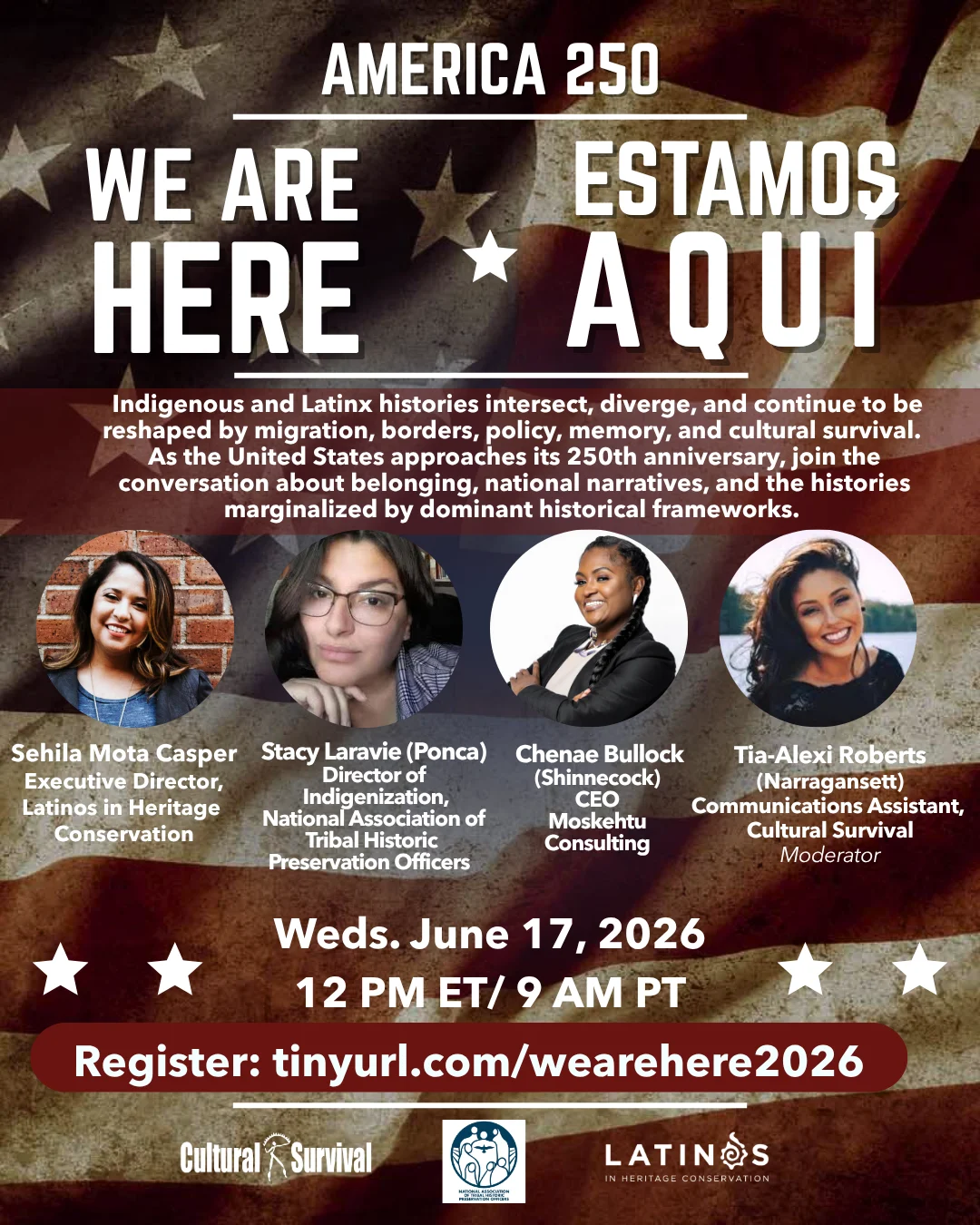
The upcoming webinar, "We Are Here," scheduled for June 17, 2026, at 13:37 UTC, promises to be a pivotal event for understanding and amplifying Indigenous voices on a global scale. Organized by Cultural Survival, a venerable organization dedicated to advocating for Indigenous Peoples’ rights and supporting their self-determination, cultures, and political resilience since 1972, this virtual gathering aims to foster dialogue and share critical insights from Indigenous communities worldwide. The event’s title itself, "We Are Here," is a powerful declaration of presence, resilience, and the enduring spirit of Indigenous peoples who continue to assert their rights and cultural heritage in the face of contemporary challenges.
The Significance of "We Are Here"
The choice of the title "We Are Here" is not incidental; it is a deliberate and resonant statement that underscores the ongoing struggle and perseverance of Indigenous communities. In an era where Indigenous lands are increasingly threatened by development, resource extraction, and climate change, and where their cultures and languages face erosion, this webinar serves as a vital platform for asserting their continued existence and their demands for recognition and respect. It signifies a collective affirmation of identity, a claim to ancestral territories, and a testament to the enduring strength of Indigenous cultures that have survived centuries of colonization and marginalization. The event aims to move beyond mere representation to a direct assertion of agency and presence.
Cultural Survival, the organizing body, has a long-standing commitment to amplifying Indigenous voices. Founded in 1972, the organization has consistently worked to support Indigenous peoples in their efforts to defend their rights, maintain their cultures, and govern themselves. Their vision is one of a future where Indigenous peoples’ inherent rights and dynamic cultures are deeply respected and interwoven into the fabric of global society, rooted in self-determination and self-governance. The "We Are Here" webinar aligns perfectly with this overarching mission, providing a contemporary platform for these enduring ideals.
Background and Context
The timing of this webinar, set for mid-2026, comes at a critical juncture for Indigenous rights globally. The United Nations Declaration on the Rights of Indigenous Peoples (UNDRIP), adopted in 2007, continues to be a foundational document, yet its full implementation remains a significant challenge in many nations. Indigenous communities around the world are grappling with issues such as land dispossession, environmental degradation due to industrial activities, political underrepresentation, and the urgent need to revitalize their languages and traditions.
Recent reports from various international bodies highlight the persistent disparities faced by Indigenous populations. For instance, data from the UN Permanent Forum on Indigenous Issues (UNPFII) consistently points to higher rates of poverty, lower educational attainment, and poorer health outcomes among Indigenous peoples compared to non-Indigenous populations in many countries. Furthermore, the alarming rate of language extinction, with estimates suggesting that up to 90% of Indigenous languages could disappear by the end of this century, adds another layer of urgency to initiatives that promote cultural preservation and revitalization.
The "We Are Here" webinar is therefore contextualized within a broader global movement for Indigenous rights, drawing inspiration from and contributing to the ongoing discussions and actions aimed at achieving tangible progress. It seeks to provide a space for Indigenous leaders, activists, academics, and community members to share their experiences, challenges, and successful strategies. The virtual format ensures a wider reach, allowing participation from individuals across continents, breaking down geographical barriers that often limit direct engagement.
Chronology of Events and Anticipated Content
While specific details about the speakers and exact session topics are yet to be fully disclosed, the overarching theme of "We Are Here" suggests a program that will likely cover a range of critical issues. Based on Cultural Survival’s past work and the current global landscape of Indigenous rights, the webinar is anticipated to feature discussions on:

- Indigenous Land Rights and Environmental Justice: This segment would likely explore the ongoing struggles of Indigenous communities to protect their ancestral lands from extractive industries, agricultural expansion, and infrastructure projects. Discussions could include legal battles, community-led conservation efforts, and the impact of climate change on traditional territories. Data on the disproportionate impact of environmental degradation on Indigenous lands could be presented, illustrating the urgent need for protective measures.
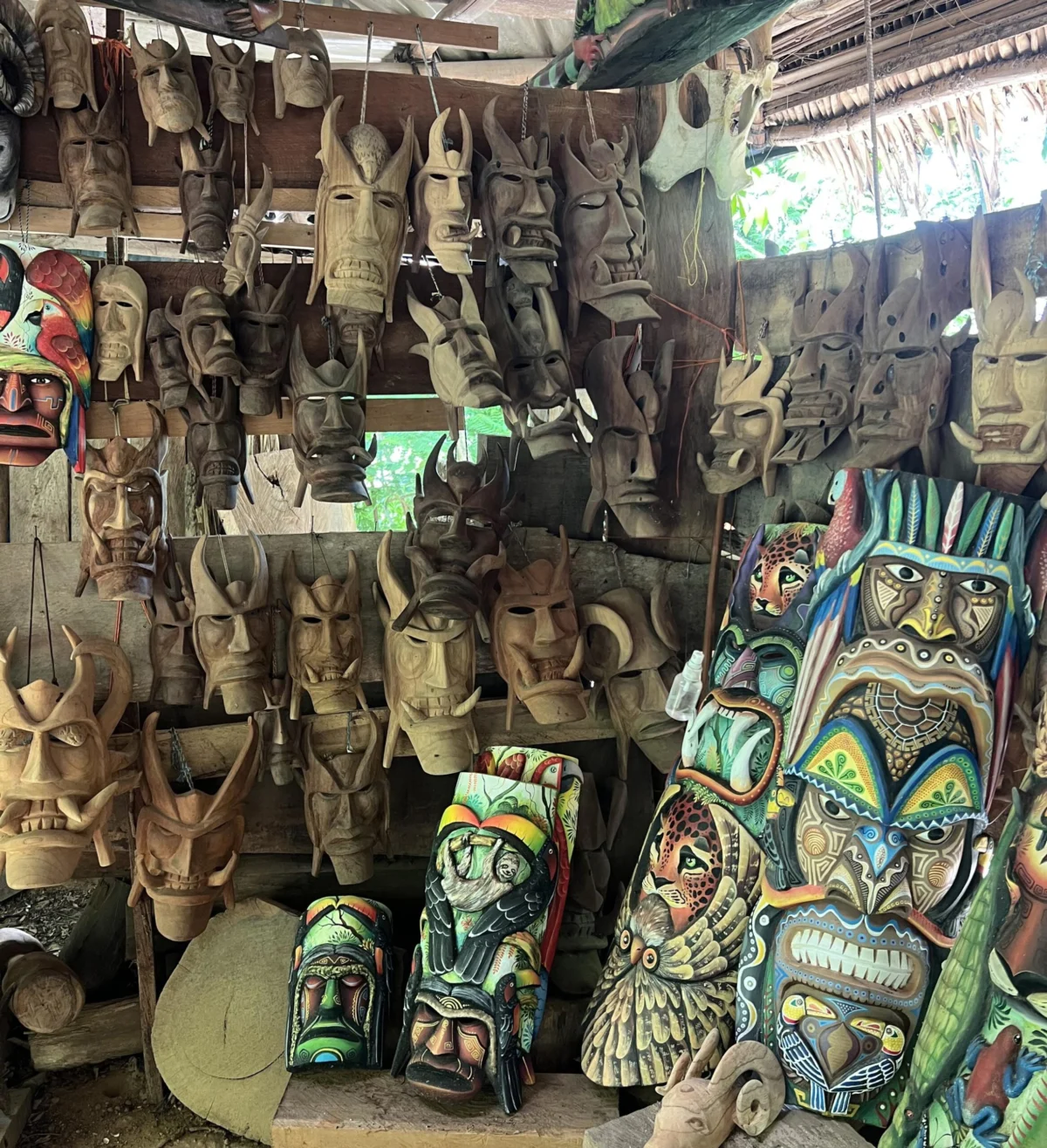
- Cultural Revitalization and Language Preservation: Given the alarming rate of language loss, this topic would be crucial. Sessions might focus on innovative approaches to teaching and preserving Indigenous languages, the role of media and technology in cultural transmission, and the importance of cultural practices in maintaining community identity and well-being. Case studies of successful language revitalization programs could be highlighted.
- Self-Determination and Governance: This area would delve into the political aspirations of Indigenous peoples, including their rights to self-governance, participation in decision-making processes, and the pursuit of greater autonomy. It could examine different models of Indigenous governance and the challenges of achieving equitable political representation.
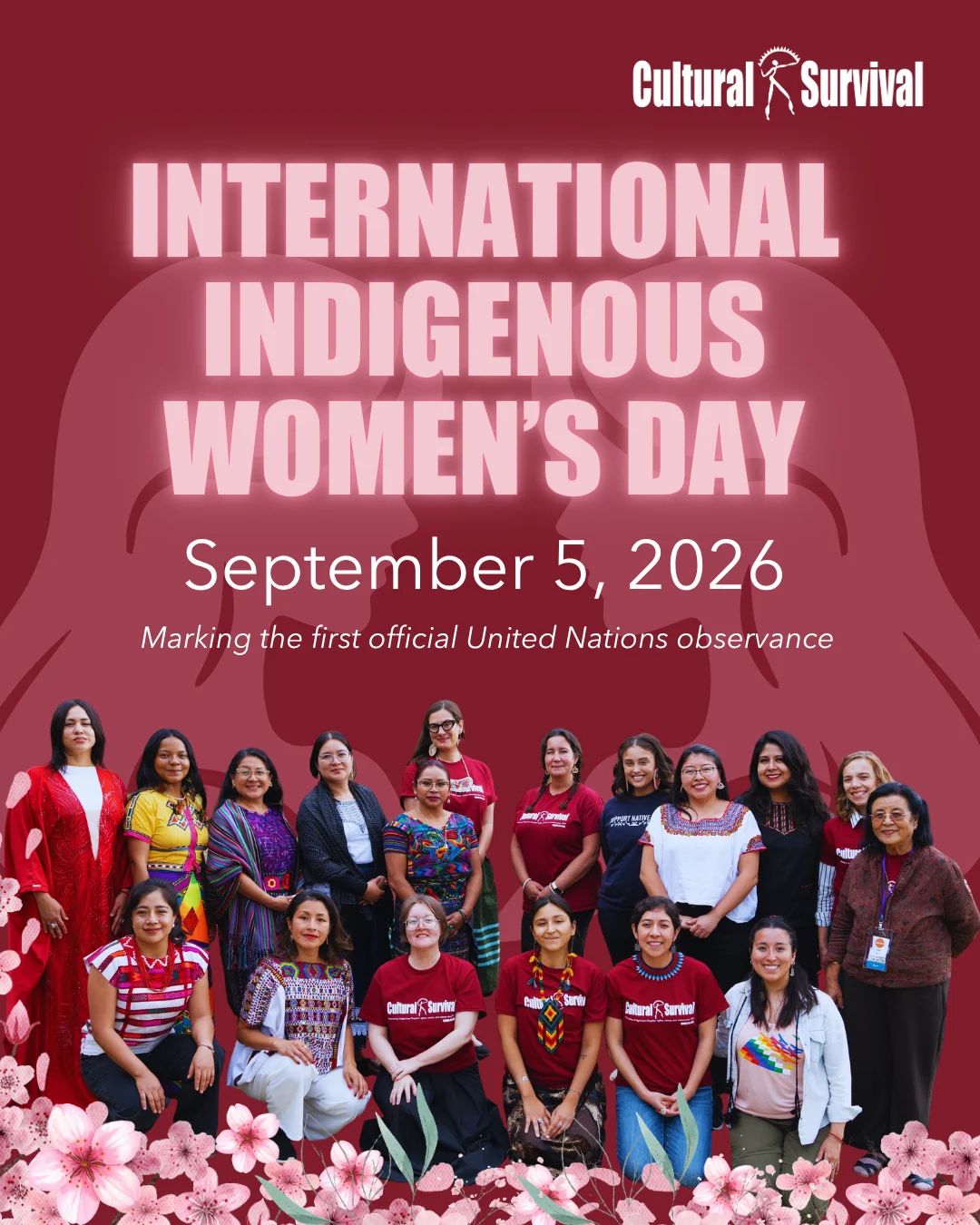
- Indigenous Women’s Leadership: Recognizing the vital role Indigenous women play in their communities, a dedicated segment might focus on their leadership in advocacy, cultural preservation, and sustainable development. This would offer insights into the unique challenges and contributions of Indigenous women.
- The Role of Indigenous Youth: Engaging the next generation of Indigenous leaders is paramount. Discussions could center on the perspectives of young Indigenous people on current issues, their involvement in activism, and their vision for the future of their communities.
The webinar is expected to incorporate presentations, panel discussions, and possibly interactive Q&A sessions, allowing for direct engagement with the speakers. The virtual format will likely facilitate the inclusion of pre-recorded video testimonials or presentations from Indigenous communities in remote locations, further enriching the diversity of perspectives.
Supporting Data and Evidence
To lend weight to the discussions, the webinar organizers are likely to draw upon a wealth of data and research. Cultural Survival, in its advocacy work, frequently utilizes statistics and reports from various sources, including:
- United Nations Reports: Data from bodies like the UN Permanent Forum on Indigenous Issues (UNPFII), the Office of the High Commissioner for Human Rights (OHCHR), and the Intergovernmental Panel on Climate Change (IPCC) regarding the status of Indigenous rights, land tenure, and environmental impacts. For example, reports indicating that Indigenous peoples manage 25% of the world’s surface area, which holds 80% of the planet’s biodiversity, underscore their critical role in environmental conservation and the need for their land rights to be respected.
- Academic Research: Findings from anthropologists, sociologists, political scientists, and environmental researchers specializing in Indigenous studies. This could include demographic data, socio-economic indicators, and studies on cultural practices and resilience.
- Indigenous Organizations’ Data: Information compiled by Indigenous-led organizations worldwide, providing direct insights into the realities on the ground. This might include community surveys, impact assessments of development projects, and reports on human rights violations.
- Linguistic Data: Statistics from organizations like UNESCO on endangered languages, highlighting the urgency of language preservation efforts.
By integrating such data, the "We Are Here" webinar will move beyond anecdotal evidence to provide a robust, fact-based understanding of the challenges and triumphs of Indigenous peoples. This approach is crucial for informing policy-makers, the public, and international bodies.
Potential Reactions and Official Responses
The "We Are Here" webinar is likely to garner attention from a diverse range of stakeholders. Indigenous communities themselves will view it as a vital opportunity to connect, share strategies, and reinforce their collective voice. Activists and advocacy groups will see it as a crucial platform for raising awareness and mobilizing support for Indigenous rights.
Government agencies and international organizations that are committed to upholding Indigenous rights may view the webinar as an important source of information and a platform for dialogue. Their responses could range from acknowledging the issues raised, committing to further engagement with Indigenous communities, or even re-evaluating existing policies and practices. Conversely, entities whose operations may be scrutinized for their impact on Indigenous lands and rights might respond with defensiveness or by downplaying the concerns voiced during the event.
Non-governmental organizations (NGOs) working in human rights, environmental protection, and cultural preservation are expected to actively promote the webinar and engage with its content. They will likely use the information and discussions to bolster their own advocacy efforts and to call for greater accountability from governments and corporations.
Broader Impact and Implications
The "We Are Here" webinar holds the potential for significant broader impact. By providing a unified and amplified voice for Indigenous peoples, it can:
- Enhance Global Awareness: The event will shine a spotlight on the ongoing struggles and achievements of Indigenous communities, fostering greater understanding and empathy among a global audience. This increased awareness is a crucial first step towards meaningful change.
- Influence Policy and Legislation: The discussions and data presented can inform the development and implementation of policies at local, national, and international levels that better protect Indigenous rights and support their self-determination. This includes advocating for the full implementation of UNDRIP.
- Strengthen Indigenous Networks: The virtual format will facilitate connections and collaboration among Indigenous activists, leaders, and communities worldwide, fostering a stronger sense of solidarity and enabling the sharing of best practices and resources.
- Promote Cultural Exchange and Preservation: By highlighting the richness and diversity of Indigenous cultures, the webinar can contribute to their preservation and promote a greater appreciation for Indigenous knowledge systems and worldviews.
- Empower Indigenous Communities: The affirmation of "We Are Here" directly challenges narratives of invisibility and marginalization, empowering Indigenous peoples to assert their rights and claim their rightful place in global society.
In conclusion, the "We Are Here" webinar, organized by Cultural Survival, is poised to be a significant event in the ongoing global discourse on Indigenous rights. Scheduled for June 17, 2026, it offers a critical platform for Indigenous voices to be heard, for vital issues to be discussed with data-driven rigor, and for a collective affirmation of presence and resilience to resonate across the world. Its success will be measured not only by the immediate engagement it garners but by its lasting contribution to the ongoing journey towards Indigenous self-determination, cultural vitality, and equitable coexistence.