
For generations, the global media landscape has largely functioned as an instrument of erasure, filtering Indigenous stories through the lens of colonial institutions. Across the borderlands of Brazil and Paraguay, the Guarani-Kaiowá people, like countless other Indigenous nations worldwide, grew up navigating a media vacuum. When Indigenous communities appeared in newspapers, magazines, or television broadcasts, coverage was historically restricted to tragedy, political conflict, or flat tropes. This systemic misrepresentation created a specific kind of cultural isolation—what writers and advocates describe as a profound quietness that comes from closing a publication and realizing one’s lived reality was entirely omitted.
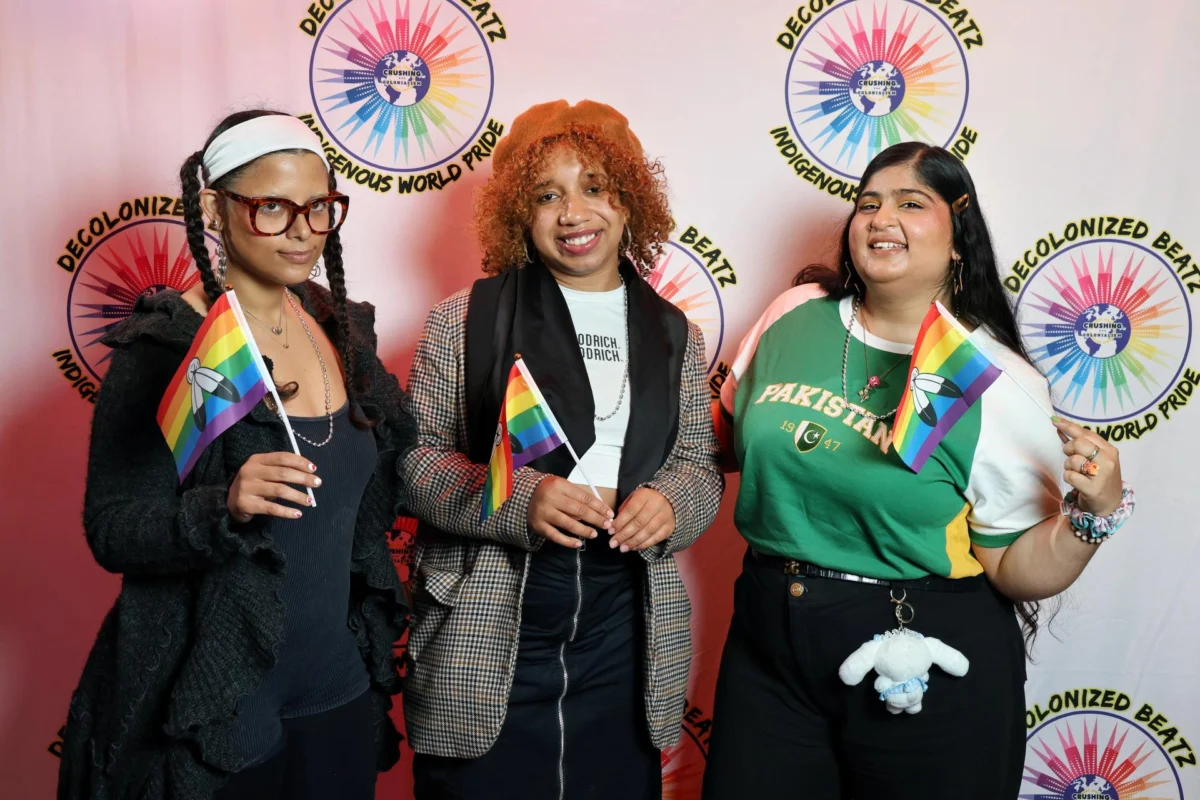
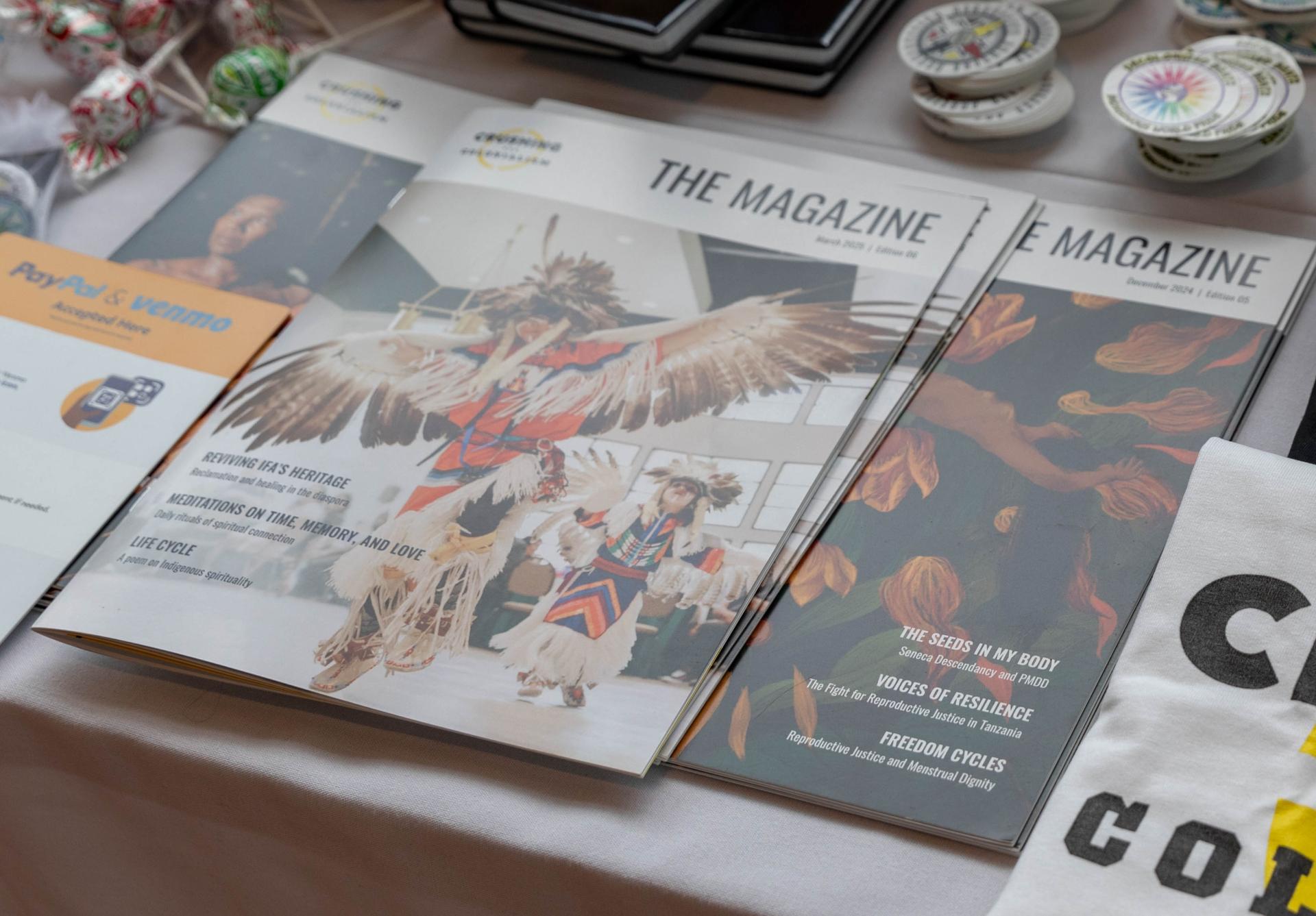
To combat this systemic exclusion, Indigenous journalists, writers, and artists have increasingly built independent media infrastructure. At the forefront of this movement is Crushing Colonialism, an Indigenous-led nonprofit organization based on Piscataway land in Washington, D.C. Operating primarily through journalism, advocacy, and community-building, the organization seeks to dismantle colonial narratives by placing Indigenous voices at the foundation of storytelling. Central to this mission is The Magazine, a publication launched just over two years ago to provide a self-determined platform for Indigenous editors, designers, writers, and translators across international borders.
Chronology and Evolution of the Movement
The establishment of independent Indigenous media outlets like The Magazine represents a critical evolution in modern journalism, shifting the paradigm from external observation to self-determination.
- Pre-2023: Indigenous media workers frequently navigated hostile newsrooms, encountering a severe lack of mentorship, inadequate resources, and pressure to defend their cultural identities instead of focusing on investigative or creative reporting. Many extraordinary storytellers departed the profession altogether.
- Late 2023: Crushing Colonialism launched The Magazine to address systemic industry gaps. Designed to be entirely Indigenous-led from conception to publication, the initiative sought to bypass traditional gatekeepers who historically restricted coverage to stereotypes or tokenistic representation.
- 2025: Bolstered by strategic funding, including a grant from Cultural Survival’s Indigenous Community Media Fund, The Magazine expanded its operational scope, publishing three comprehensive issues covering international Indigenous experiences, IndigeQueer visibility, and community changemakers.
- 2026 and Beyond: Facing ongoing logistical challenges, including the temporary suspension and planned restoration of its Spanish print edition, the organization has turned its focus toward sustainable infrastructure development, establishing professional resources, and expanding international distribution networks.
Data and Philanthropic Disparities
The struggle for independent Indigenous media is underpinned by profound financial inequities within the global philanthropic and media sectors. According to recent data from philanthropic tracking organizations, only a fractional percentage—roughly 0.4%—of total philanthropic funding in the United States is directed toward Native-led organizations.
Simultaneously, similarly thin margins of financial support reach organizations dedicated to disability justice and the 2SLGBTQIA+ community. Crushing Colonialism and publications like The Magazine sit directly at the intersection of these marginalized demographics. The resulting financial precarity is not an accidental oversight, experts note, but a structural legacy of historical divestment. Without robust institutional support, Indigenous media initiatives are forced to operate with minimal budgets, relying heavily on grassroots grants, volunteer labor, and community resourcefulness.
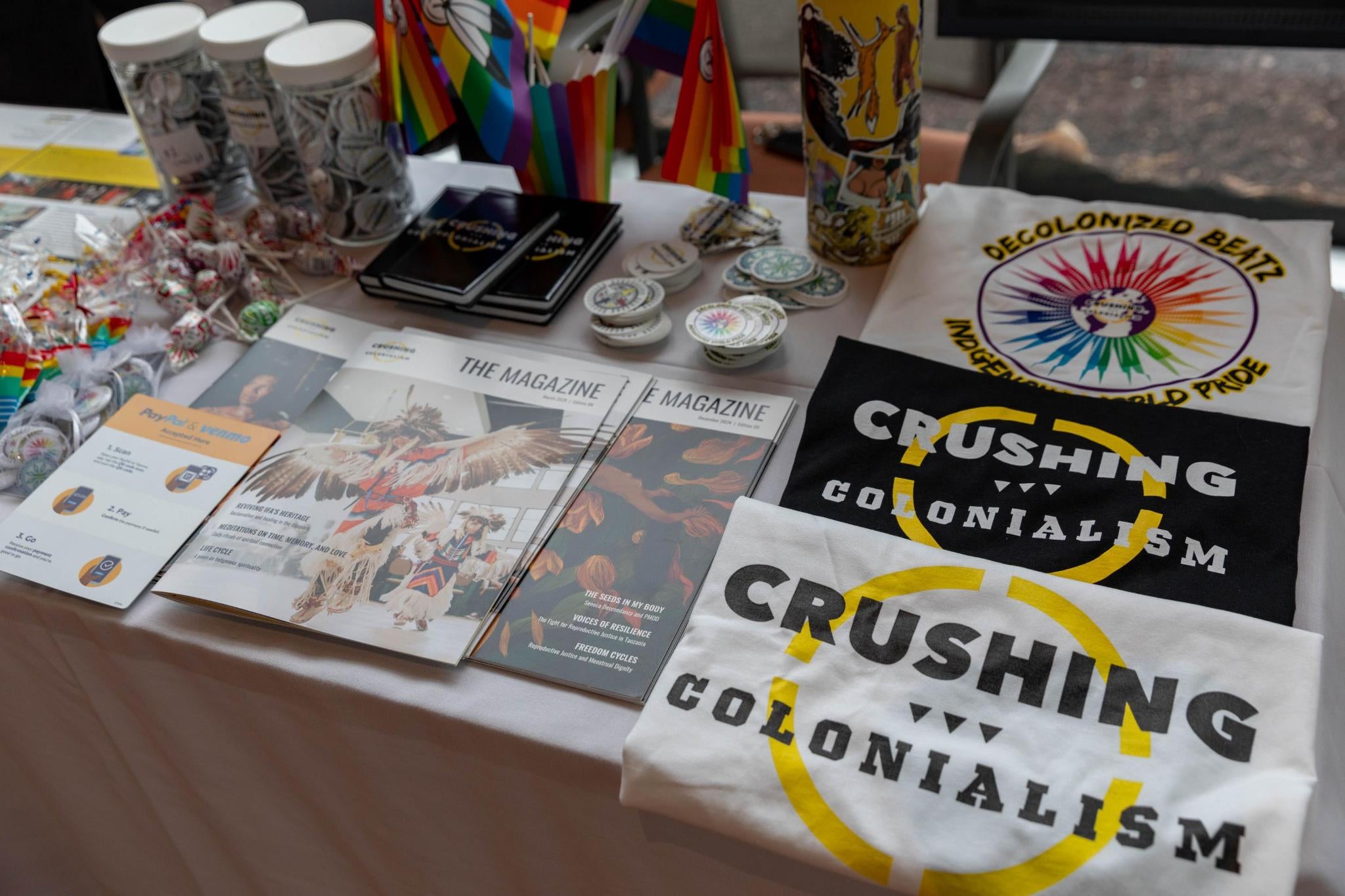
Despite these fiscal limitations, external funding mechanisms have proven vital. In 2025, Cultural Survival distributed a total of $502,000 through its Indigenous Community Media Fund, supporting 63 Indigenous communication projects across 29 countries, including Argentina, Brazil, Canada, the United States, Mexico, Norway, and Tanzania. This funding enabled platforms like The Magazine to maintain operations, produce specialized print runs, and distribute physical copies to readers who would otherwise be excluded by the digital divide.
Bridging the Digital Divide and Reaching Incarcerated Populations
A defining characteristic of The Magazine’s distribution model is its commitment to physical accessibility. While digital media dominates contemporary journalism, a significant portion of Indigenous communities—both in remote international territories and urban centers—experience the barriers of the digital divide.
To counteract this, the publication distributes physical copies alongside its online platform. Notably, these print runs are actively sent to incarcerated Indigenous individuals. Indigenous populations face disproportionate rates of incarceration within facilities such as the Miami Correctional Facility and Red Onion State Prison. By delivering physical copies behind bars, the organization maintains a lifeline of cultural connection to individuals who are frequently forgotten by mainstream society.
Furthermore, the publication has prioritized multilingual accessibility. Contributors and subjects span over 11 countries, encompassing the Tlingit and Haida Nations, Guaraní territory, Sápmi, and the Yoruba and Igbo diaspora. However, structural challenges—such as the temporary suspension of the Spanish-language print edition in 2025 due to funding constraints—highlight the precarious nature of maintaining multilingual operations without steady institutional backing.
Professional Infrastructure and Capacity Building
Beyond publishing stories, Crushing Colonialism has actively worked to solve systemic professional inequities within the media industry. Mainstream journalism schools have historically provided students with foundational knowledge regarding contract negotiation, invoice preparation, tax forms, and fair labor pricing. However, Indigenous freelancers frequently enter the workforce without access to culturally tailored professional networks.
To rectify this, Crushing Colonialism developed specialized worker resource guides detailing how to calculate fair compensation, draft invoices, and navigate complex contracts. By equipping emerging Indigenous journalists with these tools, the organization aims to professionalize and sustain independent reporting careers, reducing burnout and economic exploitation.
Broader Impact and Implications
The emergence of self-determined Indigenous media carries profound implications for journalism ethics, cultural preservation, and human rights advocacy. When media organizations are controlled entirely by the communities they represent, the journalistic product shifts from extractive reporting to reciprocal storytelling.
Analysts suggest that the growth of independent platforms like The Magazine challenges the historical monopoly that colonial institutions have held over public memory. By documenting contemporary Indigenous life in all its multiplicity—including the intersections of indigeneity, disability, and queer identity—these publications reshape legal, political, and cultural imaginaries.
Nevertheless, the long-term viability of these platforms remains dependent on structural reform within philanthropic funding models. Observers note that sustainable support must move beyond sporadic grant cycles to long-term operational investments if Indigenous media outlets are to achieve permanent economic security.
As Crushing Colonialism prepares for its upcoming editorial cycles—including upcoming issues focused on spirituality and cultural survival, alongside expanded partnerships in Brazil, Sápmi, and Peru—the focus remains steadfastly on infrastructure. By building durable systems that ensure Indigenous storytellers are compensated, protected, and published on their own terms, the initiative continues to dismantle historical barriers, ensuring that future generations inherit a media landscape defined by presence rather than absence.




