
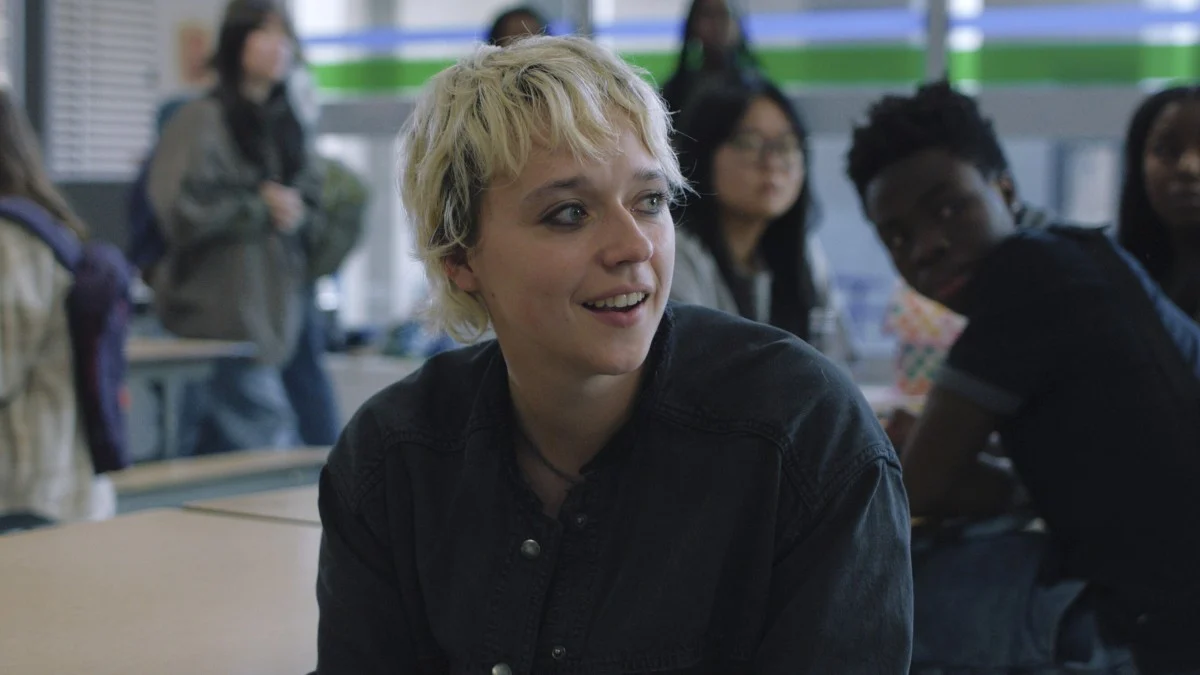
The release of Mike Flanagan’s eight-part miniseries adaptation of Stephen King’s debut horror novel, Carrie, marks a significant departure from previous cinematic iterations. While the core narrative—a telekinetic teenager pushed to the brink by relentless bullying and a repressive home environment—remains intact, this production shifts the focus toward the nuances of modern adolescence, digital-age social dynamics, and the historical marginalization of women possessing extraordinary capabilities. Produced for Prime Video, the series serves as both a faithful homage to the 1974 source material and a contemporary expansion of the mythos, placing Carrie White within the landscape of modern high school surveillance and online radicalization.
Chronology and Narrative Development
The series structure utilizes an expansive eight-episode arc, allowing for a more granular exploration of character motivations than the typical two-hour feature film format. The narrative follows Carrie White, portrayed by Summer H. Howell, as she exits a lifetime of isolation under the control of her mother, Margaret White (Samantha Sloyan). The timeline shifts from the insular, oppressive atmosphere of the White household to the chaotic, social-media-saturated environment of Ewen High School.
A critical narrative expansion in this adaptation is the inclusion of a prologue in each episode. These segments document historical accounts of women exhibiting unexplained, powerful phenomena—often categorized as "hysterical strength" or labeled as witchcraft—which were subsequently suppressed by male-dominated societal structures. This framing device suggests that Carrie’s telekinesis is not an isolated anomaly but part of a deeper, hidden lineage of female power, effectively evolving the source material from a tragic character study into a broader commentary on institutional control.
Character Dynamics and Modernized Bullying
The series replaces the singular, overt bullying tactics seen in past adaptations with the more pervasive, underhanded methods of the digital age. Chris Hargensen, played by Alison Thornton, serves as the primary antagonist, whose motivations are rooted in a fractured domestic life and a desperate need for social validation. Her bullying is characterized by the orchestration of digital humiliation, utilizing social media as a "burn book" to erode Carrie’s social standing.
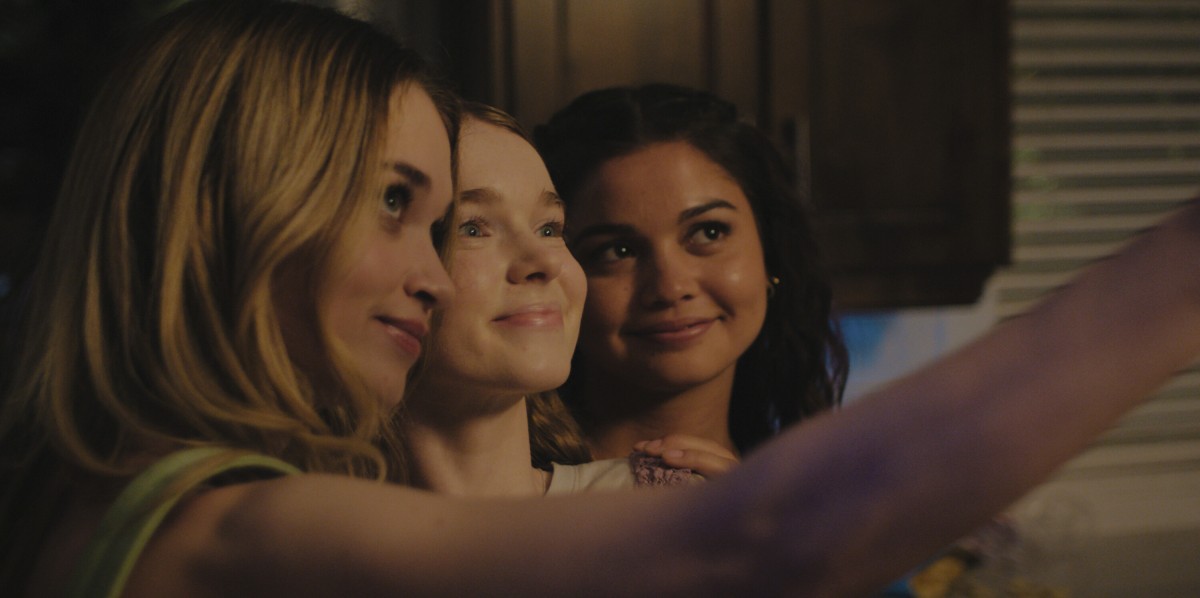
Siena Agudong’s Sue Snell provides a counter-perspective, illustrating the dangers of bystander apathy. The series meticulously tracks the deterioration of Sue’s moral agency, emphasizing that her failure to intervene early allowed a series of small, cruel acts to escalate into the eventual catastrophe at the high school prom. This depiction aligns with modern anti-bullying educational frameworks, which stress the importance of early intervention and the responsibility of the peer group in mitigating long-term trauma.
The Evolution of the Maternal Antagonist
Samantha Sloyan’s portrayal of Margaret White represents a significant update to the character’s archetype. Rather than a purely archaic religious zealot, this version of Margaret functions as a modern, internet-radicalized figure. She utilizes social media to propagate her isolationist ideologies, framing her abuse of Carrie as "protection" while building a network of like-minded, fearful parents. This characterization serves as a mirror for contemporary concerns regarding the radicalization of domestic spheres through digital echo chambers. The series frames Margaret not merely as a villain, but as a narcissist who uses the language of safety to maintain total control over her daughter, effectively positioning her as the primary architect of Carrie’s eventual psychological breaking point.
Supporting Data and Casting Significance
The production features a notable ensemble, including several actors frequently associated with Flanagan’s previous projects—often referred to by fans as the "Flavengers." These include Kate Siegel, who directed an episode and appears as Adelaide, an investigator interviewing survivors of the prom incident. The series also benefits from a diverse cast, including Josie Totah, Cassandra Naud, and Thalia Dudek.
While the show maintains a lack of explicit queer romance, its casting and production team reflect a deliberate effort toward inclusion. The behind-the-scenes leadership, featuring nonbinary writers and a directorial staff composed entirely of women and nonbinary individuals (excluding Flanagan’s own contributions), infuses the project with a specific perspective on the female experience. This is evidenced by the inclusion of scenes such as the introduction of a gay school guidance counselor, Mr. Morton, who openly discusses the intersection of queer identity and childhood trauma.
Implications of Institutional Inaction
The series provides a critical analysis of the failure of adult authority figures to protect minors. A recurring motif involves scenes where adults—principals, guidance counselors, and parents—deliberate the fates of the students in private chambers, excluding the girls from the decision-making process. This dynamic underscores the theme of silenced voices and the lack of agency afforded to young women.
In a statement regarding the show’s themes, the production team has emphasized that the portrayal of the prom event is not merely a horror spectacle but the result of systemic institutional failure. By grounding the story in the reality of modern school trauma—including references to active-shooter drills and social media surveillance—the series draws a direct line between the lack of guidance for teenagers and the potential for explosive, violent outcomes.
Broader Impact and Critical Reception
The miniseries has drawn praise for its atmospheric direction and its refusal to simplify the experiences of its characters. By allowing the story to breathe over eight hours, the creators have successfully transitioned the source material into a contemporary drama that addresses the complexity of female trauma. The inclusion of subtle "Easter eggs," such as the red-door imagery referencing Flanagan’s previous work in The Haunting of Hill House, suggests a shared creative universe, further elevating the series’ cult appeal.
However, the ambiguous ending of the miniseries has prompted discussion regarding the potential for future seasons. While initially billed as a contained miniseries, the narrative seeds planted regarding the history of powerful women suggest that there is a larger, unexplored mythology. Critics have noted that while the show’s ambiguity regarding the "pro-powerful woman" stance leaves some narrative threads dangling, it effectively avoids the binary traps of earlier adaptations. The series ultimately succeeds in demonstrating that the horror of Carrie is not just in the telekinesis, but in the environment that allows such a person to exist and, eventually, to revolt.
Future Considerations for the Franchise
The success of this adaptation suggests that there is a significant appetite for modern, psychologically grounded interpretations of classic horror literature. The integration of social media as a plot driver and the focus on the "digital burn book" phenomenon provide a blueprint for how legacy IP can be updated for a Gen Z and Millennial audience.
Furthermore, the emphasis on the systemic silencing of young women offers a relevant social critique that resonates with current discourse surrounding the autonomy of minors and the influence of parental radicalization. As the industry continues to revisit established horror franchises, the model employed by Flanagan’s Carrie—balancing faithful source-material adherence with a commitment to modern sociopolitical context—may well become the standard for future adaptations. Whether or not the story continues in a second season, the miniseries has firmly established itself as a definitive, if not unconventional, entry in the Carrie canon, offering a fresh, haunting perspective on a story that has been told for five decades.




