The arid winds sweeping across Mali’s central Bandiagara region carry an unmistakable warning. Along the dusty arteries connecting Bamako to Sévaré, Bandiagara, and Bankass, the landscape tells a story of ecological distress. Once celebrated for its lush greenery, dependable microclimates, and vibrant agricultural output, Dogon Country is undergoing a severe environmental transformation. At the frontline of this crisis are indigenous women market gardeners in the rural villages of Noumoudama and Koyentomo. As erratic rainfall patterns, prolonged droughts, and severe deforestation converge, these women find their traditional livelihoods, food security, and economic independence under unprecedented threat.
Conducted in July 2025, a comprehensive field investigation led by Boureima Guindo, a Dogon journalist and CS Investigative Journalism Fellow, examined the lived realities of these rural women. The findings paint a troubling picture of a Sahelian community grappling with the cascading impacts of global climate change. While local attributions for the ecological shift vary—with some residents pointing to human conflict and others recognizing broader climatic disruptions—the empirical reality remains the same: water is vanishing, temperatures are soaring, and traditional agricultural systems are fracturing under the strain.
Historical Context and Environmental Shift in Central Mali
To understand the magnitude of the current crisis, one must examine the ecological history of Mali’s former Mopti region. For generations, Dogon Country functioned as a resilient agrarian ecosystem. Reliable seasonal monsoons saturated the upland soils, replenished the water table, and filled local wells naturally. Market gardening—predominantly managed by women—served as a vital secondary economic engine, supplementing household incomes, diversifying local diets, and providing a buffer against seasonal food insecurity.
Historically, women could rely on predictable dry-season gardening schedules. Rainwater easily replenished shallow wells, the intensity of the sun was tempered by dense vegetative cover, and fertile soils yielded abundant harvests of vegetables and cash crops.
However, over the past decade, this delicate ecological balance has collapsed. Meteorological data across the Sahel indicate a significant downward trend in annual precipitation coupled with rising average temperatures. In the Bankass Cercle, these macro-level shifts have manifested as hyper-local crises. The depletion of vegetative cover through aggressive deforestation has eliminated natural windbreaks and moisture retention, leaving the soil vulnerable to wind and water erosion. The once-dependable rainy season has shortened, becoming erratic and torrential when it does arrive, causing flash floods that wash away topsoil rather than gently recharging subterranean aquifers.
Voices from the Ground: Testimonies of Struggle and Survival
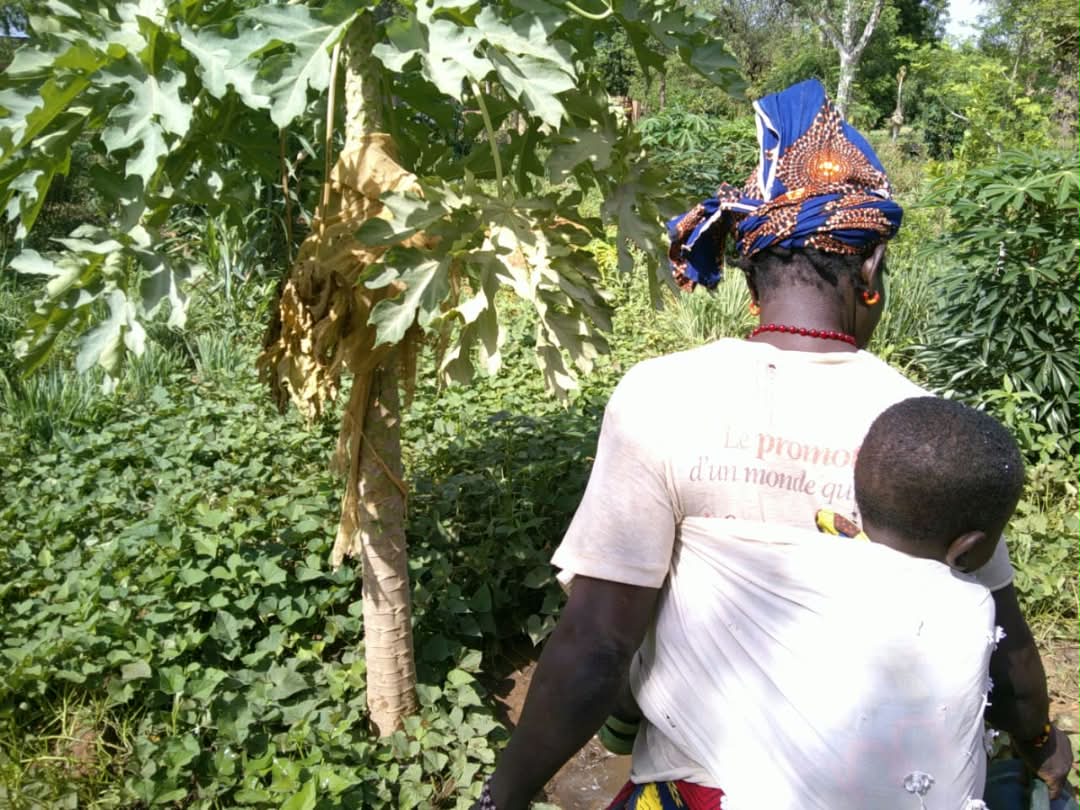
The human cost of this environmental degradation is articulated most powerfully by the women who sustain these agricultural systems daily. In the village of Koyentombo, Mariam Guindo, a sexagenarian resident, reflects on the stark contrast between her youth and the present day.
"When we were young, it rained a lot. There were trees, there was water. The environment was beautiful, and life was better. Working conditions in gardening were also much easier," Mariam recalled with palpable sorrow. "It has been several years now that it rains less. This lack of rain affects every sector, especially those of us who work in market gardening. It makes life harder for us and jeopardizes our livelihood."
Similar anxieties reverberate a few kilometers away in Noumoudama. Aminata Guindo, a woman in her forties, highlights the immediate economic fallout of the environmental collapse. "We have faced tremendous difficulties in recent years because of the lack of rain," she stated. Because market gardening is an essential income generator, the failure of these plots directly compromises families’ purchasing power.
The ripple effects extend across the entire community, threatening broader social stability. Souleymane Guindo, who frequently assists his wife in her garden, emphasizes the direct link between agricultural yield and human survival in the region.
"We only know farming as our main livelihood here. And for the season to succeed, we need rain. When it rains less, yields fall short as well, leaving people exposed to many hardships, including irregular migration," Souleymane explained.
The inability to sustain agricultural yields has triggered distress migration, as young people abandon rural areas in search of economic opportunities elsewhere, draining local labor forces and straining urban centers. For those who remain, such as Djéneba Warempa, the daily labor required to farm has intensified exponentially.
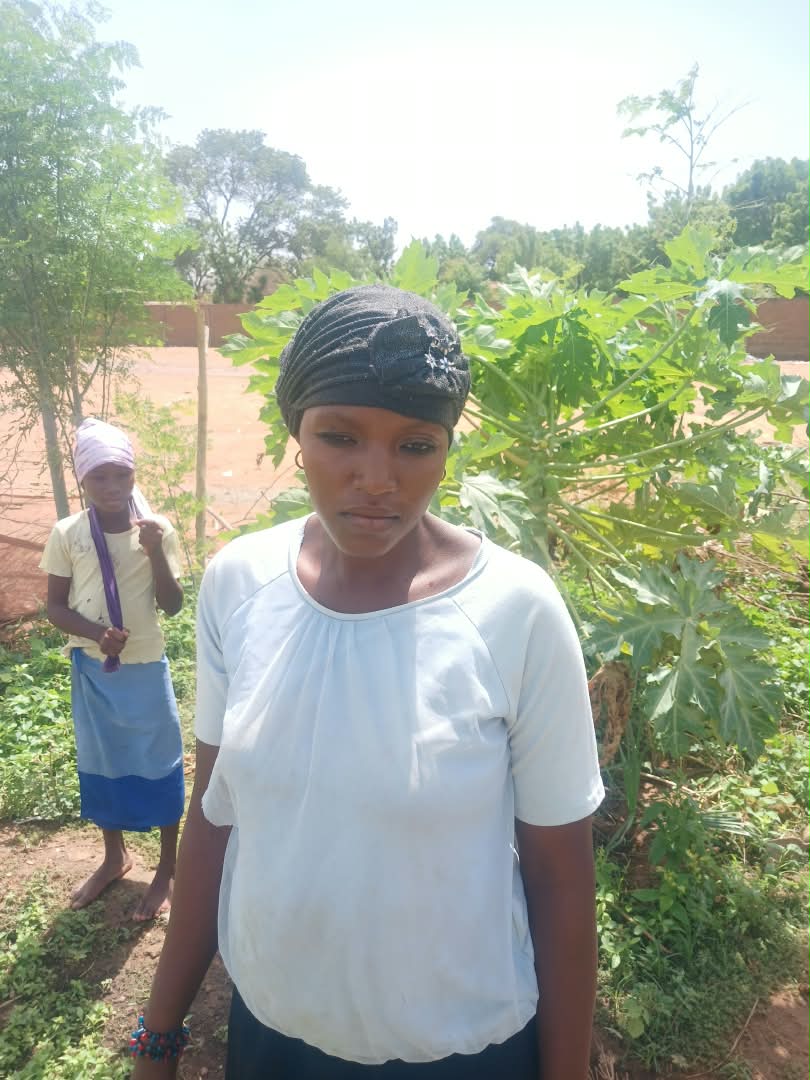
"Before, it was easy for us to work in our gardens because there was plenty of water. Rainwater would fill the wells, making the work much easier," Djéneba noted. Today, the degradation of working conditions has become so severe that some women are abandoning market gardening altogether, seeking alternative, often less lucrative, survival strategies.
Expert Perspectives on Sahelian Desertification
Environmental experts monitoring the region warn that the situation in Dogon Country is emblematic of broader vulnerabilities across the entire West African Sahel. Moussa Diarra, a prominent environmentalist focusing on central Mali, underscores the systemic nature of the crisis.
"In central Mali, especially in the upland areas of the Mopti region, climate change severely undermines agricultural activities and everything tied to them. Drought is gaining ground each year," Diarra observed.
According to Diarra and other ecological analysts, the convergence of climate change and anthropogenic pressures—such as overgrazing, unsustainable firewood collection, and outdated agricultural practices—has accelerated desertification. As the Sahara pushes southward, microclimates that previously supported diverse flora and fauna are drying out. The loss of biodiversity reduces the resilience of local ecosystems, creating a destructive feedback loop where environmental degradation exacerbates poverty, and poverty, in turn, drives further environmental exploitation.
Traditional Adaptation Strategies and Ingenuity
Despite institutional neglect and worsening climatic conditions, the women of Dogon Country exhibit extraordinary resilience. Refusing to abandon their cultural and economic heritage, they have turned to indigenous knowledge systems and traditional engineering techniques to sustain their plots.
Water scarcity has forced gardeners to dig hand-dug wells directly inside their cultivation plots. These wells now often reach depths of 20 to 30 meters, requiring immense physical endurance to draw water manually bucket by bucket. Furthermore, women construct small earthen dikes and stone bunds designed to capture scarce rainwater, reduce runoff, and maximize soil moisture infiltration.
While these traditional methods are vital stopgaps, community leaders note that their effectiveness is waning as the severity of the droughts outpaces indigenous coping mechanisms. The physical toll of hauling water from deep wells is substantial, frequently impacting the health and physical well-being of aging female farmers.
Socioeconomic Implications and the Path Forward
The crisis unfolding in Noumoudama and Koyentombo carries profound implications for gender equity, food security, and regional stability in Mali. Market gardening is not merely an economic activity; it is a critical vehicle for women’s financial autonomy, enabling them to contribute to household expenses, healthcare, and children’s education. When climate shocks compromise these gardens, women experience a direct loss of status and economic agency.
Furthermore, the intersection of climate vulnerability and rural poverty creates fertile ground for broader insecurity in central Mali. As traditional livelihoods collapse without viable alternatives, vulnerable populations become more susceptible to recruitment by extremist networks or are forced into perilous migration routes.
In response to these multi-layered challenges, the women interviewed during the July 2025 field investigation issued a collective appeal. They are calling for targeted intervention projects that support climate change adaptation initiatives, provide modern irrigation infrastructure—such as solar-powered pumps and boreholes—and fund reforestation campaigns.
The resilience demonstrated by the women of Dogon Country highlights their critical role as stewards of the land. However, their endurance alone cannot withstand the planetary scale of the climate crisis. As environmental degradation accelerates across the Sahel, the testimonies from Bankass serve as an urgent call to action for national authorities, international development partners, and climate finance mechanisms to direct critical resources toward the communities most vulnerable to ecological collapse.