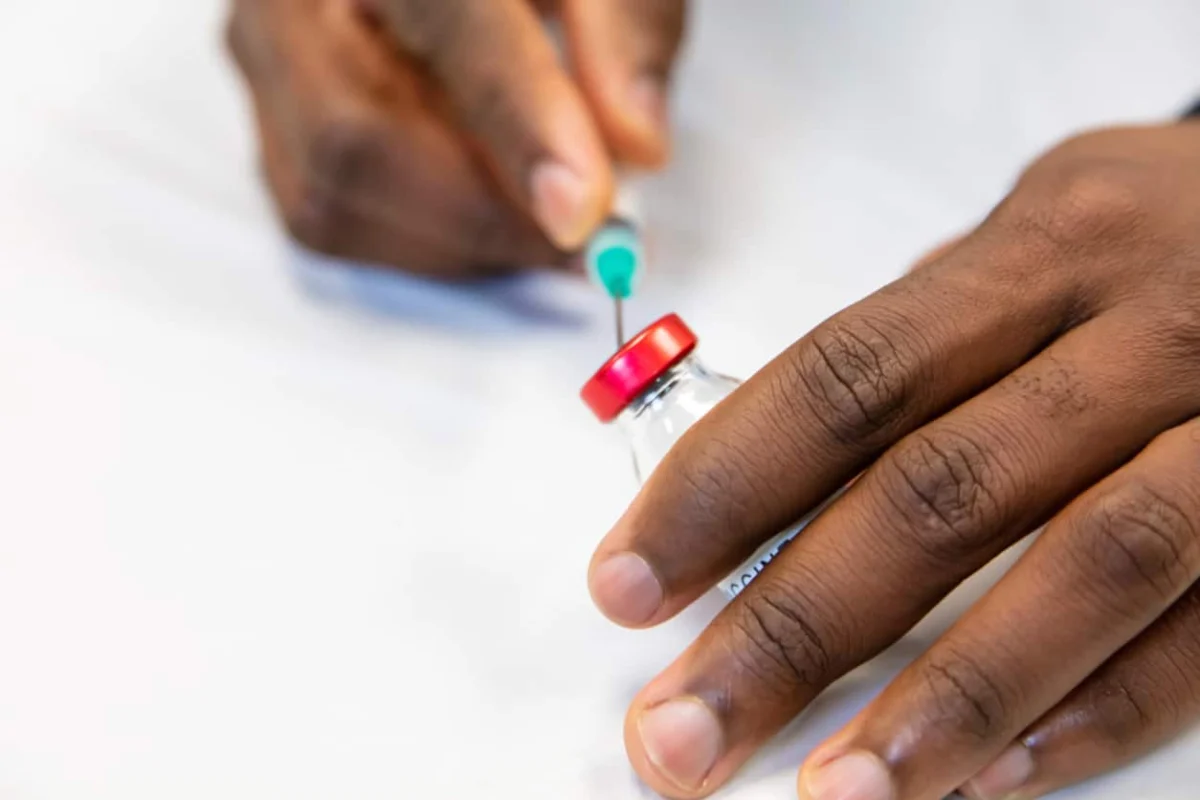
Globally, billions of vaccine doses are rendered obsolete, degraded, or outright wasted each year due to seemingly minor disruptions in the temperature-controlled supply chain, widely known as the cold chain. While acquiring and installing cutting-edge, state-of-the-art cold rooms represents an indispensable initial step for any national healthcare administration, the true benchmark of a resilient healthcare system extends far beyond hardware procurement. A sustainable system relies fundamentally upon its institutional and human capacity to maintain, actively manage, and dynamically adapt that vital infrastructure over extended periods. Addressing this challenge head-on, JSI—in close, collaborative partnership with the Ethiopian Ministry of Health (MoH) and the Ethiopian Pharmaceutical Supply Service (EPSS)—embarked on a transformative initiative over the past year. By intentionally weaving infrastructure upgrades directly into rigorous training modules and forward-looking national policy, the partnership has redefined how public health logistics are managed across the East African nation.
Shifting demographic trends, rapid urban development, and structural operational inefficiencies have increasingly placed immense strain on Ethiopia’s legacy cold chain network. These compounding pressures necessitated a comprehensive reorganization of supply hubs to better serve a population exceeding 32 million people across various regions. Rather than treating necessary modifications as isolated logistical chores or relying solely on external contractors, JSI deliberately utilized these infrastructure challenges as a practical training ground. This approach aimed to systematically strengthen local technical capacity in complex cold chain management, ensuring that Ethiopian biomedical engineers and warehouse technicians could independently shoulder the responsibilities of a modernizing health sector.
Streamlining Warehouse Operations in the Mekelle Hub
The operational hurdles facing the national supply network were acutely visible at the EPSS Mekelle hub. Serving more than seven million residents across the northern region of Ethiopia, the Mekelle facility was heavily burdened by localized operational inefficiencies. Initial comprehensive assessments revealed that these bottlenecks were predominantly caused by fragmented, scattered equipment. Specifically, two walk-in cold rooms and one dedicated freezer were dispersed haphazardly across the facility, complicating workflow and elevating risks during inventory management.
Recognizing the vulnerability of storing vital vaccines alongside dry medical supplies in sub-optimal layouts, planners determined that centralizing these units into a unified, cohesive space would dramatically streamline warehouse operations while drastically enhancing the safety and integrity of vaccines. Rather than hiring external specialists, EPSS technicians worked side-by-side with JSI experts throughout the entire relocation lifecycle. Local staff actively participated in dismantling, transporting, and recommissioning the sophisticated cold rooms. This deliberate co-execution model served as an intensive, hands-on technical demonstration, illuminating the intricate mechanical and electrical inner workings of the machinery and instilling profound confidence in the local workforce.
Navigating Complex Relocations at the Hawassa Hub
Following the successes in the north, JSI and EPSS tackled an even more complex infrastructural relocation at the Hawassa storage facility. As a critical logistical node, the Hawassa hub provides essential cold storage services for a catchment population exceeding ten million people. However, external development pressures abruptly altered the operational landscape; a major government-sponsored road corridor expansion project required the urgent, uncompromised relocation of two large-scale walk-in cold rooms to make way for civil engineering works.
Faced with a strict deadline and zero margin for error regarding vaccine potency, JSI and EPSS successfully relocated 150 cubic meters of sensitive cold storage capacity to a brand-new site. Remarkably, the complex move was executed without a single hour of disruption to the regional cold chain, preserving vital storage standards and ensuring continuous immunization services for millions. Notably, EPSS leadership and technical staff directed the entire process, troubleshooting intricate engineering and technical hurdles under the expert coaching of JSI mentors. This high-stakes relocation demonstrated how local leadership, when paired with targeted mentorship, can successfully navigate major structural disruptions driven by geographic and municipal constraints.
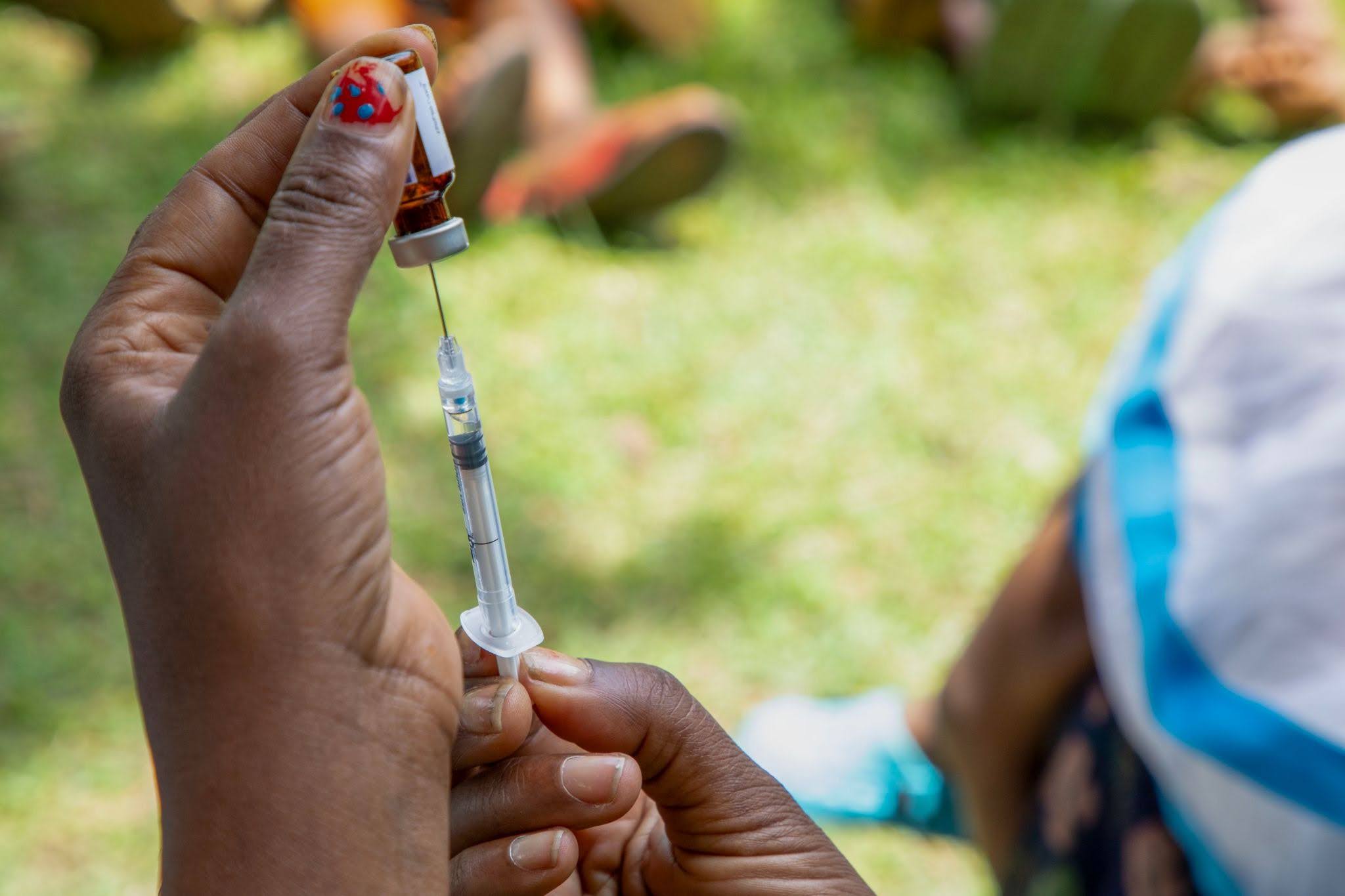
Consolidating Cold Chain Space for Improved Efficiency at the Addis Ababa Hub
The culmination of this year-long capacity-building campaign unfolded at the Addis Ababa Hub 1, the nation’s largest sub-national vaccine store. Serving a sprawling catchment population of approximately 15 million people, this critical facility had long suffered from a disjointed layout where five walk-in cold rooms and one specialized freezer room were isolated across three separate, distant warehouses.
The historical warehouse architecture forced logistics personnel to manually transport sensitive, temperature-controlled items across open, unconditioned floors. During peak daylight hours, ambient temperatures along these transit paths routinely soared to a dangerous 38 degrees Celsius, exposing life-saving vaccines to thermal shock and potential degradation. To eliminate this systemic vulnerability, JSI and EPSS embarked on a major consolidation initiative, fusing the five cold rooms and the freezer room into a single, integrated, and thermally optimized warehouse facility.
In a testament to the rapid maturation of Ethiopia’s technical workforce, EPSS cold chain technicians independently led the entire consolidation process. Working with precision and efficiency, the local team completed the integration within a matter of weeks. Throughout the project, JSI functioned strictly in an advisory and mentoring capacity, allowing local technicians to put their cumulative, growing field experience to the ultimate test. The flawless execution of the Addis Ababa relocation resulted in a sophisticated, highly manageable cold chain environment that drastically reduced thermal exposure risks and set a new operational standard for the country.
Building Ethiopia’s Sustainable Cold Chain Legacy
The overarching philosophy guiding the JSI and EPSS partnership has been rooted in the timeless educational principle of teaching while doing. By working hand-in-hand across three consecutive, increasingly complex projects in Mekelle, Hawassa, and Addis Ababa, the partners aimed to achieve sustainable institutional self-reliance. This intentional capacity-strengthening framework embedded deep technical confidence directly into the national workforce, ensuring that the protection of Ethiopia’s cold chain rests securely in local hands.
Public health logistics experts emphasize that this cumulative model of capacity building is transformative. By repeatedly engaging the exact same local technical team across multiple diverse infrastructural challenges, individual skill sets are compounded over time. Novice technicians rapidly evolve into confident, autonomous subject matter experts capable of diagnosing, repairing, and redesigning complex refrigeration systems without reliance on foreign technical assistance.
Beyond immediate operational victories, the partnership recognized the necessity of institutionalizing these hard-won lessons. To prevent future infrastructural projects from repeating historical mistakes, the insights and field protocols developed during the Mekelle, Hawassa, and Addis Ababa relocations were systematically codified. By translating hands-on field experiences into formal national policy, the Ministry of Health and EPSS have established standardized protocols for cold chain management and relocation. This policy integration guarantees that the technical gains achieved over the past year will outlast individual projects, embedding resilience, adaptability, and high standards deeply into the bedrock of Ethiopia’s national healthcare system for decades to come.