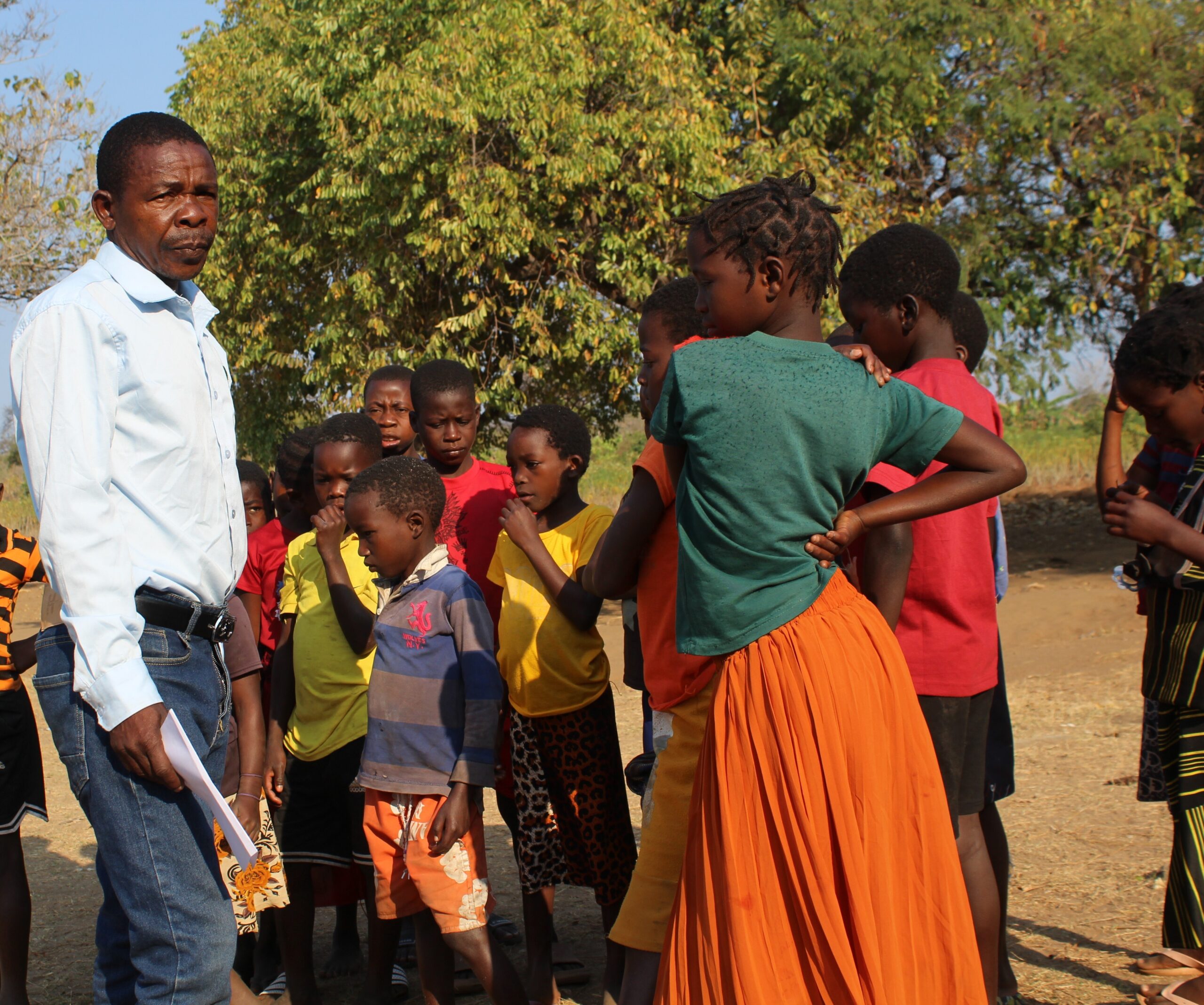
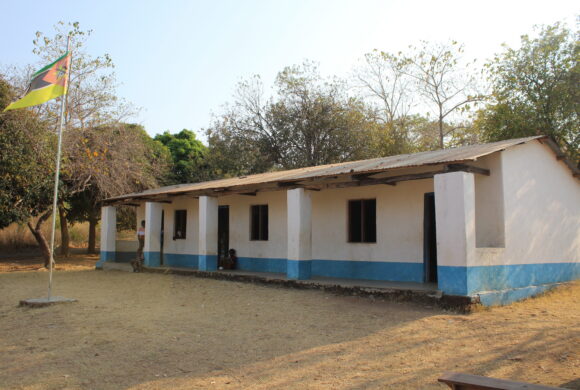
The morning sun rises over Niassa Province, casting long shadows across the dusty terrain surrounding Chicoa Primary School. While most educators begin their day managing a single classroom, Alberto Ndoca stands alone as the solitary pillar of education for an entire community. Within the span of a few hours, Ndoca cycles through six distinct grade levels, seamlessly transitioning from foundational reading and writing exercises for young beginners to advanced primary mathematics. The school grounds consist of just three modest classrooms, yet they house 249 eager students who rely entirely on Ndoca’s comprehensive instruction.
His daily routine is a masterclass in endurance. During the morning sessions, Ndoca instructs Grades 1, 2, and 6. Without pausing for a traditional break, he transitions immediately into teaching Grades 3, 4, and 5 throughout the afternoon. Once the final school bell rings and the students depart, his workday is far from over. Ndoca assumes the dual responsibilities of school director, pedagogical lead, and administrative officer. He grades papers, drafts lesson plans, prepares examinations for all six cohorts, and files administrative reports. As Ndoca succinctly describes his demanding reality, "It is me. I am alone."
The Chronicle of Chicoa: A Timeline of Community Transformation
The current academic year began with a series of formidable hurdles. When Ndoca arrived at Chicoa Primary School in late March, he inherited a deeply under-resourced institution. The physical inventory consisted of little more than a solitary box of chalk, a handful of erasers, and three attendance books. Compounding these shortages, classes had commenced roughly two months behind the official national school calendar, leaving the institution struggling to establish operational momentum.
Despite these systemic disadvantages, enrollment figures at Chicoa Primary School experienced a remarkable upward trajectory, expanding from an initial 150 students to 249 by the end of the term. This growth was not fueled by major infrastructure investments or government-funded expansions; rather, it was driven by Ndoca’s proactive grassroots outreach. Recognizing that proximity to the schoolhouse was a luxury not shared by all—with some children walking up to 45 minutes each way—Ndoca formulated an aggressive retention strategy.
When classroom attendance began to fluctuate, Ndoca took matters into his own hands. On weekends, he walked through the village to meet directly with parents and caregivers, emphasizing the long-term value of consistent schooling. He coordinated closely with traditional village leaders, enlisting their authority to mobilize families and stress the importance of education. In an effort to foster a welcoming environment, Ndoca frequently purchased biscuits and juice using his personal funds, offering them as modest incentives to remind his pupils that their presence was valued. Today, approximately 103 of the school’s 249 students are girls, and Ndoca actively monitors their academic engagement to prevent gender-based dropout trends.
The Broader Crisis in Rural Mozambican Education
Ndoca’s solitary struggle at Chicoa Primary School is emblematic of broader, systemic challenges facing the education sector in rural Mozambique. Niassa Province, like many peripheral regions in the country, suffers from chronic teacher shortages, infrastructural deficits, and restricted access to educational materials. According to national education statistics, rural schools frequently face severe teacher-to-student ratios, forcing administrative systems to rely on multigrade teaching models where a single educator manages multiple curriculums simultaneously.
While multigrade teaching is a recognized pedagogical strategy used globally in low-resource settings, its success depends heavily on specialized training, adequate learning materials, and institutional support. Without these resources, educators like Ndoca face acute physical and mental exhaustion. Ndoca candidly admits that the intense pressure takes a toll. On one particular occasion, a debilitating migraine prevented him from stepping into the classroom. Because no substitute teacher was available, the day’s lessons had to be canceled entirely.
Yet, when questioned about whether he has ever considered abandoning the profession, Ndoca’s resolve remains unshaken. "I have never thought of giving up, because I know that this is my daily bread," he states. "I have had to sacrifice so that I can keep doing this work."
Empowering Educators: The Role of Continuous Professional Development
Ndoca’s exceptional dedication eventually drew the attention of regional educational stakeholders. Earlier in the academic year, he participated in a professional development training session organized through the "Empowering Educators" project. This initiative is generously funded by the Embassy of Ireland and implemented by World Education—a flagship initiative of JSI—in close partnership with Mozambique’s Ministry of Education and Culture.
During the workshop, Ndoca shared insights regarding his daily operations at Chicoa Primary School. Intrigued by his resourcefulness, project staff visited the remote school to observe his teaching methods and evaluate how Continuous Professional Development (CPD) programs can effectively support educators operating in high-demand environments.
The CPD program provides targeted training in positive discipline, gender-equitable classroom management, and inclusive school planning. These modules are designed to equip teachers with practical strategies to foster respectful learning spaces and translate institutional priorities into actionable classroom practices. Representatives from JSI Mozambique emphasize that while CPD cannot single-handedly resolve physical infrastructure deficits or eliminate teacher shortages, it significantly enhances the capacity of frontline educators to manage complex classrooms and navigate systemic hardships. Furthermore, the program is structured to provide ongoing mentorship, follow-up, and systemic supervision rather than functioning as a one-time seminar.
Implications and the Path Forward for Chicoa Primary School
The transformation of Chicoa Primary School offers critical insights for policymakers, international development agencies, and educational planners striving to achieve equitable learning outcomes in Sub-Saharan Africa. Analysts point out that while capital investments in brick-and-mortar schools and digital technologies are vital, the immediate bottleneck in rural education often lies in human resource management and teacher retention.
Experts suggest that scaling up localized support mechanisms, such as structured peer-mentoring networks and accessible professional development, can mitigate burnout among isolated educators. Moreover, Ndoca’s success in bridging the gap between the schoolhouse and the local community underscores the vital importance of decentralized educational governance. By actively engaging traditional leaders and parents, schools can build sustainable community ownership that transcends transient resource limitations.
As a new week begins in Niassa Province, Alberto Ndoca follows his established rhythm. He arrives at Chicoa Primary School well before dawn, unlocks the doors, and prepares to greet his students. While the school continues to grapple with a lack of adequate desks, textbooks, and additional teaching staff, its internal character has fundamentally shifted since Ndoca first crossed its threshold in March. Through sheer determination, community collaboration, and targeted professional support, Ndoca is steadily reshaping the educational landscape of Chicoa—proving that human agency can ignite profound change, one classroom at a time.