A decade ago, the digital publication Autostraddle released an analytical feature titled The top ten most sexually prolific lesbians and bisexuals of Old Hollywood, an exploration of the private lives and public personas of iconic actresses who navigated the rigid morality clauses and heteronormative constraints of the early 20th-century film industry. To mark the ten-year anniversary of this investigation, the publication has released an updated data set and a companion catalogue of film recommendations. This effort serves as a critical re-examination of the intersection between queer identity and the studio system, providing a curated list of films that highlight the creative contributions of women who were either stars, directors, or writers within the industry.
The history of the Motion Picture Production Code, commonly known as the Hays Code, remains the essential backdrop for this analysis. Implemented in 1930 and strictly enforced beginning in 1934, the code prohibited the depiction of "sex perversion," a category that included homosexuality, effectively forcing queer life into the realm of subtext and coded performances. Despite these restrictions, the influence of lesbian and bisexual women on the aesthetics, narratives, and behind-the-scenes power dynamics of Hollywood was profound. The updated Autostraddle report identifies these figures not merely as historical subjects but as architects of the medium, often using their influence to subvert the expectations of a patriarchal studio system.
The Archival Shift: Methodological Updates
The current iteration of the list utilizes a revised data-gathering methodology, incorporating newly unearthed archival correspondence and updated biographical records that have emerged over the last ten years. While the initial 2014 study relied heavily on contemporary tabloids and autobiographical accounts, the 2024 update synthesizes these with modern queer historiography. Researchers involved in the update noted that while definitive "coming out" stories are rare in the pre-Stonewall era, the accumulation of circumstantial evidence—including long-term domestic partnerships and documented social networks—has provided a more comprehensive picture of the queer subculture that thrived in Los Angeles from the 1920s through the 1950s.
Cinematic Contributions: A Curated Review
The following selections represent the breadth of influence held by these women, spanning directorial control, screenwriting, and iconic performances.
The Directorial Vision of Dorothy Arzner
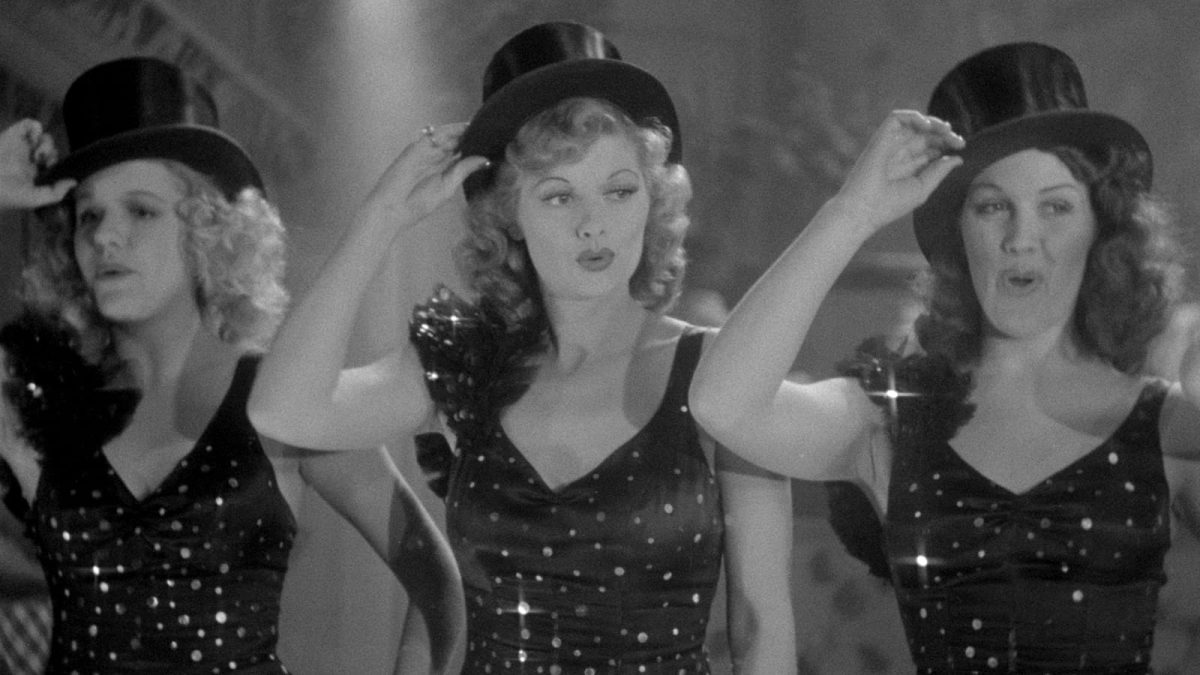
Dorothy Arzner remains the most significant female director of the classic Hollywood era. Her filmography, including Dance, Girl, Dance (1940) and Merrily We Go to Hell (1932), demonstrates a sophisticated understanding of gender performance. In Dance, Girl, Dance, Arzner highlights the professional rivalry between two dancers, subverting the male gaze by forcing the audience to confront the objectification of the lead characters.
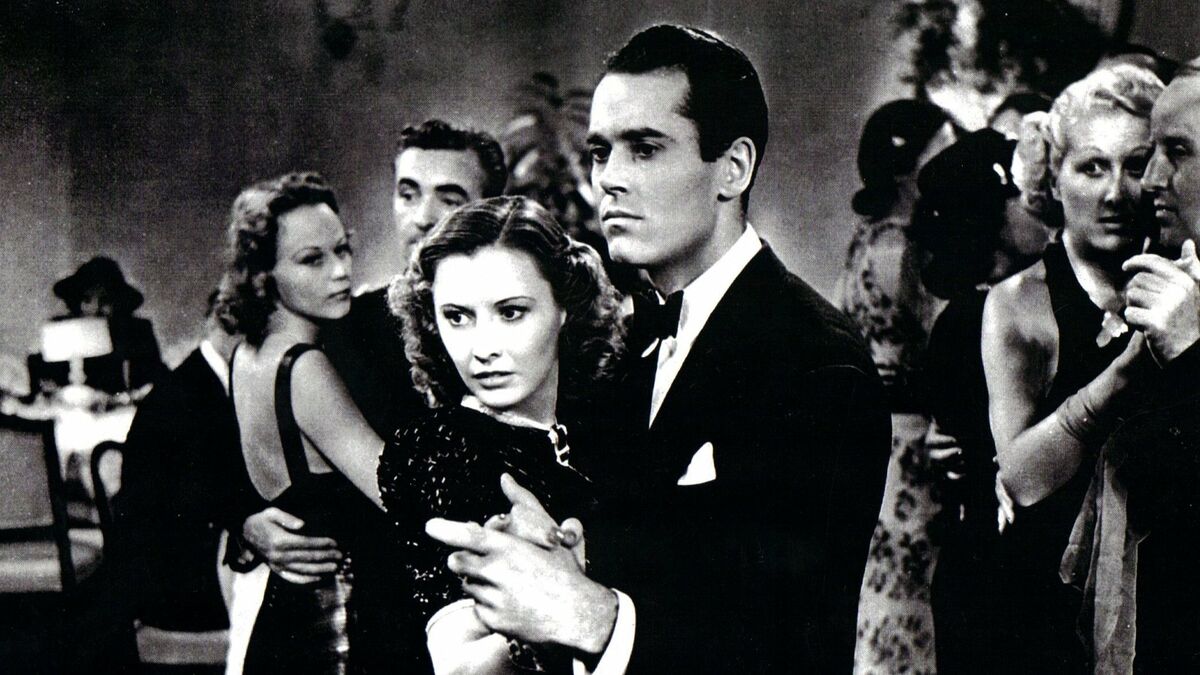
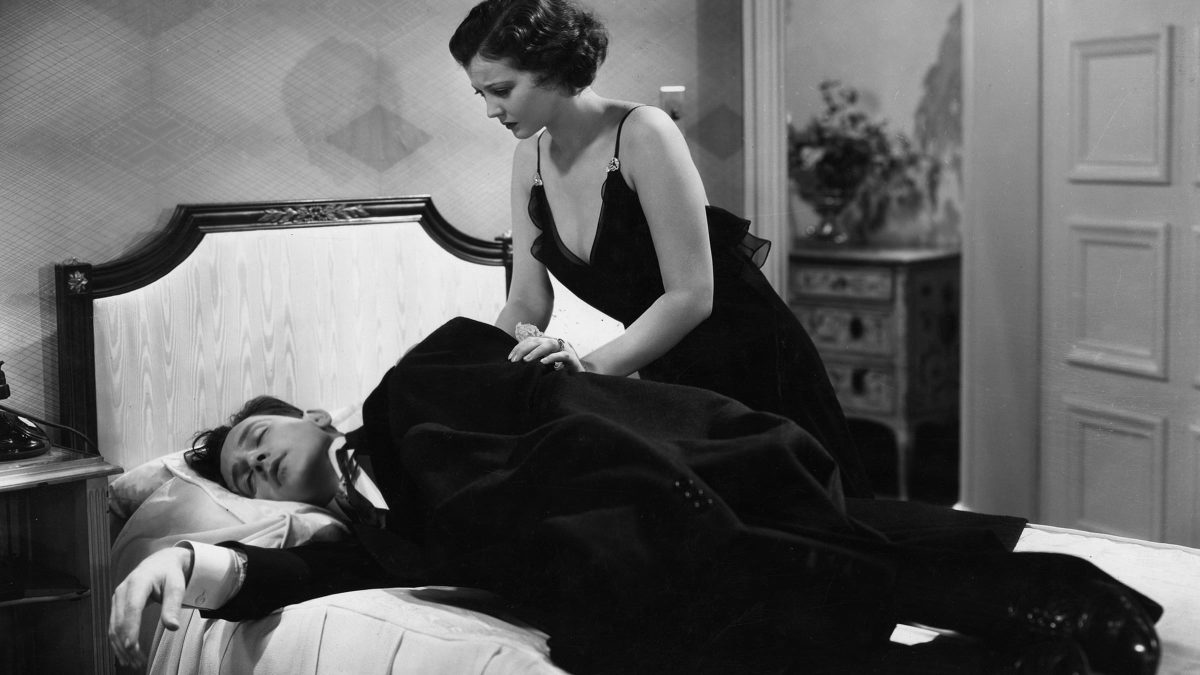
Arzner’s work in The Bride Wore Red (1937) also highlights her focus on female bonds, placing the friendship between the protagonist and a maid above the traditional romantic subplot. These films serve as evidence of a director who consistently prioritized female agency, often using the technical limitations of the era to highlight the complexity of women’s choices.
The Complexity of Barbara Stanwyck
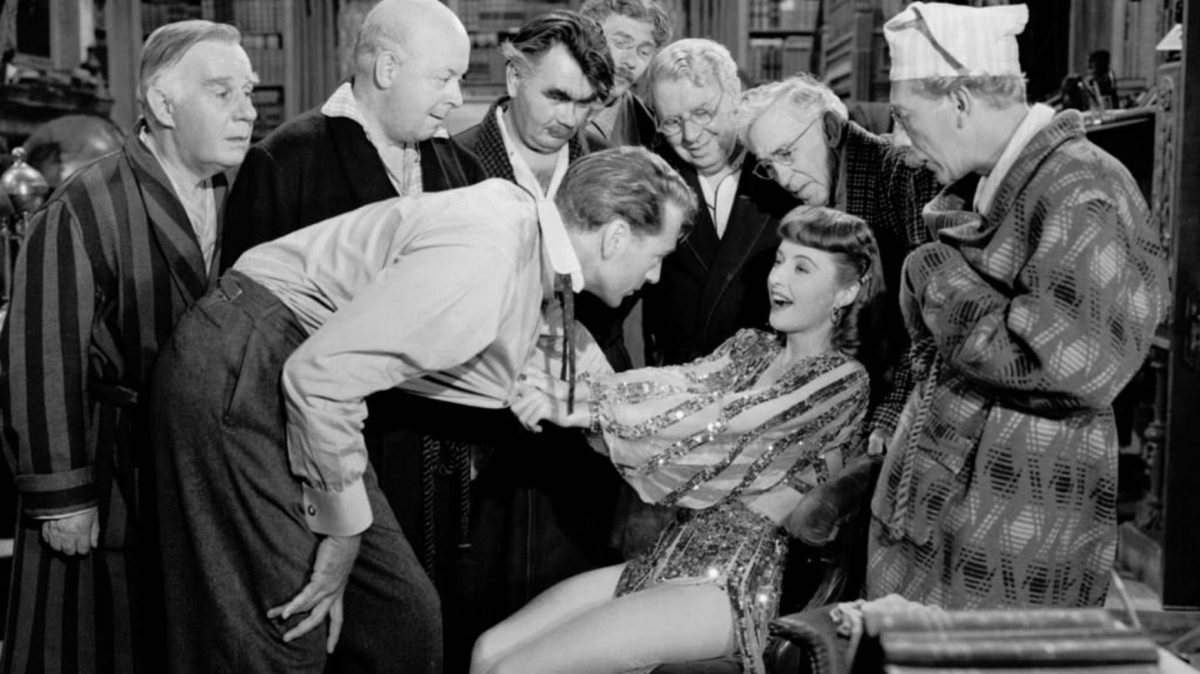
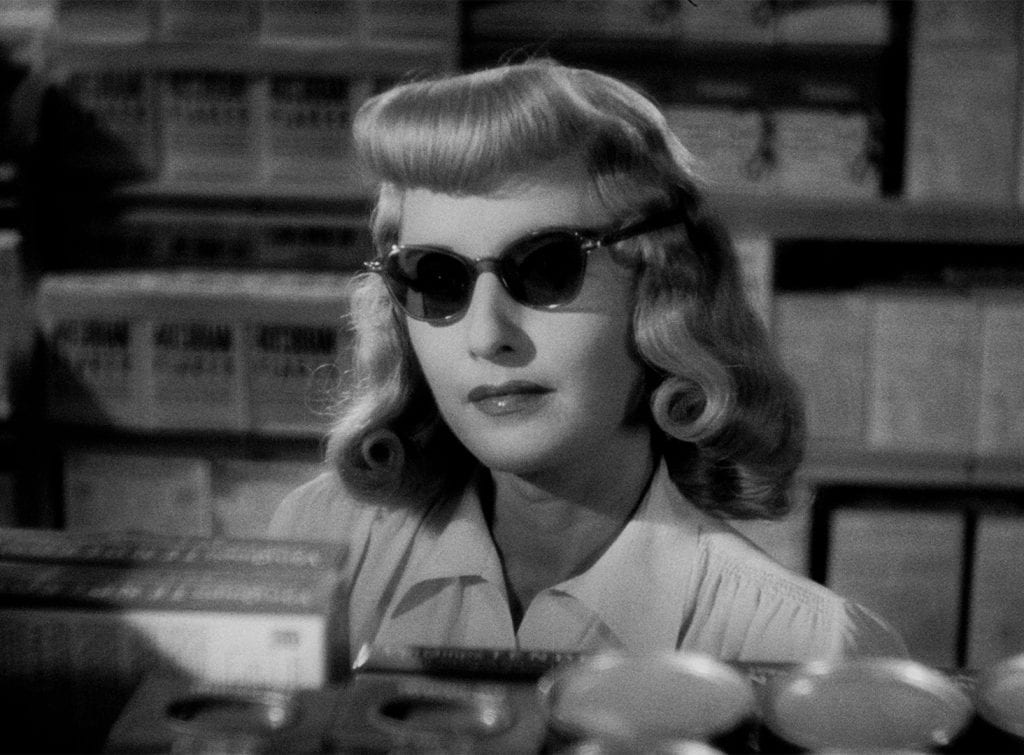
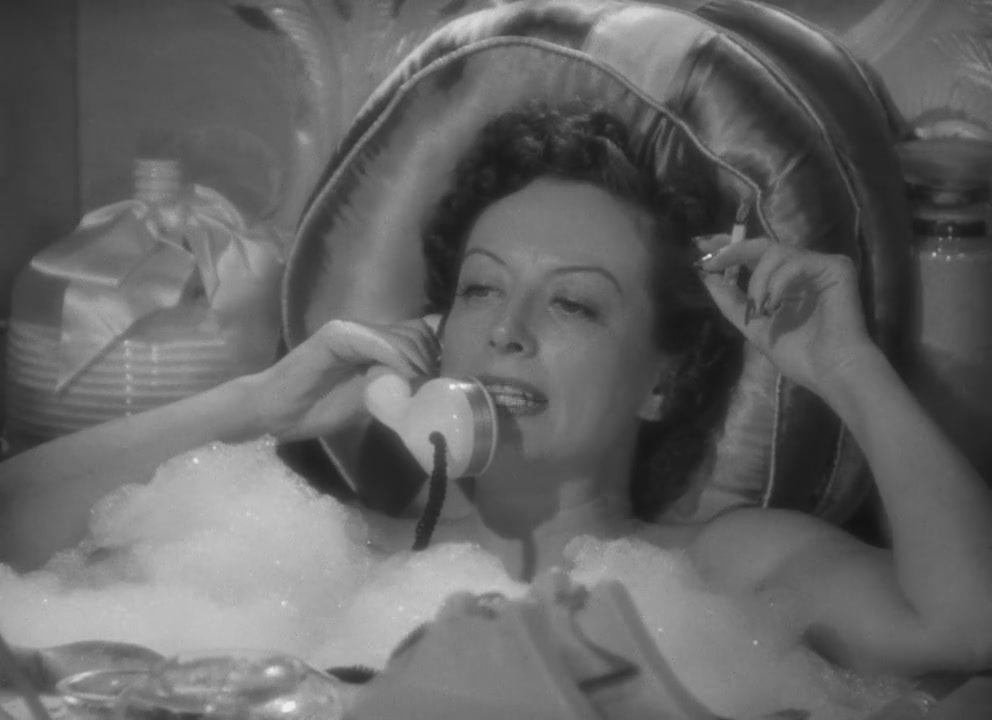
Barbara Stanwyck’s career trajectory offers a study in the "tough dame" archetype that defined noir cinema. In Ball of Fire (1941) and Double Indemnity (1944), Stanwyck portrayed women who navigated systems of power with intelligence and ruthlessness. Historical analyses suggest that Stanwyck’s ability to project independence on screen was an extension of her off-screen life, where she maintained a reputation for professional rigor and autonomy. The Mad Miss Manton (1938) serves as a notable, albeit lighter, entry in her filmography, featuring an ensemble of women who bypass traditional male-led authority to solve a crime, a narrative choice that contrasts sharply with the era’s typical gender dynamics.
The Global Influence of Greta Garbo
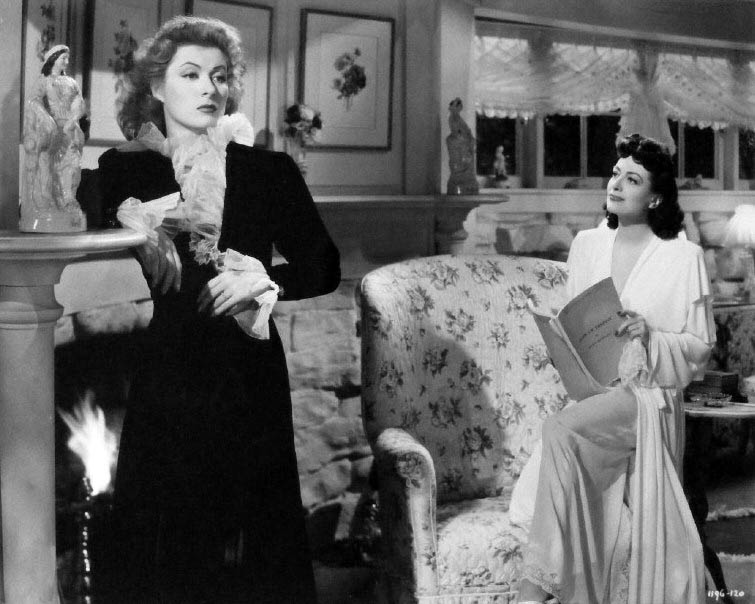
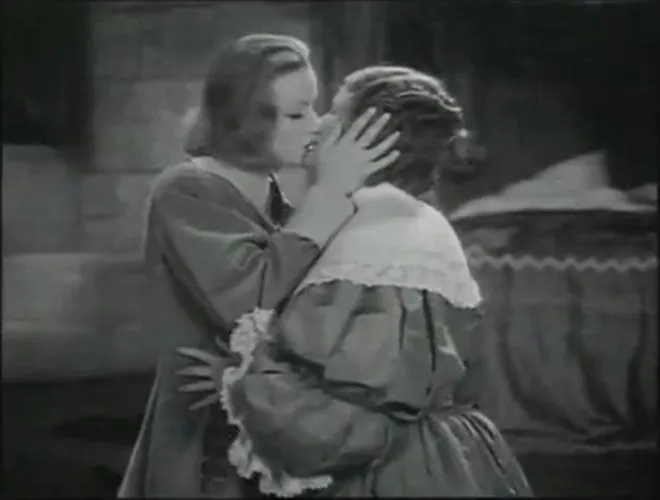
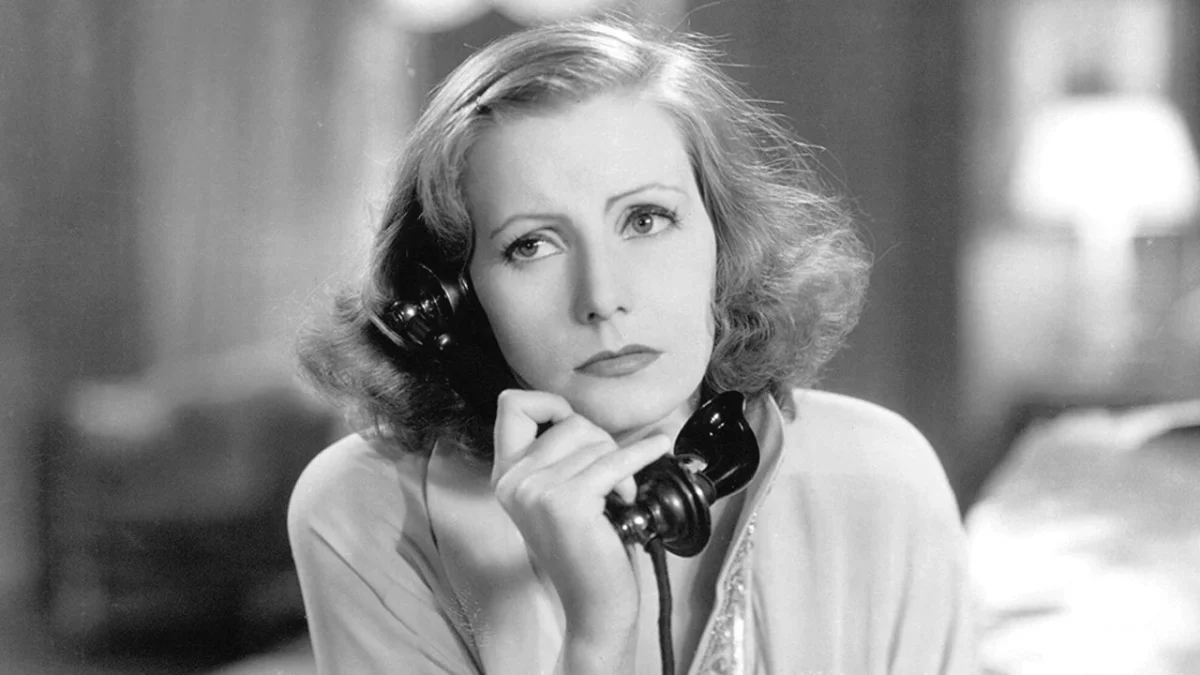
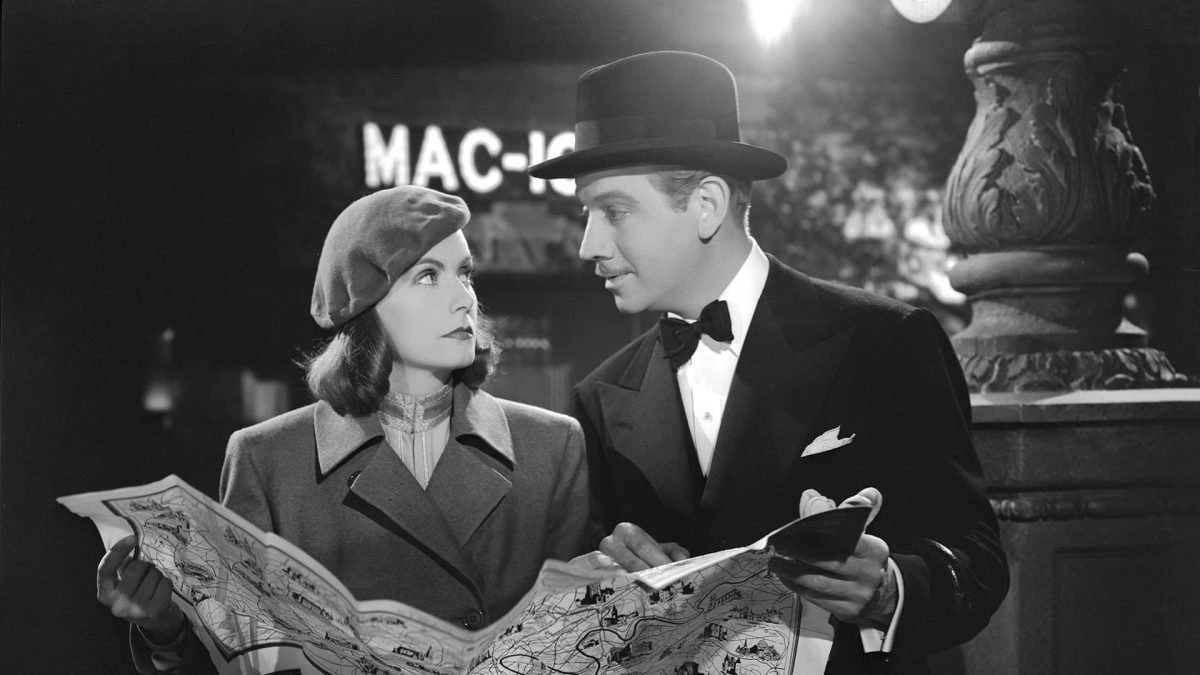
Greta Garbo’s impact on 20th-century celebrity culture is inseparable from her ambiguous, often androgynous, public persona. Queen Christina (1933) is frequently cited by film historians as a landmark for queer coding; Garbo’s performance, particularly her rejection of traditional marriage and her comfort in masculine attire, challenged the gender roles of the 1930s. In Grand Hotel (1932) and Ninotchka (1939), Garbo demonstrated a range that allowed her to transition from high drama to sophisticated comedy, maintaining a level of mystique that protected her private life from the scrutiny of the studio publicity machines.
Katharine Hepburn and the Subversion of Convention
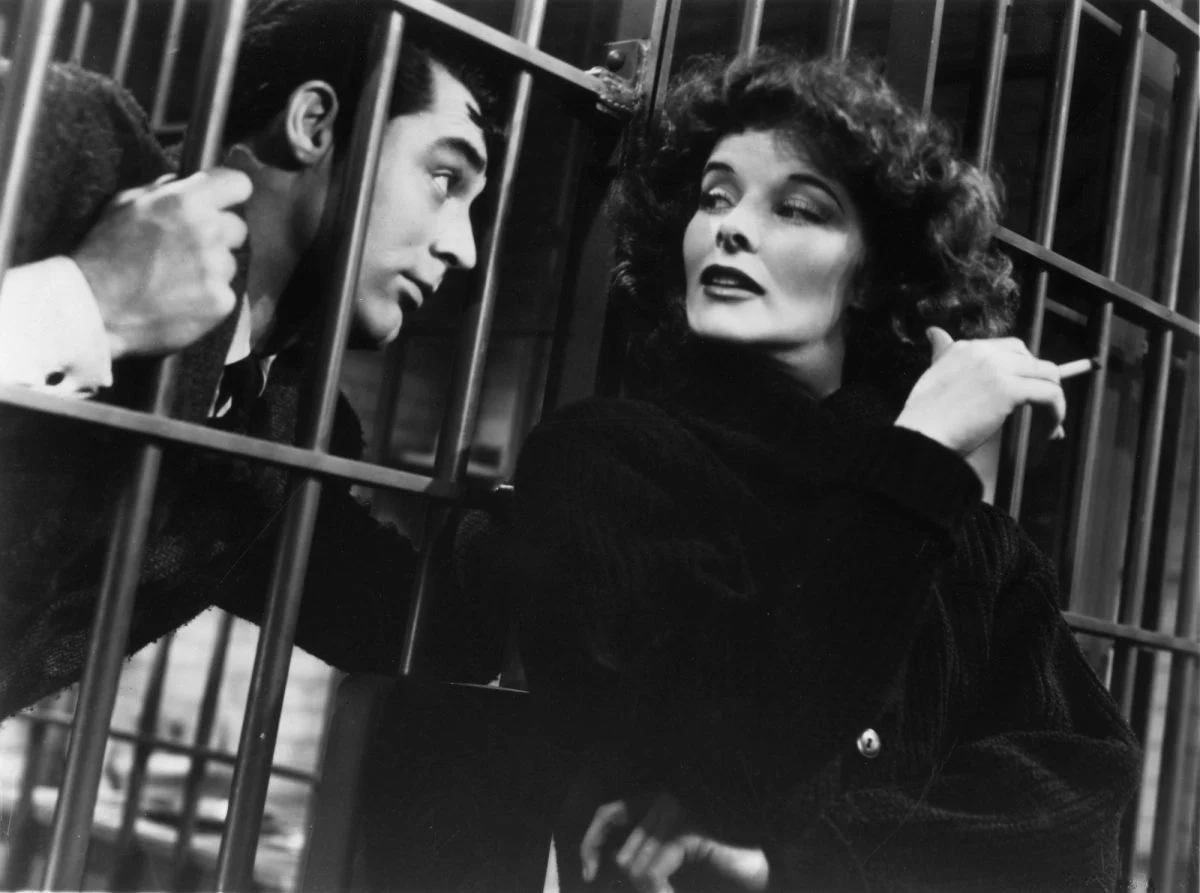
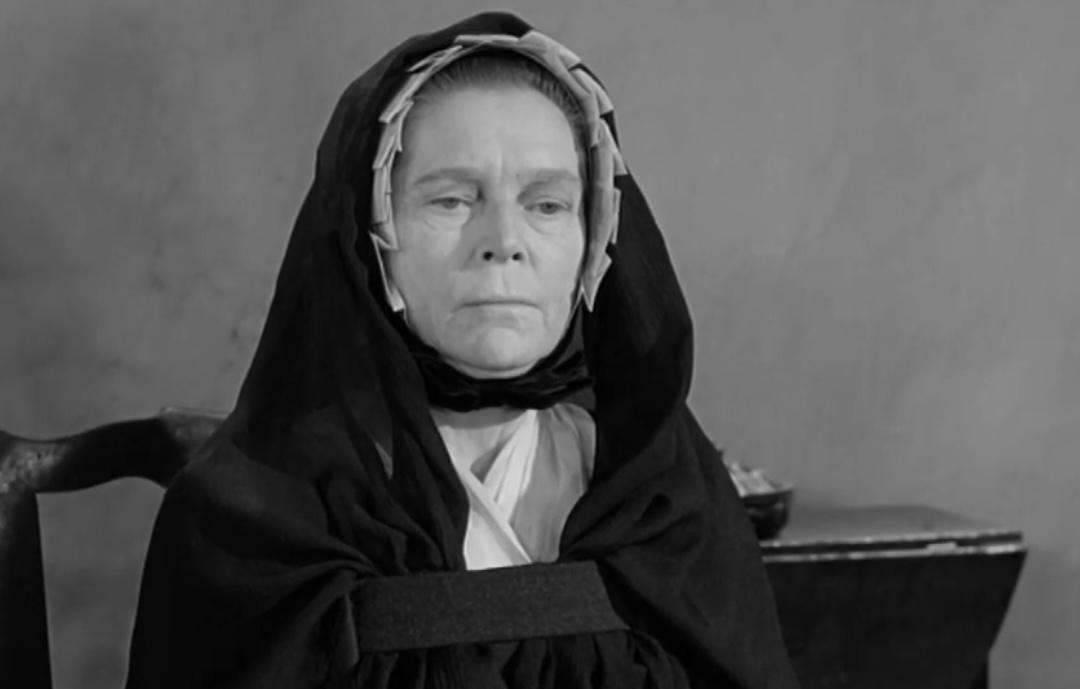
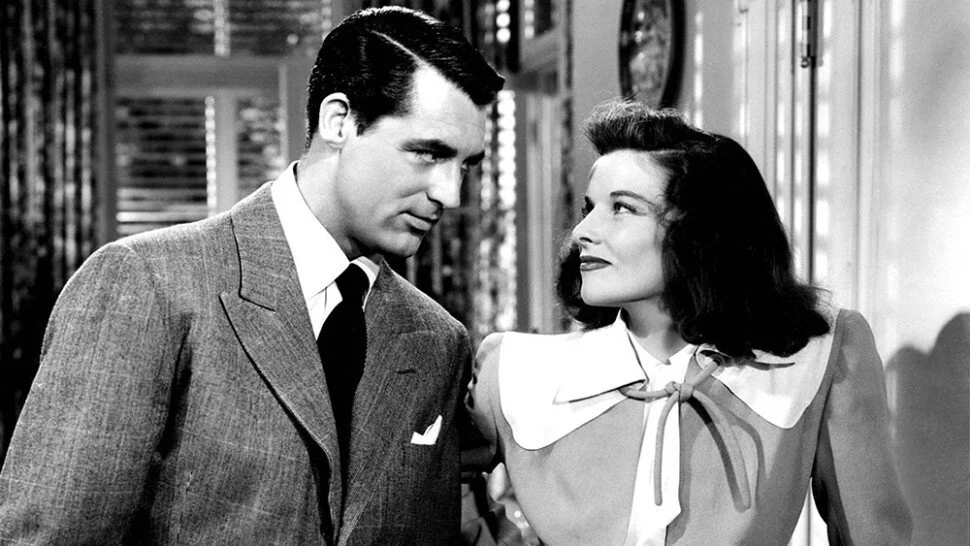
Katharine Hepburn’s influence on the industry was not limited to her acting; she was an early proponent of creative control, often negotiating terms that allowed her to select her own scripts and co-stars. The Philadelphia Story (1940) and Bringing Up Baby (1938) are quintessential examples of her ability to dominate the screen. Sylvia Scarlett (1935), a film that features Hepburn in drag for a significant portion of the runtime, remains a subject of intense academic study due to its exploration of fluid identity. While the film was a commercial failure upon release—leading to the "Box Office Poison" label—it has since been reclaimed as a foundational text in queer film theory.
Legal and Historical Context: The Case of Mercedes De Acosta
The inclusion of figures such as Mercedes De Acosta highlights the role of the behind-the-scenes creative class. De Acosta, a prolific writer and poet, navigated Hollywood with a level of openness that was rare for her time. Her experience with the film Rasputin and the Empress (1932) led to a significant legal precedent: the implementation of the "fictitious persons" disclaimer. After a conflict regarding the historical accuracy of a script, De Acosta’s involvement and subsequent firing resulted in a lawsuit that changed how studios protected themselves from defamation claims. This event underscores the power dynamics at play between individual writers and the large-scale industrial machinery of the major studios.
Broader Impact and Industry Implications
The ongoing effort to document the lives of these women serves a dual purpose: it restores lost historical context and provides a roadmap for modern audiences to engage with classic cinema through a critical, inclusive lens. The Autostraddle update illustrates that the erasure of queer identities from the history of Hollywood was not a passive accident, but an active process of censorship and narrative sanitization.
Data compiled by the publication indicates that at least 30% of the top-billed actresses of the 1930s and 1940s participated in significant non-heteronormative relationships, though these were routinely buried by studio publicists in favor of "lavender marriages"—arranged unions designed to mask a star’s sexual orientation. By re-centering these women in the narrative of the Golden Age, researchers are able to challenge the traditional, monolithic version of Hollywood history.
The implication for contemporary film studies is significant. When the queer subtext is identified and analyzed, the films themselves take on new layers of meaning. The "code-breaking" required to understand these performances highlights the intellectual labor of the actresses involved, who were often performing their true selves under the guise of the very characters the studio forced them to inhabit. As this research continues to evolve, it remains a vital contribution to the preservation of cultural history, ensuring that the contributions of queer women are acknowledged as essential to the foundation of modern American cinema.