
The humanitarian situation in western Colombia remains dire more than a month after a powerful 7.4 magnitude earthquake struck the Chocó department on August 10, 2026. With its epicenter located near San José del Palmar, the tremor unleashed widespread devastation, leaving a trail of destruction across the departments of Risaralda, Valle del Cauca, Quindío, and Caldas. As of late September, the United Nations Office for the Coordination of Humanitarian Affairs (OCHA) reports that approximately 466,000 people remain directly affected, with more than 200,000 residential structures suffering significant damage or total collapse.
A Chronology of the Disaster and Immediate Response
The earthquake, which occurred in the early hours of August 10, caught many residents unprepared, triggering secondary geological instability and hindering initial search and rescue operations. Within hours of the seismic event, local, national, and international aid organizations mobilized to the affected regions.
- August 10, 2026: A 7.4 magnitude earthquake strikes near San José del Palmar, causing immediate power outages and infrastructure failures.
- August 11–15, 2026: Emergency responders focus on search and rescue. Casualties are confirmed at 331 deaths, with thousands injured and over 100 missing.
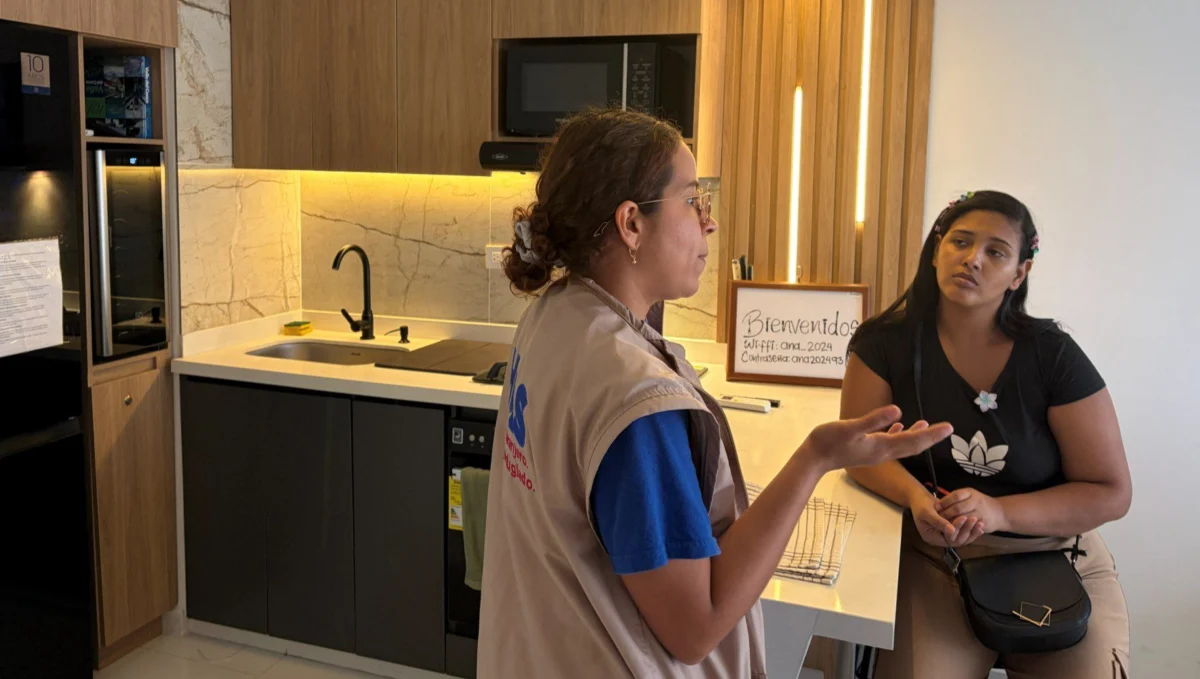
- Late August 2026: The immediate survival phase transitions into a stabilization phase. Organizations like HIAS Colombia begin implementing long-term emergency housing partnerships, notably with Airbnb, to address the acute shelter crisis.
- September 10, 2026: OCHA releases its 12th Flash Update, confirming that the displacement crisis has deepened, with rural areas facing the most severe challenges regarding access to basic utilities and sanitation.
- Present Day: Recovery efforts continue, though logistical hurdles persist due to the concurrent climate-related emergencies plaguing the region.
The Scope of the Humanitarian Crisis
The sheer scale of the destruction has strained Colombia’s civil defense capabilities. The seismic event did not occur in isolation; it hit a region already grappling with the compounding effects of the El Niño phenomenon. Prolonged droughts, subsequent flooding, and active volcanic alerts have forced local governments to split resources between disaster recovery and climate-resilience efforts.
Data indicates that the rural populations of Naranjal and Primavera have been disproportionately impacted. These communities, often located in geographically isolated areas, have seen their fragile infrastructure—including water filtration systems, electrical grids, and telecommunication towers—severely compromised. The loss of these services has triggered a secondary health crisis, with hygiene and sanitation becoming primary concerns for humanitarian workers.
Official Responses and Institutional Coordination
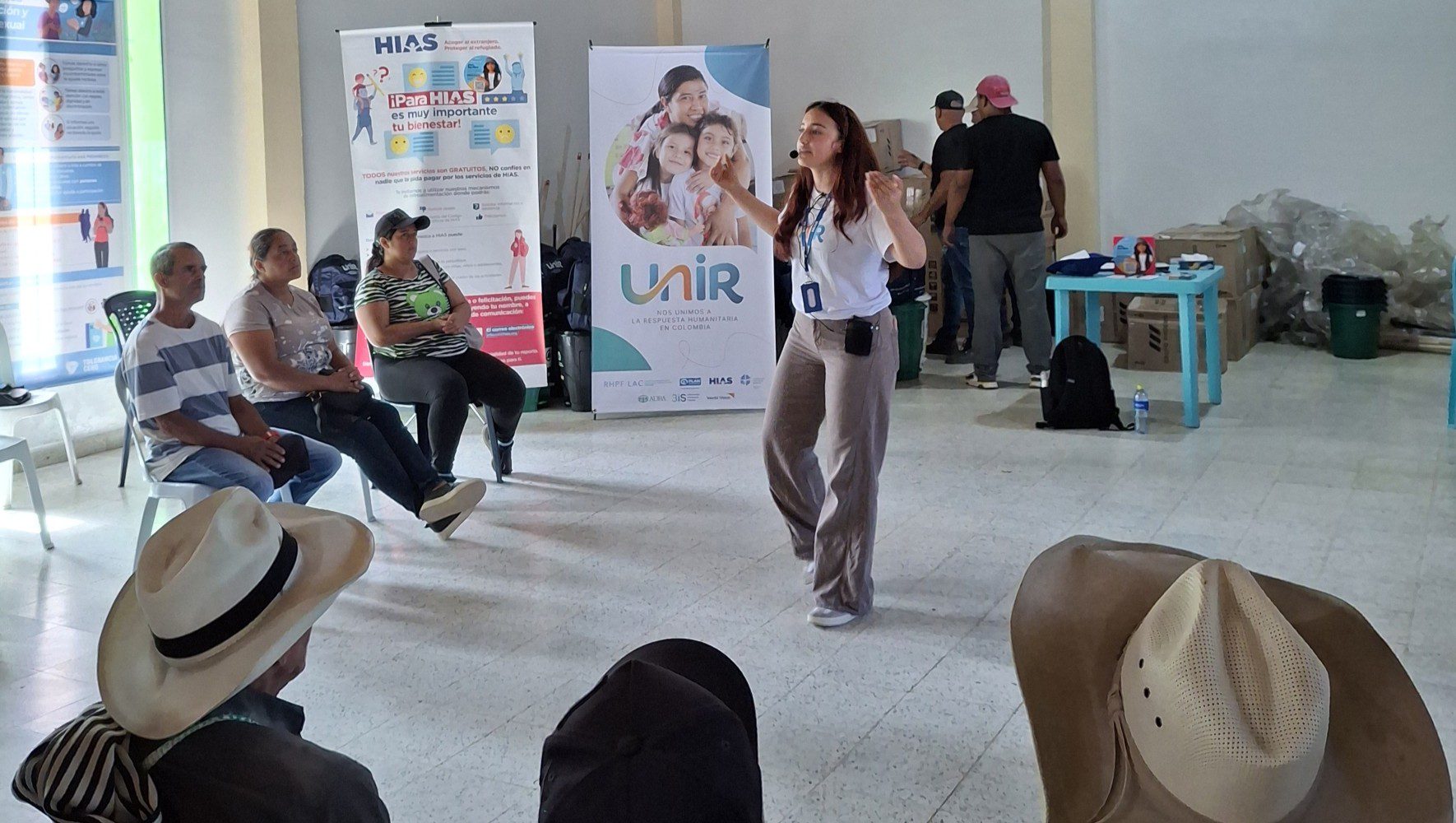
The response led by HIAS Colombia, in conjunction with the UNIR consortium and funded by the Colombia Humanitarian Fund, represents a multifaceted approach to disaster relief. Unlike traditional emergency responses that focus solely on food distribution, this intervention emphasizes the dignity and autonomy of the survivors.
"Our objective is to bridge the gap between immediate survival and long-term stabilization," said a spokesperson for the organization. By providing direct cash assistance, HIAS allows families to prioritize their specific needs—whether that be medicine, specialized dietary requirements for children, or repairing minor structural damage to their homes.
The partnership with Airbnb has been particularly critical in urban centers like Cali, where the housing stock is insufficient to accommodate the influx of displaced rural families. By facilitating 28-day temporary housing cycles, the program provides a "cooling-off" period for families in crisis, allowing them to assess their next steps without the immediate fear of homelessness. This is especially vital for vulnerable populations, including single-parent households, families with members suffering from chronic medical conditions, and those at high risk of domestic violence.
Socio-Economic Implications and Future Risks
The economic toll of the earthquake is expected to reach billions of Colombian pesos when accounting for the total loss of agricultural assets and the destruction of schools and health clinics. In the affected regions of the coffee-growing axis (Eje Cafetero), the disruption to rural logistics has stalled the local economy, preventing farmers from reaching markets.
Furthermore, the environmental context adds a layer of complexity to the recovery. The combination of forest fires and seismic damage has left the soil in parts of Chocó and Valle del Cauca unstable. Geologists have warned that the upcoming rainy season could trigger landslides in areas where the vegetation cover has been removed by fire and the ground loosened by the earthquake. This "cascading disaster" scenario is the primary concern for regional planners as they look toward the final quarter of 2026.
Strengthening Community Resilience
Beyond the provision of physical goods, there has been a significant push toward community-based education. Humanitarian agencies are currently conducting workshops focused on "self-care" and sustainable living practices in post-disaster environments. These sessions teach survivors how to manage waste in temporary settlements, maintain water safety, and practice nutritional health in the absence of traditional supply chains.
This educational component is intended to reduce the dependency on external aid. By empowering individuals like "Catherine," a survivor who lost her home and was subsequently relocated to temporary housing through the HIAS-Airbnb initiative, the aid sector hopes to build a more resilient social fabric. Catherine’s experience is emblematic of the thousands of families who remain in limbo, waiting for structural repairs to their homes or the opportunity to relocate permanently.
A Call for Continued International Attention
As the news cycle shifts, the danger of "compassion fatigue" looms. With 466,000 people still in need of support, the emergency is far from over. Experts suggest that the next six months will be the most critical for preventing a long-term humanitarian decline. The need for healthcare—specifically mental health support to address the trauma of the disaster—is expected to rise as the reality of the long-term displacement settles in.
The international community is being urged to maintain funding levels for the Colombia Humanitarian Fund. Without continued financial support, the essential services provided by organizations like HIAS—ranging from hygiene kits to mental health counseling and housing—will be forced to scale back at a time when the affected communities are at their most fragile.
Ultimately, the recovery of Colombia’s western region depends on a sustained, coordinated effort between government entities, international NGOs, and local community leaders. While the immediate danger of the 7.4 magnitude tremor has passed, the structural, economic, and social repair of the region is a task that will span well into the coming year. Providing stability for the hundreds of thousands currently displaced is not merely a matter of charity, but a strategic necessity to prevent the permanent erosion of these communities’ livelihoods and futures.




