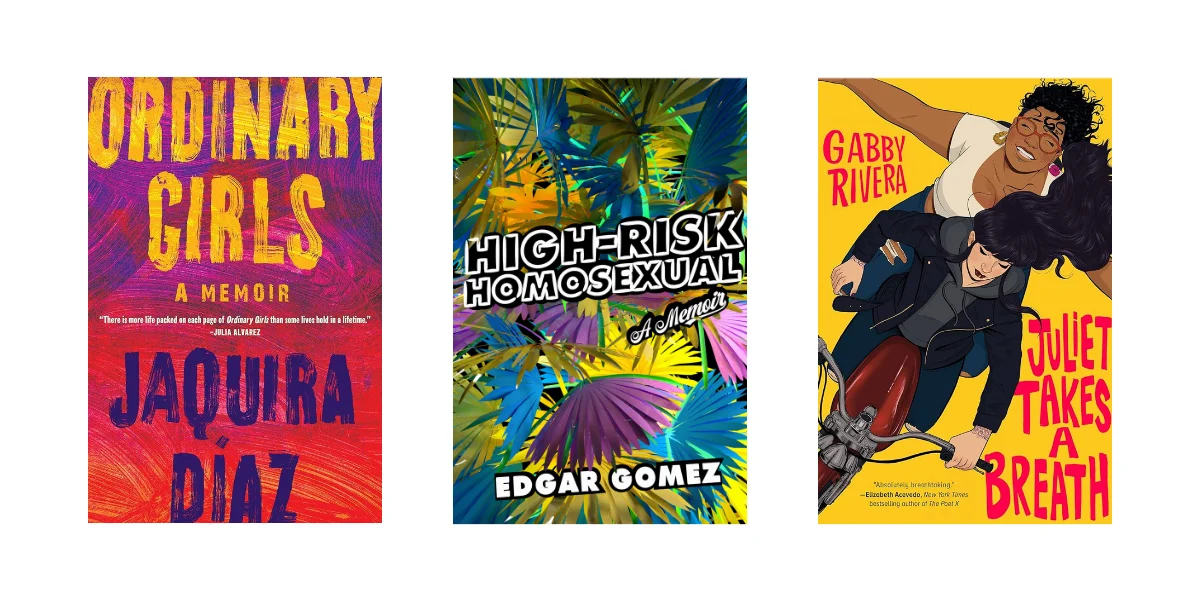
The landscape of contemporary literature is witnessing a significant and transformative expansion in the realm of Queer Boricua storytelling, a genre that defies monolithic categorization by encompassing a vast spectrum of geographical, linguistic, and cultural experiences. This literary movement, which bridges the gap between the archipelago of Puerto Rico and its global diaspora, explores the intersections of colonialism, migration, and identity through a diverse array of formats, including memoirs, poetry, young adult (YA) fiction, and speculative narratives. Far from being a recent phenomenon, the exploration of queerness within the Puerto Rican context is increasingly recognized by scholars and critics as an ancestral and migratory constant that is now gaining unprecedented visibility in mainstream and independent publishing.
The Plurality of the Queer Boricua Narrative
The defining characteristic of Queer Boricua literature is its refusal to adhere to a singular narrative arc. Instead, it reflects the multifaceted reality of the Puerto Rican experience, which is often divided between the island and the "Stateside" diaspora. These stories frequently navigate the tensions between traditional belief systems, such as Catholicism and Espiritismo, and modern queer realities. Geographically, the literature moves seamlessly from the urban density of Brooklyn and the suburban sprawl of Orlando to the tropical heat of San Juan, mirroring the migratory patterns that have defined the Puerto Rican people since the mid-20th century.
At the heart of these works is a constant negotiation of belonging. For many authors, the act of writing is a means of navigating a place shaped by the historical weight of colonialism and the ongoing complexities of United States-Puerto Rico relations. The literature is characterized by a blend of vulnerability and defiance, often addressing themes of grief, humor, and sharp political commentary. By engaging with "Puerto Ricanness" through a queer lens, these writers challenge traditional patriarchal structures while simultaneously honoring their cultural roots.
A Chronology of Influence: Key Works and Milestones
The trajectory of Queer Boricua literature can be traced through several seminal works that have achieved both critical acclaim and commercial success, signaling a shift in how these stories are consumed by the broader public.
In 2000, Mayra Santos-Febres published Sirena Selena vestida de pena (translated as Sirena Selena in 2001), a novel that remains a foundational text. By exploring the life of a young drag performer in San Juan who is taken to the Dominican Republic, Santos-Febres highlighted the intersections of poverty, performance, and the colonial economy. This work set a precedent for exploring the "erotic charge of survival" in the Caribbean context.
A decade later, in 2011, Justin Torres released We the Animals, a lyrical coming-of-age novel that follows three mixed-race brothers in upstate New York. The novel’s focus on the youngest brother’s emerging queerness and the volatility of family life earned it the VCU Cabell First Novelist Award and a 2018 film adaptation. Torres’s success demonstrated the hunger for stories that explore the nuances of mixed-race identity and the specificities of the Puerto Rican diaspora.
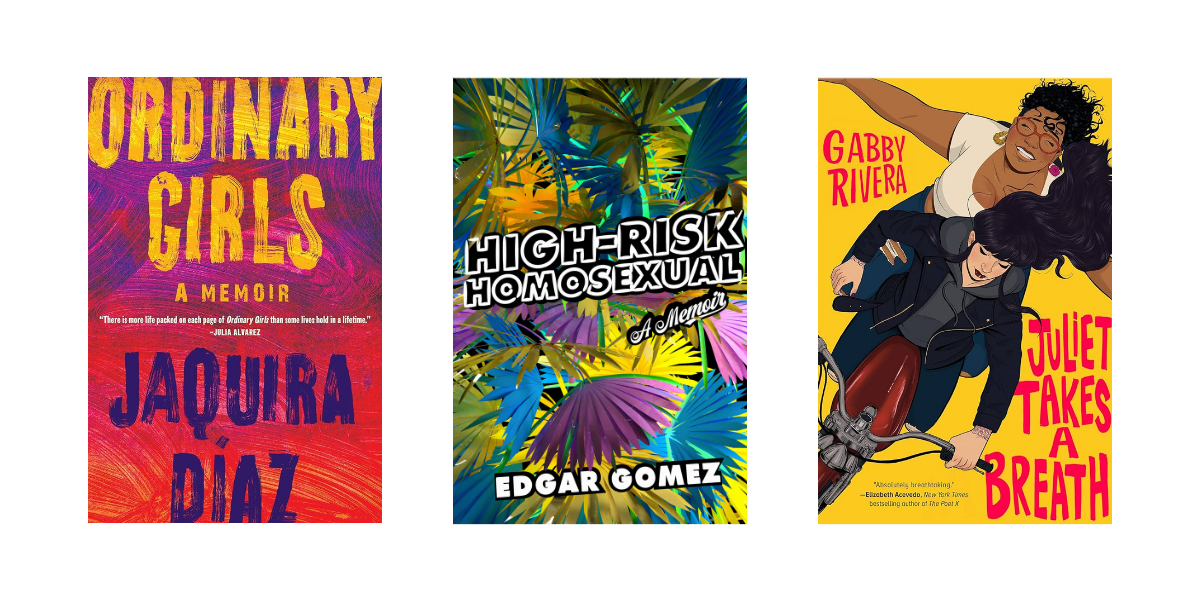
The mid-2010s saw the rise of Queer Boricua voices in the YA and speculative fiction sectors. Daniel José Older’s Shadowshaper (2015) introduced an Afro-Latina protagonist in Brooklyn, blending urban fantasy with themes of gentrification and ancestral heritage. Shortly after, in 2016, Gabby Rivera’s Juliet Takes a Breath became a touchstone for queer-of-color self-definition, critiquing white-centric feminism through the journey of a college student from the Bronx.

In more recent years, the genre has seen a surge in memoirs that refuse "respectability politics." Jaquira Díaz’s Ordinary Girls (2019) provided a raw look at girlhood, violence, and survival between Puerto Rico and Miami. Following this, Edgar Gomez’s High-Risk Homosexual (2022) utilized a sharp, humorous essay format to unpack class mobility and digital queer spaces, further diversifying the stylistic approaches within the genre.
Supporting Data: Representation in the Publishing Industry
The growth of Queer Boricua literature occurs against a backdrop of shifting demographics in the United States and a slow but measurable increase in diversity within the publishing industry. According to the Cooperative Children’s Book Center (CCBC), which tracks diversity in children’s and YA literature, books by and about Latinx characters have seen a gradual rise over the last decade, though they still lag behind the actual percentage of the Latinx population in the U.S.
Furthermore, the 2023 "Diversity Baseline Survey" by Lee & Low Books indicates that while the publishing workforce remains predominantly white (72%), there is an increasing push for "diverse" imprints and indie presses that prioritize marginalized voices. Queer Boricua authors have been particularly successful in navigating both the indie scene—utilizing zines and small presses—and major publishing houses. The success of authors like Justin Torres, who won the National Book Award for Fiction in 2023 for Blackouts, underscores the high literary caliber and institutional recognition now afforded to these voices.
Critical Analysis: Themes of Colonialism and Identity
A fact-based analysis of these literary works reveals a recurring engagement with the concept of "intersectional invisibility." Many Queer Boricua writers describe the experience of not feeling "Puerto Rican enough" due to their queerness or their location in the diaspora, while simultaneously feeling excluded from mainstream American queer spaces that often ignore the specificities of Latinx identity.

The literature serves as a corrective to this invisibility. By centering trans, nonbinary, femme, butch, and questioning narratives, these writers are documenting a history that was often suppressed or ignored by previous generations. The theme of "chosen family" is particularly prevalent, reflecting the necessity of creating support networks in the face of familial or societal rejection.
Moreover, the literature provides a platform for discussing the socio-political realities of Puerto Rico. Themes of gentrification, the impact of Hurricane Maria, and the ongoing debt crisis often serve as the backdrop for personal narratives, illustrating how the "political" and the "personal" are inextricably linked for Boricua subjects.
Institutional Responses and Academic Interest
The academic world has responded to this literary surge with increased interest in Caribbean Queer Studies. Universities across the United States and Puerto Rico have integrated these texts into their curricula, recognizing them as essential for understanding contemporary Latinx life.
Literary organizations have also played a role in fostering this community. Groups like CantoMundo and various LGBTQ+ literary fellowships have provided critical support for Boricua writers. The reaction from critics has been largely positive, with reviewers noting the "urgency" and "lyricism" of the prose. For instance, the New York Times and The Guardian have frequently highlighted the works of Justin Torres and Jaquira Díaz, praising their ability to transform specific cultural experiences into universal stories of human struggle and resilience.

Broader Impact and Future Implications
The impact of Queer Boricua literature extends beyond the literary world; it serves as a vital tool for community building and cultural preservation. For readers within the community, these books offer a sense of "coming home" and provide a language for identities that were previously unnamed. For allies and the general public, they serve as an educational resource, dismantling stereotypes and providing a more nuanced understanding of Puerto Rican identity.
Looking forward, the trend suggests a continued expansion of the genre. The recent publication of Jaquira Díaz’s debut novel This Is the Only Kingdom (2024) and the ongoing success of indie-published memoirs and zines indicate that the appetite for these stories is growing. The digital age has also facilitated a more direct connection between island-based writers and those in the diaspora, leading to a more unified, albeit diverse, literary movement.
As the publishing industry continues to grapple with demands for equity and representation, Queer Boricua literature stands as a testament to the power of storytelling to honor complex heritages. These narratives confirm that Boricua queerness is not a modern imposition but an ancestral reality that continues to shape the cultural fabric of both the island and the mainland. The movement is characterized not by a search for a single truth, but by an embrace of the many truths that constitute the Queer Boricua experience. Through their defiance, humor, and sharp commentary, these writers are ensuring that their stories are not only heard but are preserved as a permanent part of the global literary canon.