The Supreme Court of the United States is poised to hear oral arguments in the pivotal case of Trump v. Barbara on April 1, 2026, a legal battle that could fundamentally alter the landscape of American immigration policy and its deeply embedded principles of citizenship. At the heart of this landmark case is a challenge to a Trump administration executive order aimed at dismantling the long-standing doctrine of birthright citizenship, a cornerstone of American identity since the passage of the 14th Amendment. The outcome of this litigation carries profound implications for millions of individuals and families residing in the United States, as well as for the nation’s historical commitment to welcoming immigrants.
Understanding Birthright Citizenship: A Foundation of American Law
Birthright citizenship, often referred to by its Latin maxim, jus soli ("right of the soil"), is the principle by which citizenship is automatically granted to any individual born within the territorial boundaries of a sovereign nation. This concept stands in contrast to jus sanguinis ("right of blood"), where citizenship is determined by the nationality of one’s parents. Globally, a significant minority of countries, estimated to be just over three dozen, have adopted birthright citizenship as a foundational element of their legal systems. The adoption of jus soli by these nations serves multiple critical functions: it provides a clear and unambiguous legal status for all children born within their borders, effectively preventing the creation of stateless populations, and fosters greater social cohesion and integration for immigrant communities.
In the United States, birthright citizenship is enshrined in Section 1 of the 14th Amendment to the Constitution, ratified in 1868 in the aftermath of the Civil War. Its primary intent was to guarantee citizenship to newly freed African Americans, ensuring they were not relegated to a perpetual underclass without fundamental rights. Since its inception, the 14th Amendment has been consistently interpreted to grant automatic citizenship to virtually every person born on U.S. soil, regardless of their parents’ immigration status. This enduring principle has been instrumental in shaping the nation’s demographic tapestry, drawing generations of immigrants from diverse backgrounds—from Ireland and Russia to Japan, Vietnam, and Afghanistan—who have found a permanent home in America, contributing to its rich cultural diversity and economic vitality.
The Genesis of Trump v. Barbara: A Direct Challenge to Constitutional Precedent
The case before the Supreme Court originated as a direct response to an executive order issued by the Trump administration on its first day in office, a move widely condemned as an unconstitutional attempt to circumvent established constitutional law. The administration’s stated objective was to end birthright citizenship for children born in the U.S. to parents who are not U.S. citizens or legal permanent residents. This executive action immediately triggered a series of legal challenges, culminating in the case now before the nation’s highest court.
The lawsuit, Trump v. Barbara, represents one of the most significant legal confrontations with the Trump administration’s broader immigration agenda. Legal experts and civil rights advocates have argued that the executive order directly contravenes the unambiguous language and intent of the 14th Amendment. The core of the legal argument centers on the interpretation of the phrase "subject to the jurisdiction thereof" within the 14th Amendment. Opponents of the executive order contend that this phrase refers to allegiance and the general obligation to obey the laws of the land, not to a specific immigration status of the parents. They assert that any individual physically present within U.S. territory and not subject to the jurisdiction of another sovereign power is, by definition, subject to U.S. jurisdiction.
HIAS and Faith-Based Organizations: A Moral Imperative
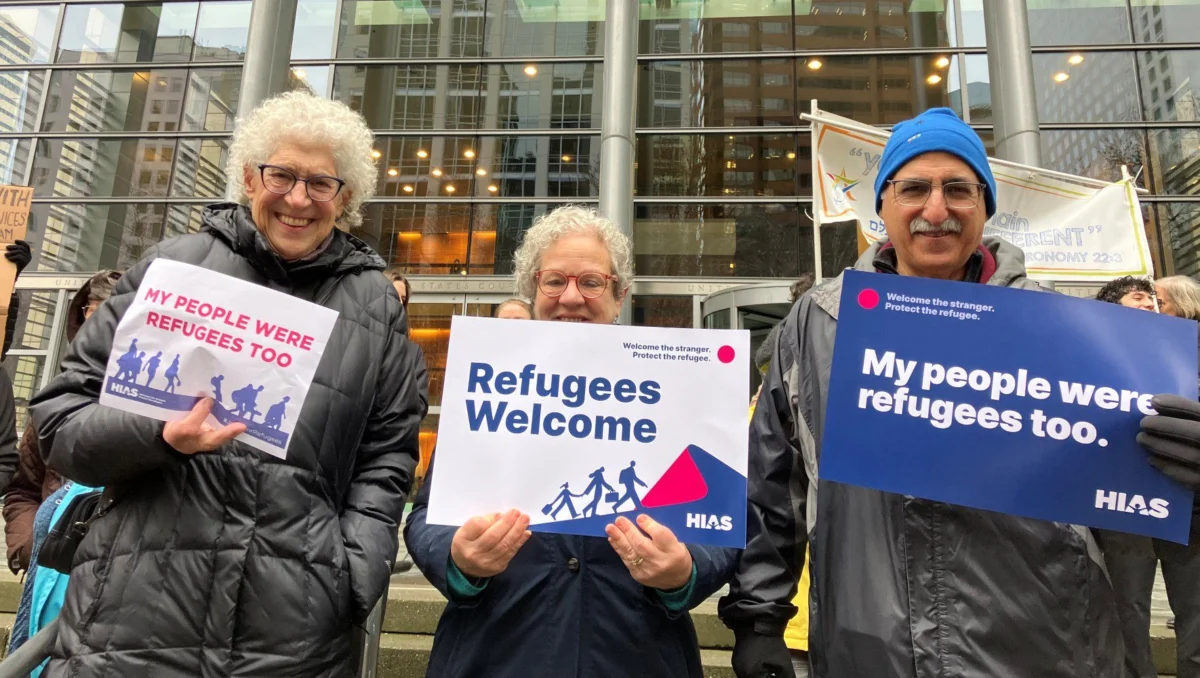
In a powerful display of solidarity and advocacy, HIAS, a global Jewish humanitarian organization that has been resettling refugees and assisting immigrants for over a century, joined forces with 57 other faith-based organizations in submitting an amicus brief to the Supreme Court. This coalition, representing a broad spectrum of religious traditions including Catholic, Protestant, Muslim, Hindu, and Jewish communities, emphasized the profound moral and ethical dimensions of the birthright citizenship debate.
The amicus brief articulates the deep-seated importance of birthright citizenship to members of various faith communities and immigrant groups. It highlights that for many, the principle of jus soli is not merely a legal concept but a reflection of deeply held religious values that emphasize inclusion, compassion, and the inherent dignity of all individuals. The brief argues that stripping away birthright citizenship would undermine the moral fabric of the nation and contradict the foundational principles of welcome and opportunity that have historically defined the United States. It underscores the shared conviction among these faith communities that a nation’s strength lies in its ability to integrate newcomers and ensure that all children born within its borders have a secure and recognized place.
The Stakes: A Constitutional Crossroads
The Supreme Court’s decision in Trump v. Barbara is anticipated to be highly consequential, with the potential to reshape the United States’ identity as a nation that has historically embraced immigrants. A ruling in favor of upholding birthright citizenship would reaffirm the constitutional protections afforded by the 14th Amendment and preserve the established legal framework that has facilitated integration and opportunity for generations.
Conversely, a decision that upholds the executive order could have immediate and far-reaching ramifications for non-citizen families residing in the United States. It could create a class of individuals born on American soil who are denied full citizenship rights, potentially leading to widespread uncertainty, social disruption, and the erosion of long-standing constitutional principles. Such a ruling would fundamentally alter America’s legacy as a beacon of hope and opportunity for those seeking a better life.
The Specter of Statelessness: A Global Concern
The potential consequences of dismantling birthright citizenship extend beyond the borders of the United States, highlighting the global challenge of statelessness. Every nation establishes its own criteria for granting and revoking citizenship. In a world where jus sanguinis is more prevalent than jus soli, individuals can fall through the cracks, becoming stateless if they do not meet the citizenship requirements of their parents’ country and are not born within a country that grants citizenship based on birthplace.
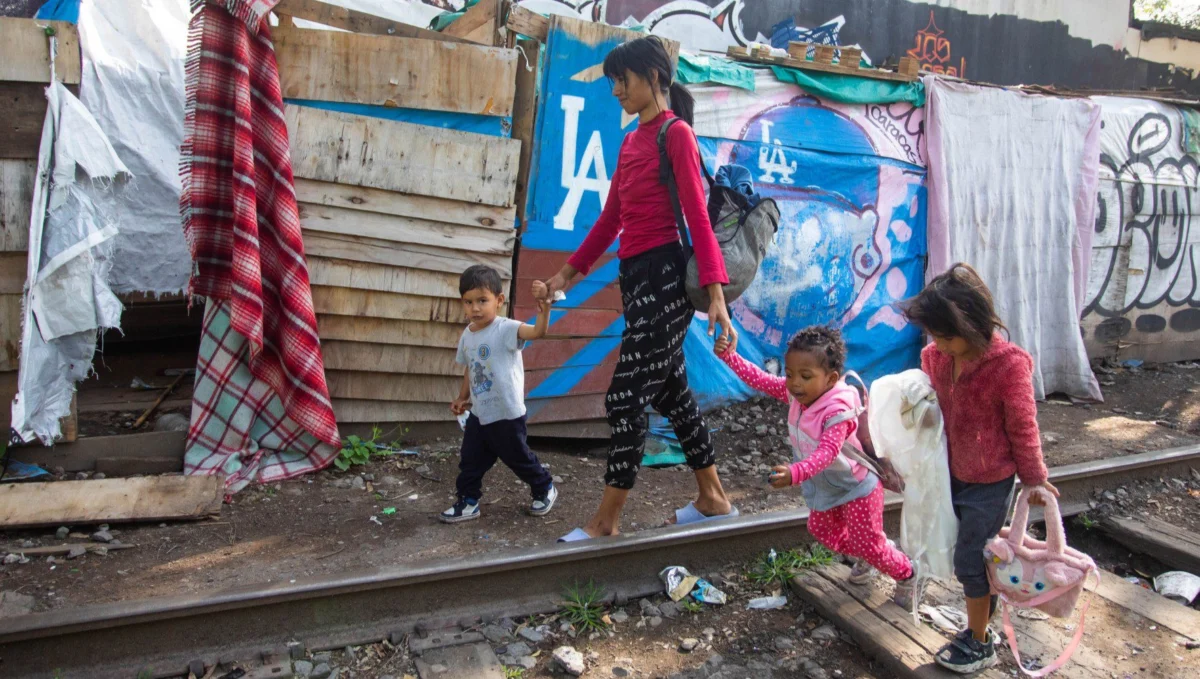
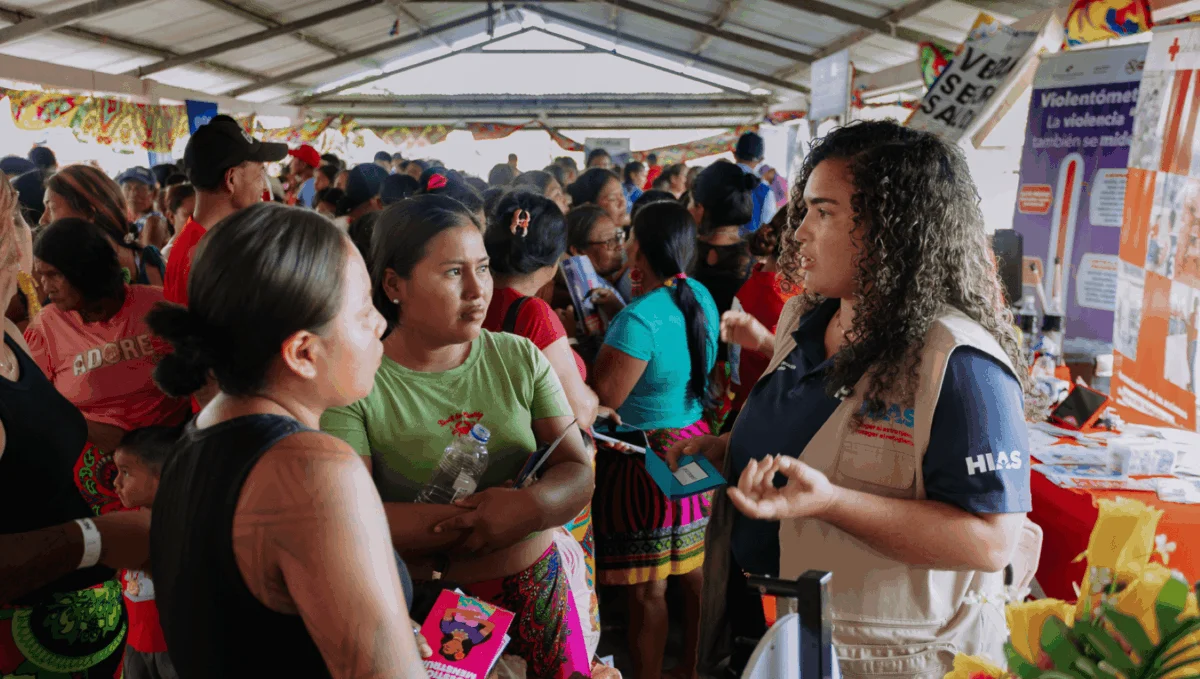
HIAS, with its extensive experience operating in countries with varying citizenship laws, possesses unique insight into the precarious reality faced by the estimated 4.4 million stateless individuals worldwide. These individuals often lack any legal documentation, rendering them ineligible for fundamental rights and services such as education, healthcare, employment, and housing. They are frequently denied the ability to marry legally, travel, or even to exist in the eyes of the law. The prospect of creating a stateless or near-stateless population within the United States, a nation that has historically championed the rights of the displaced and marginalized, is a grave concern for human rights organizations.
A Call to Action: Public Engagement and Advocacy
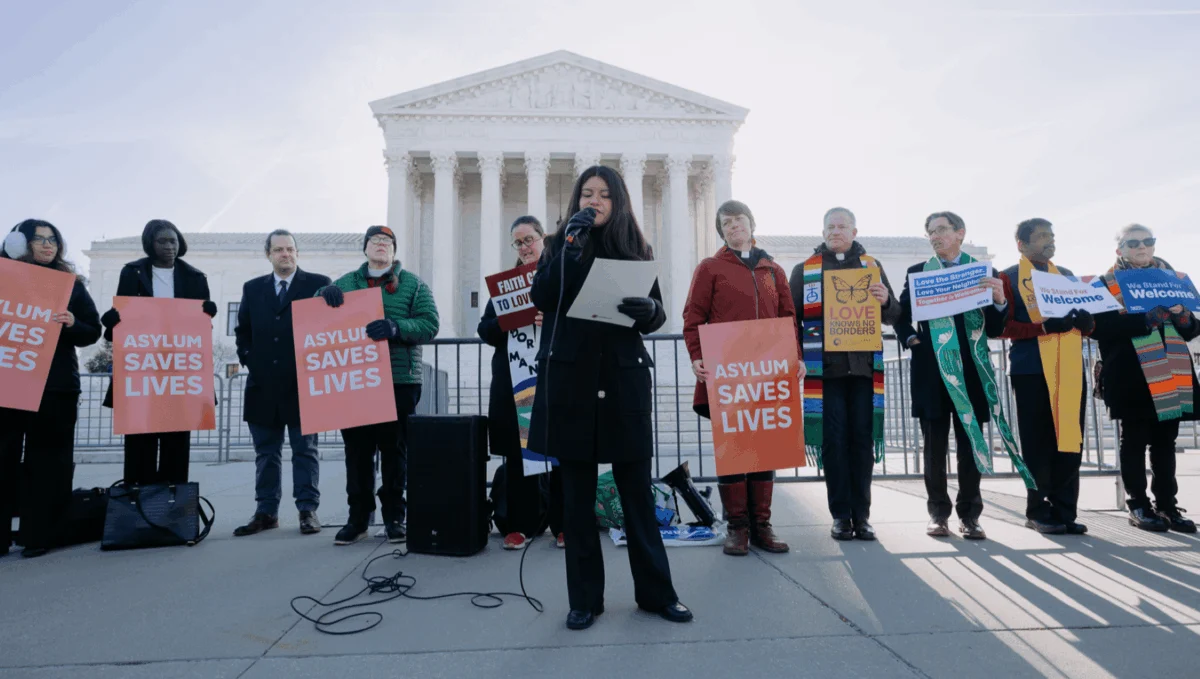
In anticipation of the Supreme Court’s hearing, HIAS, in collaboration with the ACLU and other partner organizations that submitted the amicus brief, is organizing a public rally. This event is scheduled to take place outside the Supreme Court building at 10:00 AM on April 1, 2026, coinciding with the oral arguments. The rally aims to demonstrate broad public support for the preservation of birthright citizenship and to urge the Court to uphold this constitutional right.
Following the oral arguments, the Supreme Court is expected to take several months to deliberate and issue its decision. During this period of anticipation, HIAS is providing resources for individuals and congregations seeking to support immigrant communities. These resources offer practical guidance on how to take action and advocate for the protection of immigrants’ rights at a time when they are facing increased scrutiny and challenges. The organization emphasizes that while the legal battle unfolds, community engagement and advocacy remain crucial in safeguarding the principles of inclusion and justice that are integral to the American ethos.
The Trump v. Barbara case stands as a critical juncture for the United States, testing not only its legal frameworks but also its core values and historical narrative. The nation’s highest court faces the profound responsibility of deciding whether to uphold a constitutional right that has defined its inclusive identity or to embark on a path that could fundamentally alter its commitment to welcoming those who seek refuge and opportunity within its borders. The outcome will undoubtedly resonate for generations to come, shaping the future of citizenship, immigration, and the very definition of what it means to be an American.