The escalating conflict in Iran has transcended regional borders, evolving into a humanitarian catastrophe that is forcing a fundamental reappraisal of global alliances and economic dependencies. As of March 24, 2026, the human toll continues to mount, with civilian casualties rising and millions displaced. However, beyond the immediate tragedy, the war is acting as a catalyst for a profound debate within the United Kingdom. This crisis has brought Britain to a historical crossroads, compelling the government and the public to question which economic future the nation wishes to pursue and whether its long-standing alignment with the United States’ model of capitalism remains viable in an era of shifting American priorities.
The Humanitarian Crisis and Geopolitical Instability
The current war in Iran began following a series of diplomatic collapses and regional skirmishes that escalated into full-scale military engagement in late 2025. By early 2026, the conflict had severely disrupted the global energy market and heightened tensions across the Middle East. While the geopolitical ramifications are vast, the human reality remains the most pressing concern. Reports from international aid agencies indicate that the destruction of infrastructure has left millions without access to basic utilities, while the disruption of the global supply chain has exacerbated food insecurity in the region.
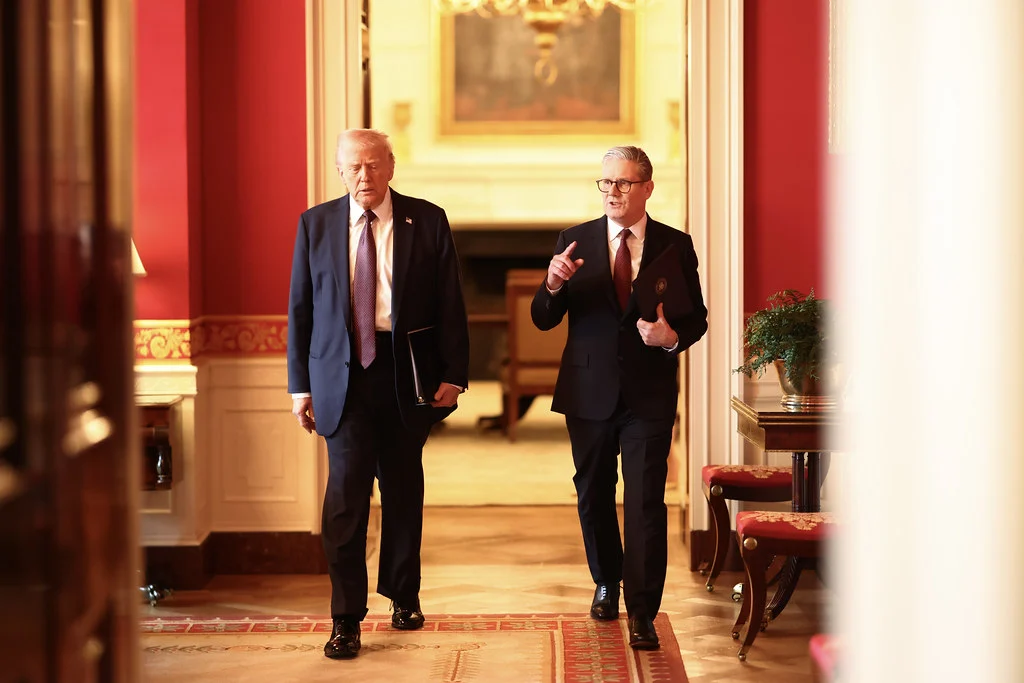
For the United Kingdom, the war serves as a stark reminder of the volatility inherent in current global security arrangements. The British government has historically aligned its strategic defense and foreign policy with Washington, a partnership that has defined the "Special Relationship" for decades. However, the United States’ current posture—characterized by a blend of military interventionism and economic nationalism—has created a sense of uncertainty among its European allies. The erratic nature of these alliances has led British policymakers to reconsider the wisdom of a foreign policy that is so inextricably linked to the strategic whims of a single superpower.
A Chronology of Economic Alignment: 1980–2026
The roots of Britain’s current economic dilemma can be traced back to the late 20th century. For over forty years, the UK has progressively adopted a model of capitalism that mirrors the Washington consensus. This shift was not a single event but a series of deliberate policy choices across successive administrations.
- The 1980s Deregulation: The "Big Bang" of 1986 transformed the City of London, prioritizing deregulated finance and positioning the UK as a global hub for speculative capital.
- Labor Market Shifts: Throughout the 1990s and 2000s, legislative changes significantly weakened the power of trade unions, leading to a more "flexible" but increasingly precarious labor market.
- Privatization Waves: From energy and water to transportation and elements of the healthcare supply chain, public services were opened to private competition, often dominated by large American multinational corporations.
- The Tech Dominance: By the 2010s, the UK’s digital infrastructure became heavily reliant on Silicon Valley platforms, with data and digital value largely extracted to US-based firms.
- Post-Brexit Strategy: Following the departure from the European Union, the UK doubled down on its "Anglosphere" bet, seeking a comprehensive free trade agreement with the US as a cornerstone of its "Global Britain" identity.
However, by 2026, this bet has encountered significant friction. The United States has increasingly pivoted toward protectionist policies, such as the Inflation Reduction Act and subsequent nationalist trade measures, which prioritize American domestic industry over the interests of its allies. This shift has left the UK in a vulnerable position: disconnected from the European Single Market and sidelined by a changing American economic strategy.
Comparative Economic Models and the Inequality Gap
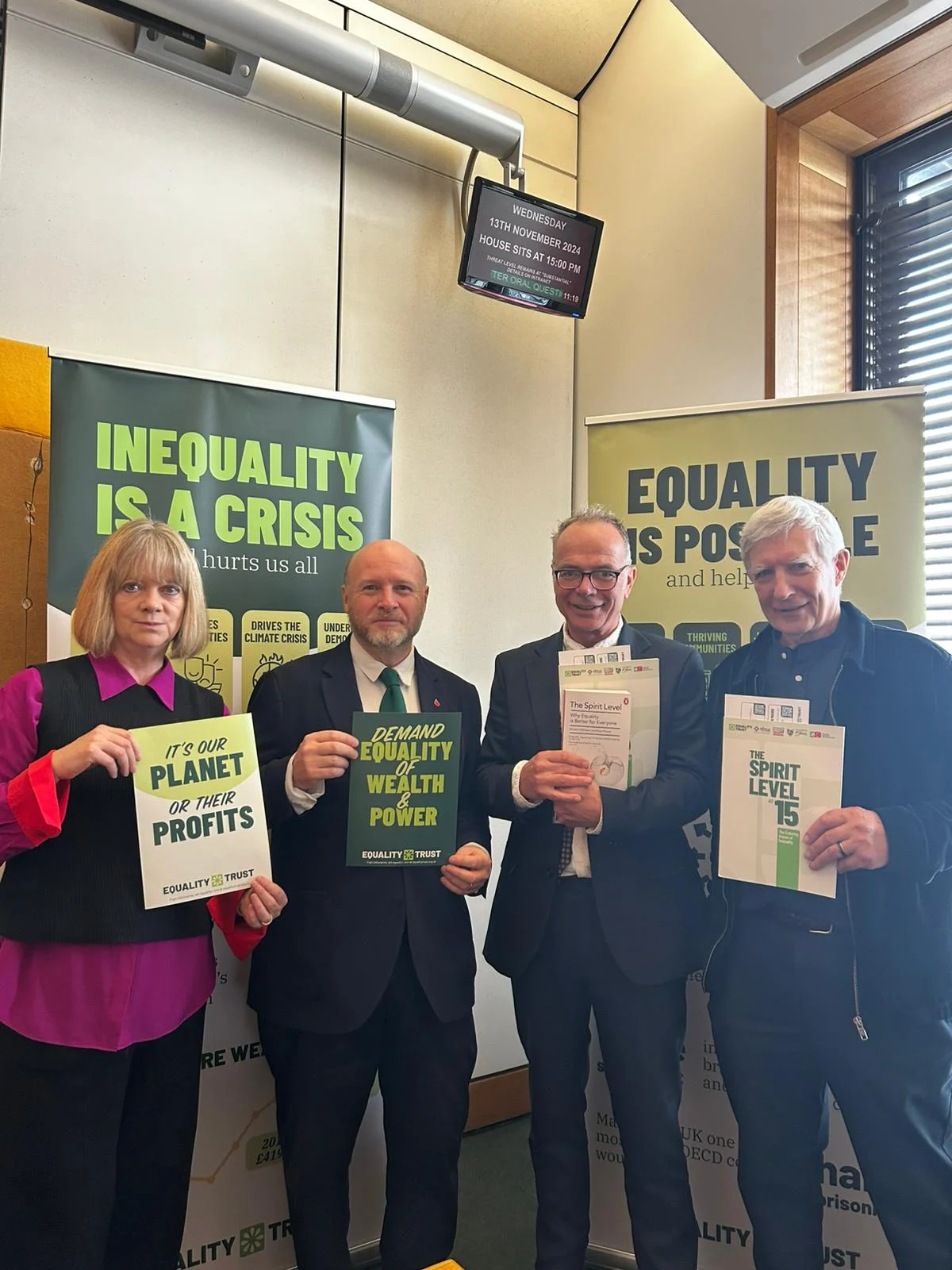
The debate in Britain is not merely about who to trade with, but about the fundamental structure of the domestic economy. Data from the Equality Trust and the OECD highlights a significant disparity between the UK’s economic outcomes and those of its northern European neighbors.
The countries Britain might now look toward for closer alignment—including Germany, the Scandinavian states, and the Netherlands—operate under models of "stakeholder capitalism." These economies are characterized by:
- Stronger Labor Rights: Collective bargaining coverage is significantly higher in Scandinavia (often exceeding 70%) compared to the UK (approximately 23%).
- Regulated Finance: These nations typically have banking sectors that are more integrated with the productive "real" economy rather than speculative markets.
- Lower Inequality: The Gini coefficient, a measure of income inequality, is consistently lower in northern Europe (averaging 0.25 to 0.28) than in the UK (which has fluctuated around 0.35 for the past decade).
The war in Iran has intensified the pressure to move toward these more resilient models. Critics of the current UK system argue that the American-style focus on "shareholder primacy" has led to a concentration of wealth that undermines social cohesion. According to the Equality Trust’s briefing, Money, Media and the Lords: How the Ultra-wealthy are Shaping Britain, the concentration of wealth in the UK has created a feedback loop where political influence is increasingly bought, making it difficult to enact reforms that benefit the wider population.
Structural Proposals for an Independent Economy
To break its dependence on the American model and navigate the instability caused by the Iranian conflict, experts suggest a series of structural reforms designed to build a more autonomous and equitable British economy.
Community Wealth Building
A central pillar of this proposed reorientation is "community wealth building." This strategy focuses on redirecting wealth back into local economies rather than allowing it to be extracted by distant shareholders. By leveraging the procurement power of "anchor institutions" like hospitals, universities, and local councils, the UK could foster a network of local businesses and worker cooperatives. This would create a more resilient economic base that is less susceptible to global shocks and the flight of international capital.
Domestic Industrial Investment
The war has highlighted the dangers of over-reliance on overseas contractors for essential infrastructure and defense. A shift toward a domestic industrial strategy would involve state-led investment in green energy, advanced manufacturing, and sovereign defense capabilities. Rather than enriching overseas entities, this investment would build long-term capacity in "left-behind" regions, addressing the UK’s persistent productivity gap.
Technology and Digital Sovereignty
In the digital age, economic independence is impossible without technological sovereignty. The current model, where UK data is processed and monetized by Silicon Valley giants, represents a massive transfer of value. Analysts argue for the development of UK-based technology infrastructure and stricter regulations on data extraction, ensuring that the value generated by British consumers and businesses remains within the domestic economy.
Financial and Competition Reform
A more equitable economy requires a fundamental shift in how markets are regulated. This includes competition policy with "real teeth" to break up oligopolies that stifle innovation and extract excess profits. Furthermore, financial regulation must be redesigned to prioritize the productive economy. This could involve incentives for banks to lend to small and medium-sized enterprises (SMEs) rather than focusing on real estate speculation or complex financial derivatives.
Reactions from Stakeholders and Policy Experts
The prospect of a major economic pivot has drawn mixed reactions from various sectors of British society.
The Business Community: The Confederation of British Industry (CBI) has expressed caution, noting that while diversification of trade is necessary, the US remains the UK’s largest single-country trading partner. "We must be careful not to alienate our closest security partner while seeking economic autonomy," a spokesperson stated. "However, the need for a more stable and predictable industrial strategy is undeniable."
Labor Organizations: Trade unions have largely welcomed the discussion. Paul Nowak, General Secretary of the TUC, noted that "The American model of hire-and-fire and suppressed wages has failed British workers. A move toward the Scandinavian model of high-skill, high-wage, and high-security employment is long overdue."
The Treasury: While the government remains officially committed to its current trade objectives, sources within the Treasury suggest that "contingency planning" for a more European-aligned economic strategy is underway. The volatility of the US political landscape and the economic fallout of the Iran war have made the status quo increasingly untenable.
Broader Implications and Future Outlook
The war in Iran is more than a regional conflict; it is a symptom of a fracturing global order. For Britain, the choice is no longer between the "status quo" and "change," but between a managed transition to a more stable model or a forced adjustment caused by external shocks.
If the UK chooses to reorient its economy toward the northern European model, it faces the challenge of dismantling forty years of institutional inertia. This would require a level of political will and public consensus not seen since the post-war reconstruction of the 1940s. However, the potential rewards—a more equal society, a more productive economy, and a more independent voice on the world stage—are significant.
The alternative—leaving the economic model untouched while attempting to navigate a shifting geopolitical landscape—risks leaving Britain as a "rule-taker" in a world of "rule-makers." As the human catastrophe in Iran continues to unfold, the pressure on the British government to define its economic identity will only grow. The decision made in the coming months will likely determine the trajectory of the British economy for the next half-century, deciding whether the nation remains an adjunct to the American system or becomes a sovereign, egalitarian leader in a new European-Atlantic framework.