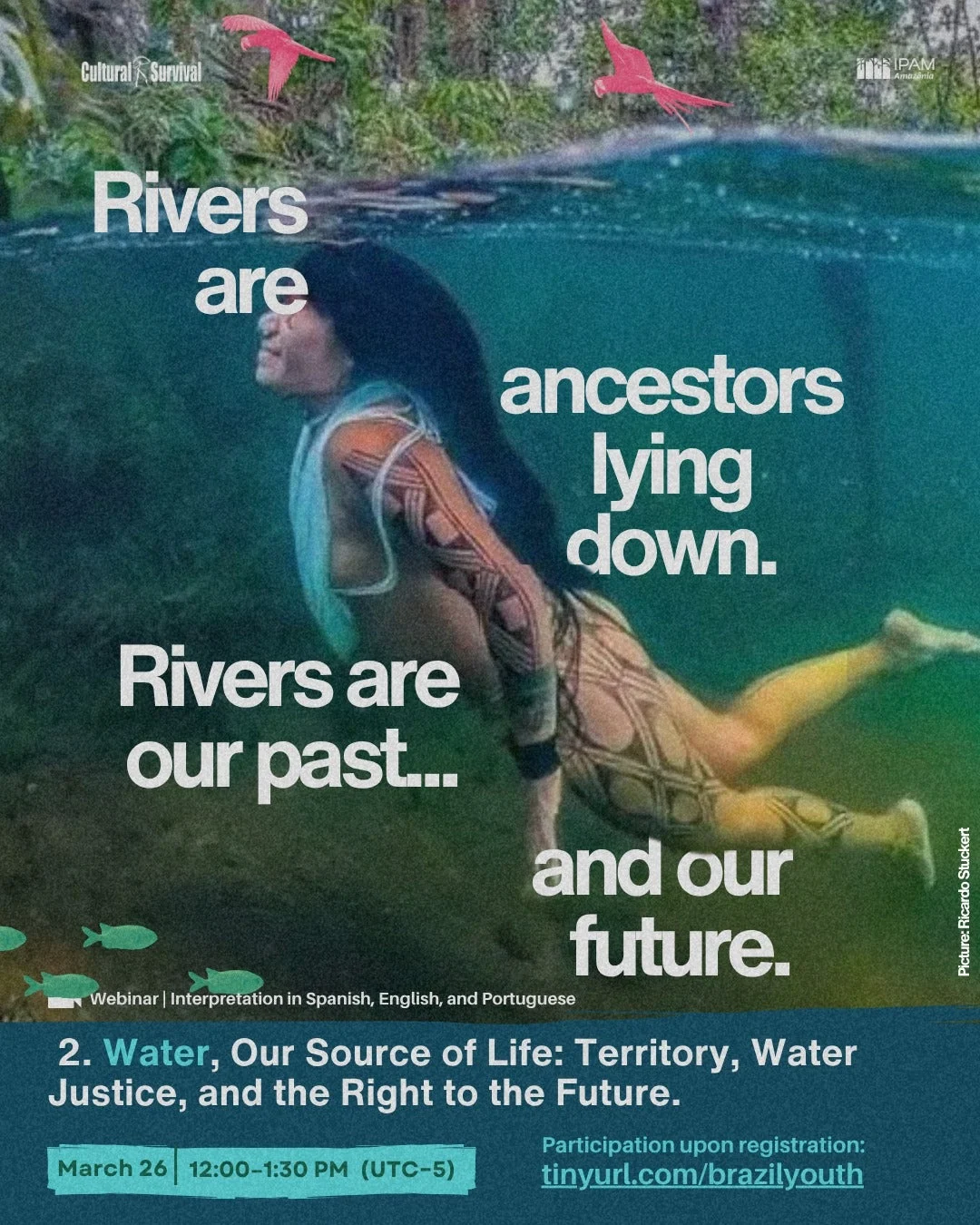
Cultural Survival is set to host a pivotal webinar on Thursday, March 26, 2026, at 10:17 AM PST, focusing on the critical intersection of Indigenous Peoples’ rights, water stewardship, and the urgent pursuit of environmental justice. This online event aims to illuminate the profound connection Indigenous communities have with water resources and the systemic challenges they face in protecting these vital lifelines from exploitation and pollution. The webinar will delve into the historical context of water rights, the contemporary struggles for equitable access and management, and the innovative strategies Indigenous Peoples are employing to safeguard their waters for present and future generations.
The Deep-Rooted Connection: Indigenous Water Stewardship
For millennia, Indigenous cultures worldwide have maintained a sacred and intrinsic relationship with water. It is not merely a resource to be consumed but a living entity, a source of spiritual sustenance, and a cornerstone of cultural identity and traditional practices. This worldview often contrasts sharply with dominant Western paradigms that view water primarily through an economic or utilitarian lens. Indigenous knowledge systems, passed down through generations, offer profound insights into sustainable water management, ecological balance, and the interconnectedness of all living things. These traditions emphasize respect, reciprocity, and responsibility towards water bodies, ensuring their health and vitality.
The upcoming webinar will explore how this deep-rooted connection translates into active stewardship. Indigenous communities often act as frontline defenders of their ancestral waters, which are frequently located in areas rich in natural resources, making them targets for industrial development, resource extraction, and agricultural expansion. This proximity to valuable resources often leads to conflicts, where the rights and well-being of Indigenous Peoples are pitted against the economic interests of corporations and governments.
Historical Context: A Legacy of Dispossession and Resistance
The struggle for Indigenous water rights is deeply intertwined with a long history of colonization, land dispossession, and forced assimilation. Colonial powers, in their pursuit of territorial expansion and resource control, systematically undermined Indigenous sovereignty and their inherent rights to their ancestral lands and waters. Treaties, often negotiated under duress or misrepresented, frequently failed to adequately protect Indigenous water access and usage. In many regions, Indigenous communities were displaced from their traditional territories, severing their direct connection to the water sources that sustained them.
The twentieth and twenty-first centuries have seen a resurgence of Indigenous activism and legal challenges aimed at reclaiming and asserting these rights. Indigenous Peoples have leveraged national and international legal frameworks, including the United Nations Declaration on the Rights of Indigenous Peoples (UNDRIP), to advocate for their water rights. This declaration, adopted in 2007, explicitly recognizes the right of Indigenous Peoples to their lands, territories, and resources, including water. However, the implementation and enforcement of these rights remain a significant challenge in many parts of the world.
Contemporary Challenges: Pollution, Scarcity, and Inequity
In the modern era, Indigenous communities face a multifaceted array of challenges related to water. Industrial pollution from mining, logging, agriculture, and urban development frequently contaminates rivers, lakes, and groundwater, impacting both human health and ecosystems. This pollution disproportionately affects Indigenous territories, which are often located downstream or adjacent to industrial sites. The long-term health consequences of contaminated water can be devastating, leading to increased rates of cancer, birth defects, and other chronic illnesses.

Water scarcity, exacerbated by climate change and unsustainable consumption patterns, further intensifies these issues. As water resources dwindle, competition for access increases, often marginalizing Indigenous communities who may have historically relied on these waters for sustenance, cultural ceremonies, and traditional livelihoods. Inequitable distribution and management of water resources, often driven by political and economic considerations, frequently leave Indigenous Peoples with insufficient access to clean and safe drinking water, even when their territories contain abundant water sources.
Innovative Solutions: Indigenous-Led Environmental Justice Initiatives
Despite these formidable challenges, Indigenous Peoples are at the forefront of developing and implementing innovative solutions to protect their water resources. The webinar will likely highlight some of these inspiring initiatives, showcasing the resilience, knowledge, and determination of Indigenous communities. These efforts often encompass a range of strategies:
- Traditional Ecological Knowledge (TEK): Revitalizing and applying TEK in water monitoring, management, and conservation practices. This includes understanding hydrological cycles, identifying pollution sources, and developing sustainable water use strategies based on ancestral wisdom.
- Legal and Political Advocacy: Engaging in legal battles, lobbying governments, and participating in international forums to assert water rights and influence policy. This can involve challenging harmful development projects, advocating for stronger environmental regulations, and demanding meaningful consultation in decision-making processes.
- Community-Based Monitoring Programs: Establishing local water quality monitoring programs, often utilizing citizen science approaches, to gather data, raise awareness, and hold polluters and authorities accountable. These programs empower communities to be active stewards of their own environments.
- Sustainable Development Projects: Developing and implementing sustainable infrastructure projects that prioritize water conservation and protection, such as rainwater harvesting systems, efficient irrigation techniques, and community-managed water treatment facilities.
- Cultural Revitalization: Reconnecting younger generations with traditional water ceremonies and teachings, fostering a renewed sense of responsibility and stewardship towards water resources. This intergenerational knowledge transfer is crucial for long-term sustainability.
The Role of Cultural Survival and its Vision
Cultural Survival, the organization hosting the webinar, has a long-standing commitment to supporting Indigenous Peoples’ rights and self-determination. Founded in 1972, the organization advocates for Indigenous communities’ cultures, political resilience, and fundamental rights. Their mission is to foster a future where Indigenous Peoples’ inherent rights and vibrant cultures are respected and honored, deeply interwoven into their lands, languages, spiritual traditions, and artistic expressions, all rooted in self-determination and self-governance.
The organization’s vision aligns directly with the goals of this webinar. By providing a platform for discussion, education, and the sharing of best practices, Cultural Survival aims to amplify Indigenous voices and contribute to the global movement for environmental justice. The webinar serves as a crucial step in raising awareness among a broader audience about the critical importance of Indigenous water rights and the ongoing struggles faced by these communities.
Broader Implications: A Blueprint for Global Environmental Health
The issues addressed in this webinar extend far beyond the immediate concerns of Indigenous communities. The protection of Indigenous water rights is intrinsically linked to the health of our planet’s water systems. Indigenous Peoples, by virtue of their traditional stewardship practices and their deep understanding of ecological balance, often hold the key to preserving biodiversity, mitigating climate change impacts, and ensuring the long-term sustainability of freshwater resources for all.
The webinar’s focus on environmental justice underscores the fact that the exploitation of water resources often disproportionately impacts marginalized communities. By advocating for Indigenous water rights, the movement for environmental justice seeks to address systemic inequities and ensure that all communities have access to clean water and a healthy environment. The lessons learned from Indigenous-led water protection initiatives can offer valuable insights and a blueprint for broader environmental management strategies worldwide.
Looking Ahead: A Call to Action
The upcoming webinar from Cultural Survival is more than just an informational session; it is a call to action. It is an opportunity to learn from Indigenous leaders, activists, and knowledge keepers about the critical challenges and promising solutions related to water rights and environmental justice. By engaging with these vital discussions, individuals and organizations can contribute to a global effort to uphold the rights of Indigenous Peoples, protect our precious water resources, and build a more just and sustainable future for all. The date, March 26, 2026, will mark a significant moment for dialogue and a renewed commitment to the stewardship of our planet’s most vital resource.