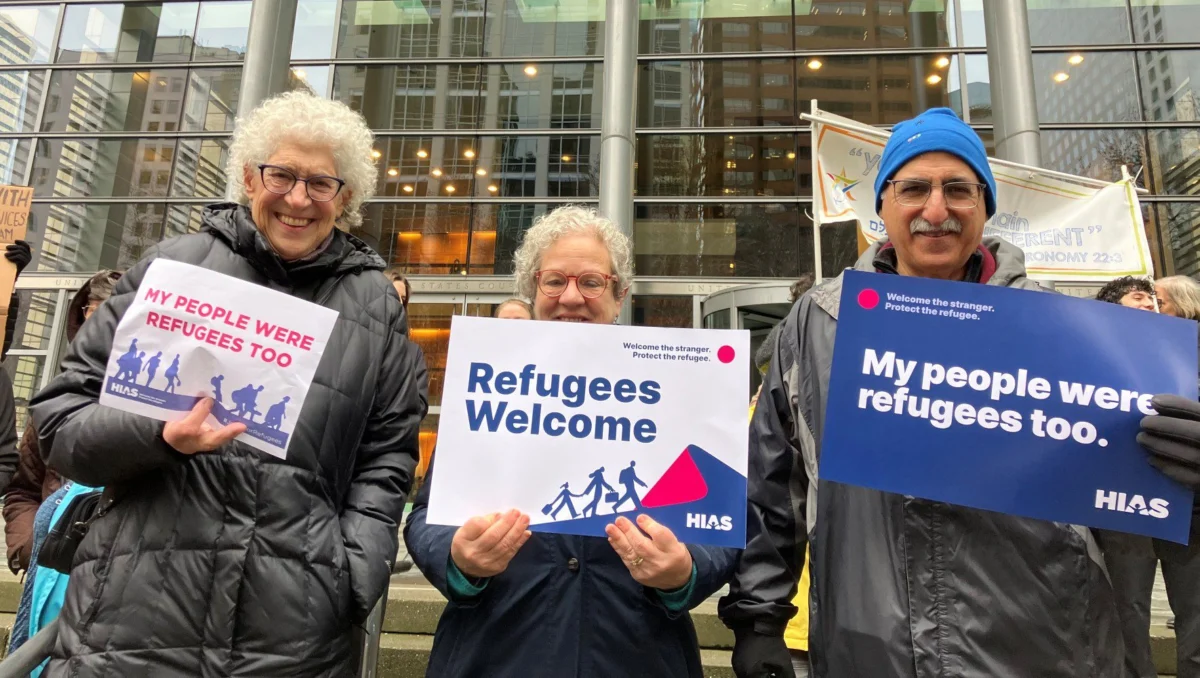
This week, the Supreme Court will convene to hear arguments in Trump v. Barbara, a pivotal legal challenge aimed at overturning President Donald Trump’s executive order that sought to dismantle the principle of birthright citizenship in the United States. The case has galvanized a broad coalition of religious and civil liberties organizations, including HIAS, which joined 57 faith-based groups representing a diverse spectrum of religious traditions—Catholics, Protestants, Muslims, Hindus, and Jews—in submitting an amicus brief. This brief underscores the profound moral implications of revoking birthright citizenship and highlights its significance to various faith communities and immigrant populations.
The Foundation of Birthright Citizenship: Jus Soli
Birthright citizenship, commonly known as jus soli or "right of the soil," is a legal principle that bestows citizenship upon individuals born within a nation’s sovereign territory, irrespective of their parents’ nationality or immigration status. This contrasts with jus sanguinis, or "right of blood," where citizenship is determined by the parents’ citizenship. Globally, just over three dozen countries recognize birthright citizenship, a system that provides children born within their borders with a clear and unequivocal legal status. This principle is crucial in preventing statelessness, a condition where an individual is not recognized as a citizen by any state, and actively promotes the integration of newcomers into the fabric of society. The United Nations High Commissioner for Refugees (UNHCR) estimates that there are approximately 4.4 million stateless individuals worldwide, often denied fundamental rights such as access to education, healthcare, employment, and housing. The absence of legal documentation further exacerbates their marginalization, creating cycles of disadvantage.
Constitutional Roots and Historical Significance in the U.S.
In the United States, birthright citizenship is enshrined in the 14th Amendment to the Constitution, a landmark piece of legislation ratified in 1868. Its primary purpose was to guarantee citizenship to formerly enslaved people following the Civil War, ensuring their fundamental rights and integration into the nation. Since its inception, this principle has been consistently applied, granting automatic citizenship to every child born on American soil. This enduring legal framework has been instrumental in fostering the integration of generations of immigrants from diverse backgrounds—including those from Ireland, Russia, Japan, Vietnam, and Afghanistan—into American society. These immigrant families have not only found a permanent home in the U.S. but have also significantly contributed to the nation’s rich tapestry of diversity and innovation. The historical context of the 14th Amendment underscores its intent to establish a foundational right for all individuals born within the United States, regardless of their parents’ circumstances.
The Genesis of Trump v. Barbara and its Constitutional Challenge
The case of Trump v. Barbara emerged directly in response to a directive from the Trump Administration, issued via executive order on its first day in office, attempting to revoke birthright citizenship. This action was widely criticized as a blatant overreach and a direct contravention of constitutional law. Legal experts and civil rights advocates immediately challenged the order, arguing that it lacked constitutional authority and sought to undermine a fundamental right established by the 14th Amendment. The lawsuit represents one of the most significant legal battles against the Trump Administration’s broader immigration agenda, directly confronting its efforts to alter long-standing immigration policies and practices. The administration’s rationale for the executive order was rooted in an interpretation that sought to exclude children born to parents without legal status from the purview of the 14th Amendment’s citizenship clause, a position that diverges sharply from decades of legal interpretation and judicial precedent.
The Supreme Court’s Role and Potential Ramifications
The Supreme Court’s decision to hear oral arguments in Trump v. Barbara on April 1, 2026, signifies the gravity and far-reaching implications of the case. The outcome will be profoundly consequential, determining whether the constitutional right of birthright citizenship is upheld or fundamentally reshaped. A ruling in favor of the executive order could dramatically alter America’s historical identity as a nation that has welcomed immigrants and provided a refuge for those seeking new opportunities. The immediate impact could be felt by non-citizen families residing in the United States, potentially creating uncertainty and instability regarding the legal status of their U.S.-born children. This scenario could lead to a generation of individuals facing precarious legal positions, reminiscent of the challenges confronted by stateless populations globally. The legal arguments presented will likely center on the interpretation of the 14th Amendment’s Citizenship Clause, specifically the phrase "subject to its jurisdiction." Decades of Supreme Court precedent, including United States v. Wong Kim Ark (1898), have interpreted this clause to include individuals born on U.S. soil, regardless of their parents’ citizenship. The Trump Administration’s legal strategy aimed to argue for a narrower interpretation, suggesting that "subject to its jurisdiction" implies allegiance, which they contended could be withheld from children of non-citizens.
The Broader Impact: Statelessness and Societal Division
The potential consequences of dismantling birthright citizenship extend beyond individual families, touching upon broader societal and international implications. As HIAS, a global organization with experience in countries with and without birthright citizenship, can attest, the absence of a clear legal status can lead to severe disadvantages. The approximately 4.4 million stateless individuals worldwide serve as a stark reminder of the human cost of legal ambiguity. These individuals are often excluded from essential services, face discrimination, and are denied basic human rights, perpetuating cycles of poverty and marginalization. In the U.S. context, revoking birthright citizenship could create a new class of individuals with uncertain legal standing, potentially leading to increased social stratification and division. It could also undermine the principle of equal protection under the law, a cornerstone of American jurisprudence. The long-term effects could include a less integrated society, increased strain on social services, and a diminished capacity for immigrants and their descendants to fully contribute to the nation’s economic and cultural vitality. Furthermore, such a move could damage the United States’ standing on the global stage as a beacon of human rights and a champion of democratic values.
Mobilizing for Action and Supporting Immigrant Communities
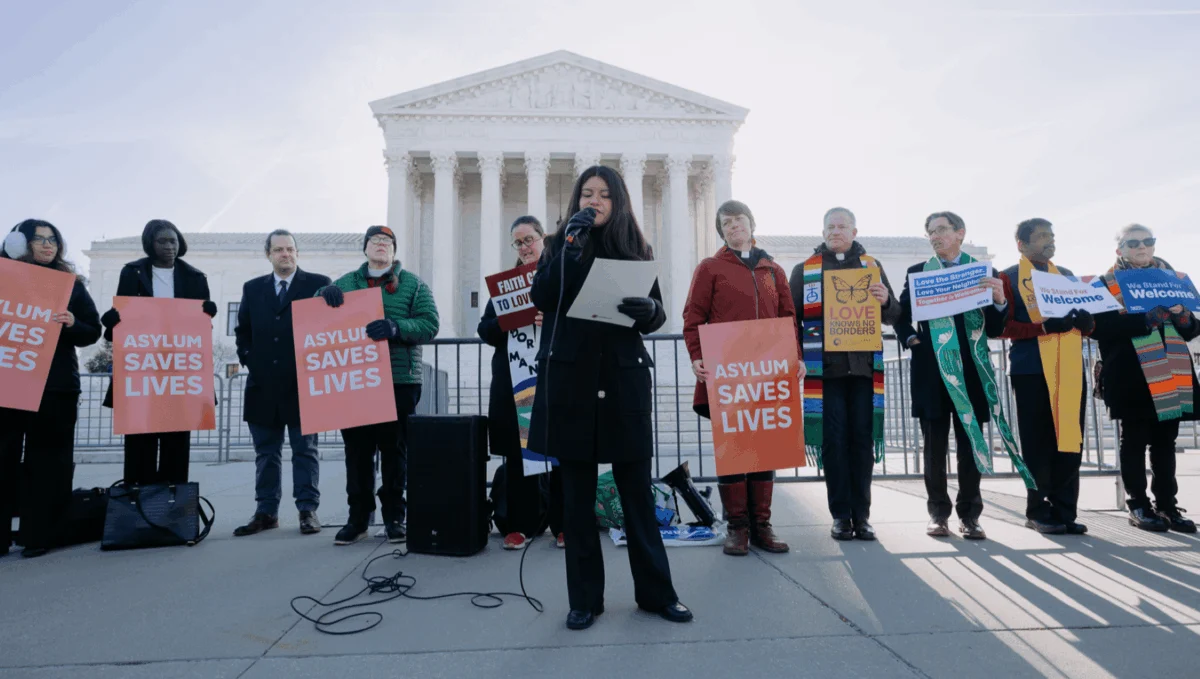
In anticipation of the Supreme Court’s oral arguments, a rally is scheduled to take place in front of the Supreme Court at 10 a.m. on April 1. HIAS, alongside the ACLU and other partner organizations that submitted amicus briefs, urges concerned citizens to attend and demonstrate their support for birthright citizenship. This collective action aims to underscore the broad public backing for maintaining this fundamental right. While the Supreme Court’s deliberation process may take several months before a decision is issued, advocacy and support for immigrant communities remain crucial. HIAS offers a range of resources for individuals and communities seeking to take action and protect immigrant neighbors during this critical period. These resources provide guidance on how to engage in advocacy, support immigrant families directly, and raise awareness about the importance of birthright citizenship. The organization emphasizes that in times of heightened vulnerability for refugees and immigrants, collective action and solidarity are essential to preserving the principles of inclusion and equality that have long defined the United States. The ongoing legal battle in Trump v. Barbara is not merely a legal dispute; it is a defining moment for the nation’s commitment to its founding ideals and its future as a diverse and welcoming society.