Fon remembers the visceral feeling of relentless movement, a physical exhaustion that was a constant companion, shadowed by the gnawing uncertainty of his future. This odyssey, marked by the crossing of thirteen countries on foot, including the perilous Darién Gap, culminated in his arrival in the United States. He navigated this arduous path while living with a disability, relying on a wheelchair and crutches, a testament to his extraordinary resilience. The trauma of his experiences, the profound grief for what he had lost, and the persistent fear of what lay ahead were burdens he carried daily. "The pain in my country was scarier than the Darién Gap," Fon recounted. "On my way to the U.S. I was conscious I could die on the journey. I didn’t come to the U.S. looking for a new life. I came looking for safety."
His arrival in the United States in 2023 initiated a protracted process of seeking asylum, a crucial step toward securing protection. The following year, he was granted asylum, a pivotal moment that offered him the legal status to remain in the U.S. without the threat of forced return to danger. However, as is common for many who have endured years of displacement and uncertainty, Fon soon discovered that legal status was merely the commencement of a complex journey.
"Rebuilding a life in the U.S. often means navigating systems that are confusing even for citizens and nearly impossible when you are recovering from trauma, living with a disability, and separated from your family," explained Beyenech Taye, Fon’s HIAS Clinical Case Manager. This sentiment underscores the multifaceted challenges faced by individuals seeking to integrate into a new society, particularly when grappling with the lingering effects of past adversity.
The Lingering Shadow of Separation
While Fon found a measure of safety, his wife and children remained in Cameroon. His wife, an activist dedicated to advocating for the rights of people with disabilities, had become a target for her work, forcing her into hiding. Fon’s case was not merely about his personal safety; it was inextricably linked to the well-being of his family. The legal team at HIAS immediately began working with Fon, initiating the process to petition for his wife and children to join him in the United States, a critical step toward familial reunification. The emotional toll of this separation was immense, a constant undercurrent to his efforts to establish himself in a new land.
Navigating Systemic Gaps and Emerging Crises
As Fon navigated the complexities of his new life, the challenges intensified. He was referred to HIAS’s social services team due to mounting financial and emotional stress. He had become disconnected from vital refugee resettlement services and was uncertain how to re-engage with them. Compounding these difficulties, his Supplemental Nutrition Assistance Program (SNAP) benefits were reduced, making it a struggle to afford rent. A significant administrative error on his immigration documents further complicated matters, preventing him from renewing his driver’s license or applying for health insurance – essential tools for stability and independence.
The most immediate and pressing crisis involved his wheelchair. A vital piece of equipment, it required a new battery, an expense of several hundred dollars that Fon could not afford. Without a functioning wheelchair, his ability to commute to work became severely hampered. Missing work directly translated into lost income, exacerbating his financial precariousness and jeopardizing his housing security. "This is the reality many asylees face: the moment protection is granted, the world expects you to be ‘fine.’ But the barriers don’t disappear; they multiply," Beyenech observed, highlighting the often-overlooked systemic hurdles.
HIAS, renowned for its comprehensive legal services for asylum seekers and those seeking protection, distinguishes itself by extending support far beyond legal representation. "For people like Fon, the greatest threats to safety often come from the gaps between systems: between immigration paperwork and healthcare access, between a work permit and stable housing, between surviving trauma and having the tools to keep going," Beyenech elaborated. This holistic approach recognizes that true safety encompasses not only legal protection but also the fundamental necessities of life and the emotional capacity to rebuild.
A Multifaceted Approach to Stability
Fon began working with HIAS’s social services team in July 2024, embarking on a collaborative effort to address the immediate crises threatening his stability and future. Beyenech played a pivotal role, connecting Fon with essential resources, including food assistance and other basic needs. She provided Lyft vouchers to facilitate transportation to appointments and connected him with the ENDependence Center of Northern Virginia, a crucial community resource and advocacy center for individuals with disabilities.
In close collaboration with HIAS’s legal team, Beyenech became a strong advocate for Fon, guiding him through the intricate process of resolving the errors on his immigration documents. Through persistent effort and dedicated support, Fon was eventually able to correct his paperwork, obtain a state-issued ID card, and secure health insurance. The HIAS Asylee Outreach Project Manager also played a vital role in helping Fon reconnect with refugee resettlement services, securing employment support and ensuring the renewal of his benefits. "These steps may sound small. But for people navigating the immigration system, small steps can be the difference between stability and collapse," Beyenech emphasized.
Escalating Fears and Emotional Support
The situation took a deeply distressing turn when Fon received news that his wife had been kidnapped in Cameroon. This development amplified the immense stress he was already under, as he strove to establish himself in the U.S., navigate a challenging system, and protect his children from afar. In this critical moment, HIAS provided an additional layer of support through a social work student, who offered crucial emotional support and equipped Fon with coping mechanisms for managing fear, anxiety, and distress. "Waiting for papers while taking care of my family back home was scary," he recalled, articulating the profound emotional weight of his circumstances.
Fon’s personal narrative serves as a powerful illustration of the experiences of countless refugees, asylum seekers, and asylees in the United States. Their journeys often extend far beyond initial arrival or the granting of legal protection. HIAS’s U.S. programs are designed to provide comprehensive support, guiding displaced individuals from periods of crisis toward enduring stability. This support encompasses a wide array of services, including immigration legal services, pro bono representation, case management, mental health support, and specialized programs that assist families in accessing housing, employment services, and essential benefits.
For Fon, this integrated approach meant he was not alone in confronting the most challenging chapters of his life. It signified having someone to assist in rectifying a bureaucratic error that threatened to unravel his progress. It meant having support to access critical appointments, obtain necessary healthcare, and crucially, to continue moving forward even as his family remained in peril.
A Joyous Reunion and the Path Forward
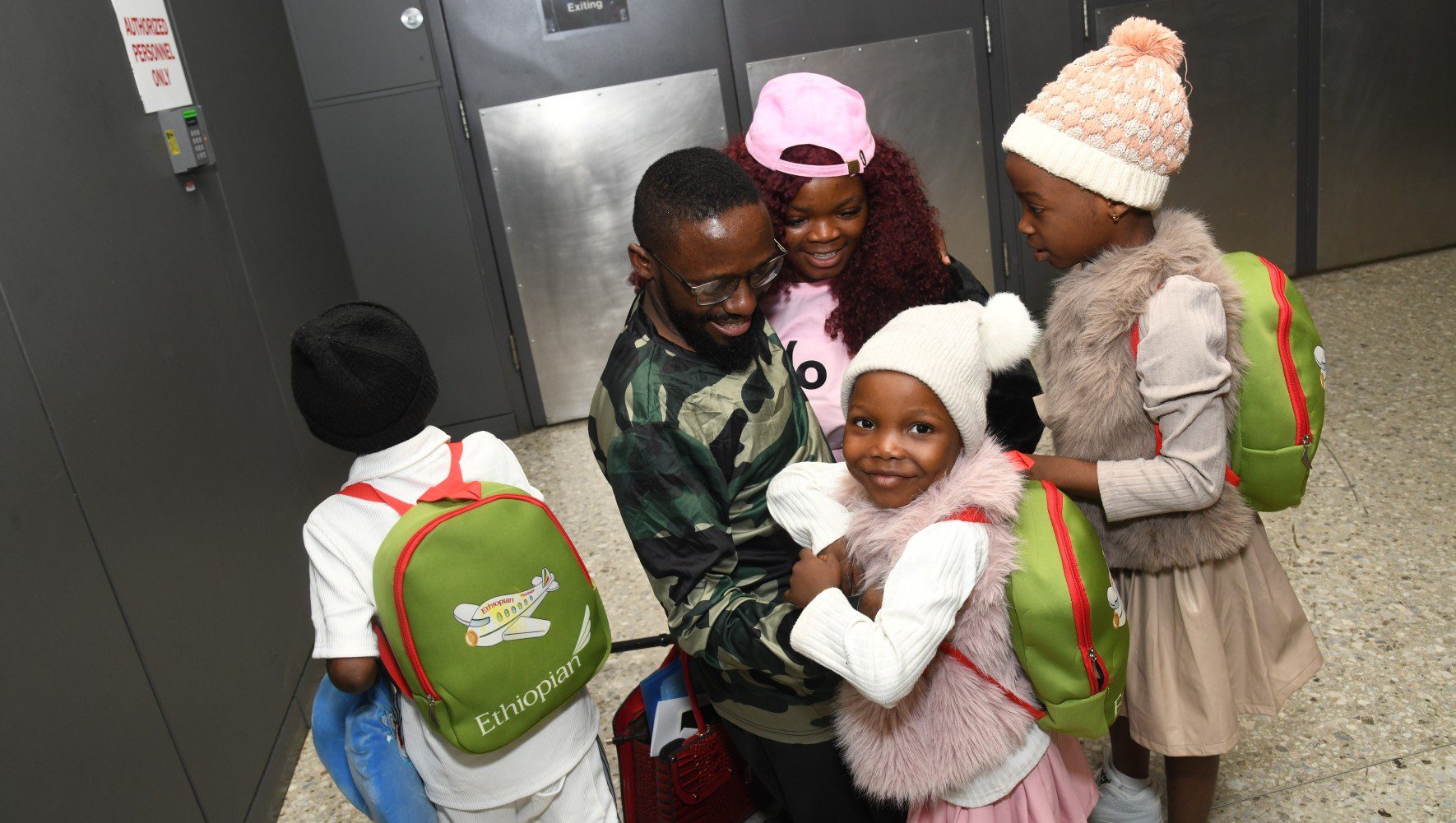
In early December 2025, after years of agonizing separation and profound uncertainty, Fon was finally reunited with his wife and children in the United States. The emotional impact of this reunion was palpable. "Getting [my family] here clears all my pain. Facing immigration challenges while having HIAS support me is a shoulder I won’t forget," Fon expressed, underscoring the profound significance of the assistance he received.
Today, HIAS continues to support Fon’s family as they embark on the journey of rebuilding their lives. This ongoing support includes navigating school enrollments for the children, identifying community resources, and ensuring access to the benefits that empower families to heal and achieve long-term stability. "There is a misconception that once someone reaches the U.S., they are safe. But safety is not just the absence of danger. It is housing. It is healthcare. It is legal protection. It is community. It is the ability to keep your family together," Beyenech concluded. It is the assurance that even when the ground shifts beneath one’s feet, there is a steadfast presence to offer support and guidance.
The journey of Fon and his family highlights the critical need for comprehensive, human-centered support systems for those fleeing persecution and seeking refuge. The complexities of immigration law, coupled with the profound trauma and ongoing challenges of displacement, require more than just legal advocacy. They demand a holistic approach that addresses the multifaceted needs of individuals and families striving to build a new life in a foreign land. Organizations like HIAS play an indispensable role in bridging these gaps, offering a beacon of hope and a tangible pathway toward safety, stability, and ultimately, reunification.