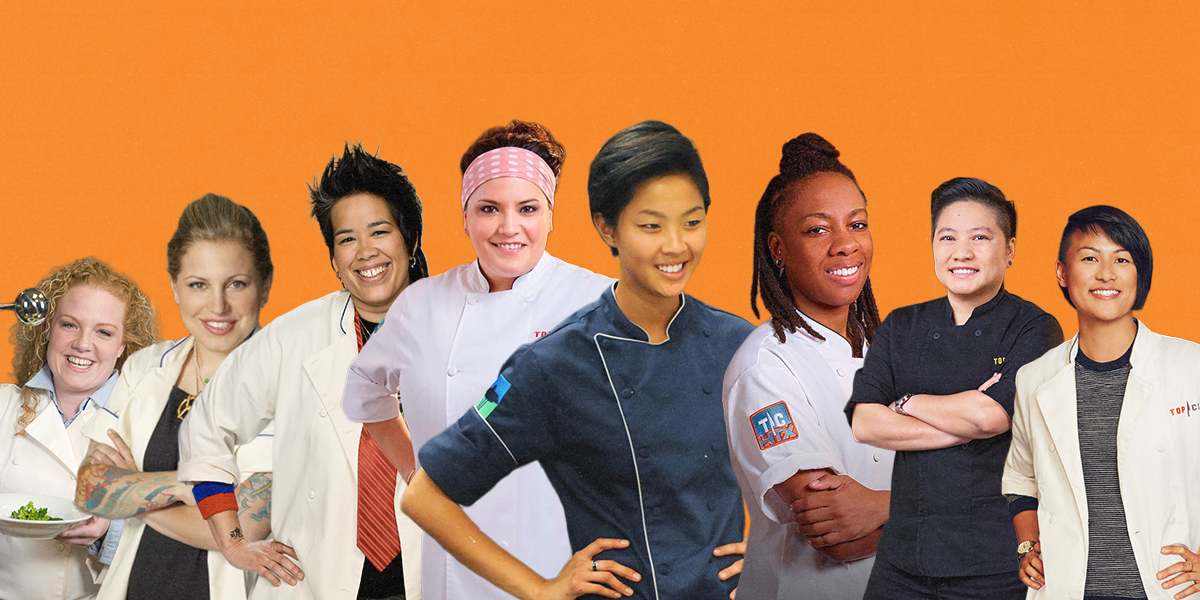
The release of the latest print edition of The Autostraddle Insider, featuring Top Chef: All Stars winner Melissa King on the cover, has sparked a renewed conversation regarding the intersection of queer identity and the culinary arts. For over two decades, the Bravo franchise Top Chef has served as a significant platform for LGBTQ+ professionals, particularly queer women, who have transitioned from "cheftestants" to industry leaders, advocates, and cultural icons. This phenomenon is not incidental; according to Ronald Mare, Senior Vice President of Casting for Magical Elves—the production company behind the series—the culinary world is inherently a sanctuary for diverse identities. Speaking on the show’s casting philosophy, Mare noted that the kitchen serves as a welcoming environment where diversity in race and sexual identity emerges naturally, making Top Chef one of the most consistently inclusive programs in the history of reality television.
The Evolution of the Queer Narrative in Culinary Media
The trajectory of queer representation on Top Chef has evolved from the stigmatized "villain" edits of the early 2000s to the celebratory and nuanced portraits of today. In the inaugural season, Tiffani Faison faced significant scrutiny for her competitive ambition, a trait often penalized in female contestants at the time. Despite being cast in a controversial light during the 2006 debut, Faison has since built a formidable culinary empire in Boston. Her career serves as a benchmark for post-show success, encompassing multiple James Beard nominations and a victory on Food Network’s Tournament of Champions. Faison’s journey reflects a broader industry shift: the transition from being defined by a television persona to being recognized for executive leadership and culinary excellence.
Central to this evolution was Padma Lakshmi, who served as host and executive producer from Season 2 through Season 20. Lakshmi’s tenure was marked by a deliberate effort to decentralize Eurocentric cooking and elevate regional cuisines. Her departure in 2023 paved the way for Kristen Kish, the Season 10 winner, to take the helm as host. This transition represented a historic moment in television—a queer woman of color passing the mantle to another queer woman of color, ensuring that the show’s commitment to diversity remained integrated into its leadership structure.
Leadership and Influence: From the Kitchen to the Executive Suite
The impact of Top Chef extends beyond the screen, as many alumni have utilized their visibility to influence the broader food industry. Melissa King’s victory in the All-Stars season was a turning point, showcasing a chef who successfully blended California techniques with her Chinese heritage. King’s post-show career—which includes cookbooks, a forthcoming memoir, and high-profile brand collaborations—illustrates the modern "chef-as-creator" model. In her interview with food writer Jaya Saxena, King reflected on her evolution from a "painfully shy" child to a confident industry figure, noting that the platform allowed her to redefine food culture on her own terms.
Other alumni have found their calling behind the camera, influencing how culinary stories are told. Sandee Birdsong (Season 3) and Jamie Lauren (Season 5) transitioned into culinary production. Birdsong, in particular, has become a vital fixture in the Top Chef production ecosystem, earning an Emmy nomination for her work in establishing safety protocols during the COVID-19 pandemic. Lauren has similarly built a prolific career in production, working on major franchises such as MasterChef and Chopped, ensuring that the next generation of chefs is portrayed with greater authenticity than the "trainwreck" edits she once criticized.
Entrepreneurial Resilience in a Volatile Industry
The culinary industry is notoriously volatile, a reality that has affected several Top Chef alumni. The post-pandemic era has seen the closure of several notable establishments helmed by queer chefs. Jennifer Biesty’s Oakland restaurant, Shakewell, closed in 2024 after a successful ten-year run, leading her to a prestigious role as the executive chef at Pixar Animation Studios. Similarly, Lisa Fernandes’s Brooklyn-based Sweet Chili and Preeti Mistry’s Juhu Beach Club faced closures due to shifting economic landscapes.
However, these setbacks have often led to innovative pivots. Mistry, a two-time James Beard nominee, has transitioned into farming and podcasting, winning a James Beard Media Award for her show Loading Dock Talks. This move highlights a growing trend among elite chefs who are seeking more sustainable ways to engage with food systems outside the traditional restaurant model. Silvia Barban and Karen Akunowicz represent the successful brick-and-mortar model; Akunowicz’s Boston restaurants, Fox & the Knife and Bar Volpe, recently received Bib Gourmand honors from the Michelin Guide, signifying her status as a leader in accessible fine dining.
Advocacy and Social Impact Through Food
For many queer Top Chef alumni, the platform has served as a springboard for social and political advocacy. Ashley Merriman (Season 6) famously used her time on the show to protest a challenge involving traditional marriage institutions at a time when same-sex marriage was not yet legal in the United States. Today, Merriman has shifted her focus to bespoke tailoring at Bindle & Keep, a company known for its commitment to inclusivity and providing suits for the newly exonerated.
In Fredericksburg, Virginia, Joy Crump (Season 12) transformed her culinary success into political action. After a decade of running her restaurant, FOODE, Crump ran for and won a seat on the Fredericksburg City Council in 2024, becoming the first Black woman to serve in that capacity. Her transition from chef to civic leader underscores the community-building potential of the hospitality industry.
The recent environmental crisis in North Carolina also highlighted the leadership of Ashleigh Shanti (Season 19). In the wake of Hurricane Helene, Shanti utilized her resources as a chef in Asheville to feed displaced community members. Despite the devastation, Shanti’s modern fish camp, Good Hot Fish, has garnered national acclaim, earning a spot on the New York Times’ best restaurants list and securing Shanti a James Beard Book Award for her work, Our South: Black Food Through My Lens.
The New Frontier: Global Perspectives and Future Talent
The most recent seasons of Top Chef have seen an influx of international talent and a focus on heritage that goes beyond the American experience. May Phattanant Thongthong, a finalist on Top Chef Thailand and a competitor on the World All-Stars season, used her platform to share the story of her relationship with her mother through a traditional rice pudding dish. Her success in Bangkok and Phuket with MAZE Dining and Aim Phuket demonstrates the global reach of the franchise’s queer alumni.
In the domestic circuit, Rasika Venkatesa (Season 21) represents the rising generation of chefs who are unapologetically centering their cultural identities. Her New York pop-up, Mythily, focuses on progressive Tamil cuisine, a project that earned her a spot on Time Out’s Best Young Chefs list. Venkatesa is currently working toward opening a permanent location in Williamsburg, scheduled for 2026.
Conclusion and Industry Implications
The 20-year history of Top Chef reveals a consistent pattern: the program acts as a microcosm of the larger struggle for LGBTQ+ visibility and professional equity. While the show began as a standard competition, it has transformed into a cultural institution that validates queer identities in a professional setting. The data suggests that alumni who identify as queer women have a high rate of staying in the industry, whether through restaurant ownership, media production, or private consulting.
The broader impact of this representation cannot be overstated. By featuring chefs like Melissa King, Kristen Kish, and Ashleigh Shanti, the culinary world is forced to grapple with its own history of exclusion. As Top Chef continues into its third decade, the legacy of its "chefbians" remains a testament to the resilience of queer professionals in one of the world’s most demanding fields. The shift from the kitchen to the boardroom, the city council, and the production studio indicates that for these chefs, the competition was merely the first course in a much larger career.