The Global Catalyst: A World in Flux
The onset of the COVID-19 pandemic in early 2020 served as a global catalyst, forcing an abrupt and widespread re-evaluation of societal norms, economic structures, and daily life. Lockdowns, health crises, and economic uncertainty became universal experiences, albeit with vastly different impacts depending on geographical location and socio-economic status. This era of forced introspection and rapid adaptation created fertile ground for both collective solidarity and intensified division, permeating every aspect of society, including the workplace. The initial shock gave way to a prolonged period of ambiguity, where established practices were questioned, and new ways of working became the norm, often without clear guidance or precedent. This environment of sustained pressure and change laid the groundwork for the escalating polarisation and activism observed today.
Deepening Societal Divides: The Pandemic’s Early Impact
As societies globally began to re-emerge from the initial waves of lockdowns, a palpable range of emotions surfaced: grief, loss, fear, a profound sense of lacking control, and widespread anger. These sentiments, a direct consequence of the pandemic’s toll on lives and livelihoods, inevitably spilled over into the broader societal fabric. Research conducted across 17 countries by Pew Research in 2021 provided stark evidence of this growing fragmentation, revealing that 60% of individuals felt their society was more divided than before the pandemic. This represented a significant 30% increase from pre-pandemic rates, indicating a rapid and substantial deterioration in social cohesion. The collective trauma and stress of the pandemic exacerbated existing fault lines, creating an environment ripe for conflict and disagreement on various fronts.
Workplace Battlegrounds: Vaccine Mandates and Customer Rage
The workplace, often a microcosm of society, quickly became a focal point for these escalating divisions. New policies, such as "no jab, no job" mandates requiring vaccination for employees to return to offices or interact with colleagues and customers, ignited intense debate. For some, these measures represented a necessary step for public and personal health, a collective responsibility in a time of crisis. For others, they were perceived as an overreach, an infringement on individual liberties and bodily autonomy. This clash of deeply held beliefs generated significant friction, leading to heightened tensions within teams and organisations.
The frustration and fatigue engendered by the pandemic were not confined to internal disputes. Globally, the period witnessed an explosion of public dissent, with reports indicating over 50,000 protests related to pandemic restrictions and policies. This "COVID rage" also manifested in alarming increases in customer abuse directed towards workers, particularly in the frontline hospitality and service sectors. Accounts from Harvard Business Review highlighted a surge in hostile customer interactions, with a report by One Fair Wage indicating that up to 80% of workers in these sectors had either witnessed or directly experienced such abuse. This trend underscored the extreme stress levels prevalent in society, with service workers often bearing the brunt of public anger and frustration, further complicating an already challenging work environment.
Adding another layer of complexity, the pandemic starkly illuminated and exacerbated existing global inequalities. The differential access to COVID-19 vaccines between affluent and developing nations created a significant chasm, directly impacting the potential for economic recovery and stability. This widening gap between the "haves" and the "have-nots" — not just in healthcare but across economic and social dimensions — intensified feelings of injustice and resentment, contributing to a broader sense of societal instability and distrust.
A Crisis of Trust: Institutions Under Scrutiny
Beyond the immediate polarisation driven by pandemic-specific issues, a more profound and long-standing erosion of trust in public officials and civic institutions had been building for years, only to be accelerated by the events of the past two years. A significant global study from August 2021, featured by the World Economic Forum, revealed a startling depth of distrust among younger generations. Millennials and Generation Z, in particular, expressed higher "faith in governance by a system of artificial intelligence than by a fellow human being." This striking preference highlighted a deep disillusionment with traditional leadership structures, fueled by ongoing concerns about corruption, perceived stale political leadership, and the constant threat to physical safety experienced by activists and people of colour due to surveillance and militarized policing. This systemic lack of confidence in established authorities created a vacuum, prompting individuals to seek change through alternative channels and to place greater expectations on private entities, including their employers.
The Spark of Activism: Racial Justice and Beyond
Against this backdrop of eroding trust and heightened societal tension, the tragic murder of George Floyd in May 2020 served as a pivotal moment, igniting a global surge in Black Lives Matter and anti-racism activism. Protests and demonstrations spread to over 60 countries, bringing issues of systemic inequality and discrimination into sharp focus, not only in public discourse but also within corporate environments. This wave of activism extended beyond racial justice, encompassing a broader range of social issues from climate change to gender equality, all amplified by the pandemic’s disruption and the increased visibility of disparities. Employees, witnessing these events unfold and experiencing their impacts personally, began to demand that their workplaces, traditionally seen as apolitical, acknowledge and actively address these critical societal challenges.
Employee Empowerment: A New Era of Demands
The confluence of these factors has fundamentally shifted employee expectations regarding their employers’ roles in society. Global research, such as the Edelman Trust Barometer, indicated that as high as 76% of employees now expect and actively demand that their workplace leaders take a public stand on key social issues. This is a significant departure from previous norms, where corporate silence on such matters was often preferred. More than just expecting statements, employees are increasingly energised and empowered to take action themselves if they perceive a lack of genuine commitment or progress from their organisations.
The August 2021 Edelman survey further underscored this shift, revealing that 60% of employees felt empowered to be change-makers within their workplaces. Crucially, 75% globally stated they would take action to advance urgently needed changes within their organisation, with a remarkable 40% indicating a willingness to go public through whistleblowing, protesting, or social media posts. This demonstrates a significant increase in employee agency and a reduced tolerance for corporate inaction or performative gestures. The digital age, with its interconnected platforms, has provided employees with unprecedented tools to voice concerns and mobilise support, making it harder for organisations to ignore internal dissent.
Adding to this surge in employee empowerment, the United States, in particular, has witnessed a resurgence of interest in labour unions. Employees are increasingly turning to unionisation efforts as a means to safeguard human rights at work, improve working conditions, and gain a collective voice in redesigning organisational cultures. This growing momentum culminated in a notable increase in strike activity, with more than 25,000 workers on strike during October 2021, a significant jump compared to an average of 10,000 during the preceding three months, as reported by The New York Times. This revival of collective action signals a profound rebalancing of power dynamics between employers and employees.
The "Belief-Driven Employee" and the Great Resignation
The landscape of work has irreversibly changed. The "belief-driven employee" is no longer a niche concept but a dominant force shaping talent markets. Organisations that fail to acknowledge and respond to this shift face significant risks, including declining trust, diminished leader credibility, and disengagement. Perhaps one of the most tangible consequences of this disconnect is the phenomenon widely dubbed "The Great Resignation." Edelman’s research directly linked this trend to a perceived lack of corporate responsibility, with 33% of employees reporting they quit their jobs because their employer "didn’t speak out about a societal or political issue the employee felt it had an obligation to address."
This data provides a compelling economic incentive for corporate leaders to engage authentically with social issues. The era of the "silent executive" on Diversity, Equity, and Inclusion (DEI) issues is decisively over. Employees are no longer satisfied with mere platitudes or well-intentioned public statements; they demand demonstrable change and genuine action. The new standard for leadership requires individuals to be inclusive, proactive, and visibly committed to being an "ally by action," rather than simply by posting on social media. This shift places a heavy onus on leaders to embody their organisation’s stated values and to translate those values into tangible policies and practices.
Implications for Diversity, Equity, and Inclusion (DEI)
The intensified polarisation and activism of the pandemic era have profound implications for Diversity, Equity, and Inclusion (DEI) initiatives. DEI is no longer solely an HR function or a compliance exercise; it has become a strategic imperative, directly linked to talent attraction, retention, reputation, and overall business sustainability.
- Elevated Expectations: Employees expect DEI efforts to move beyond symbolic gestures to address systemic inequalities within and outside the organisation. This includes taking a stand on social justice issues, ensuring equitable treatment in vaccine policies, and actively combating discrimination.
- Authenticity is Key: In a climate of widespread distrust, authenticity is paramount. Organisations must align their stated values with their actions. Any perceived hypocrisy or "woke-washing" can severely damage credibility and lead to employee backlash, talent loss, and reputational harm.
- Inclusive Leadership Mandate: Leaders must evolve from managers to inclusive leaders who are equipped to navigate complex, emotionally charged conversations. This requires empathy, cultural competence, and the courage to make difficult decisions that reflect a commitment to equity.
- Intersectionality: The pandemic highlighted how different forms of inequality (e.g., race, socio-economic status, disability, immigration status) intersect and exacerbate vulnerabilities. DEI strategies must adopt an intersectional lens to address the multi-faceted challenges faced by diverse employee groups.
- Well-being and Mental Health: The emotional toll of polarisation and activism, combined with pandemic stress, has significantly impacted employee mental health. DEI initiatives must integrate robust well-being support systems, acknowledging the unique burdens faced by marginalised groups.
Navigating the Path Forward: Strategic Imperatives
For organisations to thrive in this new landscape, a proactive and strategic approach is essential. The following imperatives outline a path forward for leaders grappling with these complex issues:
- Listen Actively and Empathise: Leaders must cultivate a culture of deep listening, actively seeking to understand the diverse perspectives and concerns of their employees. This requires creating safe spaces for dialogue, acknowledging employee emotions, and validating their experiences without necessarily agreeing with every viewpoint.
- Define and Live by Values: Organisations must clearly articulate their core values and, more importantly, consistently demonstrate them through policies, actions, and leadership behaviour. Where values are tested by societal events, leaders must be prepared to speak out and act in alignment with those values.
- Foster Psychological Safety: In a polarised environment, psychological safety is crucial. Employees must feel safe to express dissenting opinions, raise concerns about social issues, and engage in constructive debate without fear of retribution. This is foundational for addressing polarisation internally.
- Invest in Inclusive Leadership Development: Equipping leaders at all levels with the skills to facilitate difficult conversations, manage conflict constructively, and champion DEI initiatives is paramount. This includes training in unconscious bias, cultural intelligence, and ethical decision-making.
- Transparent Communication and Accountability: Leaders must communicate transparently about the organisation’s stance on social issues, its DEI goals, and its progress. This includes acknowledging shortcomings and demonstrating a commitment to continuous improvement. Accountability mechanisms must be in place to ensure promises are kept.
- Support Employee Activism Responsibly: While setting clear boundaries, organisations should explore ways to constructively channel employee desire for change. This could involve supporting employee resource groups (ERGs), establishing internal advocacy channels, or partnering with employees on community initiatives.
- Address Systemic Inequalities: Beyond reactive statements, organisations must proactively identify and dismantle systemic barriers to equity within their own structures, from hiring and promotion practices to compensation and leadership representation.
The Role of Inclusion Nudges and Practical Tools
In this complex environment, practical tools and behavioural interventions can play a significant role in fostering inclusion and mitigating the negative effects of polarisation. Concepts such as "Inclusion Nudges," as outlined in The Inclusion Nudges Guidebook and Inclusion Nudges for Motivating Allies, offer actionable strategies:
- Show Data to Easily See Problems & Do Actions: By presenting data on inequalities or polarisation in an accessible and compelling way, organisations can make the problem undeniable and motivate action.
- Alternative to Diversity Excuses: Addressing common rationalisations for inaction on DEI by reframing the conversation and highlighting the benefits of diversity.
- Images Framing Immigrants as One of Us / Re-frame ‘Migrant’ to ‘Human’: Countering xenophobia and division by using visual and linguistic nudges that promote empathy and shared humanity.
- Anti-Xenophobia Campaign Realising What We Lose: Designing campaigns that highlight the economic, cultural, and social losses incurred through exclusion, motivating people to embrace diversity.
- Counter Stereotypes Using Images & Social Media: Actively using media to challenge harmful stereotypes and promote positive, diverse representations.
These tools provide concrete ways for leaders and DEI practitioners to move beyond rhetoric and implement behavioural science-informed interventions that genuinely foster a more inclusive and equitable workplace culture.
Expert Perspectives and Future Outlook
The insights shared in this analysis stem from ongoing research and discussions with experts in the field. Notably, Lisa Kepinski’s HR Master Class for Legal Island in September 2021, which explored these pandemic-era trends and their implications for DEI, provided a critical platform for such reflections. The collaboration with professionals like Barry Phillips underscores the growing recognition among legal and HR communities of the urgent need to address these shifts proactively.
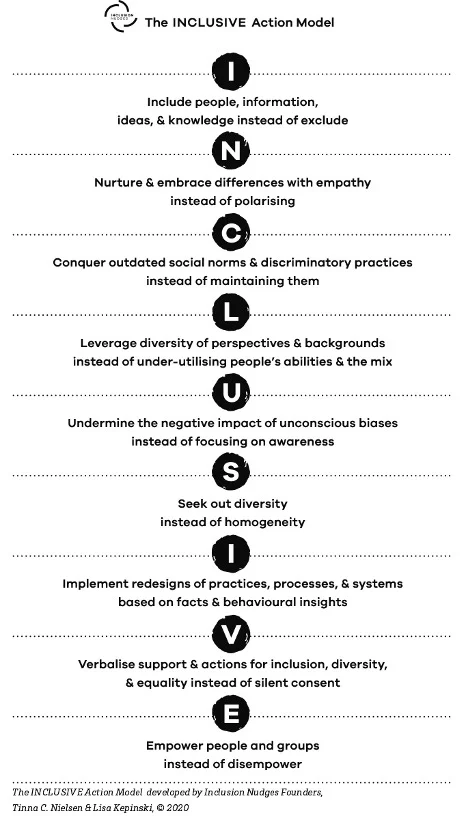
The pandemic-era has undeniably accelerated a paradigm shift in the world of work. Polarisation and activism are not transient phenomena but enduring features of the modern workplace. The future demands a new kind of leadership: one that is courageous, empathetic, and committed to authentic action on diversity, equity, and inclusion. Organisations that embrace this challenge, moving beyond mere compliance to strategic, values-driven leadership, will be better positioned to attract and retain talent, foster innovation, and build resilient, equitable cultures capable of navigating future uncertainties. The time for silent executives and superficial gestures has passed; the call for inclusive action is now louder and more urgent than ever before.