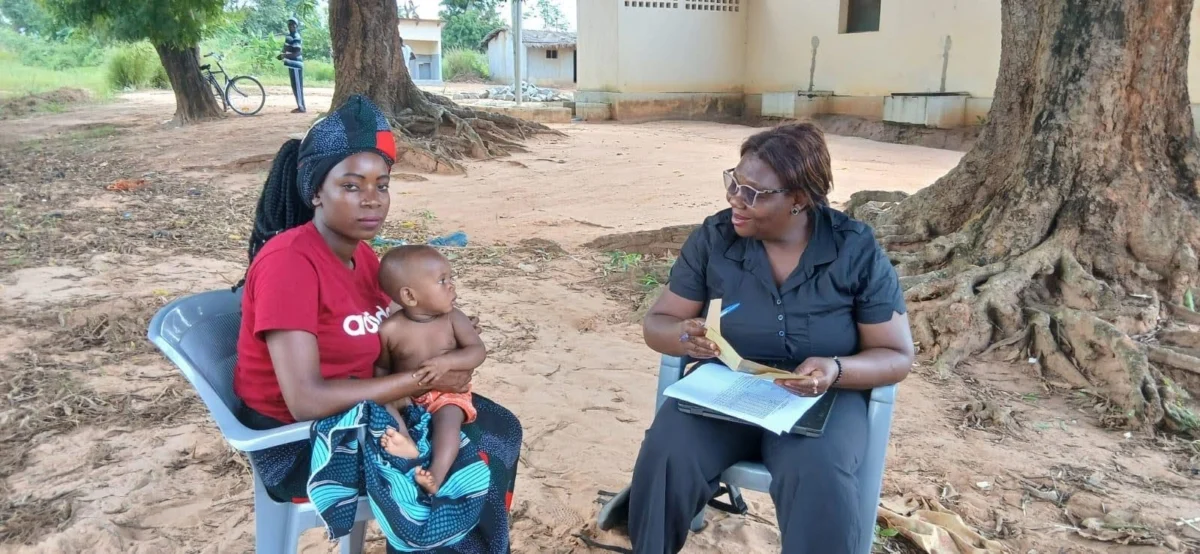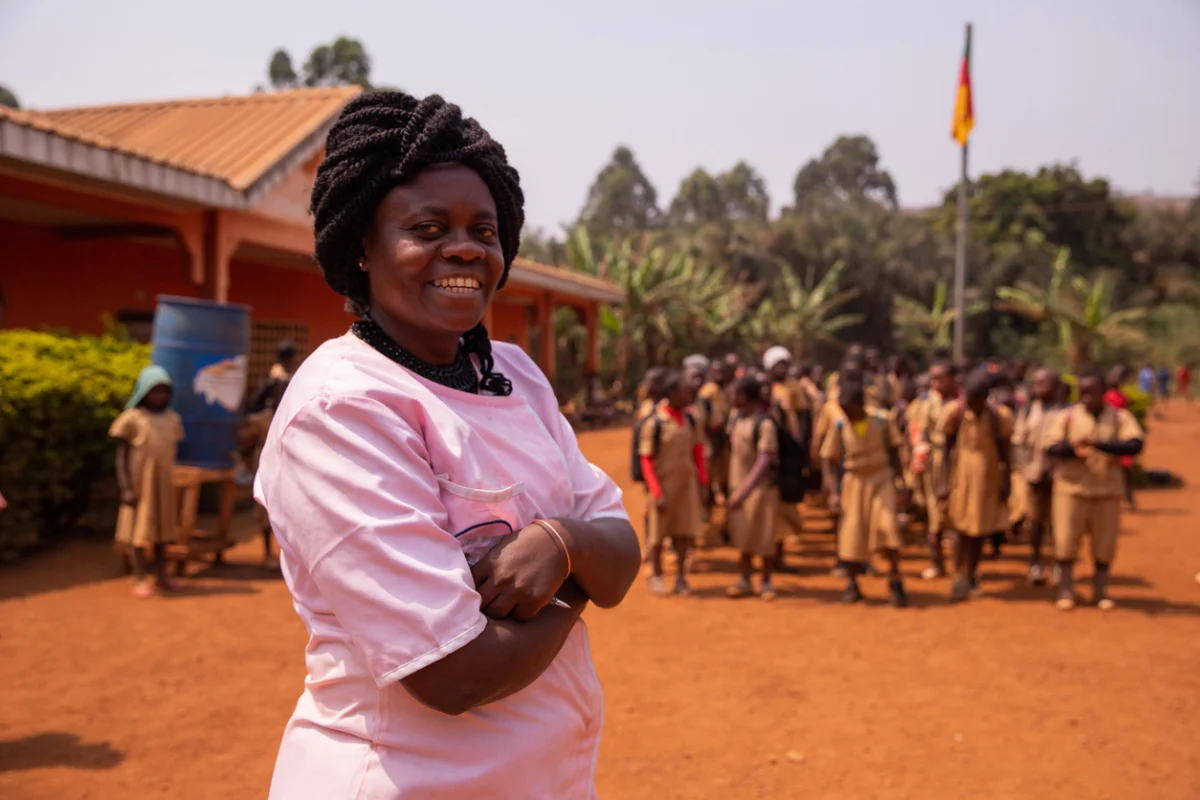
The Government of Mozambique’s National Youth Institute (Instituto Nacional da Juventude – INJ) has officially designated World Education, an initiative of JSI (John Snow, Inc.), as the lead partner for the Eu Sou Capaz Technical Assistance and Training Activity. This strategic partnership, supported by the World Bank, represents a critical component of the broader Empowering Adolescent Girls to Earn and Read (EAGER) vision. The EAGER initiative is a multi-country strategic framework designed to address the complex educational and economic challenges facing adolescent girls and young women across Mozambique, Zimbabwe, and Madagascar. By awarding this contract to World Education, the Mozambican government aims to institutionalize and scale evidence-based interventions that target the socio-economic and behavioral drivers of school dropout rates among the nation’s female youth.
The Eu Sou Capaz (I Am Capable) program is a flagship government-led initiative that seeks to create an enabling environment for girls to remain in school, succeed academically, and transition into productive economic roles. The technical assistance provided by World Education will specifically focus on two primary objectives: strengthening the capacity of the National Youth Institute to implement large-scale social and behavior change communication (SBCC) and refining the delivery of life-skills training and material support to vulnerable students. This move signals a shift toward a more systemic approach to gender equity in education, moving beyond temporary aid toward the creation of sustainable, government-led support structures.
A Strategic Response to the Adolescent Girls’ Crisis in Mozambique
Mozambique faces significant hurdles in ensuring gender parity in education. Despite improvements in primary school enrollment over the last decade, the transition to and retention in secondary school remains a critical bottleneck. Statistics from the Ministry of Education and Human Development (MINEDH) and various international observers indicate that nearly half of all girls in Mozambique are married before the age of 18, and a significant percentage of adolescent girls drop out of school due to early pregnancy, economic hardship, or the burden of domestic labor.
The Eu Sou Capaz initiative was born out of the necessity to address these "invisible barriers." While traditional educational programs often focus on infrastructure—such as building classrooms or providing textbooks—Eu Sou Capaz recognizes that social norms and behavioral factors are often the primary reasons girls leave the classroom. These factors include deeply entrenched cultural views on the role of women, the prevalence of gender-based violence (GBV), and a lack of reproductive health knowledge.
By integrating social and behavior change with human-centered design, World Education is tasked with helping the National Youth Institute redesign systems around the lived realities of Mozambican girls. This methodology ensures that the solutions developed are not only technically sound but also culturally resonant and accessible to the communities they are intended to serve.
Chronology of Engagement and Regional Vision
The awarding of this technical assistance activity is the culmination of years of regional collaboration and the successful implementation of the EAGER project’s preliminary phases. The World Bank’s involvement in the region intensified in late 2023 with a significant financial commitment to strengthen the economic empowerment of millions of girls across East and Southern Africa.
World Education’s role in this ecosystem is built upon a 15-year history of regional impact. In Mozambique and neighboring Zimbabwe, the organization has consistently worked to bridge the gap between community-level needs and national policy. The timeline for the current Eu Sou Capaz activity follows a series of successful pilot programs:
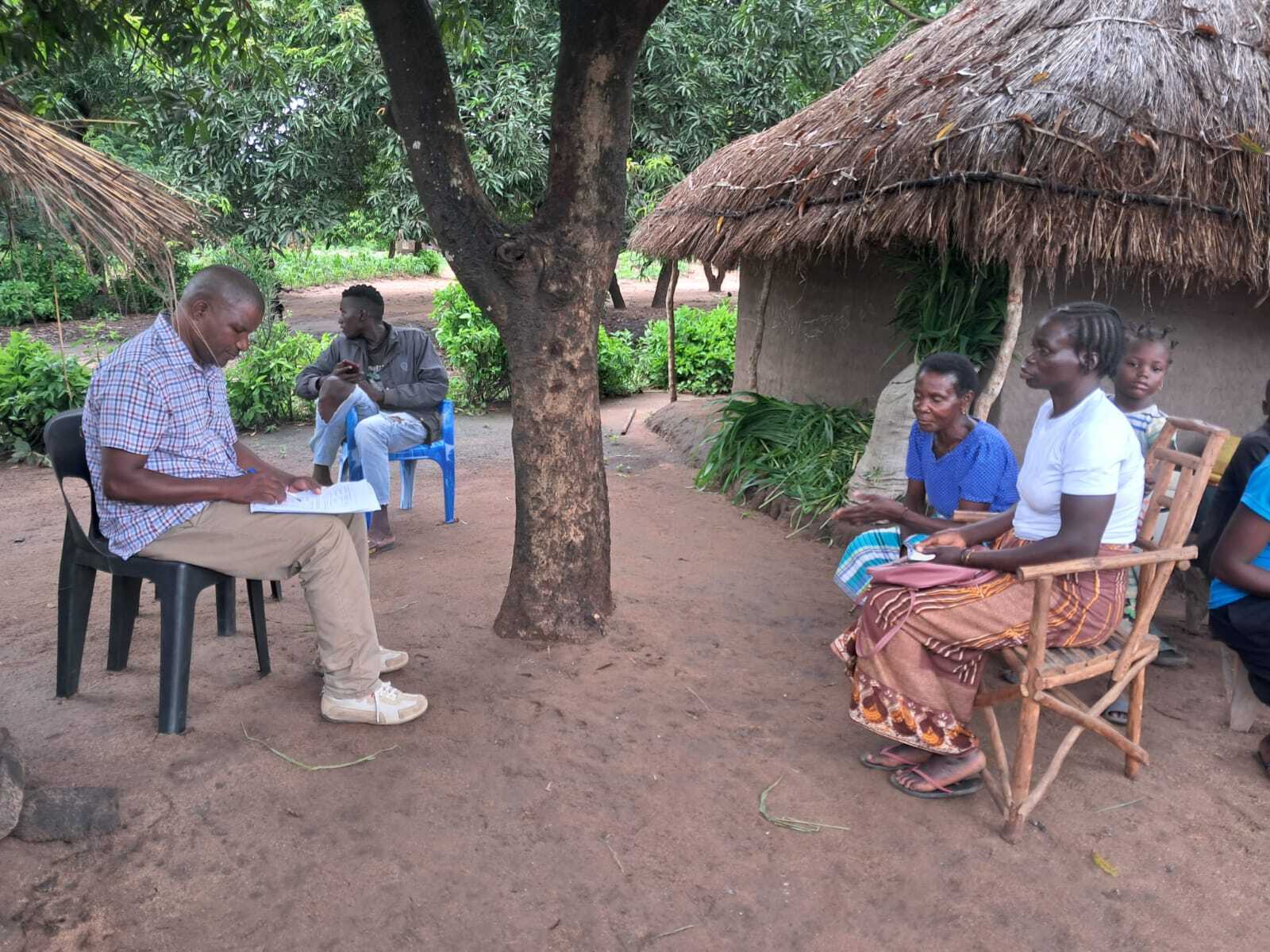
- Initial Assessment and Pilot (2022-2023): World Education conducted extensive field research and pilot programs to test the "Community Leader Mapping Tool." This phase involved interviewing community leaders in provinces like Sofala to identify the specific localized drivers of school dropout.
- Regional Integration (2023): Under the EAGER strategic vision, the World Bank and regional governments aligned their objectives to ensure that lessons learned in Mozambique could be adapted for Zimbabwe and Madagascar, creating a unified front against female educational exclusion.
- Technical Assistance Award (January 2026): The National Youth Institute officially awarded the technical assistance and training contract to World Education, marking the beginning of the scale-up phase.
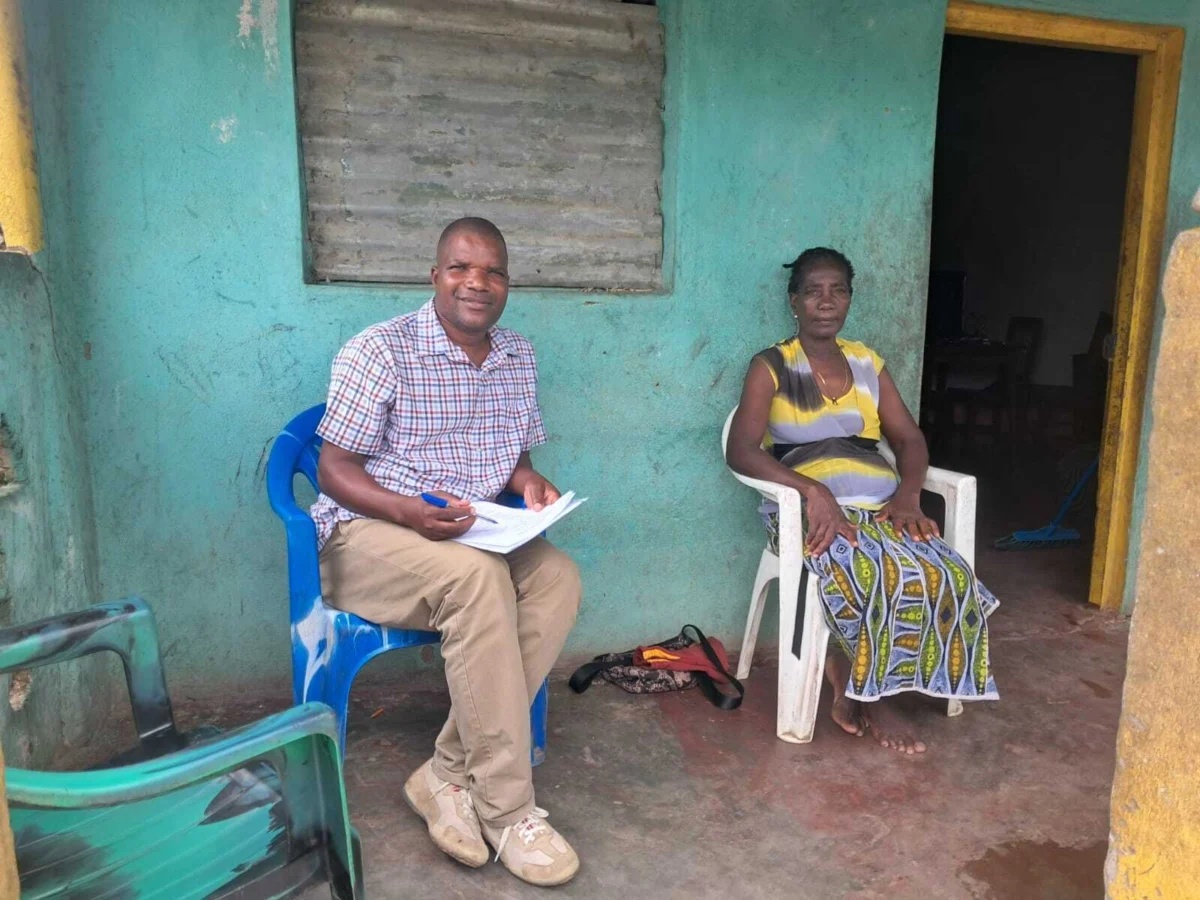
In Sofala province, the pilot programs demonstrated the efficacy of engaging local traditional and religious leaders. Alberto Domingos, a representative of World Education, has been instrumental in conducting one-on-one interviews and community mapping exercises. These activities are designed to identify "influencers" within the community who can champion the cause of girls’ education and help dismantle harmful social norms.
Data-Driven Expertise and Historical Impact
The selection of World Education as the technical lead is supported by its extensive track record in the region. The organization’s data-driven approach allows for the implementation of programs that are both nationally scalable and locally responsive. To date, World Education’s regional efforts have yielded significant results:
- Behavioral Change Outreach: Reaching hundreds of thousands of community members with messages focused on the value of girls’ education and the dangers of early marriage.
- Material Support Distribution: Facilitating the delivery of school kits, uniforms, and bicycles to tens of thousands of girls, directly reducing the economic burden on families.
- Life-Skills Integration: Implementing curriculum-based life-skills training that covers topics such as financial literacy, reproductive health, and self-advocacy.
In Mozambique specifically, the "Eu Sou Capaz" model leverages these past successes to ensure that enrollment leads to genuine achievement. The program’s material support—such as the distribution of bicycles—is more than a logistical aid; it is a safety measure. For many girls in rural Mozambique, the long and often dangerous walk to school is a primary deterrent. Providing a bicycle reduces travel time and decreases the risk of harassment or violence on the way to school.
Official Responses and Perspectives on Implementation
Leadership from both JSI and the Mozambican government have emphasized that the success of Eu Sou Capaz depends on its ability to transform the social landscape. Obert Darara, JSI’s World Education Country Lead in Mozambique, highlighted the transformative nature of the project.
"Eu Sou Capaz is about more than access—it is about removing the invisible barriers that stop girls from thriving," Darara stated. "By integrating social and behavior change with human-centered design, we are supporting the National Youth Institute to redesign systems around girls’ realities, ensuring enrollment leads to achievement."
The National Youth Institute has echoed this sentiment, noting that the partnership with World Education provides the technical rigor necessary to turn policy into practice. By training government staff and local facilitators, World Education is ensuring that the capacity to run these programs remains within the Mozambican government, fostering long-term sustainability.
From a World Bank perspective, the investment in Eu Sou Capaz is a strategic move to boost Mozambique’s Human Capital Index. Educated women are more likely to participate in the formal labor market, have fewer and healthier children, and reinvest their income back into their families and communities. The economic ripple effects of keeping girls in school are profound, potentially contributing to a significant increase in the national GDP over the coming decades.
Addressing Root Causes: Child Marriage and GBV
The technical assistance activity will place a heavy emphasis on addressing the root causes of school dropout, specifically harmful socio-cultural norms and gender-based violence. Mozambique has one of the highest rates of child marriage in the world, a practice often driven by poverty and the perception that marriage provides security for young women.
World Education’s strategy involves a multi-pronged approach:
- Community Mobilization: Facilitating dialogues between parents, elders, and youth to discuss the long-term benefits of delaying marriage.
- Transformative Life-Skills Education: Providing girls with the tools to negotiate their own futures and understand their legal rights under Mozambican law, which recently increased the legal age of marriage to 18 with no exceptions.
- Safe School Environments: Working with school administrations to implement reporting mechanisms for GBV and ensuring that schools are safe spaces for female students.
The pilot of the Community Leader Mapping Tool in Sofala province serves as a blueprint for this work. By identifying which leaders hold sway over community opinions, the program can tailor its advocacy efforts to be more effective.
Future Implications and Scalability
As World Education begins its technical assistance and training activity, the focus will be on ensuring that the Eu Sou Capaz model can be replicated across all provinces of Mozambique. The data collected during the initial mapping and pilot phases will be used to refine the training modules for government officials, ensuring they are equipped to handle the logistical and social complexities of the program.
The success of this initiative in Mozambique will likely serve as a case study for the other EAGER-participating nations, Zimbabwe and Madagascar. The regional nature of the EAGER project allows for a "knowledge exchange" where best practices in life-skills training or material distribution can be shared across borders.
In the long term, the Eu Sou Capaz Technical Assistance and Training Activity aims to foster an environment where every Mozambican girl can say with confidence that she is "capable." By dismantling the barriers of the past and building a more inclusive educational system, the Government of Mozambique and World Education are laying the groundwork for a more prosperous and equitable future.
Conclusion and Partnership Opportunities
The collaboration between the National Youth Institute and World Education underscores the importance of enduring partnerships in the development sector. World Education continues to invite collaboration from across regions and sectors to further advance education outcomes. Their services—ranging from education systems strengthening and program design to applied research and policy development—remain available to partners seeking to drive systemic change.
As the program moves forward, the focus will remain on the individual stories of the girls in Sofala and beyond. For them, the "Eu Sou Capaz" initiative is not just a policy framework; it is a lifeline that provides the tools, the support, and the social permission to pursue their education and achieve their full potential. Through the combined efforts of the World Bank, the Mozambican government, and World Education, the vision of an empowered, educated generation of young women is moving closer to reality.