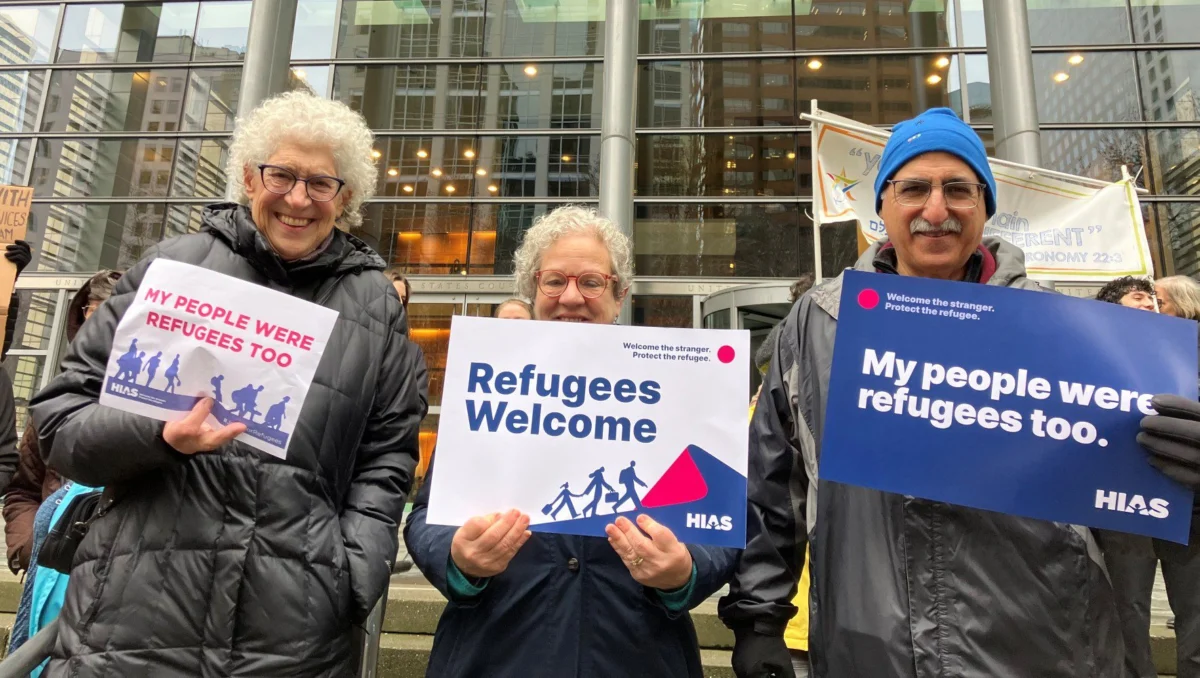
This week, the Supreme Court of the United States will convene to hear oral arguments in Trump v. Barbara, a pivotal legal challenge aimed at overturning President Donald J. Trump’s executive order seeking to dismantle the long-standing principle of birthright citizenship in the United States. The case represents a significant legal battleground for the Trump administration’s immigration policies and carries profound implications for the nation’s identity as a welcoming society. HIAS, a leading refugee and resettlement organization, has joined forces with 57 other faith-based organizations, representing a diverse spectrum of religious traditions including Catholic, Protestant, Muslim, Hindu, and Jewish communities, in submitting an amicus brief. This collective statement emphasizes the deeply rooted moral and ethical considerations intertwined with the concept of birthright citizenship and underscores its vital importance to various faith communities and immigrant populations.
Understanding Birthright Citizenship: A Cornerstone of American Identity
Birthright citizenship, often referred to by its Latin maxim jus soli—meaning "right of the soil"—is the legal principle that grants citizenship to any individual born within the sovereign territory of a nation. This stands in contrast to jus sanguinis, or "right of blood," where citizenship is primarily determined by the nationality of one’s parents. Globally, just over three dozen countries currently recognize birthright citizenship. Its widespread adoption in these nations serves to provide a clear and unambiguous legal status for children born within their borders, effectively preventing the emergence of statelessness, a condition that can render individuals without legal protection or access to fundamental rights. Furthermore, birthright citizenship is widely seen as a crucial facilitator of social cohesion and integration, encouraging newcomers to establish permanent roots and contribute to the fabric of society.
The Constitutional Foundation of Birthright Citizenship in the U.S.
In the United States, birthright citizenship is not merely a policy but a constitutionally enshrined right, explicitly guaranteed by the Fourteenth Amendment. This amendment, ratified in the aftermath of the Civil War, was initially conceived as a critical safeguard to ensure that formerly enslaved people and their descendants would be recognized as full citizens. Since its inception, this principle has been consistently upheld and applied, meaning that any child born on American soil has automatically been granted citizenship, irrespective of their parents’ immigration status. This enduring legal framework has been instrumental in shaping the American experience, providing a stable foundation for generations of immigrants, from the Irish and German influx of the 19th century to subsequent waves from Russia, Japan, Vietnam, and Afghanistan. Each successive generation born in the U.S. has seamlessly integrated into the national identity, enriching the nation’s diverse cultural tapestry and contributing to its economic and social development. The consistent application of jus soli has cemented America’s reputation as a land of opportunity and a permanent home for families from across the globe.
The Genesis and Significance of Trump v. Barbara
The legal challenge in Trump v. Barbara was initiated in direct response to a controversial executive order issued by the Trump administration on its first day in office. This order represented a direct and, according to its critics, unconstitutional attempt to revoke birthright citizenship through executive action. The case quickly emerged as one of the most significant legal confrontations with the Trump administration’s broader immigration agenda.
The Supreme Court’s decision to hear oral arguments on April 1, 2026, signals the profound gravity of the matter. The outcome of this case is poised to have far-reaching consequences, with the Court’s ruling potentially either affirming the constitutional sanctity of birthright citizenship or fundamentally altering America’s historical role as a nation that has long welcomed immigrants. A decision that supports the executive order could have immediate and disruptive effects on non-citizen families residing within the United States, creating uncertainty and potentially fracturing communities built over decades.
The Peril of Statelessness: A Global Perspective
The legal framework for citizenship varies significantly across the globe. Each nation establishes its own unique rules governing how individuals acquire and can lose citizenship. While some countries adhere to the jus soli principle, others prioritize jus sanguinis. This divergence in legal approaches can inadvertently create gaps, leaving individuals in a precarious state of statelessness if they do not meet the citizenship requirements of any country.
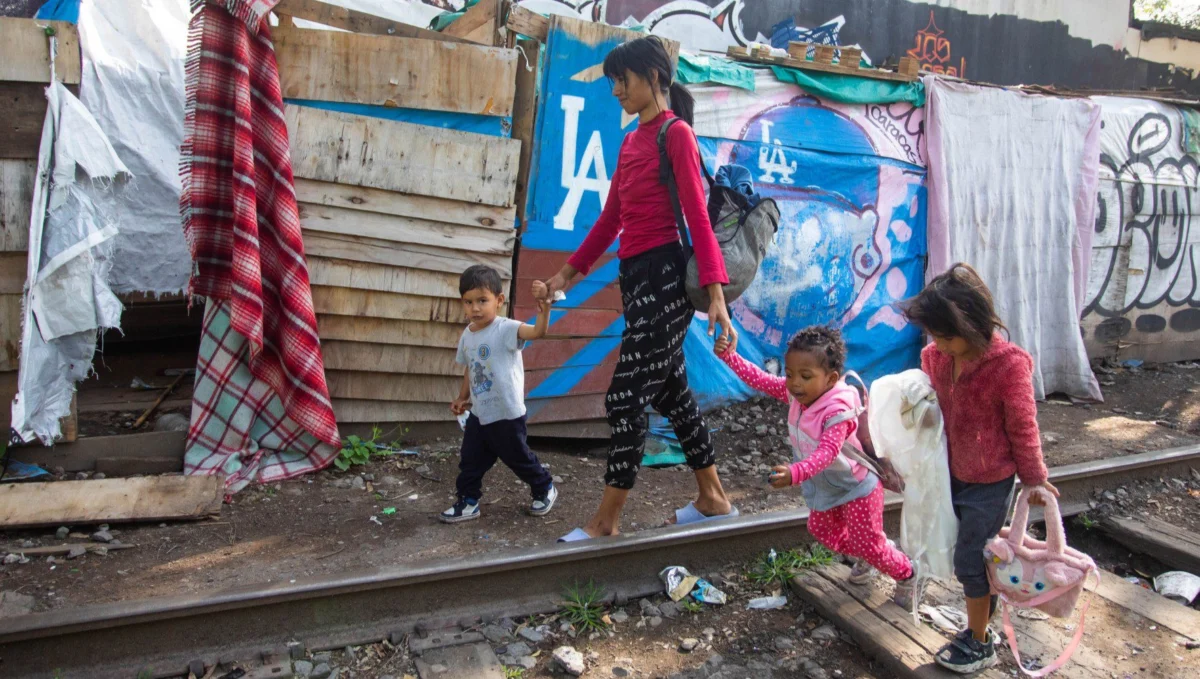
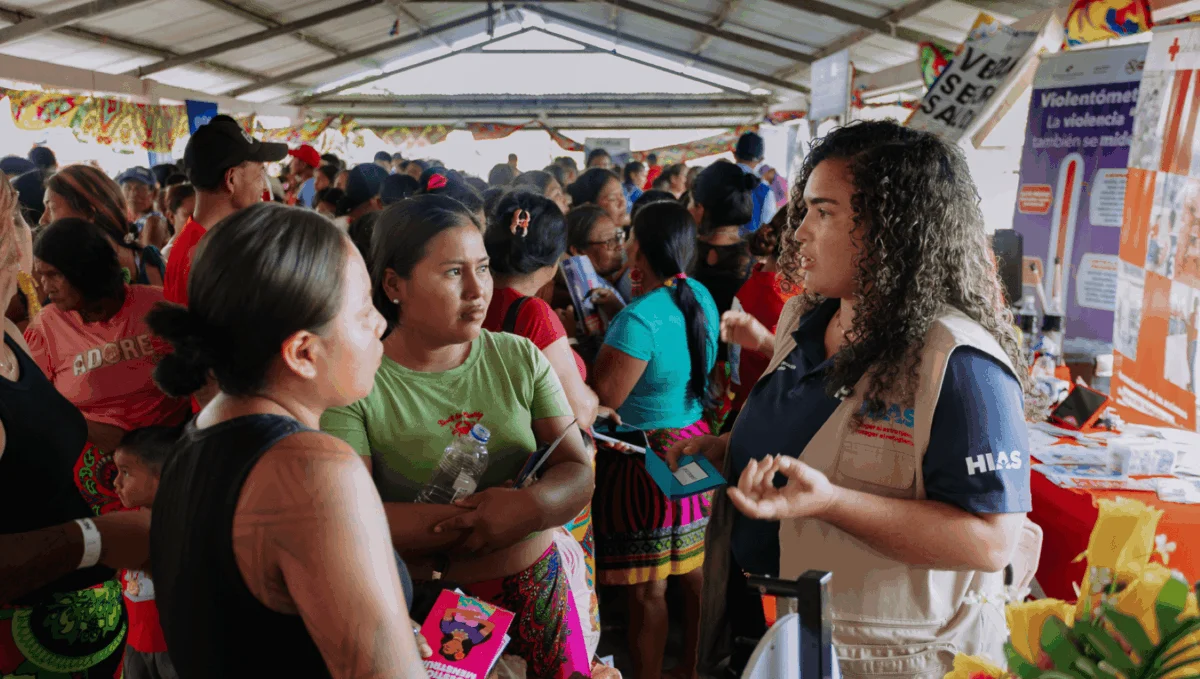
HIAS, as a global organization with operations in numerous countries, possesses firsthand insight into the harsh realities faced by stateless individuals. Globally, an estimated 4.4 million people currently live without any legal documentation or recognized nationality. These individuals are systematically denied access to fundamental human rights and essential services, including education, healthcare, employment, and housing. The inability to secure legal status can also prevent them from marrying, traveling, or fully participating in societal life, leading to profound marginalization and vulnerability. HIAS actively works to address statelessness worldwide through the provision of legal services, community-based mental health care, and other protective measures, aiming to alleviate the suffering and injustice experienced by those lacking a nationality.
Mobilizing for Action: Supporting Birthright Citizenship
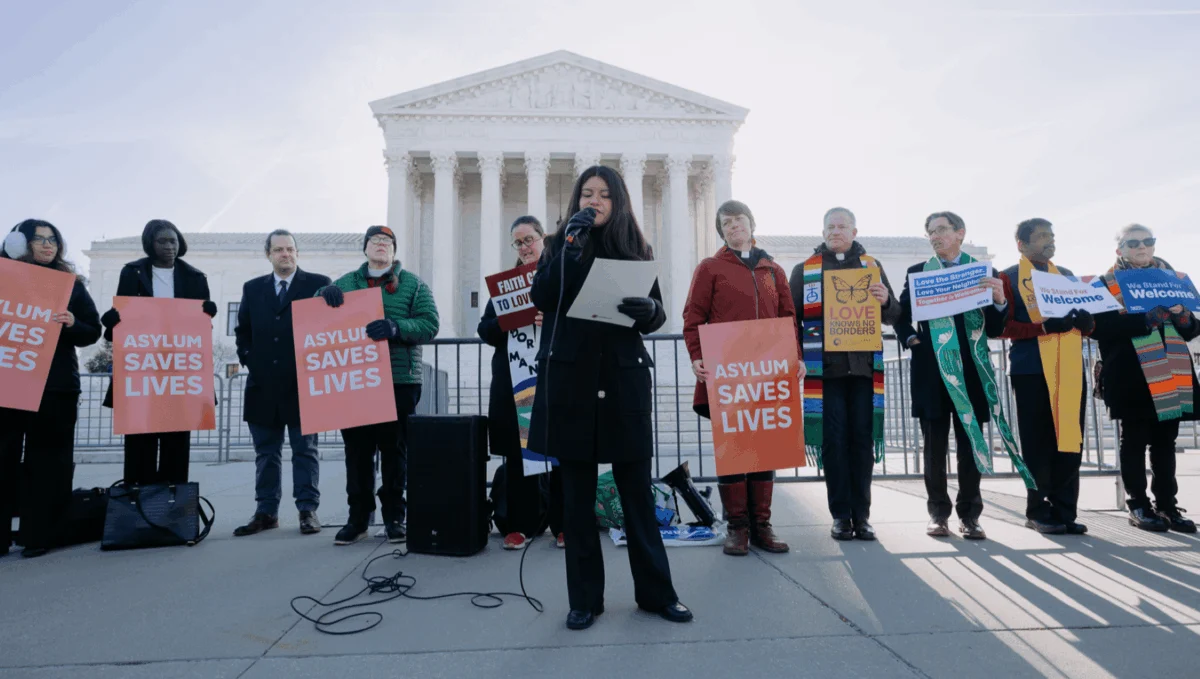
In anticipation of the Supreme Court hearing, HIAS, alongside the American Civil Liberties Union (ACLU) and other partner organizations that submitted the amicus brief, is organizing a public rally. This event is scheduled to take place in front of the Supreme Court building at 10:00 AM on April 1st. The organizers are urging concerned citizens to attend and demonstrate their support for the preservation of birthright citizenship.
The Supreme Court’s deliberations on this case are expected to be extensive, with a decision potentially taking several months to be formally issued. During this period of anticipation, HIAS is providing resources for individuals and communities seeking to take proactive steps to support immigrant neighbors. In a climate where refugees and immigrants frequently face heightened scrutiny and challenging circumstances, these resources offer practical guidance on how to advocate for and protect immigrant communities across the United States. This includes information on community organizing, legal advocacy, and direct support initiatives designed to strengthen the resilience and well-being of immigrant populations.
The historical trajectory of the United States has been profoundly shaped by its embrace of birthright citizenship, a principle that has fostered integration, diversity, and a sense of belonging for millions. The legal challenge posed by Trump v. Barbara represents a critical juncture, prompting a national conversation about the fundamental values that define American citizenship and the nation’s enduring commitment to welcoming those who seek a new life on its shores. The Supreme Court’s forthcoming decision will not only resolve a significant legal dispute but will also reverberate through the social and cultural landscape of the nation for generations to come.