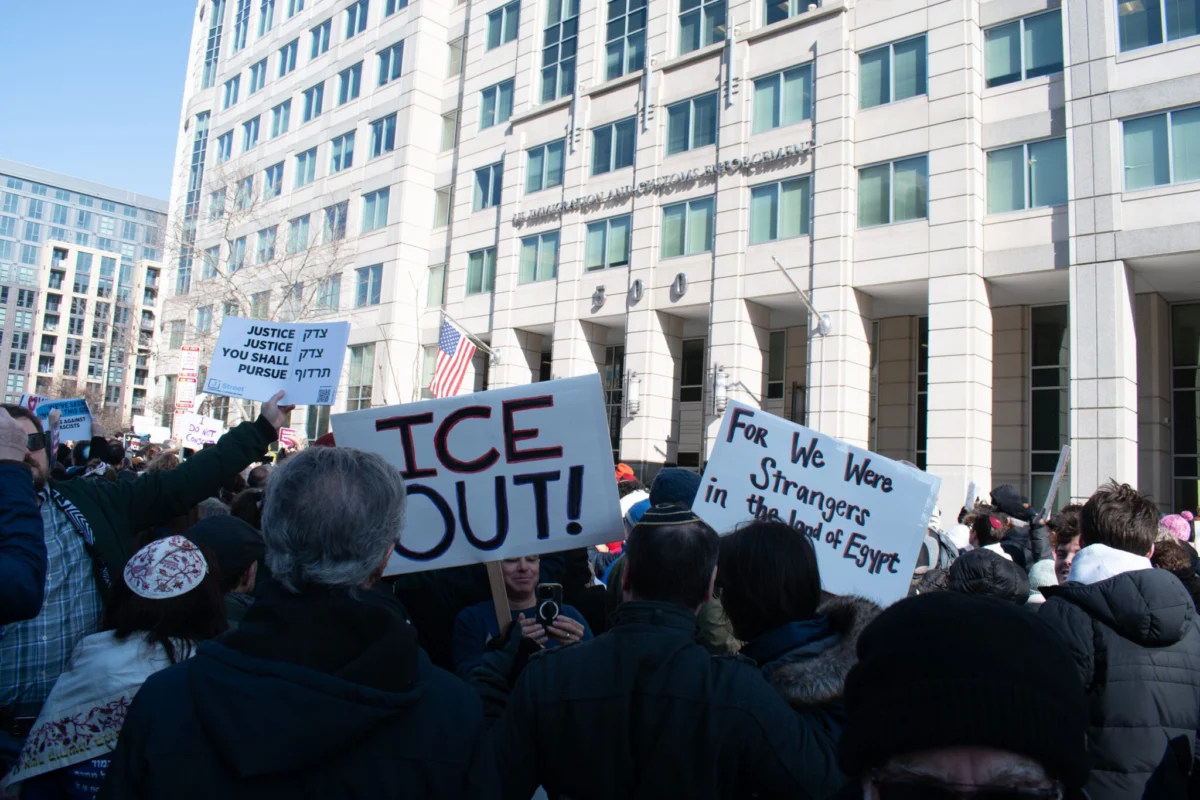
April 14, 2026 – Dr. Beth Oppenheim, CEO of HIAS (Hebrew Immigrant Aid Society), marked Yom HaShoah with a deeply personal reflection, weaving her family’s history of displacement and rescue into a powerful testament to the enduring mission of humanitarian aid. Her message, amplified by the solemnity of the Holocaust Remembrance Day, underscores the critical and evolving role of organizations like HIAS in a world grappling with escalating refugee crises and increasingly restrictive immigration policies.
Oppenheim’s narrative begins with her grandfather, a university student in neutral Switzerland when World War II erupted. His choice to return to Germany to rescue his parents from the encroaching Nazi regime led to their arrest, deportation, and imprisonment. The family’s eventual escape, a harrowing journey through France and Spain to Portugal, was facilitated in the summer of 1941 by an exit visa issued by HIAS. This act of assistance, Oppenheim revealed, is the very reason for her own existence.
"I owe my very existence to HIAS," Oppenheim stated, a sentiment that anchors her leadership at the helm of the venerable organization. The weight of this personal connection, she emphasized, is a constant companion in her daily work.
A Legacy of Silence and Rediscovery
The full scope of her grandfather’s ordeal remained shrouded in silence for many years. Like countless survivors, he rarely spoke of his experiences, leaving his son, Oppenheim’s father, and Oppenheim herself unaware of the profound trauma and the critical role HIAS played. It was only after his passing when Oppenheim was eleven, that a box of old photographs and a letter in German surfaced. Though she couldn’t decipher the text at the time, the presence of European city names and the capitalized word "HIAS" ignited a nascent curiosity.
The full story, however, only came to light a quarter-century later when the letter was finally translated. This revelation confirmed HIAS’s instrumental role in aiding her grandfather and other family members in their eventual resettlement in the United States. This profound discovery solidified Oppenheim’s personal conviction to dedicate her career to refugee assistance.
"When I started my career, I knew that I, too, wanted to help refugees find lasting safety for themselves and the generations after them," Oppenheim explained. "And I only knew one organization in that space. HIAS."
Yom HaShoah: A Call to Remember and Act
Yom HaShoah, a day of solemn remembrance for the victims of the Holocaust, serves as a potent reminder for Oppenheim and HIAS of the imperative to look beyond sorrow and embrace the lessons of resilience, courage, and the crucial role of helpers. The day calls for remembering not only the suffering but also the "narrow paths toward safety" and the individuals and organizations that made a "different future possible."
As the generation of Holocaust survivors dwindles, the responsibility of preserving their stories and heeding their lessons falls upon contemporary generations. Oppenheim stressed that sanctuary was never an accident but a direct consequence of "deliberate acts of courage – by individuals, and by organizations willing to stand in the breach."
HIAS: A Historical Beacon of Hope
Founded in 1880, HIAS has a long and distinguished history of assisting Jewish immigrants and refugees. Initially established to aid Russian Jews fleeing pogroms, the organization’s mission evolved over the decades to encompass a broader spectrum of persecuted populations. Its work has been instrumental in facilitating the resettlement of millions of individuals displaced by war, persecution, and natural disasters.
"HIAS was there for my grandfather," Oppenheim stated. "And for more than 120 years, we’ve been there – for Jews and refugees of every background – as a stepping stone, a source of hope."
This legacy positions HIAS as a critical player in the current global refugee landscape, a landscape increasingly defined by geopolitical instability, humanitarian crises, and restrictive national policies.
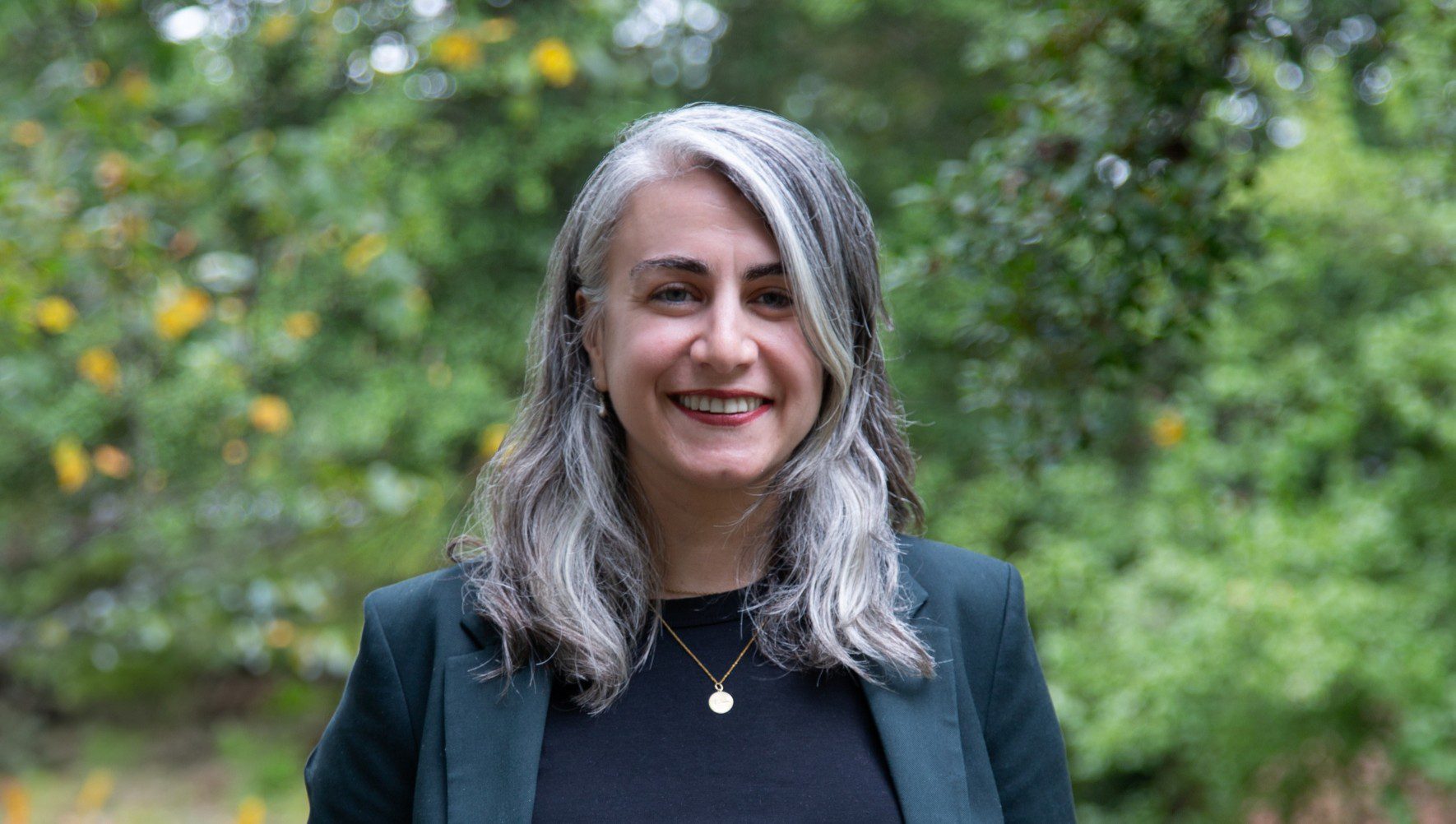
The Contemporary Refugee Crisis: Scale and Challenges
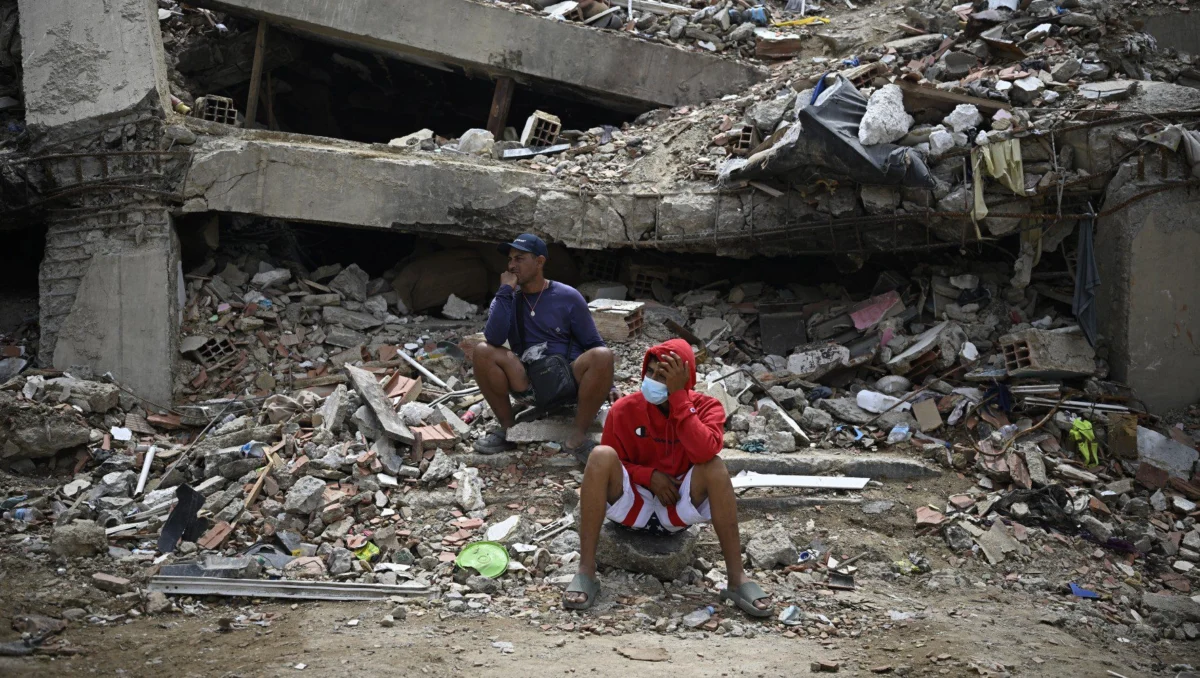
The world is currently facing unprecedented levels of displacement. According to the United Nations High Commissioner for Refugees (UNHCR), the number of forcibly displaced people worldwide surpassed 100 million for the first time in 2022 and has continued to rise. These individuals are fleeing a complex interplay of factors, including protracted conflicts, climate change-induced disasters, political instability, and economic collapse.
The Syrian civil war, the ongoing conflict in Ukraine, the humanitarian crisis in Afghanistan, and the escalating displacement in countries like Sudan and Venezuela are just a few examples of the multifaceted challenges driving global migration. These crises are not only immense in scale but also deeply complex, often requiring long-term solutions that extend beyond immediate humanitarian aid to include legal protection, resettlement, and integration support.
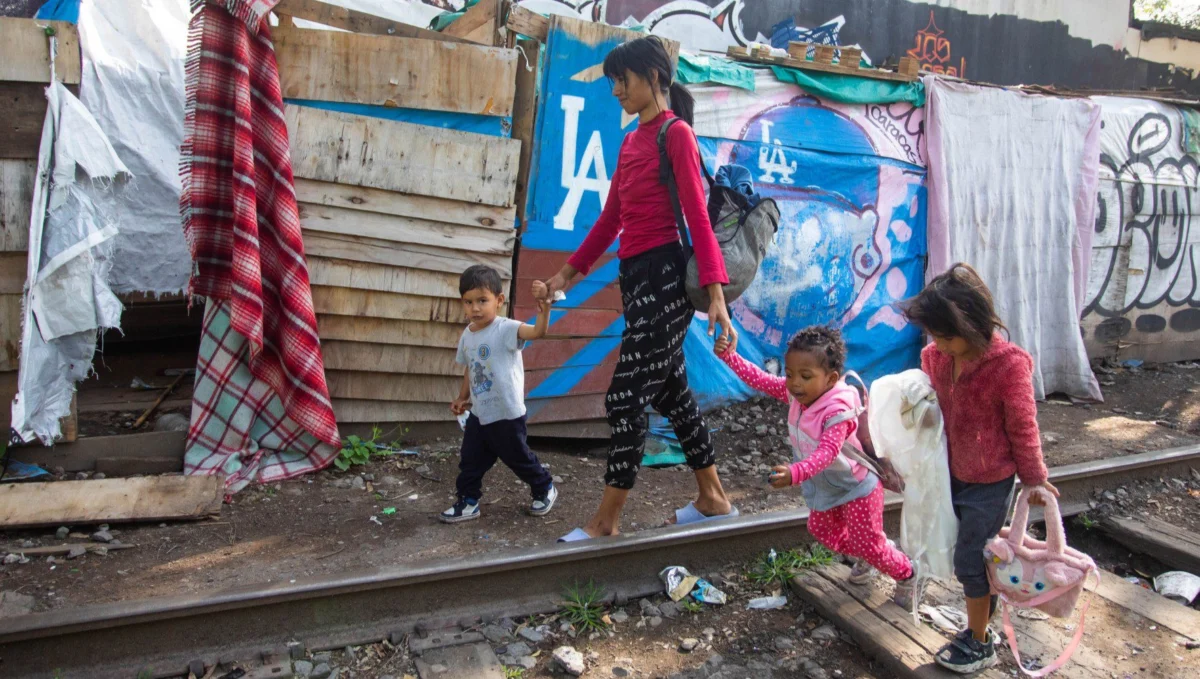
However, the international response to these crises is increasingly strained. Many host countries face significant economic and social pressures, leading to the rise of nationalist sentiments and the implementation of stricter immigration policies. Barriers to asylum, reduced resettlement quotas, and increased deportations are becoming more common, creating a challenging environment for organizations like HIAS.
Navigating a Hostile Landscape
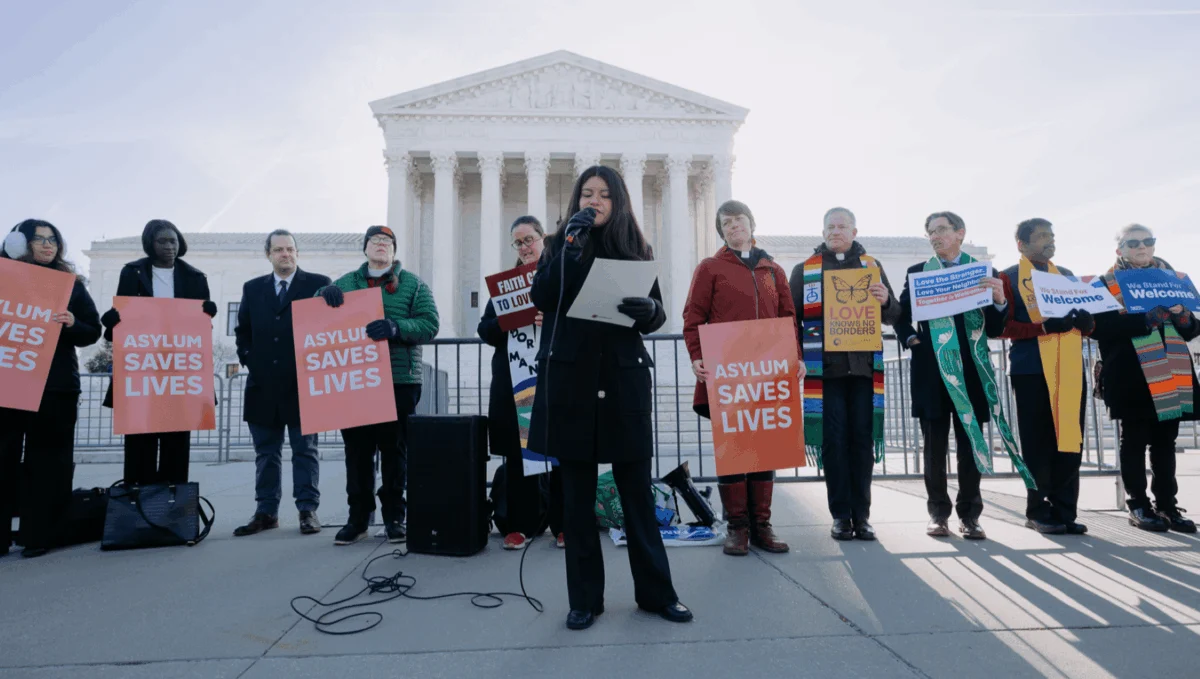
"Today, as our country grows more hostile to those seeking safety, that work is more urgent than ever," Oppenheim asserted, highlighting the current political climate in the United States and other nations. The rhetoric surrounding immigration often paints refugees and asylum seekers as a burden or a threat, obscuring the human dignity and fundamental rights they possess.
This growing hostility presents significant operational challenges for humanitarian organizations. It can impact funding, limit access to vulnerable populations, and create a climate of fear and uncertainty for refugees. Despite these obstacles, Oppenheim reiterated the sacred nature of HIAS’s mission.
A Commitment to Open Doors
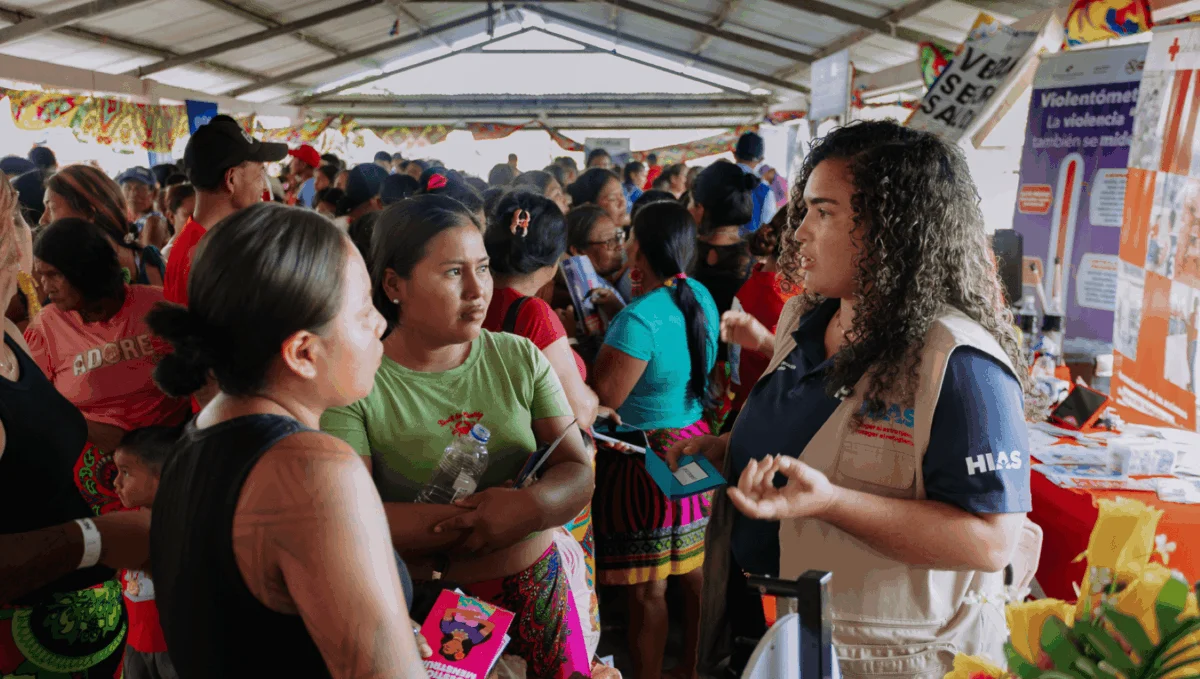
The commitment to ensuring that "the door to safety stays open" is not merely a slogan for HIAS; it is a foundational principle rooted in historical precedent and moral imperative. The organization continues to advocate for the rights of refugees, provide legal and social services, and facilitate resettlement for those fleeing persecution.
HIAS’s work extends beyond immediate aid, encompassing long-term support aimed at empowering refugees to rebuild their lives and contribute to their new communities. This includes language training, job placement assistance, and community integration programs, all designed to foster self-sufficiency and belonging.
Broader Implications and Future Outlook
Oppenheim’s message on Yom HaShoah serves as a powerful reminder of the interconnectedness of history and the present. The lessons learned from the Holocaust, and the role of organizations like HIAS in providing refuge during that dark period, remain profoundly relevant today. The escalating global displacement crisis demands a renewed commitment to humanitarian principles and a rejection of policies that turn a blind eye to suffering.
The implications of failing to provide adequate sanctuary are far-reaching. When doors are closed, individuals are forced into more perilous journeys, fall prey to exploitation, and remain in cycles of displacement and trauma. The loss of potential contributions from refugees, who often possess valuable skills and a strong desire to rebuild their lives, represents a missed opportunity for both individuals and societies.
As Oppenheim’s personal story illustrates, the impact of providing refuge extends across generations. Her grandfather’s escape, facilitated by HIAS, not only saved his life but also paved the way for a family lineage that would otherwise have been extinguished. This underscores the profound and lasting positive impact of humanitarian assistance.
The call to action issued by Oppenheim is clear: remembering the past is not just an act of historical commemoration; it is an active commitment to shaping a more humane future. It is a commitment to ensuring that no one is left to face the world alone and that the fundamental right to seek safety and dignity is upheld for all. The work of HIAS, and organizations like it, remains a vital bulwark against indifference and a beacon of hope in an increasingly uncertain world. Their efforts, often unseen and unsung, are crucial in maintaining the principles of compassion and solidarity that define a just society.