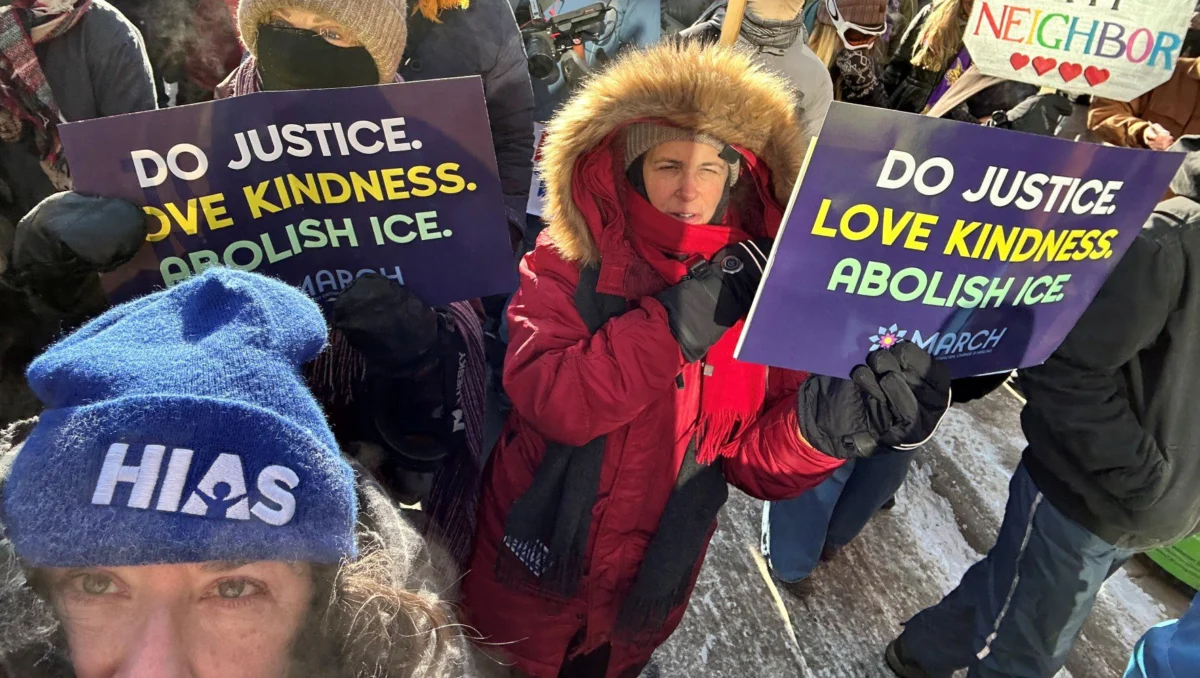
March 20, 2026 – In a stark testament to the challenges faced by asylum seekers in the United States, Juliette*, a participant in HIAS’s programs, has bravely come forward to share her harrowing experience of wrongful detention by U.S. Immigration and Customs Enforcement (ICE). Her account, shared on MS NOW, sheds critical light on the deplorable conditions within detention facilities and the profound psychological toll these experiences inflict, even after release. As of early 2026, ICE’s detainee population has surged to a record high of over 73,000 individuals, with a significant majority lacking any criminal conviction, raising serious concerns about the administration’s approach to asylum and immigration enforcement.
The Asylum Journey and the Shock of Detention
Juliette arrived in the United States in 2023, fleeing persecution in her home country of Cameroon. She promptly initiated the asylum process, seeking refuge and the opportunity to rebuild her life. With the support of HIAS’s U.S. legal and social services teams, she began to establish stability, securing employment and a sense of security. This fragile peace was shattered when, approximately two months prior to her MS NOW appearance, she was arrested by ICE.
Her arrest was not a gentle process. Juliette recounts being handcuffed and shackled, then subjected to a series of transfers between multiple detention centers. The conditions she encountered were described as horrifying and dehumanizing. "It was very crowded," Juliette stated, her voice tinged with the memory of her ordeal. "We had to sleep on the floor, on the concrete. There were no mattresses, there was no bed. There was just one pot for the toilet and the smells were awful. There was no sanitation. I spent six days without washing and wearing the same clothes. We ate with our hands handcuffed."
These accounts align with numerous reports detailing the severe overcrowding and inadequate living conditions prevalent in many ICE detention facilities. Organizations like the American Civil Liberties Union (ACLU) and Human Rights Watch have consistently documented issues such as lack of access to medical care, unsanitary environments, and insufficient food, particularly during periods of heightened enforcement. Juliette’s experience at the Dilley Immigration Processing Center in Texas, a facility known for holding thousands of immigrants under challenging circumstances, further underscores the systemic issues within the detention apparatus. The prolonged uncertainty faced by detainees, some held for months, exacerbates the psychological distress, creating an environment of pervasive fear and anxiety.
Swift Intervention and the Path to Release
The swift intervention of HIAS’s legal and social services team was instrumental in Juliette’s release. Without their dedicated advocacy, she might have remained detained, separated from her children, her job, and the life she was striving to build. The organization’s legal team worked to challenge her detention, presenting evidence and arguments that ultimately led to her freedom. This underscores the critical role of legal aid and advocacy in navigating the complexities of the U.S. immigration system, particularly for vulnerable populations seeking asylum.
However, the ordeal did not end with her release. The psychological impact of her detention continues to weigh heavily on Juliette, manifesting as a pervasive sense of trauma and insecurity. "Since I came back, life has not been the same because I was traumatized by what I experienced," she shared. "I lost everything I had and was doing before being detained." The stability she had painstakingly achieved was dismantled by the detention.
The Stigma of the Ankle Monitor and the Quest for Safety
Adding to her struggle, Juliette now wears an ankle monitor, a constant and visible reminder of her detention. This device, intended as a form of monitoring, has become a source of profound shame and alienation. "It makes strangers move away from her on the street, that makes her feel, in her own words, like a criminal, when all she ever did was seek safety," the article notes. This experience highlights the unintended consequences of such monitoring, which can further marginalize individuals seeking refuge and perpetuate a sense of criminality, despite their legitimate claims for protection.
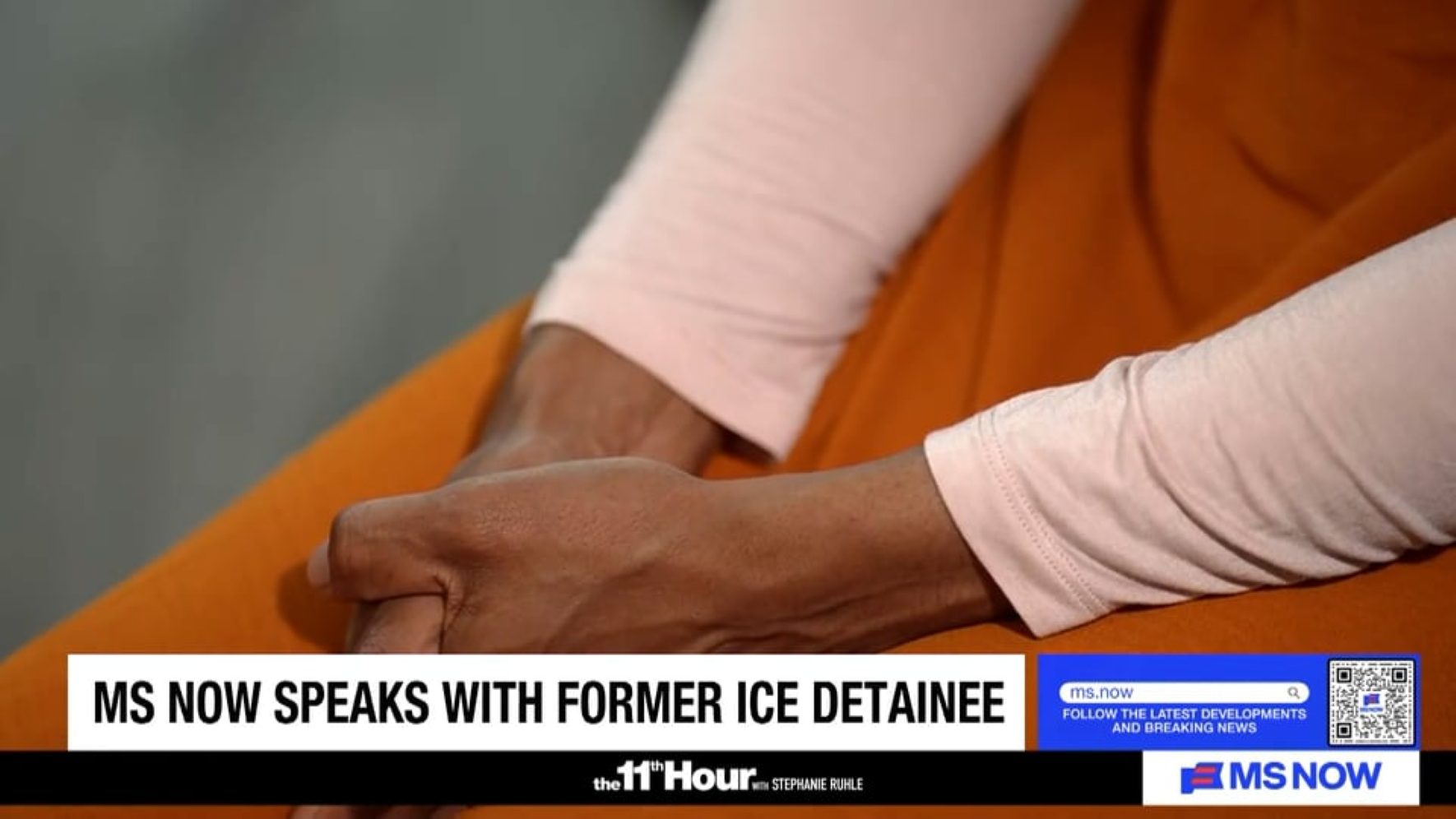
"I have to start from scratch," Juliette revealed, her voice heavy with the weight of her circumstances. "I don’t feel safe. I have experienced fear, fear in my belly, my stomach, and also on a physical level, I am not the same." Her words paint a vivid picture of the lasting psychological wounds inflicted by the detention experience. The constant anxiety and fear underscore the critical need for comprehensive trauma-informed care for asylum seekers and refugees.
A Voice for the Voiceless
Juliette’s decision to share her story anonymously with MS NOW, despite the personal cost, stems from a deep-seated desire to inform the public about the realities faced by those seeking protection in the United States. She hopes her testimony will foster greater understanding and empathy, prompting a re-evaluation of current immigration policies and practices. Her courage in speaking out is a powerful act of advocacy, aiming to humanize the statistics and bring attention to the systemic issues within the immigration detention system.
Broader Implications and HIAS’s Continued Advocacy
Juliette’s story is not an isolated incident. It represents the lived experiences of countless individuals who encounter the U.S. immigration system seeking safety and instead find themselves subjected to prolonged detention and its associated traumas. HIAS, as the world’s oldest refugee agency, is committed to standing with these individuals, providing legal and social services to navigate the complexities of asylum and to support their recovery.
The organization is actively engaged in multiple legal challenges against the Trump administration’s immigration policies, recognizing that systemic change is crucial. Among these are Amica Center for Immigrant Rights v. EOIR, which challenges measures designed to limit immigrants’ ability to appeal adverse decisions in immigration court, and U.H.A. v Bondi, asserting that the detention of resettled refugees for rescreening is inhumane and retraumatizing. These legal battles are critical in safeguarding the rights of asylum seekers and ensuring a more just and humane immigration system.
HIAS’s work extends beyond legal advocacy. Their social services teams provide essential support to individuals like Juliette, recognizing that the journey of recovery is as vital as the legal fight for protection. This holistic approach acknowledges the multifaceted needs of displaced people, addressing both their legal rights and their emotional well-being.
The ongoing commitment of organizations like HIAS, coupled with the bravery of individuals like Juliette in sharing their stories, is essential in fostering a more informed and compassionate national dialogue on immigration. As Juliette’s experience demonstrates, the pursuit of safety in the United States can, paradoxically, lead to profound harm if the system fails to uphold principles of dignity and justice for all. HIAS remains steadfast in its mission to support Juliette and all displaced individuals seeking refuge, underscoring its enduring commitment to a world where everyone has the right to safety and belonging.
*Name changed for safety.