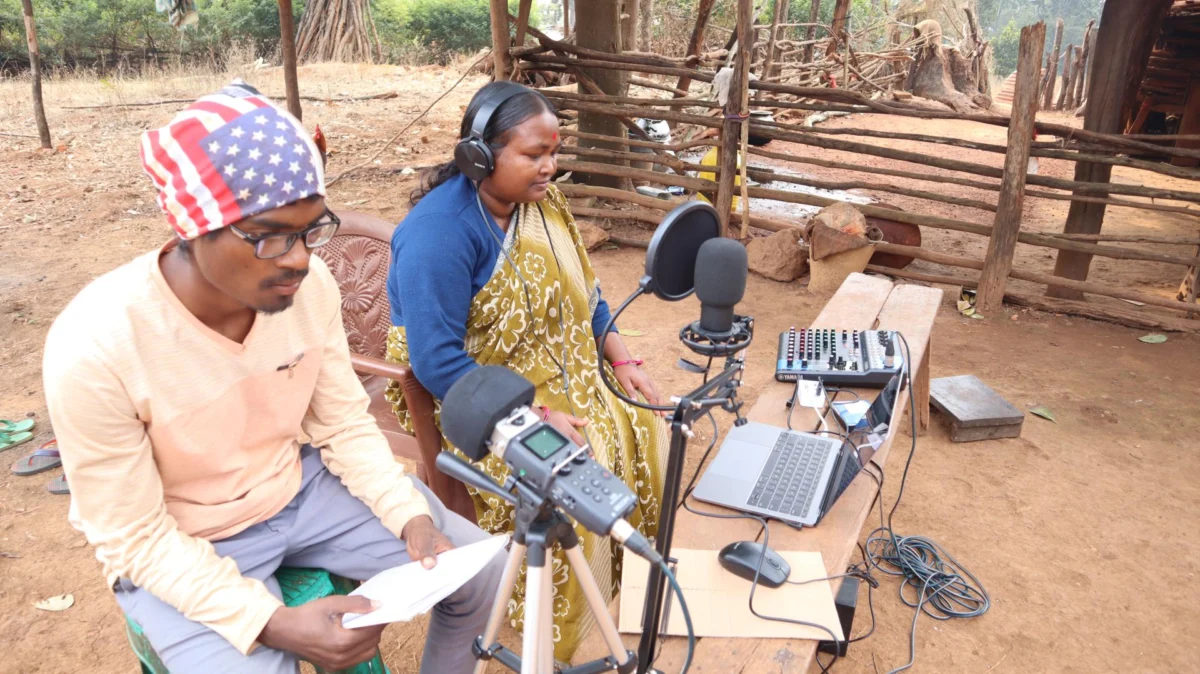
In the verdant, undulating landscape of Netarhat, Jharkhand, a region where the earth’s bounty often invites industrial exploitation, a powerful new voice is resonating. It is not the clamor of heavy machinery or the ominous crack of falling timber, but the distinct, rhythmic cadence of the Asur language, broadcast via the Asur Adivasi Mobile Radio (AAMR). This pioneering community media initiative has emerged as a vital conduit for the Asur people, an Indigenous community grappling with the encroaching threats of mining, deforestation, and displacement. AAMR is not merely a broadcast service; it is a bulwark for cultural preservation, a platform for resistance, and a testament to the enduring spirit of a community fighting for its land and identity.
The Genesis of a Lifeline: Addressing Critical Needs
The establishment of the Asur Adivasi Mobile Radio was a direct response to a trifecta of pressing challenges confronting the Asur community. For decades, the promise of development through mining has cast a long shadow over their ancestral lands, threatening to erode traditional land rights and sever their deep-rooted connection to the environment. This environmental degradation, coupled with limited economic opportunities, has historically fueled a concerning trend of youth migration and, in some tragic instances, human trafficking, as individuals seek livelihoods elsewhere. Simultaneously, the Asur language, a crucial repository of their history, traditions, and unique worldview, faced the grim prospect of extinction, lacking a consistent and accessible platform for its preservation and transmission to future generations.
The Asur Adivasi Mobile Radio was conceived as an integrated solution, weaving together technological empowerment with an understanding of fundamental rights. The initiative provides technical training in radio production and broadcasting, equipping young Asur individuals with modern communication tools. This is intrinsically linked with comprehensive lessons on constitutional rights, ensuring that the next generation of community leaders is not only technologically adept but also fully aware of their legal protections and avenues for advocacy. This dual approach aims to foster a new cadre of land defenders, capable of articulating their concerns and asserting their rights in both local and national forums.
Voices from the Ground: Empowerment and Reclamation
The impact of AAMR on the Asur community is profound and deeply personal, as articulated by those at the forefront of this initiative. Asinta Asur, an AAMR leader from Jobhipat, encapsulates this transformation: "Through activities of AAMR, we learned that our voices can reach beyond our villages. The radio has given us strength and a platform to speak about our land, our forests, and our rights." This sentiment underscores the radio’s role in transcending geographical isolation and amplifying collective concerns.
Vivek Asur, a trainee and youth broadcaster from Sakhuapani, shares a similar sense of newfound agency: "Earlier I was hesitant, but after this training, I can now record and broadcast radio programs myself. I feel proud that our Asur language is being heard in the markets and even online." His words highlight the project’s success in demystifying technology and fostering a sense of pride in their linguistic heritage, transforming what was once a perceived vulnerability into a source of cultural assertion.
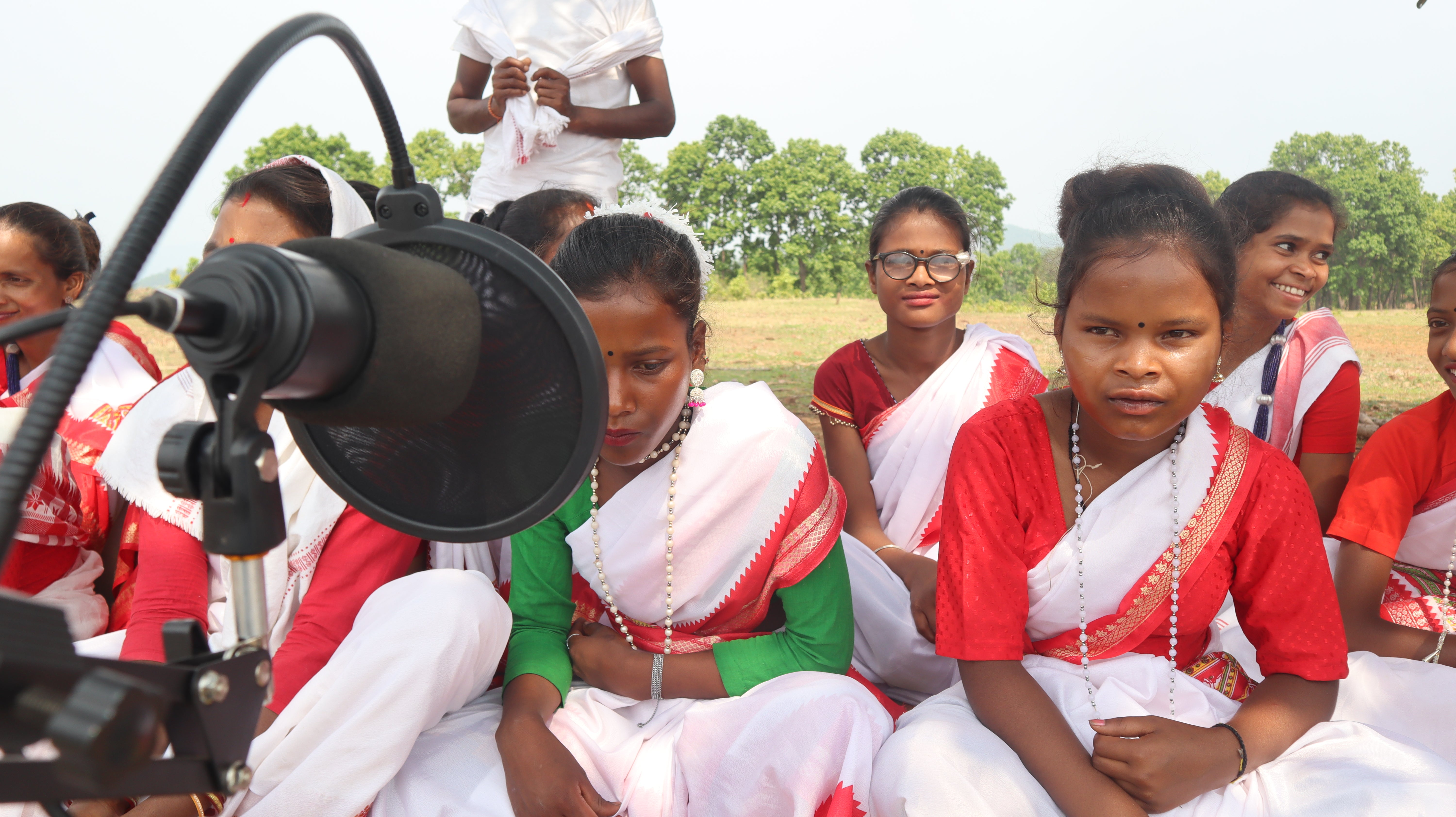
The educational aspect of AAMR is also proving transformative. Barnabas Toppo, an AAMR volunteer from Lupungpat, found his understanding of the nexus between environmental extraction and his community’s rights significantly deepened: "This was the first time I understood how mining is connected to our rights in the Constitution. I feel more confident to speak up in the village council." This newfound legal literacy is crucial for effective participation in local governance and for challenging exploitative practices.
The empowerment of women within the community is another significant outcome. Sushma Asur, a respected community leader from Sakhuapani, notes: "The Radio gave us courage to stand together against mining. Now we women can speak in the meetings; it’s not just the men who can participate and speak." This marks a critical shift towards more inclusive decision-making processes, recognizing the vital role of women in community resilience and advocacy.
A Cultural Resurgence: Bridging Generations and Preserving Heritage
Beyond the realm of political advocacy and land rights, AAMR is playing an indispensable role in safeguarding the Asur culture, which many fear is teetering on the brink of oblivion. The broadcast of traditional Indigenous songs over market speakers acts as a powerful cultural bridge, connecting the knowledge held by Elders with the receptiveness of the youth. Ajay Asur, an Elder from Sakhuapani, expresses this sentiment with poignant clarity: "When I hear the songs of our ancestors on the radio, I feel that our traditions are alive again. The young people are learning what we had almost forgotten." This intergenerational transfer of cultural memory is vital for the continuity of Asur identity.
Furthermore, the radio provides a creative and constructive alternative to the often dangerous and exploitative labor found in local mining operations. Bhikha Asur, a volunteer from Jobhipat, reflects on this shift: "Working with the radio saved me from going to the mines for daily wage work. Now I am using my energy to create programs for our community." This redirection of youthful energy towards community development and cultural expression is a significant achievement. Shradhanand Kerkett of Lupungpat echoes this sentiment, stating that while he once contemplated migrating for work, he now feels a strong sense of purpose rooted in his community: "I feel my place is here…serving my community."
A Platform for Recognition and Sustained Challenges
The innovative approach of AAMR has garnered attention beyond the immediate community, even reaching the corridors of national media and state institutions. Both All India Radio and Ranchi Doordarshan have extended invitations to the AAMR team to share their radio programs. This represents a landmark achievement, marking the first instance where Asur language songs and narratives of the Asur people have been broadcast on national public media platforms, offering unprecedented visibility and recognition.
However, the sustainability of such impactful initiatives is frequently tested by financial constraints. The organization continuously faces the specter of financial instability, a challenge that can unfortunately compel dedicated volunteers to return to precarious daily wage labor to ensure their survival. This underscores the ongoing need for robust and consistent support to sustain these vital community-led efforts.
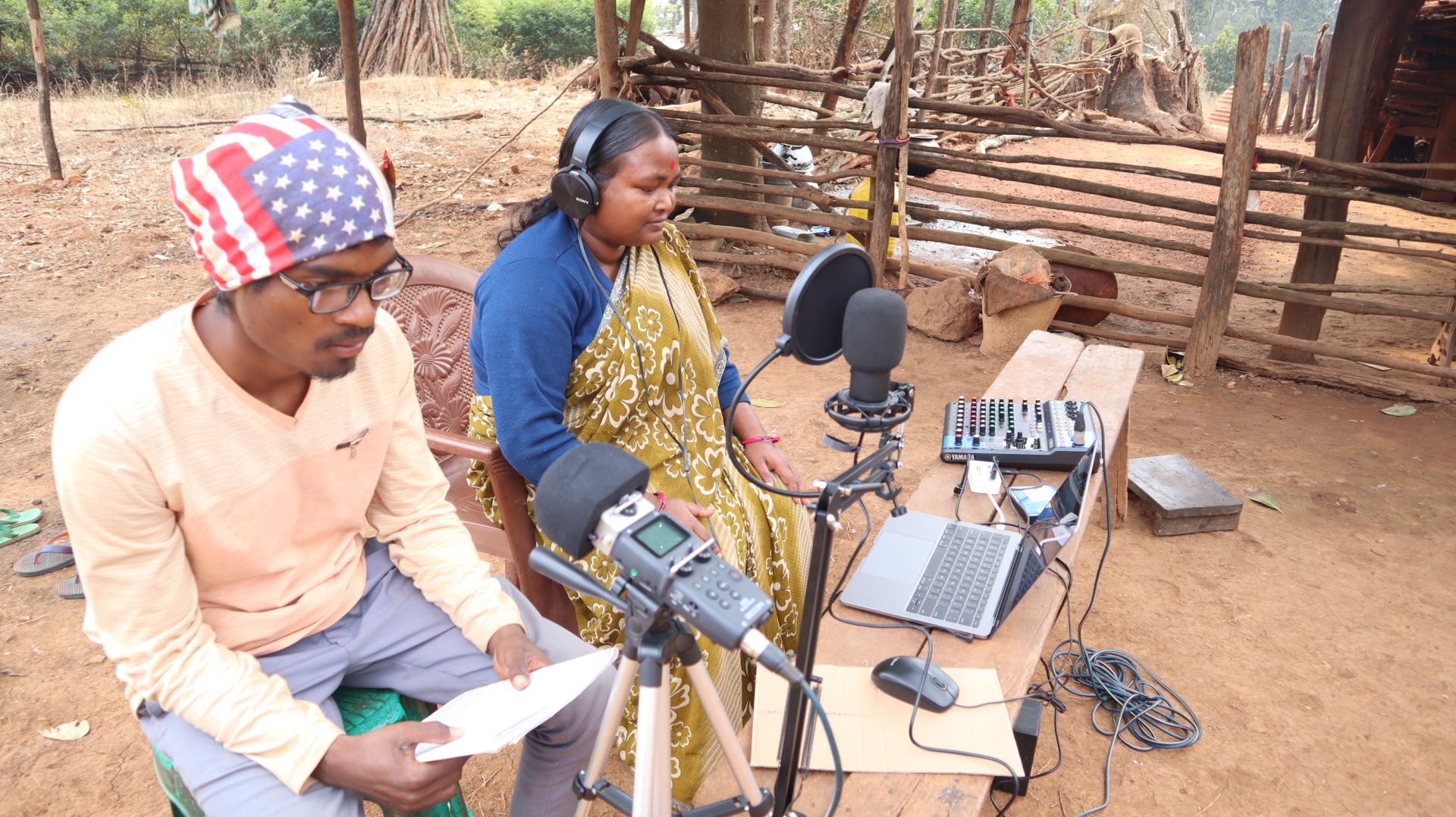
Despite these persistent challenges, the Asur community’s resolve remains unwavering. For Elders like Ropani Asur, the mere existence of the radio is a powerful affirmation of their cultural continuity: "For years I was worried that our language would disappear. Hearing the radio in Asur makes me feel our grandchildren will remember who we are." This hope for cultural remembrance is a driving force behind their sustained commitment.
Analysis: The Power of Indigenous Media in the Face of Adversity
The Asur Adivasi Mobile Radio exemplifies the transformative power of Indigenous-led media in navigating the complex socio-economic and environmental landscapes of contemporary India. As the Asur people continue to confront the intensified pressures of industrialization, resource extraction, and the looming threat of displacement, AAMR stands as a potent symbol of their resilience and agency. Melan Asur, an Elder from Jobhipat, eloquently articulates the station’s critical importance: "Radio is our lifeline to organize and unite our Asur community. Every day we face violence from the state and from dikus (outsiders). Mining, deforestation, displacement, and human trafficking are tearing our lives apart."
The success of AAMR offers a compelling case study for understanding the strategic importance of empowering local communities with communication tools. In regions often characterized by a disconnect between development policies and the realities on the ground, community radio can serve as a vital mechanism for information dissemination, collective mobilization, and the assertion of rights. It provides a platform for counter-narratives to emerge, challenging dominant development paradigms and advocating for culturally sensitive and sustainable approaches.
The broader implications of AAMR extend beyond the Asur community. It highlights the critical role of Indigenous languages and cultures as integral components of biodiversity and ecological stewardship. The erosion of Indigenous languages often correlates with the degradation of traditional ecological knowledge, which holds invaluable insights for sustainable resource management. By revitalizing their language and cultural practices through radio, the Asur people are not only preserving their identity but also safeguarding a repository of knowledge that could benefit wider society.
Furthermore, the initiative underscores the urgent need for increased financial and institutional support for Indigenous media initiatives. Organizations like Cultural Survival, by providing crucial backing, enable these vital platforms to persist and expand their reach. The struggle of the Asur people, amplified by AAMR, is a microcosm of the challenges faced by numerous Indigenous communities worldwide. Their fight for land, culture, and self-determination, amplified through the airwaves, serves as a powerful reminder of the importance of supporting grassroots efforts that champion human rights and environmental justice. The steady broadcast of the Asur language from the heart of Netarhat is more than just a radio program; it is a declaration of existence, a testament to resilience, and a beacon of hope for a future where Indigenous voices are not only heard but also heeded.