As the United Kingdom approaches the local government elections scheduled for May 7, 2026, the political discourse is increasingly focusing on the profound role that municipal authorities play in mitigating or exacerbating systemic inequality. With 5,014 seats contested across 136 English local authorities, alongside national elections in Wales and Scotland, the 2026 cycle represents one of the most significant democratic exercises in recent years. While local elections are frequently viewed through the lens of national party popularity, policy analysts and socio-economic experts argue that the decisions made at the town hall level—ranging from social care provision to procurement strategies—have a more immediate impact on the wealth gap and quality of life than many parliamentary mandates.
The Scale and Scope of the 2026 Local Elections
The upcoming elections on May 7 will see voters head to the polls to determine the composition of more than a hundred local councils. These authorities are responsible for managing billions of pounds in public spending and overseeing essential services that form the backbone of British society. In England, the 136 authorities up for election include a mix of metropolitan boroughs, unitary authorities, and district councils. Simultaneously, voters in Wales and Scotland will be participating in elections that will determine the legislative direction of their respective devolved nations, further complicating the political map and raising the stakes for party leaders.
Historically, local government in the UK has faced a "scissors crisis" of rising demand for services—particularly in social care and housing—and dwindling central government funding. Since 2010, real-terms funding for local authorities has seen significant fluctuations, with many councils reporting a reliance on council tax increases and commercial investments to bridge the gap left by the reduction of the Revenue Support Grant. The 2026 elections arrive at a time when several local authorities have issued Section 114 notices, effectively declaring bankruptcy, which underscores the urgent need for a debate on how local power is used to protect vulnerable populations.
The Socio-Economic Context: A Nation Divided
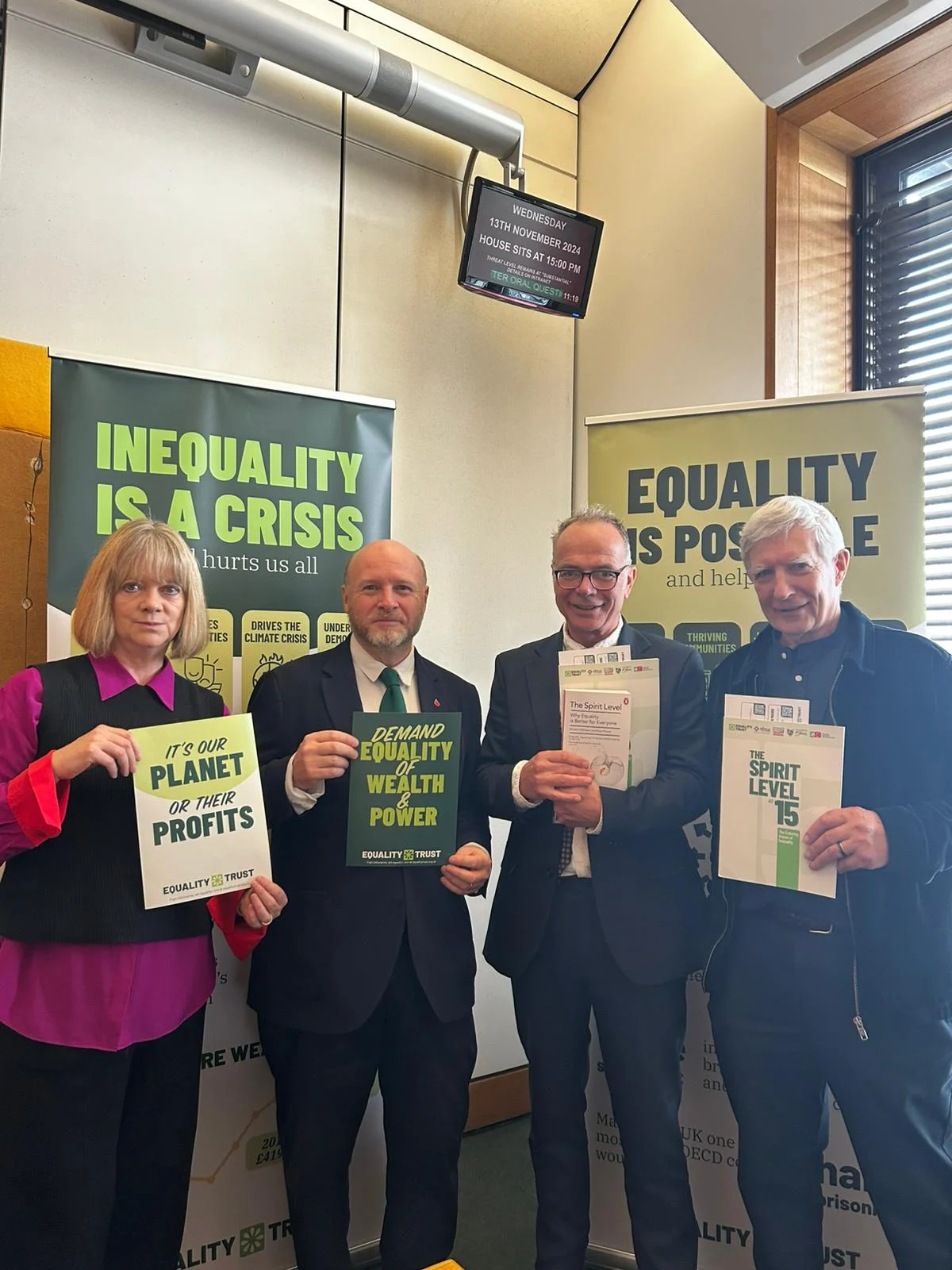
The backdrop to these elections is a persistent and widening inequality gap. According to data from the Office for National Statistics (ONS) and independent research bodies like The Equality Trust, the UK remains one of the most unequal countries among developed economies. Wealth inequality is particularly stark; the richest 10% of households hold approximately 43% of all wealth, while the bottom 50% hold less than 5%.
Inequality is not merely a matter of financial statistics; it correlates directly with health outcomes, life expectancy, and educational attainment. In regions where income inequality is highest, public health data consistently shows higher rates of chronic illness and lower life expectancy. For local council candidates, these figures represent a challenge to the status quo. The "inequality crisis" is no longer a peripheral issue but a central theme that influences voter behavior, particularly in "left-behind" regions and urban centers where the cost-of-living crisis has been most acute.
Strategic Pillars of Local Equality: Housing and Land Use
One of the primary levers available to local councils is the control of housing and planning. The UK’s housing crisis is characterized by a chronic undersupply of affordable homes and a surge in private rental costs. In many local authorities, the ratio of median house prices to median annual earnings has reached record highs, making homeownership an impossibility for a significant portion of the workforce.
Councils hold the power to drive affordable housing through several mechanisms:
- Planning Obligations: Under Section 106 of the Town and Country Planning Act 1990, councils can require developers to provide a percentage of affordable housing in new projects.
- Council House Building: A resurgence in municipal home building has been seen in authorities that have utilized the lifting of the borrowing cap on the Housing Revenue Account (HRA).
- Empty Homes Management: Councils possess legal powers to issue Empty Dwelling Management Orders (EDMOs) to bring long-term vacant properties back into use, though these powers are often underutilized due to administrative costs.
As candidates canvas for votes, the question of whether they will resist the sell-off of existing stock and commit to strict affordable housing targets remains a litmus test for their commitment to socio-economic equity.
The Socio-Economic Duty: Section 1 of the Equality Act 2010
A growing movement within local government involves the voluntary adoption of the "Socio-economic Duty." Contained within Section 1 of the Equality Act 2010, this duty requires public bodies to consider how their decisions can help reduce the inequalities of outcome which result from socio-economic disadvantage. While the UK government has never formally commenced this duty for all public bodies in England, it has been implemented in Scotland (as the Fairer Scotland Duty) and in Wales.
In the absence of a national mandate in England, dozens of councils—ranging from Newcastle to North Tyneside and various London boroughs—have voluntarily adopted the duty. Proponents argue that the SED provides a transparent framework for holding officials accountable. For example, when a council decides to close a library or reduce bus subsidies, the SED requires an assessment of how that decision disproportionately affects residents based on their social class, occupation, or place of residence. The 2026 elections will likely see increased pressure on candidates to commit to this duty as a foundational principle of governance.
Procurement and the "Preston Model" of Community Wealth Building
Local authorities in the UK spend approximately £70 billion annually on the procurement of goods and services. Traditionally, this spending has favored large, often multinational, private contractors. However, a shift toward "Community Wealth Building" has gained momentum, most notably through the "Preston Model."
This strategy involves redirecting local government spend toward local businesses, worker cooperatives, and social enterprises. By ensuring that public money stays within the local economy, councils can create a multiplier effect that supports local employment and reduces regional wealth leakage. Furthermore, councils are being scrutinized for their investment portfolios. The Local Government Pension Scheme (LGPS) manages hundreds of billions of pounds; activists and voters are increasingly demanding that these funds divest from industries deemed exploitative or environmentally damaging, such as fossil fuels and the arms trade, and instead reinvest in local social infrastructure.
The Crisis of Local Democracy and Resident Engagement
The 2026 elections also face the challenge of declining democratic participation. Turnout for local elections in England typically hovers between 30% and 35%, significantly lower than in general elections. This "participation gap" is often widest among younger voters and those in lower socio-economic brackets, leading to a cycle where those most affected by council decisions are the least represented in the results.
The perceived "exclusionary design" of local government—using complex bureaucratic language and holding meetings at times inaccessible to working people—has contributed to a trust deficit. Recent polling by the Local Government Information Unit (LGiU) suggests that only a quarter of voters trust the government to act in the best interests of local people. Candidates in 2026 are being urged to propose reforms that increase transparency, such as participatory budgeting, where residents have a direct say in how a portion of the municipal budget is spent.
Social Care and the Breaking Point of Public Services
Perhaps the most critical issue facing the 136 authorities in 2026 is the state of social care. Local councils are responsible for providing adult and children’s social care, services that have seen demand skyrocket due to an aging population and increasing complexity in child protection cases.
Since 2010, many authorities have had to make devastating cuts to "non-statutory" services—such as youth clubs, libraries, and community centers—to fund the rising costs of statutory social care. This has created a "hollowing out" of the public realm. The 2026 election will serve as a forum for debating whether the current funding model for social care is sustainable and what local representatives can do to protect the remaining "preventative" services that keep communities resilient.
Implications for the National Political Landscape
While the 2026 elections are local in nature, their implications are national. These contests will serve as a mid-term barometer for the sitting national government and the primary opposition parties. The results will provide data on whether "leveling up" rhetoric has translated into tangible improvements for voters or if the gap between the country’s wealthiest and poorest regions continues to expand.
Furthermore, the rise of independent candidates and smaller parties focusing on hyper-local issues of inequality suggests a fragmenting of the traditional two-party dominance in local town halls. As May 7 approaches, the focus remains on whether candidates will offer concrete policy shifts or merely "condemn the records of other parties" without providing a roadmap for structural change.
Conclusion: The Path to May 2026
The 2026 local elections represent a rare opportunity for voters to demand accountability on the issues that define their daily lives. By engaging with candidates through hustings, local media, and direct correspondence, the electorate has the power to shift the focus from abstract national debates to the practicalities of housing, social care, and local economic justice.
As the UK grapples with the long-term effects of austerity, the pandemic, and the cost-of-living crisis, the 5,014 seats up for election in May will determine the frontline of the battle against inequality. The choices made by local councils over the next four-year term will either provide a safety net for the vulnerable or further entrench the disparities that have come to define the modern British landscape.