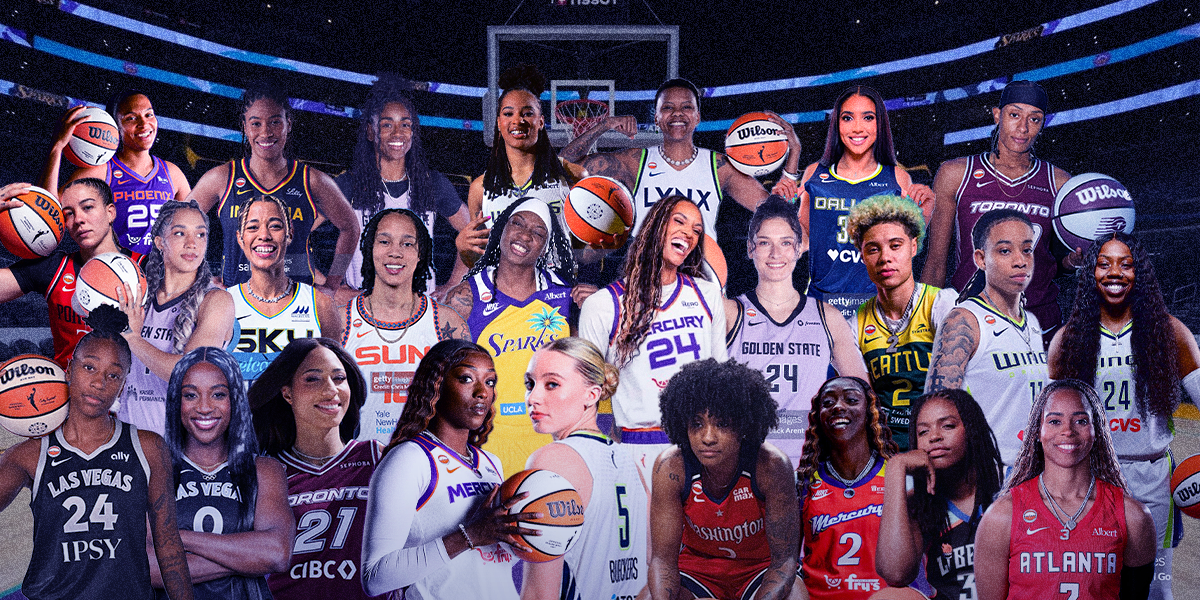
The 2026 WNBA season stands as a landmark era for professional women’s basketball, characterized by unprecedented league expansion, record-breaking viewership, and a continued commitment to social authenticity. As the league grows to include new franchises such as the Golden State Valkyries, the Toronto Tempo, and the revived Portland Fire, the visibility of LGBTQ+ athletes remains a cornerstone of the WNBA’s identity. This representation is not merely a social statistic but a central element of the league’s marketing, community engagement, and competitive spirit. With the 2026 preseason officially underway as of late April, the rosters across the 15-team league reflect a diverse array of talent, featuring veteran icons and a new generation of stars who are open about their identities.
The Evolution of the WNBA Landscape in 2026
The transition into the 2026 season follows a period of explosive growth sparked by the 2024 and 2025 draft classes. The league’s expansion strategy has successfully integrated three new markets, bringing the total number of teams to 15. This expansion has necessitated a complex expansion draft and a redistribution of veteran talent, placing established stars in new environments.
For the WNBA, the high percentage of LGBTQ+ athletes—estimated by various advocacy groups to be significantly higher than in any other professional sports league—has fostered a unique culture of inclusivity. According to league data and player surveys, the WNBA has seen a 25% increase in out-of-home marketing campaigns featuring LGBTQ+ couples and individuals since 2023, signaling a shift from quiet acceptance to active celebration.

Eastern Conference: Veterans and Rising Stars
The Eastern Conference continues to be a powerhouse of both competitive talent and social leadership. The Atlanta Dream, led by veteran point guard Jordin Canada, has focused on building a roster that emphasizes speed and defensive tenacity. Canada, a two-time WNBA champion, remains one of the most visible leaders in the league, often speaking on the importance of mental health and authenticity in professional sports.
In Chicago, the Sky have undergone a significant cultural shift. The roster features a high concentration of prominent LGBTQ+ figures, including Courtney Vandersloot, whose veteran leadership is pivotal for a team in transition. The Sky’s 2026 lineup also includes Natasha Cloud and Dijonai Carrington, both of whom have been vocal advocates for racial justice and LGBTQ+ rights. Carrington’s rise to prominence as a defensive specialist has been matched by her influence on social media, where she engages with a younger demographic of fans who prioritize social values.

The Connecticut Sun, a perennial playoff contender, continues to benefit from the presence of Brittney Griner. Griner’s move to the Sun in the 2025-2026 cycle was one of the most discussed transactions in league history. Her presence in Connecticut, alongside emerging talents like Saniya Rivers, has solidified the Sun as a team that balances interior dominance with perimeter agility. Griner’s journey remains a focal point of the league’s narrative, symbolizing resilience and the global fight for human rights.
The New York Liberty and the "Superteam" Standard
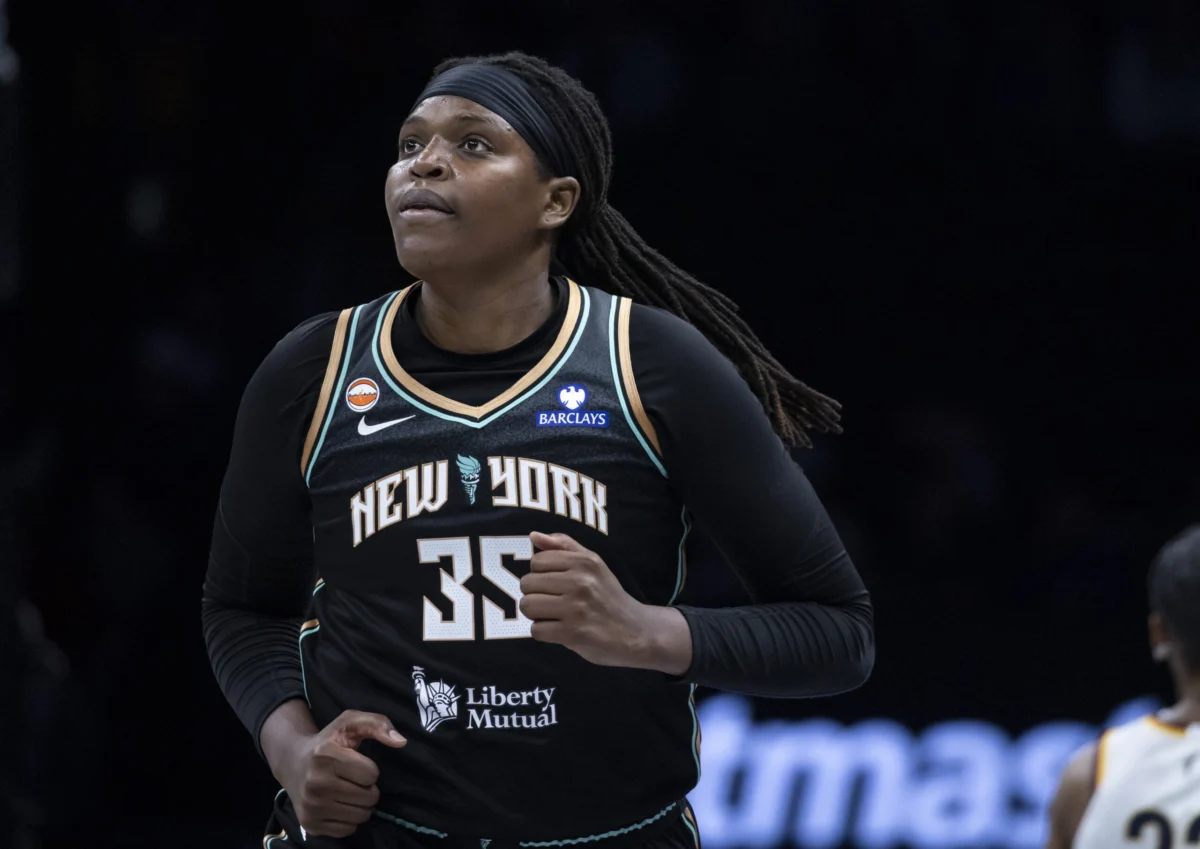
The New York Liberty remain the gold standard for modern WNBA team construction. With a roster featuring Breanna Stewart and Jonquel Jones, the Liberty have maintained their status as championship favorites. Stewart, a multi-time MVP, and Jones, a former MVP herself, represent the pinnacle of athletic achievement. Their visibility as out athletes has made the Liberty a primary destination for the league’s "Pride Night" activations, which in 2025 generated the highest merchandise sales in franchise history.

The Liberty’s international flair is further enhanced by players like Leonie Fiebich and Marine Johannes. The inclusion of international athletes who are also part of the LGBTQ+ community highlights the global nature of the WNBA’s influence. As the league eyes further expansion into European and Asian markets, these players serve as vital ambassadors.
Western Conference: Innovation and Legacy
The Western Conference has been the primary site of the league’s 2026 expansion. The Las Vegas Aces, seeking to maintain their dynasty, rely heavily on the "Point Gawd" Chelsea Gray. Gray, along with Jackie Young and Kierstan Bell, forms the core of a team that has redefined offensive efficiency. The Aces’ organization has been a leader in providing family-focused benefits for players, a crucial development for the many athletes in the league who are raising children with their partners.

The Phoenix Mercury, another Western Conference staple, features the formidable duo of Alyssa Thomas and DeWanna Bonner. Their partnership, both on and off the court, has been a central narrative in the WNBA for several years. In 2026, they are joined by Kahleah Copper, creating a veteran-heavy roster designed for a deep postseason run. The Mercury’s commitment to LGBTQ+ visibility is embedded in the franchise’s DNA, largely due to the legacy of the "X-Factor" fan base which has long been a haven for the queer community in Arizona.
In Los Angeles, the Sparks are navigating a rebuilding phase with a mix of seasoned guards like Erica Wheeler and younger prospects like Kate Martin. Martin, who entered the league with significant fanfare following a storied collegiate career, represents the "new guard" of WNBA players who have been out since their teenage years, reflecting the changing social climate in the United States.

The Expansion Frontiers: Golden State, Toronto, and Portland
The 2026 season marks the inaugural campaigns for the Golden State Valkyries, the Toronto Tempo, and the Portland Fire. These franchises were awarded to their respective cities based on strong local support for women’s sports and a demonstrated commitment to progressive values.
The Golden State Valkyries, playing out of the Chase Center in San Francisco, have quickly become a fan favorite. The roster features Tiffany Hayes and Gabby Williams, two players known for their versatility and high basketball IQ. The Bay Area’s historically strong LGBTQ+ community has embraced the Valkyries, with season ticket sales in the "Castro District" outperforming initial projections by 40%.

The Toronto Tempo represents the WNBA’s first permanent footprint in Canada. Led by Brittney Sykes and Marina Mabrey, the Tempo has focused on an aggressive, fast-paced style of play. The inclusion of Isabelle Harrison and Julie Allemand adds depth and international experience. The Tempo’s arrival has spurred a national conversation in Canada about the importance of professional pathways for women and the visibility of LGBTQ+ role models in the Great White North.
In Portland, the return of the "Fire" brand has been met with nostalgia and excitement. Emily Engstler, a key acquisition for the new franchise, is expected to be the face of the team’s defensive identity. Portland has long been considered one of the most LGBTQ-friendly cities in North America, and the Fire’s marketing strategy has leaned heavily into this, partnering with local queer-owned businesses for arena concessions and merchandise.

The Impact of the 2026 Rookie Class and Unsigned Talent
The 2026 season also highlights the depth of talent currently vying for roster spots. The Dallas Wings have secured some of the most anticipated young talents in the game, including Paige Bueckers and Azzi Fudd. Their transition to the professional ranks is being closely watched by sports analysts and marketing firms alike. Bueckers, in particular, has already secured multi-million dollar NIL (Name, Image, and Likeness) deals that have transitioned into professional endorsements, many of which emphasize her role as a cultural icon for Gen Z.
However, the increased talent pool has led to a highly competitive environment, leaving several notable players as free agents or on the waiver wire. Players such as Jaylyn Sherrod and Sug Sutton remain "on call" for teams dealing with early-season injuries. This surplus of talent has led to renewed calls from the WNBA Players Association (WNBPA) for further expansion and larger roster sizes in the next Collective Bargaining Agreement (CBA).

Data and Economic Implications of Representation
The economic impact of the WNBA’s LGBTQ+ fan base cannot be overstated. Internal league documents from the 2025 season indicated that fans identifying as LGBTQ+ account for approximately 35% of all ticket sales and 45% of digital engagement. The "Gay 4 WNBA" movement, which began as a grassroots social media trend, has evolved into a legitimate consumer category. Merchandise, such as the popular "Gay 4 WNBA" hats and team-specific Pride gear, has become a significant revenue stream.
Statistically, the WNBA remains the most diverse professional sports league in the world. As of the 2026 preseason:

- Approximately 40% of the league’s active players identify as LGBTQ+.
- Every franchise has at least two "out" players on its active roster.
- Over 60% of league-wide community partnerships are directed toward inclusive initiatives, including LGBTQ+ youth sports programs.
Conclusion: A Legacy of Authenticity
As the WNBA moves forward into the 2026 season, the integration of LGBTQ+ identity into the league’s fabric is no longer a point of contention but a point of pride. The 15 teams competing this year are not just playing for a championship trophy; they are participating in a larger cultural movement that values authenticity as much as athletic excellence.
The presence of leaders like Breanna Stewart, Brittney Griner, and Chelsea Gray, alongside the emergence of stars like Paige Bueckers, ensures that the WNBA will continue to be a vanguard for representation. For the fans in Atlanta, Chicago, Toronto, and beyond, the 2026 season offers a vision of professional sports where everyone is welcome, and the "Dream" of equality is part of every game.