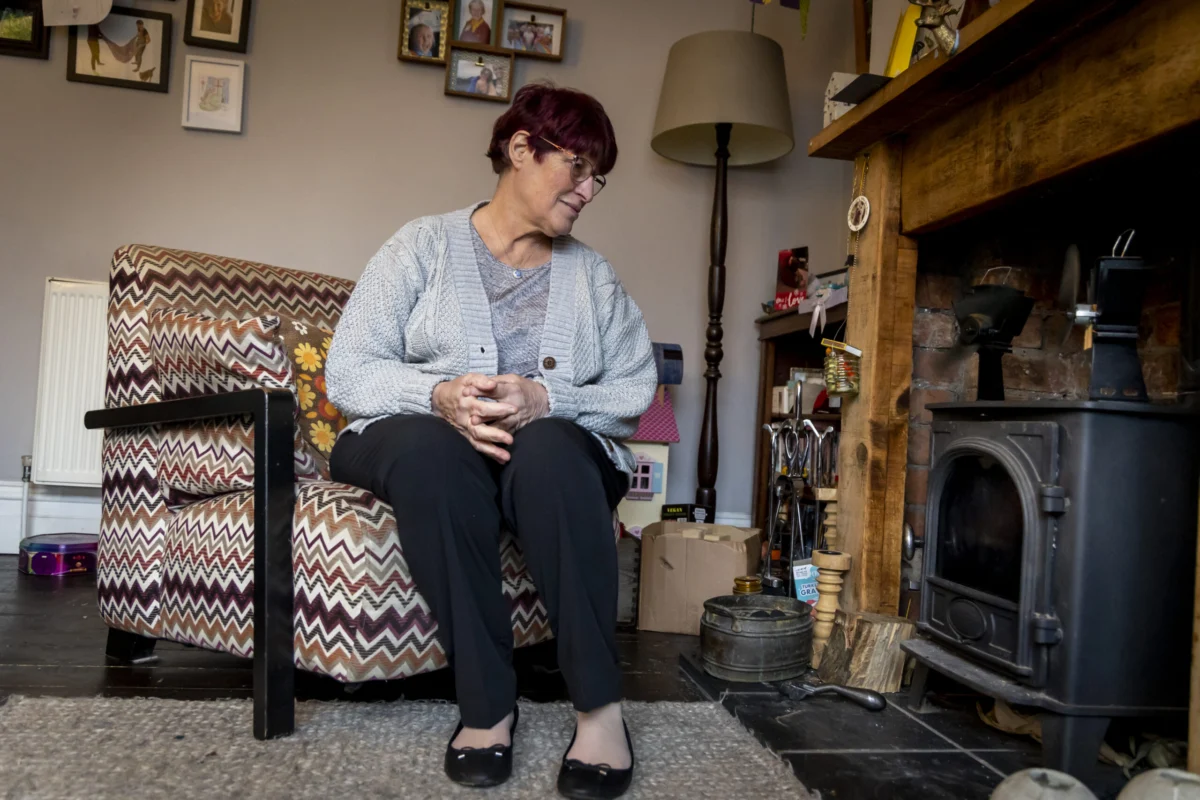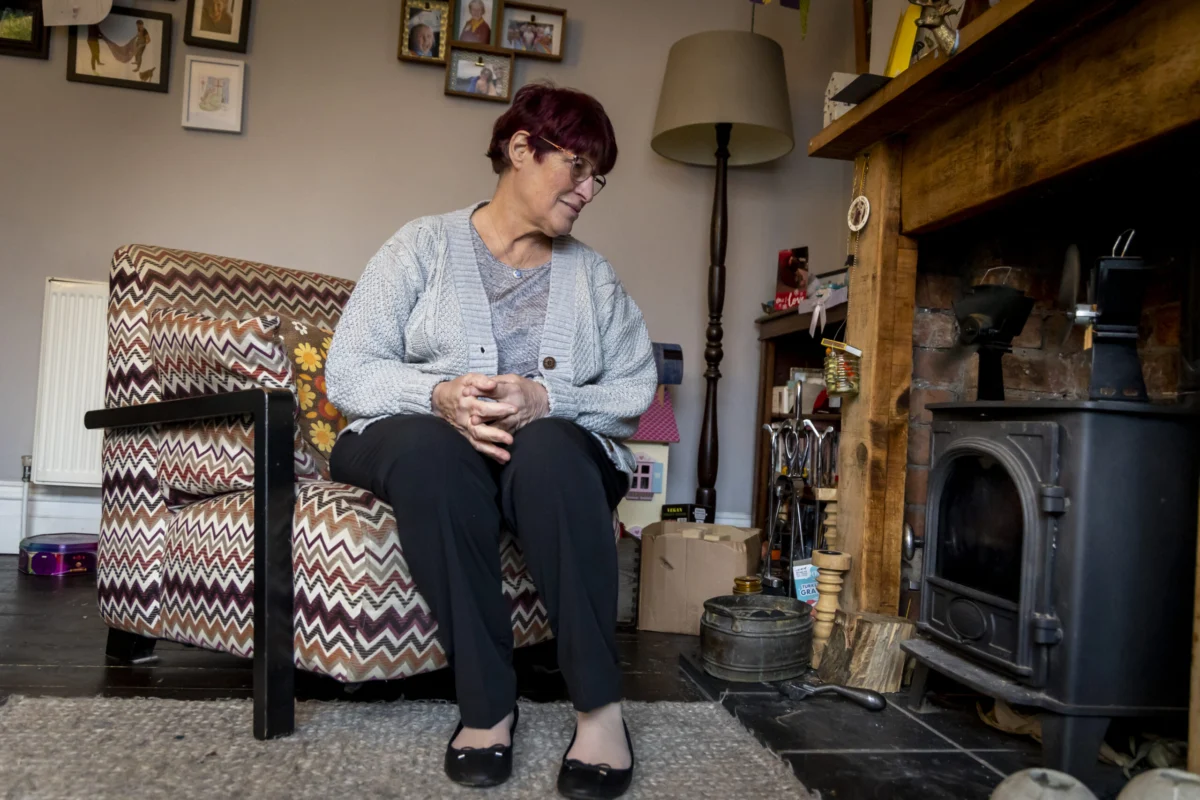
The latest Survey on Income and Living Conditions (SILC) released by the Central Statistics Office (CSO) has revealed a significant and troubling rise in poverty levels among Ireland’s older population, with those living alone bearing the heaviest burden of economic instability. According to the data covering the 2025 period, the risk of income poverty for older individuals living alone surged to 30.3%, representing a 4.4 percentage point increase from the previous year. This figure is nearly two and a half times the national average for income poverty, sparking immediate calls from advocacy groups for a radical shift in how the state supports its aging citizens. Age Action, Ireland’s leading advocacy organization for older people, expressed deep concern over these findings, highlighting that the temporary relief provided by one-off cost-of-living measures has failed to address the structural deficiencies in the national pension and social protection systems.
The Statistical Landscape of Elder Poverty in 2025
The 2025 SILC report provides a granular look at the financial health of Irish households, and the data regarding the over-65 demographic is particularly stark. Income poverty, defined as living on an income below 60% of the national median, now affects nearly one in three older people who live by themselves. This demographic has consistently been identified as one of the most vulnerable in Irish society, but the 2025 jump indicates a worsening trend that outpaces the inflation-adjusted increases in the State Pension.
Beyond income poverty, the report measures "enforced deprivation," a metric that tracks the inability of individuals to afford basic, essential items such as heating, nutritious food, or the replacement of worn-out clothes. The 2025 data shows that 18.3% of older people living alone—nearly one in five—experienced enforced deprivation. For older couples, where at least one person is aged 65 or over, the rate was lower but still significant at 9.8%.
The most severe category, "consistent poverty," which identifies those suffering from both income poverty and enforced deprivation simultaneously, affected 9.8% of older people living alone. This means that approximately one in ten single older adults in Ireland are not only struggling with low cash flow but are also actively going without the basic necessities required to maintain a dignified standard of living.
Chronology of the Crisis: From 2024 to the 2026 Budget
The current crisis did not emerge in a vacuum but is the result of a multi-year convergence of global inflationary pressures and domestic policy choices. In 2024, the Irish government responded to rising energy costs and food inflation with a series of "one-off" payments. These included energy credits, double pension payments, and targeted fuel allowance supplements. Age Action’s analysis suggests these measures were effective in the short term, reducing the poverty risk for older people by approximately 5.9 percentage points during the 2025 period.
However, the timeline of the 2025 and 2026 fiscal years shows a shift in strategy that advocates argue has left many behind:
- Early 2024: High inflation in domestic energy and grocery sectors peaks, prompting the government to issue emergency cost-of-living lump sums.
- Late 2024: Budget 2025 is announced. While it includes some permanent increases to the State Pension, it remains heavily reliant on temporary supports.
- March 2025: CSO data begins to show a widening gap between the "at risk of poverty" threshold and the actual income of pensioners living alone.
- October 2025: Budget 2026 is unveiled. Advocacy groups criticize the budget for failing to transition the temporary "one-off" supports into permanent, indexed increases in the State Pension.
- March 2026: The CSO releases the formal 2025 SILC report, confirming that the expiration of temporary supports has led to the predicted spike in poverty rates.
Camille Loftus, Head of Advocacy and Public Affairs at Age Action, noted that the reliance on temporary measures was a fundamental policy flaw. According to Loftus, while the interventions of 2024 and early 2025 provided a temporary cushion, the failure to implement permanent, targeted measures in Budget 2026 has left older people facing a "growing risk of living in poverty" throughout the remainder of 2026 and beyond.
Understanding Enforced Deprivation and Its Human Impact
To understand the gravity of the 30.3% income poverty rate, it is necessary to examine what enforced deprivation looks like in a modern Irish context. The CSO measures deprivation based on an individual’s inability to afford at least two of eleven essential items. These items include:
- Two pairs of strong shoes.
- A warm waterproof overcoat.
- Buy new (not second-hand) clothes.
- Eat meals with meat, chicken, fish (or vegetarian equivalent) every second day.
- Have a roast joint or its equivalent once a week.
- Keep the home adequately warm.
- Replace any worn-out furniture.
- Have family or friends for a drink or meal once a month.
- Buy presents for family or friends at least once a year.
- Go without heating during the last year through lack of money.
- Meet unexpected expenses of a significant nature.
For the 18.3% of older people living alone experiencing these conditions, the reality often involves choosing between heating a home and purchasing fresh produce. The "Living Alone Allowance," a supplementary payment intended to offset the higher per-capita costs of single-occupancy households (such as standing charges for utilities and home maintenance), has been criticized by NGOs for being insufficient to bridge the gap identified in the 2025 data.

Reactions from Stakeholders and Policy Analysts
The release of the SILC 2025 data has prompted a wave of reactions from across the political and social spectrum. While the government has pointed to the overall strength of the economy and record employment levels, opposition parties and social justice groups argue that the "headline" economic success is masking a deepening divide.
Social justice organizations like Social Justice Ireland and the Society of St. Vincent de Paul (SVP) have echoed Age Action’s concerns. They argue that the "at risk of poverty" threshold has risen due to general wage growth in the private sector, but the State Pension has not kept pace. This "benchmarking" issue is at the heart of the debate; advocates are calling for the State Pension to be set at 34% of average weekly earnings to ensure that older people do not fall further behind the rest of society.
Economists have also weighed in, noting that the "inflationary hangover" from the 2022-2024 period has permanently raised the price floor for essentials. Even as the rate of inflation slows, the cost of living remains significantly higher than it was five years ago. For those on fixed incomes, such as retirees, there is no mechanism to "negotiate" a higher income to match these permanent price increases, unlike workers in the private sector who may receive annual raises.
Broader Implications for Healthcare and Social Services
The rise in elder poverty has implications that extend far beyond the financial sector. Public health experts warn that poverty is a primary social determinant of health. Older people living in "fuel poverty"—unable to adequately heat their homes—are at a significantly higher risk of respiratory illnesses, cardiovascular issues, and falls.
Furthermore, poverty contributes to social isolation. When an older person cannot afford to host a friend for a meal or travel to community events, their social circle shrinks. In Ireland, where rural isolation is already a concern, the financial inability to maintain a vehicle or pay for transport further exacerbates the loneliness epidemic. This, in turn, places a higher burden on the mental health services and the HSE (Health Service Executive), as social isolation is linked to cognitive decline and depression in the elderly.
The data also suggests a looming crisis for the "renting generation" of retirees. While the majority of the current cohort of older people own their homes outright, the 2025 SILC report indicates that those who are renting in the private sector are at an even more extreme risk of poverty. As the percentage of homeowners decreases in younger cohorts, the poverty statistics for future retirees could become even more catastrophic if housing policy is not addressed in tandem with pension reform.
Conclusion and Future Outlook
The findings of the 2025 Survey on Income and Living Conditions serve as a stark reminder that the economic recovery has not been felt equally across all demographics in Ireland. The 30.3% poverty risk for older people living alone is not just a statistic; it represents a systemic failure to protect a population that is largely unable to return to the workforce to supplement their income.
Age Action’s call for Camille Loftus and her team to be heard by policymakers emphasizes a shift from "emergency" governance to "sustainable" governance. The advocacy group maintains that until the government commits to a transparent benchmarking of the State Pension and provides permanent, targeted supports for those living alone, the cycle of deprivation will continue.
As Ireland moves further into 2026, the pressure on the Department of Social Protection to revise its strategy for the next budget cycle will likely intensify. The 2025 data has set a clear benchmark for failure; the challenge now remains whether the state will implement the structural changes necessary to ensure that aging in Ireland does not become synonymous with living in poverty. With a general election on the horizon, the "grey vote" and the issues of pension adequacy and the cost of living are expected to be at the forefront of the national political discourse.