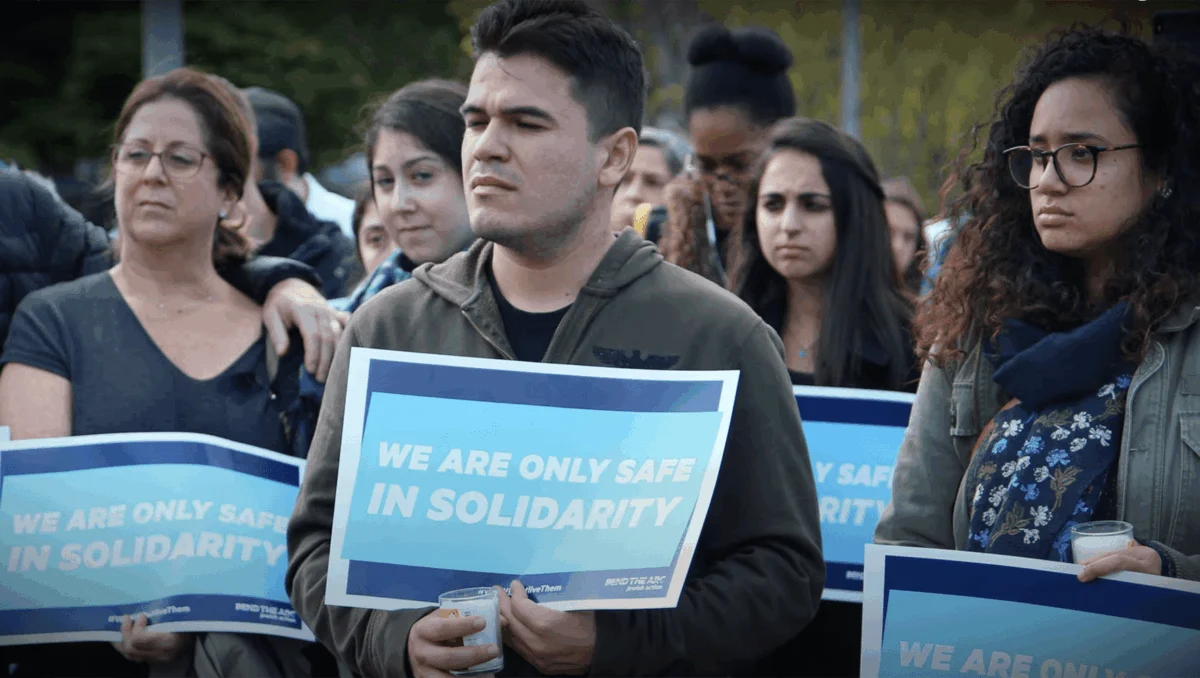
The United States and the global community are grappling with a disturbing surge in misinformation and conspiracy theories targeting immigrants, with the "Great Replacement Theory" emerging as a particularly virulent and dangerous ideology. This insidious narrative falsely claims a deliberate plot to undermine and replace white populations in Western countries with non-white immigrants. Far from remaining confined to fringe online spaces, this theory has infiltrated mainstream political discourse, inspired acts of horrific violence, and is now being leveraged to justify draconian immigration policies. This in-depth analysis explores the origins, manifestations, and devastating consequences of the Great Replacement Theory, and its direct impact on organizations like HIAS, the oldest refugee agency in the world.
The Genesis and Evolution of a Hateful Ideology
The roots of the Great Replacement Theory are deeply embedded in centuries of racism and antisemitism. While the term itself was popularized in 2011 by French author Renaud Camus in his book Le Grand Replacement, the underlying concepts have a much longer and darker history. Camus posited that "elites" within the French government were facilitating Muslim immigration to dilute France’s white, Christian identity and population. However, this idea echoes earlier anxieties and discriminatory practices.
In the late 19th century, prominent French journalists propagated the notion that Jews were orchestrating the "destruction" of French culture. This sentiment resonated with the burgeoning eugenics movement in the United States, which, driven by pseudoscientific theories of racial hierarchy, sought to control and sterilize Black populations under the guise of population control. Throughout American history, Jewish immigration, in particular, was frequently framed by politicians as an "invasion" to stoke fear and animosity.
The modern iteration of the Great Replacement Theory in the United States has more explicitly identified Jewish people as the alleged orchestrators of this supposed demographic shift, while casting non-white immigrants as the "invaders." This dual targeting of Jews and immigrants highlights the interconnected nature of antisemitism and xenophobia within this conspiracy.
Manifestations of Violence and Political Entrenchment
The transition of the Great Replacement Theory from obscure online forums to the public sphere has been marked by a tragic escalation of violence. The theory directly inspired the 2017 "Unite the Right" rally in Charlottesville, Virginia, where white supremacists and neo-Nazis marched, chanting antisemitic slogans such as "Jews will not replace us." This demonstration, which resulted in the death of counter-protester Heather Heyer, served as a stark warning of the theory’s real-world impact.
The violence escalated in October 2018 when a white supremacist, fueled by online screeds accusing HIAS of facilitating the migration of "hostile invaders," entered the Tree of Life synagogue in Pittsburgh, Pennsylvania, and murdered 11 congregants. This attack was a chilling indictment of how the Great Replacement Theory, with its antisemitic underpinnings, can incite deadly acts of terrorism. The perpetrator’s targeting of the synagogue was partly due to its participation in HIAS’s Refugee Shabbat program, demonstrating a direct linkage between the conspiracy and hostility towards organizations aiding refugees.
In the years since, the theory’s influence has continued to spread:
- 2019 California Synagogue Shooting: A gunman attacked a Chabad center in Poway, California, killing one person and injuring others. He had accused Jews of "destroying the white race," echoing the core tenets of the Great Replacement Theory.
- 2019 El Paso Walmart Shooting: The perpetrator of the massacre that killed 23 people in El Paso, Texas, was explicitly inspired by the Great Replacement Theory, targeting Hispanic individuals in a deliberate act of anti-immigrant terror.
- 2022 Buffalo Supermarket Shooting: A gunman murdered 10 people in a predominantly Black neighborhood of Buffalo, New York. His manifesto revealed his belief in the Great Replacement Theory, citing it as a primary motivation for the attack.
Beyond these horrific acts of violence, the rhetoric of "invasion" associated with the Great Replacement Theory has become a pervasive element of anti-immigration discourse. This language has seeped into political campaigns and policy debates, contributing to a climate of fear and dehumanization.
Political Adoption and Policy Implications
The Great Replacement Theory is no longer confined to the fringes; it has been amplified on significant political platforms. Xenophobic politicians and media figures frequently employ the "invasion" trope, framing immigration as an existential threat to national identity and security. This rhetoric has directly influenced policy decisions, particularly under the Trump administration, which embraced a hardline anti-immigrant agenda.
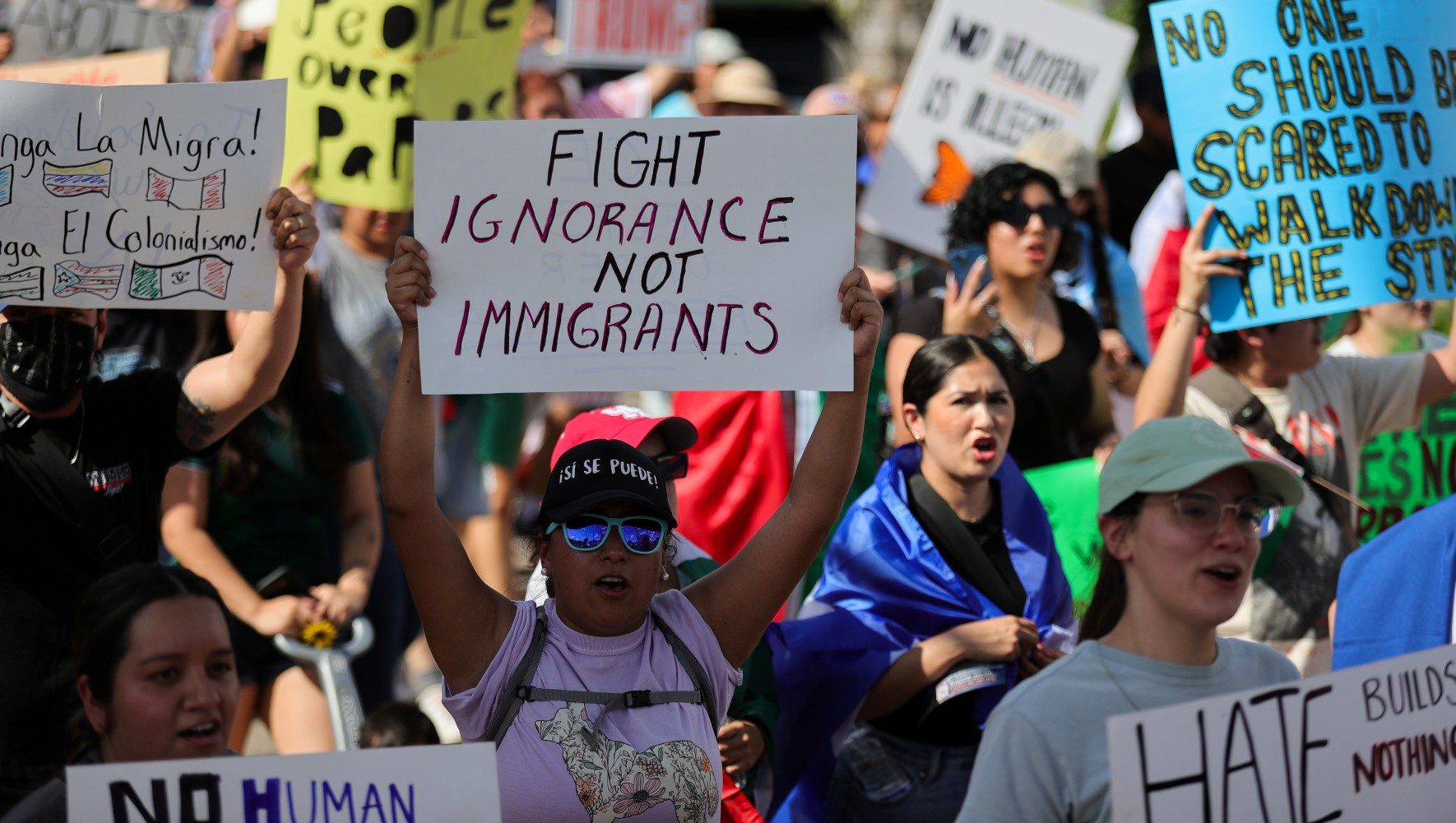
The concept of "remigration," a euphemism for the forced deportation of non-white individuals from Western countries, gained traction. Since January 2025, the administration has implemented mass deportation policies, leading to the removal of hundreds of thousands of immigrants. These policies, often justified by replacement rhetoric, have been criticized for their devastating impact on families, communities, and the broader social and economic fabric of the United States. The narrative that immigrants pose a threat to the existing population and are responsible for economic woes and increased crime rates is a direct consequence of the widespread adoption of this conspiratorial ideology.
Furthermore, the notion that migrants are arriving to commit widespread voter fraud is a pernicious falsehood directly linked to the replacement narrative. This misinformation erodes democratic processes and fuels further distrust and division.
The Impact on HIAS and the Fight Against Misinformation
HIAS, as an organization dedicated to assisting refugees and displaced persons, has become a frequent target of those promoting the Great Replacement Theory. White nationalist media figures and influencers have deliberately spread false information about HIAS’s operations, seeking to advance their xenophobic, antisemitic, and racist agendas, often for financial gain. They have accused HIAS of orchestrating or facilitating the very "invasion" they claim to oppose.
This deliberate targeting is not new. The perpetrator of the Tree of Life synagogue massacre specifically accused HIAS of bringing "hostile invaders" into the country. This highlights how the theory weaponizes the work of humanitarian organizations, twisting their mission of aid and compassion into an alleged conspiracy against a perceived dominant group.
In response to these attacks, HIAS has consistently worked to counter the dangerous smears with factual information. For over 120 years, the organization’s work has been guided by core values of welcome, empathy, and the belief that every individual deserves dignity and kindness. HIAS maintains that it will not be deterred by hatred and continues its vital mission to support refugees and immigrants worldwide.
Data and Context: A Decade of Escalating Fear
The rise of the Great Replacement Theory is not an isolated phenomenon but part of a broader trend of increasing anti-immigrant sentiment and the weaponization of conspiracy theories. Data from various sources paint a stark picture:
- Antisemitic Incidents: Reports indicate a significant and alarming rise in antisemitic incidents globally. In 2025, for example, antisemitic violence resulted in the highest number of Jewish fatalities in three decades, underscoring the direct link between hateful ideologies and real-world harm.
- Political Rhetoric: Analysis of political advertising and public statements has shown a marked increase in the use of "invasion" rhetoric concerning immigration, particularly in the lead-up to major elections. This language is demonstrably correlated with spikes in anti-immigrant sentiment and hate crimes.
- Social Media Amplification: Conspiracy theories, including the Great Replacement Theory, have found fertile ground on social media platforms. Algorithmic amplification and the spread of misinformation online have allowed these dangerous ideas to reach a wider audience and gain traction among susceptible individuals.
- Policy Impact: The adoption of "remigration" policies and mass deportations, while framed as immigration enforcement, are directly influenced by the conspiratorial thinking that immigrants are an unwelcome and dangerous demographic shift. The social and economic consequences of these large-scale deportations are significant, disrupting families and economies and causing immense human suffering.
The Broader Implications: Erosion of Trust and Societal Division
The pervasive influence of the Great Replacement Theory poses a profound threat to democratic societies. It erodes trust in institutions, fuels social division, and dehumanizes entire groups of people. By creating a false narrative of an existential threat, it provides a justification for discrimination, violence, and the erosion of fundamental human rights.
The theory’s success lies in its ability to tap into pre-existing anxieties about social change, economic insecurity, and cultural identity. However, instead of addressing these legitimate concerns through constructive dialogue and policy, it offers a scapegoat, diverting attention from systemic issues and fostering a climate of fear and animosity.
The fight against the Great Replacement Theory requires a multi-pronged approach. It demands robust fact-checking and media literacy initiatives to combat misinformation, strong condemnation from political leaders and public figures, and a commitment to upholding the principles of human dignity and inclusion. Organizations like HIAS play a crucial role in this fight, not only by providing essential services to those in need but also by serving as a bulwark against the tides of hatred and conspiracy. The persistence of this dangerous ideology serves as a stark reminder that the work of advocating for refugees, promoting empathy, and combating prejudice is more critical now than ever before.