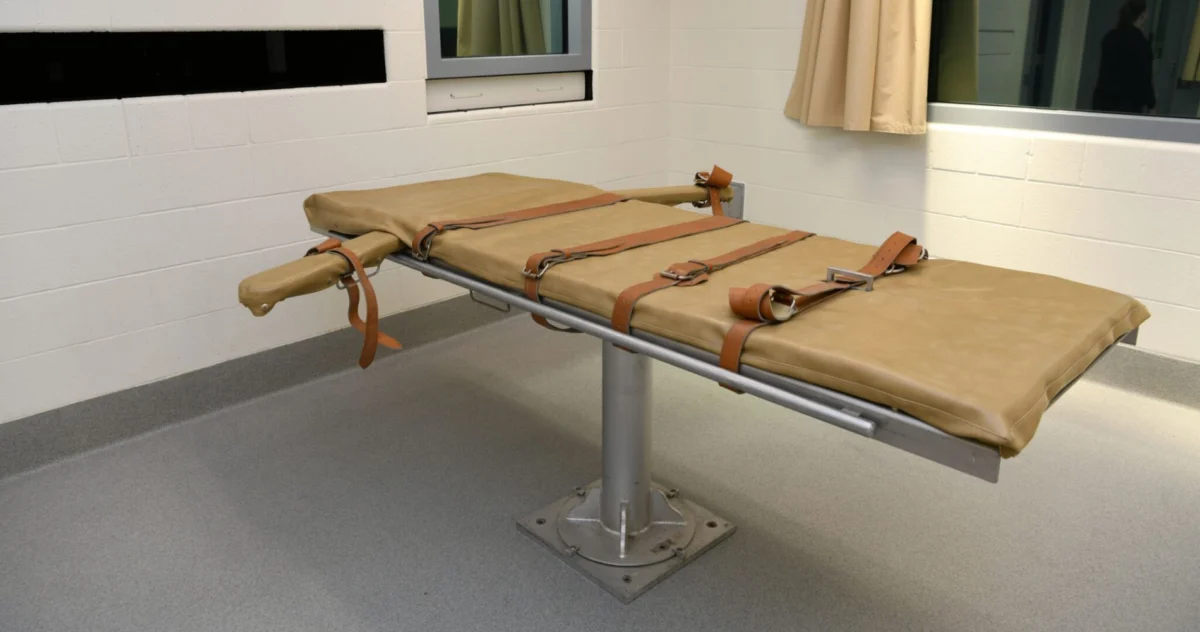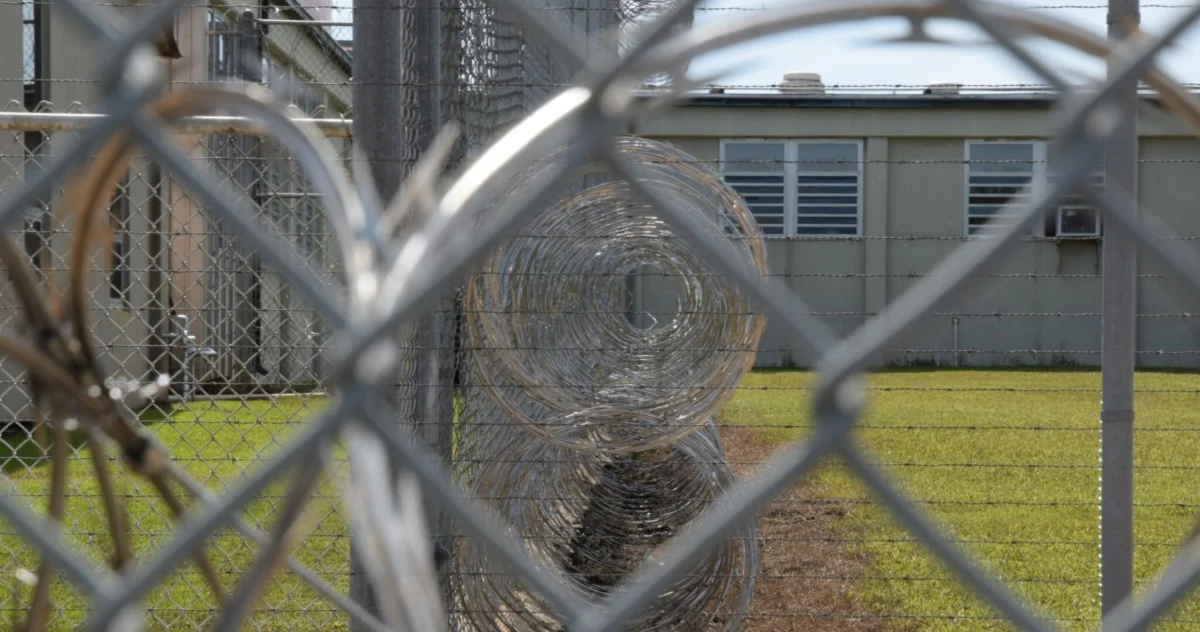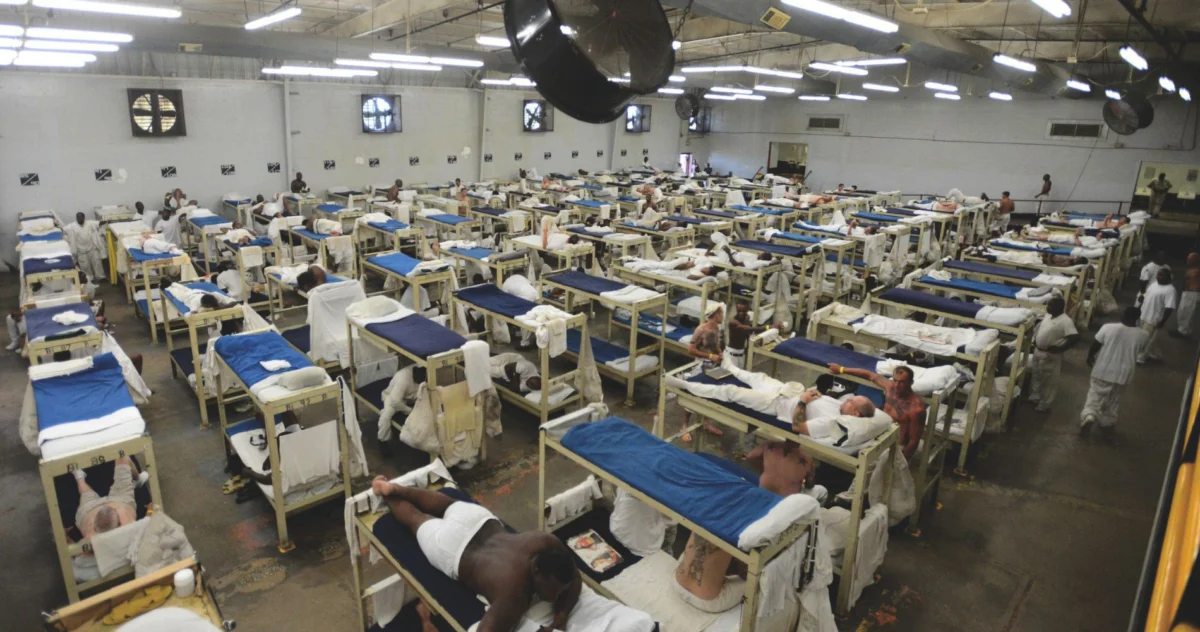
The United States continues to hold the unenviable distinction of possessing the highest incarceration rate among all independent democracies globally, while also leading the world in the sheer number of people it incarcerates. Latest data reveals that nearly two million individuals are currently confined within the U.S. carceral system, a massive population that incurs an annual cost exceeding $445 billion, significantly escalating from previous expenditures and placing an immense economic and social burden on the nation. This expansive system, comprising a vast network of facilities from state prisons to local jails and immigration detention centers, impacts millions of families and communities, perpetuating cycles of poverty and disadvantage, and raising profound questions about the efficacy and ethics of American justice.
The Scale of Incarceration: A Global Anomaly
According to the Prison Policy Initiative’s (PPI) 2026 report, a staggering 1,973,000 people are incarcerated across the United States. This figure encompasses individuals held in a complex web of 1,566 state prisons, 98 federal prisons, 3,116 local jails, 1,277 juvenile correctional facilities, 220 immigration detention facilities, and 77 Indian country jails. Beyond these primary categories, the incarcerated population also extends to military prisons, civil commitment centers, state psychiatric hospitals, and correctional facilities in U.S. territories. This diverse and decentralized system contributes to the overall complexity and opacity of the nation’s carceral landscape.
Globally, the U.S. stands alone in its total prison population. China, with 1.69 million prisoners (excluding unknown numbers in pre-trial and other forms of detention), follows distantly, according to the World Prison Brief from the Institute for Crime & Justice Policy Research. Other populous nations like Brazil (909,067), India (511,542), and Turkey (420,798) also lag far behind the U.S. figures, underscoring the exceptional scale of American incarceration.
Furthermore, the U.S. maintains an incarceration rate of 580 per 100,000 residents, a rate higher than any other independent democracy. On a per capita basis, only El Salvador, Cuba, and Turkmenistan incarcerate more people worldwide. This distinction is particularly stark when considering that El Salvador, a nation often cited for its extreme measures against gang violence, currently holds the world’s highest incarceration rate. Yet, a deeper analysis reveals that the problem within the U.S. is even more acute at the state level.
U.S. States Outpace Most Nations in Incarceration Rates
A critical finding from PPI’s 2024 analysis highlights that individual U.S. states often incarcerate more people per capita than entire nations. By treating each state as an independent country, researchers determined that the incarceration rates of 24 U.S. states, along with El Salvador, Cuba, and Rwanda, surpass the overall U.S. nationwide rate. This finding underscores the profound disparities within the American justice system and the severity of punitive measures adopted in various jurisdictions.
Even more striking is the fact that among the world’s top ten highest incarceration rates, nine are found within U.S. states, with only El Salvador ranking higher. A vast majority of these states are located in the American South, a region historically marked by stringent criminal justice policies and deep-seated social inequalities. This geographic concentration points to potential regional factors, including historical legacies, legislative approaches, and socio-economic conditions, that contribute to elevated incarceration levels.
The scale of the issue is further illustrated by comparing even the "least" punitive U.S. states to other countries. Massachusetts, which boasts the lowest incarceration rate among U.S. states, would still rank as the 30th highest incarcerating nation globally if it were an independent country. Its rate surpasses that of Iran, Colombia, and all the founding NATO nations, a testament to the pervasive and extreme nature of incarceration across the entire American landscape. This demonstrates that the issue is not confined to a few outlier states but is deeply embedded in the national approach to crime and punishment.
The Economic Burden: Billions Diverted Annually
The financial implications of mass incarceration are staggering. The annual cost to incarcerate nearly two million people across America now amounts to at least $445 billion, as detailed in the PPI report. This represents a dramatic increase from previous expenditures, more than five times the $87 billion spent on jails and prisons in 2015. This exponential growth in spending reflects not only the rising number of incarcerated individuals but also the increasing operational costs associated with maintaining a vast and complex carceral infrastructure.
This astronomical sum represents a significant diversion of public funds that could otherwise be invested in education, healthcare, infrastructure, mental health services, and community development initiatives. For context, $445 billion could fund universal pre-kindergarten for every child in America, provide tuition-free college education, or make substantial strides in addressing homelessness and poverty. The decision to allocate such vast resources to carceral systems implicitly prioritizes punishment and confinement over prevention and social investment, raising questions about the long-term societal returns on such expenditures. Economists and policy analysts often point to the opportunity cost of these investments, arguing that a more holistic approach focusing on root causes of crime and rehabilitation could yield greater societal benefits at a lower financial outlay.
Historical Context: The Rise of Mass Incarceration
The current state of mass incarceration in the U.S. is not an anomaly but the culmination of several decades of policy shifts and societal trends. While the U.S. has always had a higher incarceration rate than many European nations, a dramatic surge began in the 1970s and accelerated through the 1980s and 1990s. This period saw the advent of the "War on Drugs" under President Nixon, which intensified under subsequent administrations, leading to stricter sentencing for drug-related offenses.
Key legislative changes played a pivotal role. Mandatory minimum sentencing laws, "three-strikes" laws, and truth-in-sentencing mandates significantly reduced judicial discretion and increased the length of prison terms. These policies were often driven by a "tough on crime" political rhetoric that promised increased public safety through harsher penalties. The expansion of the private prison industry also contributed to the growth, with private companies often lobbying for policies that ensured a steady stream of incarcerated individuals.
During this era, there was also a notable increase in policing in urban and low-income communities, often leading to higher arrest rates for minor offenses. Racial disparities in arrests, sentencing, and incarceration became more pronounced, with Black and Hispanic individuals disproportionately affected by these policies. The incarceration rate for Black men, for instance, soared to levels significantly higher than that of white men, reflecting systemic biases and the concentrated impact of punitive measures on specific demographic groups. This historical trajectory illustrates a deliberate policy choice that prioritized punitive measures over rehabilitative or preventative strategies, leading directly to the current crisis.
Profound Social and Human Costs: The Ripple Effect
Beyond the economic toll, mass incarceration inflicts devastating social and human costs that ripple through families and communities for generations. Research indicates that half of all Americans have had an immediate family member incarcerated, highlighting the pervasive reach of the carceral system into everyday life.
The impact on children is particularly acute and heartbreaking. On any given day in America, an estimated 2.7 million children have a parent in prison or jail, according to The Sentencing Project. Even more broadly, over 5.2 million children have experienced the incarceration of a parent at some point during their childhoods. Parental incarceration often leads to significant trauma for children, including emotional distress, behavioral problems, academic difficulties, and increased risk of future involvement with the criminal justice system. It can disrupt family structures, sever crucial bonds, and plunge families into deeper poverty due to the loss of a primary caregiver or financial provider.
Communities of color are disproportionately affected by these social costs. Decades of discriminatory policing and sentencing practices have resulted in the mass incarceration of Black and Hispanic individuals, leading to the destabilization of families and communities in urban and rural areas alike. This creates a cycle where poverty, lack of opportunity, and criminal justice involvement become intergenerational challenges, undermining social cohesion and economic mobility. The societal implications extend to public health, as incarcerated individuals often return to their communities with untreated physical and mental health issues, further straining local resources.
Advocacy and the Call for Reform
The sobering statistics and profound implications of mass incarceration have spurred widespread calls for comprehensive criminal justice reform from a diverse coalition of advocacy groups, policymakers, and affected communities. Organizations like the Prison Policy Initiative, the Equal Justice Initiative (EJI), and The Sentencing Project are at the forefront of these efforts, pushing for evidence-based policies that prioritize rehabilitation, reduce recidivism, and address systemic inequalities.
Advocates highlight several key areas for reform:
- Sentencing Reform: Reducing mandatory minimum sentences, revising drug laws, and increasing judicial discretion to allow for more individualized and proportionate sentences.
- Alternatives to Incarceration: Expanding diversion programs, community-based treatment for substance abuse and mental health issues, and restorative justice initiatives that focus on repairing harm rather than solely on punishment.
- Reentry Programs: Providing robust support for individuals transitioning from incarceration back into society, including housing assistance, job training, education, and healthcare access, to reduce recidivism.
- Addressing Racial Disparities: Implementing policies that combat racial bias in policing, prosecution, and sentencing, and investing in communities disproportionately affected by mass incarceration.
- Fiscal Responsibility: Reallocating funds from incarceration to preventative social services and community-based solutions, arguing that such investments are more effective and humane in the long run.
While there have been some bipartisan efforts at reform, such as the federal First Step Act, which retroactively applied sentencing reductions and expanded rehabilitative programs, progress remains slow and uneven. Many state-level reforms have also been enacted, but the sheer scale of the problem suggests that more fundamental and systemic changes are required to genuinely alter the trajectory of U.S. incarceration. The debate continues regarding how to balance public safety concerns with the imperatives of justice, equity, and rehabilitation in a nation grappling with the legacy of its punitive past.
Conclusion: A Defining Challenge for American Justice
The United States’ continued status as the world leader in incarceration, both in total numbers and per capita among democracies, represents a defining challenge for its justice system and broader societal values. The nearly two million people currently confined, the staggering annual cost exceeding $445 billion, and the profound social and human toll on families and communities underscore a system in urgent need of reevaluation. From the historical policies that fueled its growth to the disproportionate impact on marginalized populations, mass incarceration is a complex issue with deep roots. Addressing this crisis requires a multi-faceted approach that moves beyond punitive rhetoric towards evidence-based strategies focused on prevention, rehabilitation, and the fundamental principles of justice and human dignity. The path forward demands not just incremental changes but a comprehensive reimagining of what justice means in America and how it can be achieved in a manner that is both effective and equitable.