Cultural Survival has officially announced the opening of applications for its prestigious 2026 Indigenous Journalism Fellowship and Arts Residency Program. This dual initiative aims to empower Indigenous storytellers and communicators to address the escalating environmental crises that pose an existential threat to their ancestral lands and vital resources. The Journalism Fellowship offers a significant financial award of up to $5,000 USD, coupled with invaluable professional mentorship, to foster rigorous investigative reporting and compelling narratives.
The program’s scope has been broadened for the 2026 cycle, actively seeking Indigenous journalists from the Americas, Africa, and Asia. These selected fellows will be tasked with producing in-depth investigative reports that meticulously document the multifaceted impacts of climate change, the increasing frequency and severity of natural disasters, and the escalating global demand for transition minerals on Indigenous communities worldwide. By embracing diverse media formats, from written journalism and documentary filmmaking to radio broadcasts and digital storytelling, the fellows will work to highlight community-led solutions and champion equitable, sustainable change. This effort is crucial in strengthening the interconnected global network of Indigenous broadcasters and communicators, ensuring that their perspectives are central to international dialogues on environmental justice and resource management.
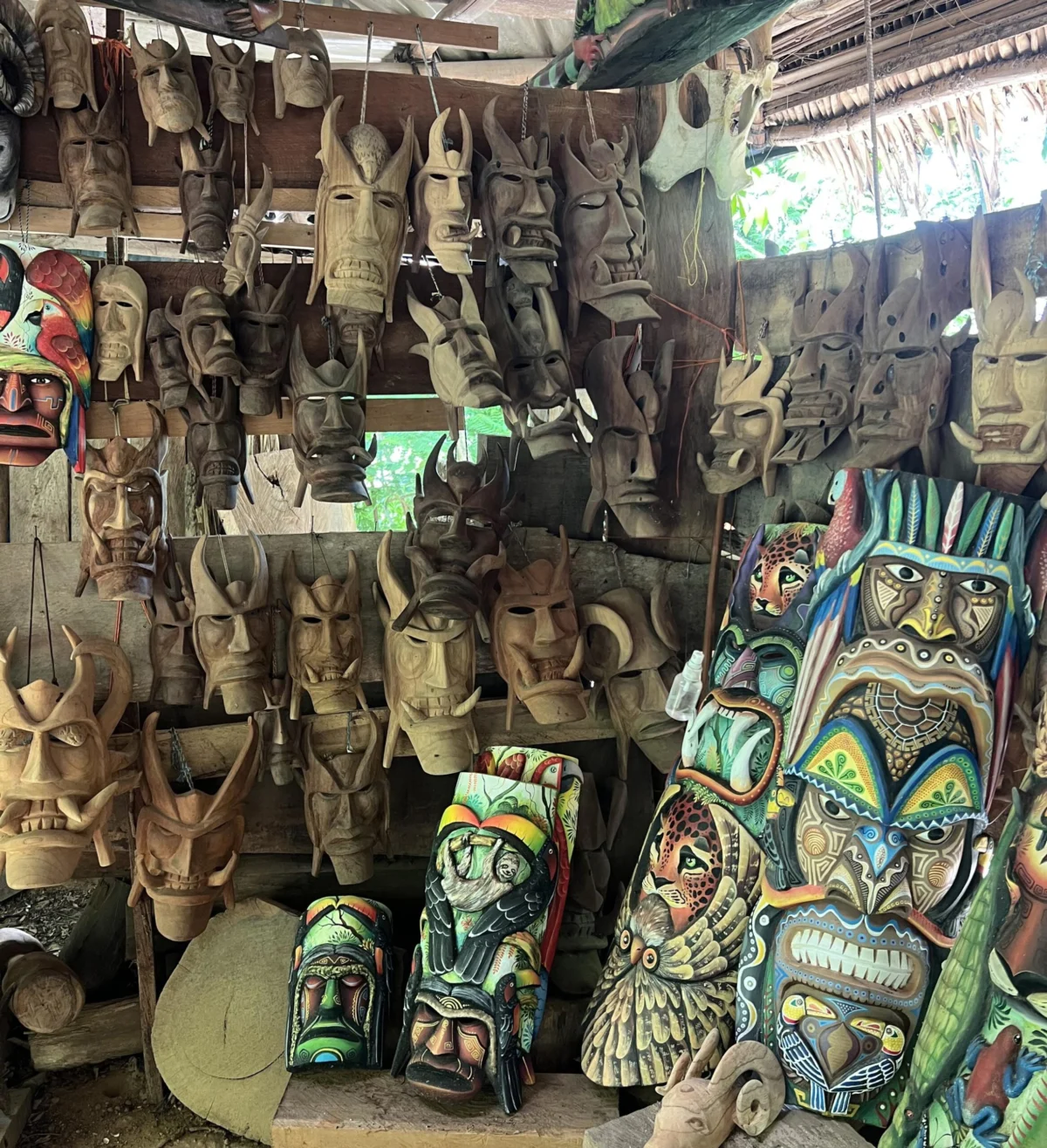
Complementing the Journalism Fellowship is the Arts Residency Program, a strategic pilot initiative first launched by Cultural Survival in 2022. This program is designed to significantly advance the visibility and vitality of Indigenous knowledge systems through artistic expression. It provides dedicated financial support to Indigenous writers and artists, enabling them to amplify their unique narratives across a spectrum of visual and literary forms. The residency underscores the profound role of storytelling as a powerful vehicle for cultural continuity, self-determination, and the preservation of traditional wisdom in an era of rapid global change.
During the 2023-2024 fellowship cycle, four writers benefited from the Arts Residency, producing a diverse body of work that resonated with themes of cultural resilience and environmental stewardship. In the current cycle, two writers have been selected to embark on a six-month residency. These artists will dedicate their time to intensive creative work and community engagement activities specifically designed to strengthen Indigenous media ecosystems. Cultural Survival has expressed a strong commitment to securing additional funding to expand this vital initiative, with the ultimate goal of extending its reach to Indigenous creators in an even wider array of regions. The organization views these programs not merely as funding opportunities, but as essential investments in the future of Indigenous representation and environmental advocacy.
The Urgency of Indigenous Storytelling in a Changing World
The launch of the 2026 fellowship and residency programs arrives at a critical juncture. Indigenous communities, who are often the frontline stewards of biodiversity and possess invaluable traditional ecological knowledge, are disproportionately affected by environmental degradation. Data from the Intergovernmental Panel on Climate Change (IPCC) consistently highlights that Indigenous Peoples are among the most vulnerable populations to the impacts of climate change, facing threats to their food security, water resources, cultural practices, and overall well-being. For instance, rising sea levels threaten coastal Indigenous communities, while altered weather patterns disrupt traditional agricultural and hunting practices in many regions.
The increasing global demand for "transition minerals"—such as lithium, cobalt, and nickel, essential for renewable energy technologies like electric vehicle batteries and wind turbines—presents a new set of challenges. While vital for decarbonization efforts, the extraction of these minerals often occurs on or near Indigenous territories, leading to land disputes, environmental pollution, and the disruption of sacred sites and traditional livelihoods. Reports from organizations like the United Nations Permanent Forum on Indigenous Issues have documented numerous cases where mining projects have proceeded without the Free, Prior, and Informed Consent (FPIC) of Indigenous communities, leading to significant social and environmental conflicts.
A Legacy of Support and Amplification
Cultural Survival, a long-standing advocate for Indigenous Peoples’ rights and cultures, has a proven track record of supporting Indigenous-led initiatives. Founded in 1972, the organization has consistently worked to protect Indigenous cultures and promote their self-determination by supporting Indigenous peoples’ rights to their lands, cultures, and languages. The Journalism Fellowship and Arts Residency Programs are direct extensions of this mission, recognizing that effective communication and artistic expression are powerful tools for cultural preservation, advocacy, and societal change.
The Journalism Fellowship, in particular, builds upon a history of supporting Indigenous media. For decades, Indigenous broadcasters and communicators have played a crucial role in sharing news, preserving languages, and fostering cultural pride within their communities. This fellowship aims to empower these voices with the resources and training needed to tackle complex issues with greater depth and reach a wider international audience. By focusing on investigative reporting, the program seeks to bring critical, often overlooked, stories to light, holding powerful industries and governments accountable for their environmental impacts.
The Arts Residency Program, though newer, has quickly demonstrated its value. In the 2023-2024 cycle, supported writers produced works that explored themes ranging from the impact of deforestation on traditional healing practices to the resilience of Indigenous languages in the face of globalization. The program’s pilot phase has laid a strong foundation for its future growth, proving that artistic creation can be a potent form of cultural expression and a vital component of Indigenous advocacy. The commitment to securing additional support for this program signals a strategic investment in the long-term visibility and vitality of Indigenous arts and knowledge.
Fostering a Global Network of Indigenous Voices
The geographical reach of the 2026 Journalism Fellowship—encompassing the Americas, Africa, and Asia—is a deliberate choice to foster a truly global network of Indigenous communicators. This inclusive approach acknowledges that the challenges faced by Indigenous communities are interconnected, transcending geographical boundaries. Climate change, resource extraction, and the erosion of cultural practices are universal concerns for Indigenous Peoples worldwide. By bringing together journalists and artists from diverse backgrounds, Cultural Survival aims to facilitate cross-cultural learning, shared strategies, and collaborative action.
This initiative is more than just a funding opportunity; it is an investment in strengthening the infrastructure of Indigenous media. In many parts of the world, Indigenous media outlets operate with limited resources and face significant challenges in reaching mainstream audiences. The fellowship and residency programs provide not only financial support but also the professional development and networking opportunities necessary for these communicators to thrive. By elevating their work, Cultural Survival hopes to inspire a broader understanding and appreciation of Indigenous perspectives on environmental stewardship, human rights, and sustainable development.
The Power of Storytelling for Advocacy and Change
The core philosophy behind both programs is the profound power of storytelling. Whether through investigative journalism that uncovers systemic injustices or through artistic expressions that convey deep cultural truths, narratives are essential for shaping public perception, influencing policy, and driving meaningful change. Indigenous storytellers possess a unique vantage point, drawing from generations of accumulated wisdom and intimate knowledge of their lands. Their voices are crucial in reframing the global conversation around environmental issues, moving beyond abstract data to illustrate the human and ecological consequences of unsustainable practices.
The fellows and residents are tasked with not only documenting problems but also highlighting solutions. This emphasis on community-led initiatives and traditional knowledge is critical. It challenges the dominant paradigm that often positions Indigenous communities as passive victims of environmental change and instead recognizes them as active agents of conservation and sustainable development. By showcasing successful models and innovative approaches developed within Indigenous communities, these programs aim to inspire similar efforts elsewhere and advocate for policies that respect Indigenous rights and knowledge.
Looking Ahead: Expanding Reach and Impact
Cultural Survival’s commitment to expanding the Arts Residency Program is a testament to its vision for the future. The organization recognizes that the demand for such support among Indigenous creators is immense. Securing additional funding will allow for more artists to participate, potentially increasing the duration of residencies and enabling more in-depth project development. Furthermore, the ambition to extend the program’s reach to other regions signifies a dedication to inclusivity and a recognition of the diverse artistic expressions and knowledge systems that exist within Indigenous communities globally.
The launch of the 2026 Indigenous Journalism Fellowship and Arts Residency Program represents a vital step forward in amplifying Indigenous voices on critical global issues. By investing in the skills, resources, and platforms of Indigenous storytellers and artists, Cultural Survival is not only supporting individual creators but also contributing to the broader movement for environmental justice, cultural preservation, and the self-determination of Indigenous Peoples worldwide. The stories that emerge from these programs are expected to inform, inspire, and catalyze action, fostering a more equitable and sustainable future for all. The organization encourages eligible Indigenous journalists and artists to explore the application details and consider this significant opportunity to contribute their unique perspectives to the global discourse.