Since 2012, World Education, an initiative under the John Snow Inc. (JSI) umbrella, has been at the forefront of a multifaceted mission to transform the educational landscape of Côte d’Ivoire. By targeting the intersection of agricultural labor and primary education, the organization has spearheaded the CocoaLife Quality Education Project, a strategic partnership funded by Mondelez International. This initiative addresses the systemic vulnerabilities inherent in cocoa-producing regions, where the demand for seasonal labor often competes with the academic needs of school-aged children. Ferdinand Beblai, the Country Director for JSI Côte d’Ivoire, recently provided an in-depth analysis of the project’s progress, highlighting the critical role of community-led governance in fostering sustainable educational environments.
The challenges facing Côte d’Ivoire’s education sector are deeply rooted in the socio-economic fabric of the country, which remains the world’s largest producer of cocoa. While the industry is a cornerstone of the national economy, its reliance on smallholder farms creates a volatile environment for children. According to Beblai, the primary obstacle is not merely the lack of enrollment, but the high rate of absenteeism and eventual dropout. In cocoa-producing communities, the harvest cycle dictates the family’s economic survival. Consequently, parents often find themselves compelled to pull their children out of classrooms to assist in the fields. This disruption creates a cascade of academic failure; children who return to school late in the term struggle to catch up, leading to poor grades and grade repetition.
The Statistical Reality of Educational Stagnation
To understand the scale of the crisis, one must look at the national data provided by UNICEF and the Ivorian government. Statistics from 2021 indicate that more than 15% of primary-level students in Côte d’Ivoire repeat a grade annually. This figure, while alarming at a national level, often underrepresents the severity of the situation in rural agricultural zones. When children are involved in labor, their cognitive focus shifts away from literacy and numeracy. The resulting poor academic performance often leads to expulsion or voluntary withdrawal, as parents may perceive no long-term value in an education that does not yield immediate results.
Furthermore, the physical infrastructure of rural schools poses a significant risk to student safety. In many remote areas, schools are constructed from ephemeral materials such as wood and straw. These structures are highly susceptible to the increasing frequency of extreme weather events, including heavy tropical rains and high winds. When a school building is destroyed or rendered unsafe, the educational process halts entirely, further entrenching the cycle of poverty and labor.
Strengthening Local Governance through the COGES Model
The pivot toward sustainable change began with the strengthening of the Comité de Gestion Établissement Scolaire (COGES), or School Management Committees. Established by the Ivorian government, these committees are designed to bring together local stakeholders—including parents, teachers, and community leaders—to manage school resources. However, for years, many COGES units existed only in name, lacking the funding and organizational capacity to enact real change.
In 2012, World Education introduced a specialized tool to evaluate the functionality of these committees. The objective was to move beyond a top-down administrative approach and instead empower the COGES to become self-sufficient entities. By identifying a chronic lack of funding as the primary barrier, World Education worked to build the capacity of these committees to implement income-generating activities (IGAs). These activities were not merely supplementary; they were designed to fund the School Improvement Plans (SIPs) that each community developed.
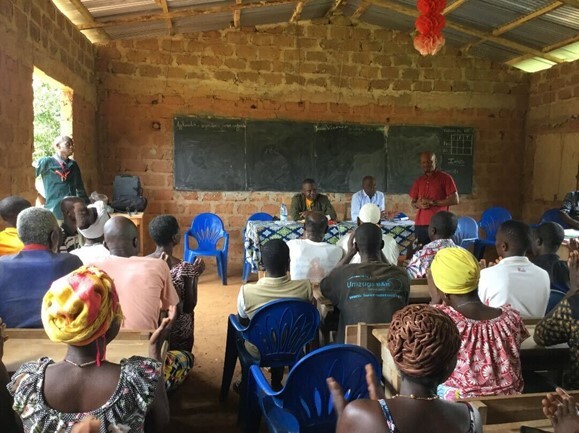
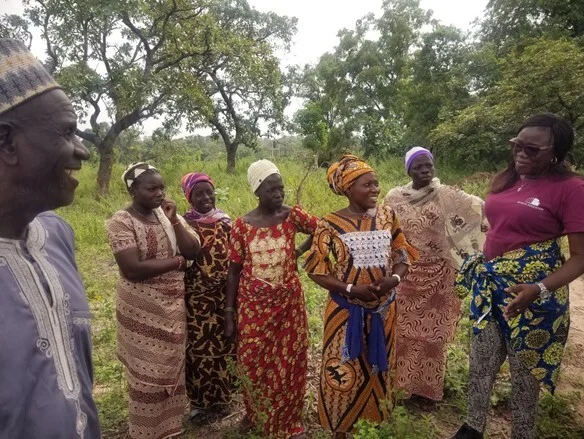
The methodology involved leveraging the existing social capital within the villages. This included the active participation of Mothers’ Associations, youth groups, and cocoa cooperatives. By integrating the economic interests of the cocoa industry with the educational needs of the community, the project created a shared responsibility for the success of the local school.
From Subsistence to Sustainability: Income-Generating Success
The practical application of the IGA model has seen diverse successes across different regions. In some villages, COGES members focused on large-scale maize cultivation, while others established poultry farms to raise and sell chickens. The revenue generated from these ventures is funneled directly back into the school system. This financial independence allows schools to address immediate needs that the national budget may overlook, such as the motivation of teachers.
In many rural areas, teachers face difficult living conditions and a lack of resources. The COGES funds are frequently used to provide stipends or incentives for teachers to conduct remedial classes in French and mathematics for students who have fallen behind due to the harvest season. This holistic involvement ensures that the school is viewed not as an external government outpost, but as a vital community asset. When parents see their neighbors and local leaders investing time and labor into the school’s success, their commitment to keeping their children in the classroom significantly increases.
The Transformation of Ndrikro: A Case Study in Resilience
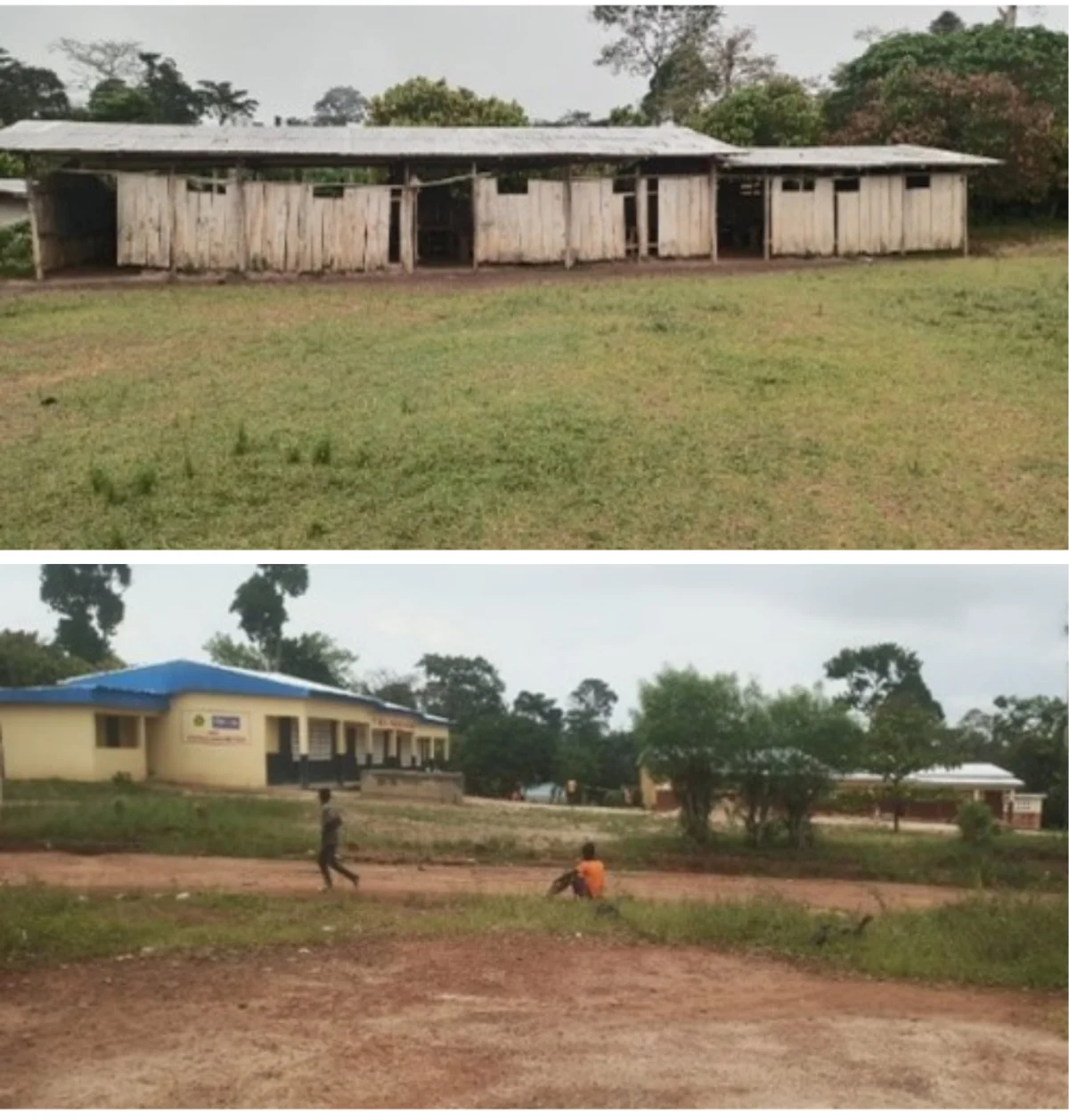
The village of Ndrikro serves as a poignant example of the project’s impact. Prior to 2012, the educational environment in Ndrikro was dire. Classes were held in "precarious sheds" that lacked basic amenities like desks, toilets, or proper flooring. The lack of a stable structure meant that children were constantly exposed to the elements, and the poor learning environment was reflected in the students’ inability to master basic literacy and numeracy skills.
The intervention began with the mobilization of the village leadership and the local Village Savings and Loan Association (VSLA). Together with the youth and the COGES, they identified a common vision: saving the school was essential for the survival of the community. Using a cassava field as a primary source of income and leveraging the financial support of the VSLA, the community generated enough capital to overhaul the infrastructure.
Today, the straw sheds have been replaced by two modern school buildings equipped with administrative offices and sanitary facilities. The transformation is not just physical; it is pedagogical. The school now hosts remedial sessions and excellence awards, fostering a culture of academic achievement that was previously non-existent. Ndrikro has transitioned from a site of educational neglect to a model of community-driven excellence.
Bridging the Data Gap: The Importance of Granular Information
One of the most significant insights shared by Ferdinand Beblai is the limitation of national-level data in addressing localized crises. While the state provides aggregated figures for school districts, these reports often obscure the specific needs of individual villages. For example, national data rarely identifies the exact number of six-year-old children in a specific community who are not enrolled in school.
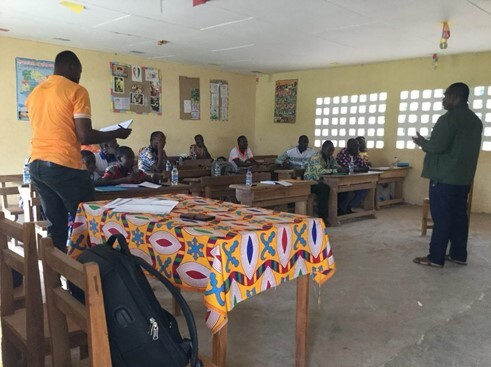
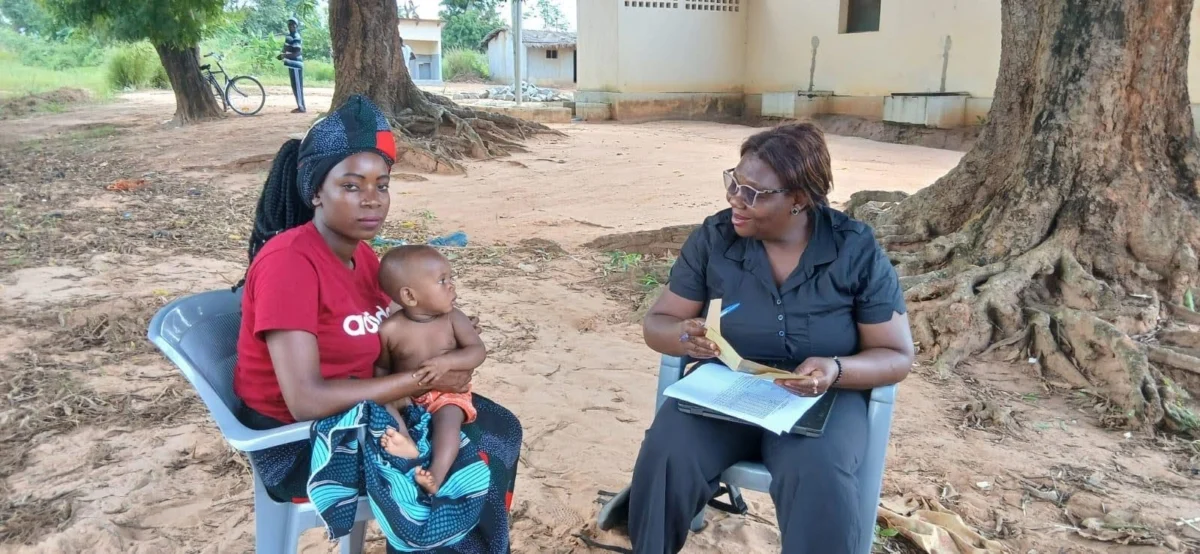
By collecting and analyzing community-level data, World Education was able to uncover the specific economic pressures that drive child labor. A key finding was the "liquidity gap" that occurs between the two primary cocoa harvests. During these periods, farmers often have no disposable income, making it impossible for them to purchase essential school supplies like notebooks, pens, and uniforms. Recognizing this specific barrier, the project was able to provide targeted grants of approximately 80,000 francs (roughly USD 140) to the most vulnerable families, ensuring that financial fluctuations did not result in a child being pulled from school.
Future Implications and the Path to Institutionalization
The success of the CocoaLife Quality Education Project has not gone unnoticed by the Ivorian government. As the project moves into its next phase, the focus is shifting toward long-term sustainability and institutionalization. A formal collaboration protocol is currently being signed between World Education and the government to ensure that the methodologies developed over the last decade are integrated into the national educational strategy.
The ultimate goal is for communities to become entirely self-sufficient in managing their educational resources. Success, according to Beblai, is defined by the moment a community no longer requires external funding to maintain its schools. This transition is already visible in several areas where COGES committees have taken full ownership of remedial classes and infrastructure maintenance, funded entirely by their own income-generating activities.
The broader impact of this work extends to the future of the cocoa industry itself. There is a growing realization among parents that even if their children choose to remain in the agricultural sector, a foundational education is indispensable. Literate farmers are better equipped to navigate the complexities of modern agriculture, such as correctly interpreting the labels on fertilizers and pesticides, which ensures both safety and productivity.
Conclusion: A Blueprint for Global Educational Reform
The work of World Education and JSI in Côte d’Ivoire provides a scalable blueprint for addressing child labor in agricultural regions worldwide. By moving away from a model of dependency and toward one of community empowerment and economic integration, the CocoaLife project has demonstrated that education and industry can coexist. The transformation of schools from "precarious sheds" to centers of excellence is a testament to the power of local governance when provided with the right tools and training.
As Côte d’Ivoire continues to navigate the challenges of the global market, the strengthening of its educational foundations remains the most effective strategy for long-term social and economic stability. The collaboration between international NGOs, corporate partners like Mondelez International, and the national government underscores a collective commitment to ensuring that the next generation of Ivorians is defined not by the labor they perform, but by the education they receive.