The June 2026 lineup is characterized by an unprecedented breadth of storytelling, moving beyond traditional "coming out" narratives into complex explorations of horror, speculative fiction, and global political anthologies. Market analysts suggest that the diversification of these titles indicates a maturing market where queer characters are no longer confined to niche categories but are central to mainstream genre fiction.

The Early June Surge: Literary Ambition and Global Perspectives
The month begins with a high-volume release date on June 2, featuring several of the most highly anticipated titles of the year. Among the lead titles is Sonia Feldman’s Girl’s Girl, a work of literary fiction that industry observers expect to challenge contemporary social dynamics. Accompanying this is The Seduction by Sara Torres, translated by Mara Faye Lethem. The inclusion of translated works in the early June slate highlights a growing trend in the Anglophone market toward "International Queer Lit," providing readers with perspectives from outside the North American and British bubbles.

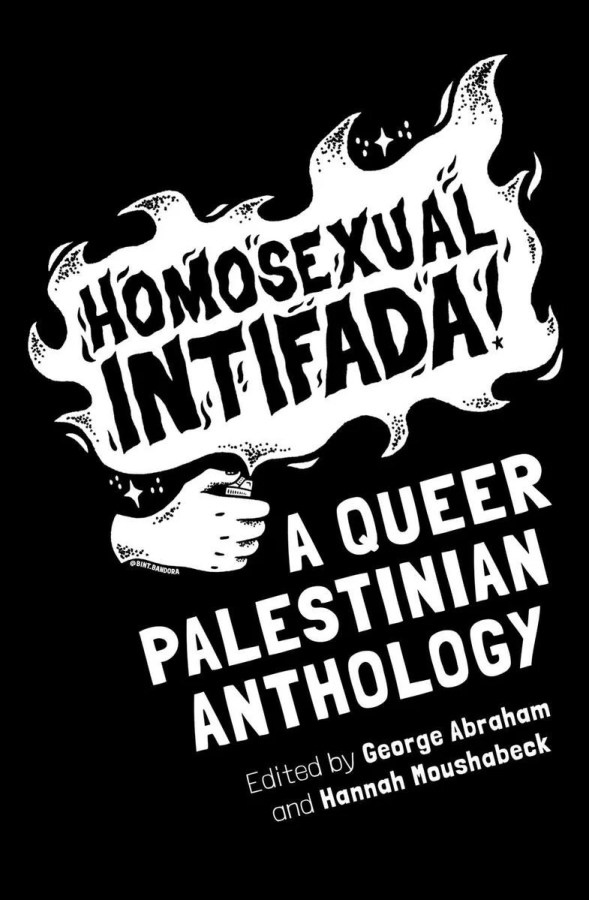
One of the most politically significant releases of the month is Homosexual Intifada! A Queer Palestinian Anthology, edited by George Abraham and Hannah Moushabeck. This collection arrives at a time of heightened global discourse regarding the intersections of identity, sovereignty, and human rights. Editorial experts suggest that such anthologies are crucial for documenting the lived experiences of queer individuals in conflict zones, offering a factual counter-narrative to monolithic cultural depictions.
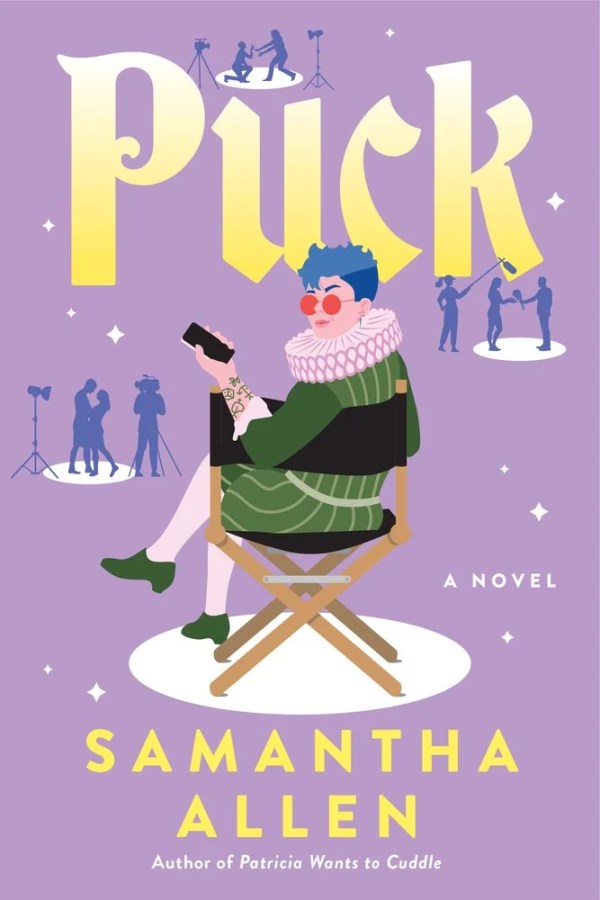
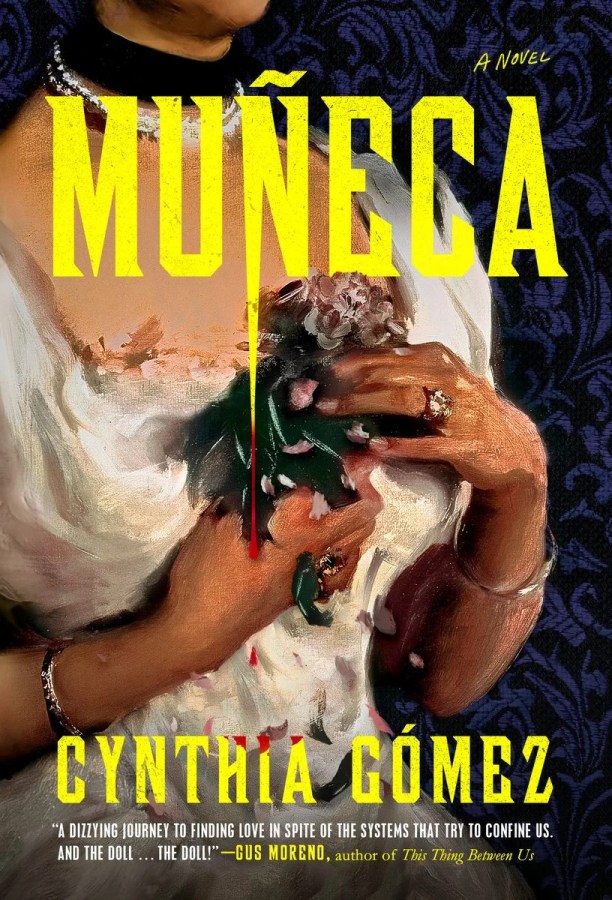
In the realm of genre fiction, June 2 also sees the release of Samantha Allen’s Puck, a romance novel that follows the trend of queer sports-themed fiction, and Muñeca by Cynthia Gómez, a horror title that signals the continued growth of "Queer Horror" as a commercially viable and critically respected category.
Chronology of Major Releases: June 2 to June 9
The first ten days of June are densely packed with titles that cater to both adult and young adult (YA) audiences. Following the June 2 releases, Chencia C. Higgins debuts The Ties Between Us on June 3, further solidifying the presence of queer romance in the contemporary market.
By June 9, the focus shifts slightly toward memoir and speculative fiction. One of the most notable entries is Transcendent: A Memoir by Laverne Cox. As a prominent figure in the trans rights movement and the entertainment industry, Cox’s memoir is projected to be a commercial juggernaut. Pre-release data from booksellers suggest that celebrity memoirs in this category serve as vital entry points for general readers into LGBTQ+ history.
Simultaneously, the "Romantasy" (romantic fantasy) trend continues to dominate sales projections. Tara Sim’s The Dawn Throne and Katee Robert’s Shattered Gods are expected to perform exceptionally well, following the massive success of similar genre-blending titles in 2024 and 2025. This subgenre’s popularity is largely attributed to its success on social media platforms like TikTok and Instagram, where queer-coded fantasy tropes have found a dedicated audience.
Mid-Month Transitions: Non-Fiction and Graphic Narratives
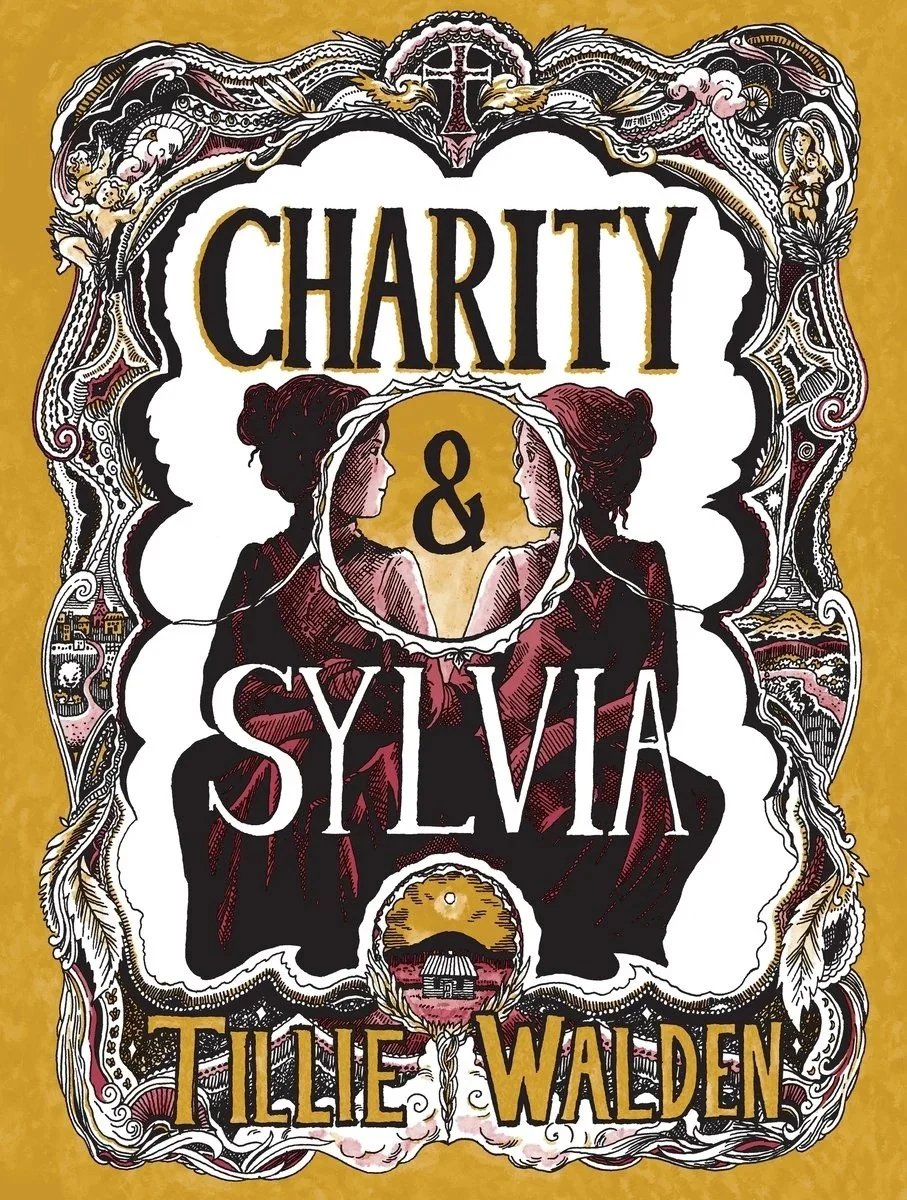
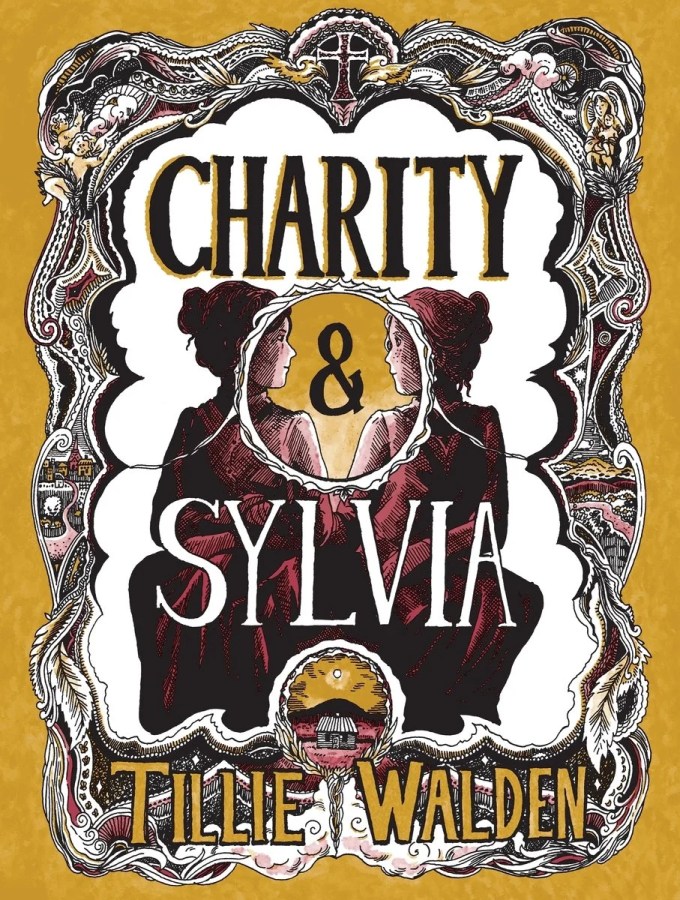
The middle of June 2026 introduces a variety of non-fiction works that aim to contextualize the queer experience within broader historical and social frameworks. On June 16, Tillie Walden’s Charity & Sylvia offers a "Graphic History" of one of the most famous early American same-sex couples. Walden, a celebrated figure in the graphic novel world, continues to push the boundaries of how history is illustrated and consumed.
The non-fiction slate also includes Sex in Public by Angela Jones and How Queer Bookshops Changed the World by A.J. West. These titles reflect an academic and investigative interest in the physical spaces—bars, bookstores, and public squares—that have fostered queer community building. Historical data indicates that queer bookshops have seen a 12% resurgence in independent retail growth over the last five years, making West’s exploration particularly timely.
June 16 to June 23: Genre Diversity and Memoir
The third week of June features a blend of experimental prose and traditional storytelling.

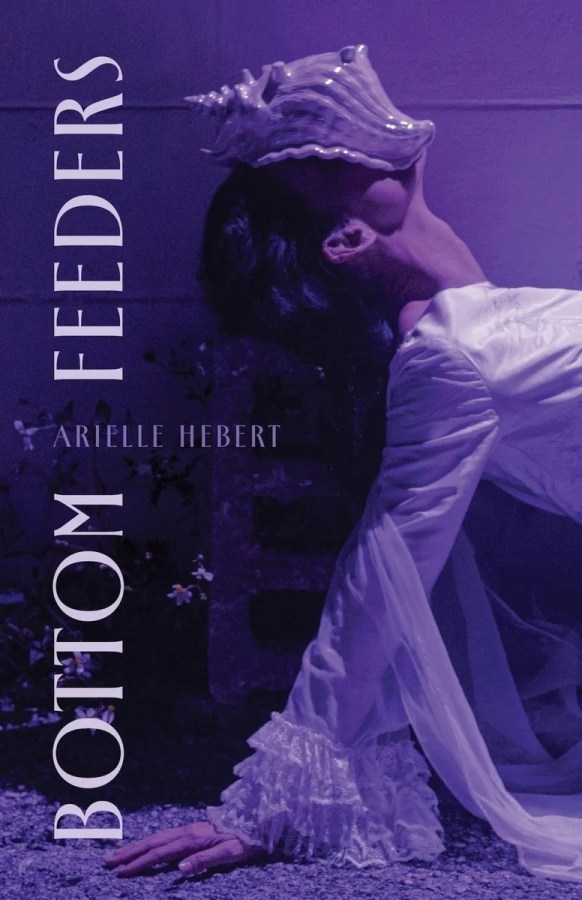
- Poetry: Bottom Feeders by Arielle Hebert and Don’t Let It Kill You by Theo LeGro offer lyrical explorations of identity.
- Mystery: Missing in Soho by Holly Stars and Let’s Not Go Overboard Here by Erica Hendry represent a growing interest in "Queer Procedurals" and cozy mysteries.
- Sci-Fi/Romance: The Disco at the End of the World by Nathan Tavares combines speculative world-building with intimate character studies.
On June 23, the industry anticipates the release of The Make-Believe: A Memoir of Magic and Madness by Hannah Murray. This work, along with Roz Hernandez’s Peeing in an Empty Bottle, showcases the diversity of the memoir format, ranging from the profound and psychological to the comedic and observational.
The Young Adult (YA) and Horror Explosion
The final weeks of June are dominated by the Young Adult market, which continues to be the primary engine for LGBTQ+ book sales. Titles such as Good Luck, Babe! by Erin Baldwin and Nat and Cami’s Guide to Running an Undercover GSA by Karis Rogerson target a demographic that has become increasingly vocal about the need for representative fiction in school libraries.
However, a darker trend is also evident in the June 23 and June 30 releases. "Queer Horror" and "YA Horror" are represented by titles like Doe by Rebecca Barrow, The Monsters We Made by Peyton June, and What Happened to Those Girls by Carlyn Greenwald. Literary critics note that horror has long been a sanctuary for queer subtext; in 2026, that subtext has been brought to the forefront, with authors using the genre to explore themes of societal "othering" and survival.
Market Analysis and Industry Supporting Data
The sheer volume of LGBTQ+ titles scheduled for June 2026 is a testament to the shifting economic landscape of publishing. According to data from industry watchdogs, the "Queer Interest" category has moved from a seasonal specialty to a year-round powerhouse. In 2025, sales of LGBTQ+ fiction grew by 18% compared to the previous year, outpacing the general fiction market.
Publishers have also adjusted their marketing strategies to reflect the intersectionality of the community. For June 2026, there is a visible increase in titles by authors of color and trans-identified writers. This shift is not merely social but data-driven; publishers have observed that books with intersectional themes often have higher "read-through" rates and stronger performance in digital and audiobook formats.

The Role of Independent Platforms
Platforms like Autostraddle play a critical role in this ecosystem. By curating lists of anticipated releases, these outlets act as tastemakers that bridge the gap between large-scale publishers and the reading public. Internal data from independent bookstores suggests that "Anticipated Lists" published in early spring directly correlate to a 25% increase in pre-order volume for the featured titles.
Broader Impact and Cultural Implications
The release of these books in June 2026 occurs against a backdrop of complex sociopolitical challenges. In various regions, the availability of LGBTQ+ literature has faced scrutiny and legislative challenges. In this context, the robust release schedule serves as both a commercial statement and a cultural fortification.
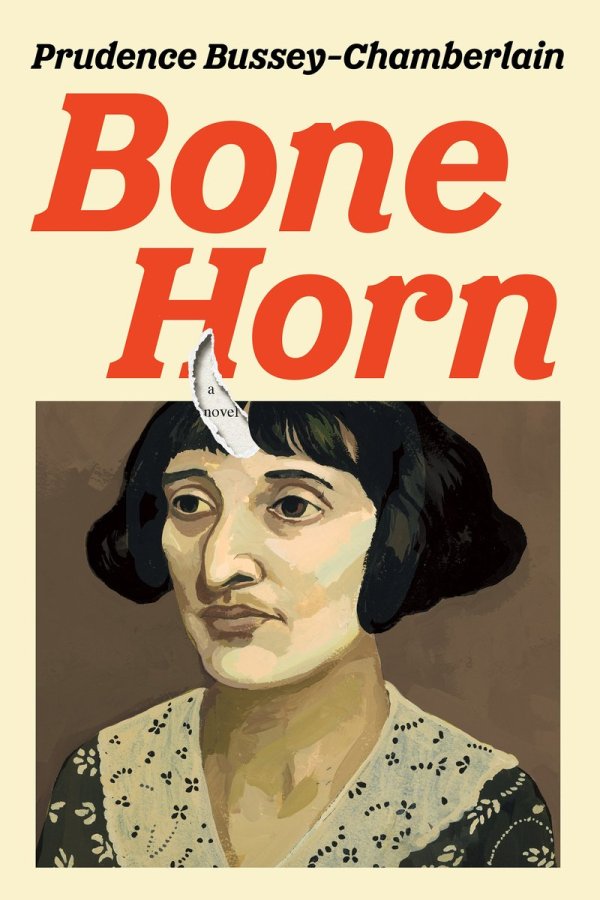
The inclusion of diverse genres—ranging from Prudence Bussey-Chamberlain’s Bone Horn (Literary Fiction) to Edward Schmit’s The Open Era (Romance)—ensures that queer narratives are integrated into the total cultural fabric. Analysts believe that by occupying space in mainstream genres like mystery and sci-fi, these authors are normalizing queer presence in a way that traditional "niche" publishing could not.
Furthermore, the rise of the "Graphic History" and "Anthology" categories suggests an effort to preserve the past while imagining the future. Titles like Remember the Main: The Gay Bar that Started a Movement in the Northland by Meg Gorzycki serve as vital records of regional history, ensuring that the origins of modern advocacy are not lost to time.

As June 2026 approaches, the literary world stands ready to engage with a collection of works that are as varied as the community they represent. The success of these titles will likely influence the publishing cycles for 2027 and beyond, further cementing the role of LGBTQ+ voices as indispensable to the global literary canon. Through a combination of commercial savvy, artistic innovation, and a commitment to representation, the authors and publishers of June 2026 are set to redefine the boundaries of contemporary storytelling.