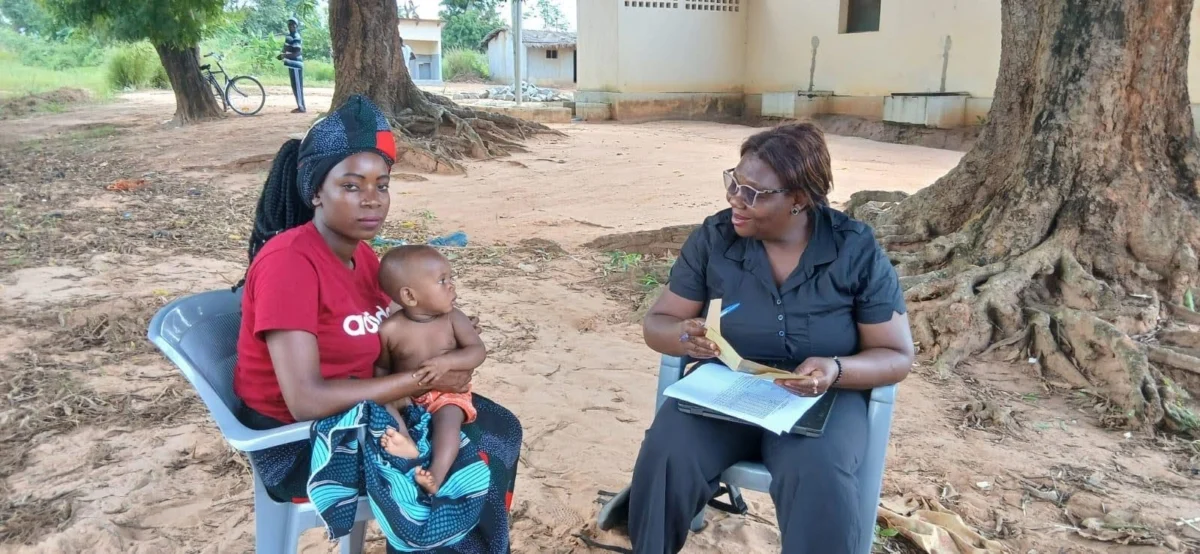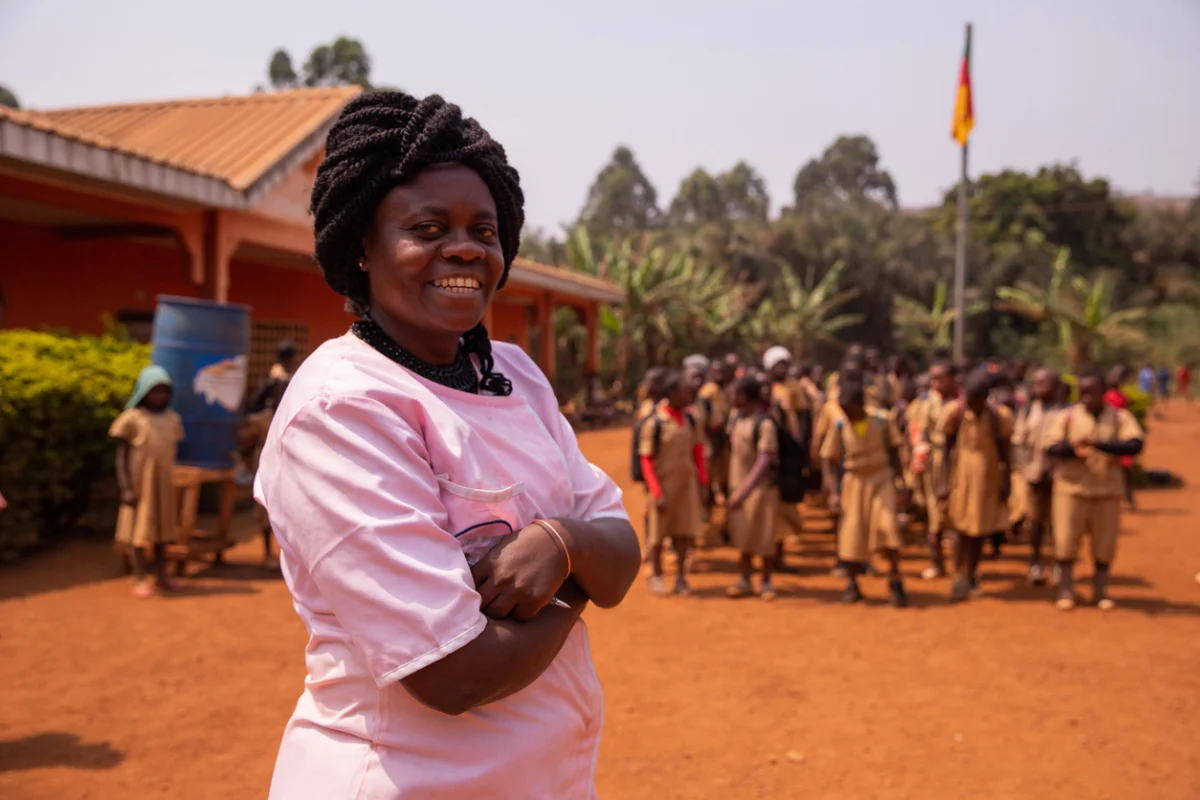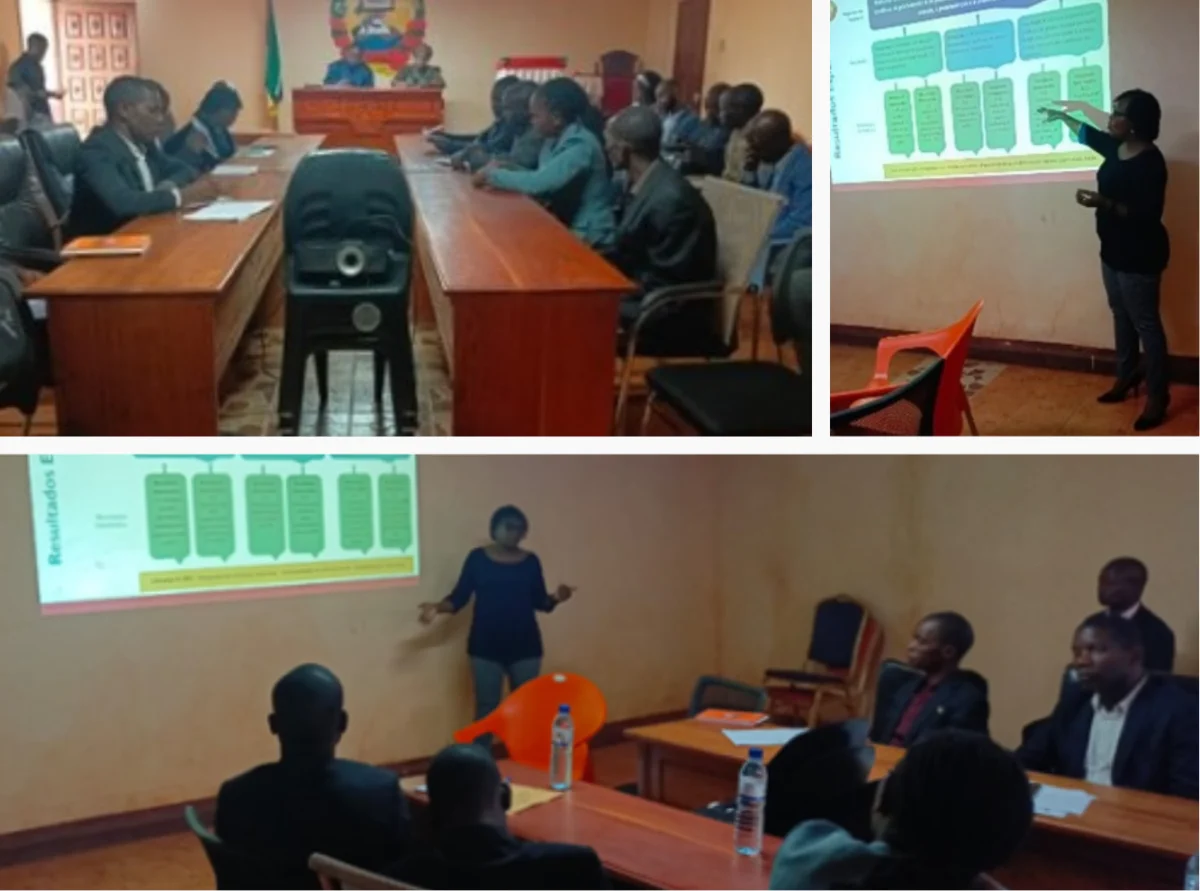
In a significant move to overhaul the quality of primary education and address the systemic hurdles of teacher training in Northern Mozambique, the Ministry of Education and Culture (MEC) has officially launched the Empowering Educators program. This initiative, a collaborative venture between the Mozambican government and World Education—a specialized initiative of JSI Research & Training Institute, Inc.—is poised to operationalize the National Strategy for Continuous Teacher Training. Funded by the Government of Ireland through IrishAid, the program represents a strategic investment in the human capital of the Niassa Province, focusing on foundational learning, gender-responsive management, and sustainable professional development.
The launch of the program in early 2026 comes at a critical juncture for Mozambique’s education sector. While the country has made significant strides in increasing school enrollment over the past two decades, the quality of learning outcomes remains a persistent concern. Historically, teacher professional development in Mozambique has been characterized by sporadic, theory-based workshops that often fail to translate into improved classroom practices. The Empowering Educators program seeks to break this cycle by shifting the focus toward consistent, on-the-ground implementation and peer-led support systems.
Addressing the Educational Landscape in Niassa Province
Niassa Province, located in the remote northern reaches of Mozambique, faces unique geographical and socio-economic challenges that directly impact educational delivery. With a vast territory and a relatively dispersed population, schools in districts such as Mavago and Mecula often operate with limited resources and minimal oversight. The Empowering Educators program specifically targets four districts in this region to ensure that the most underserved communities benefit from the Ministry’s national strategy.
The choice of Niassa is also strategic regarding gender equity. Northern Mozambique has historically seen lower rates of school retention for girls, often due to early marriage, domestic responsibilities, and a lack of gender-sensitive infrastructure within schools. By prioritizing gender-responsive school management, the program aims to create a safer and more inclusive environment that encourages girls to remain in school through the completion of their primary education.
Strategic Objectives and the Multiplier Model
The core vision of the Empowering Educators program is to foster a self-sustaining ecosystem of professional growth. Initially, the project aims to reach 600 teachers—more than 200 of whom are women—alongside 100 school directors across the four targeted districts. This cohort will serve as the vanguard for a new pedagogical approach that emphasizes foundational literacy and numeracy.
Central to this strategy is the "multiplier model," a concept emphasized by World Education’s Provincial Manager, Ligia Lundo. Under this framework, the training does not end when a facilitator leaves the district. Instead, trainee teachers and school leaders are equipped to act as multipliers within their own institutions. The program prioritizes on-the-job training, where Deputy School Heads are empowered to provide ongoing classroom support through peer coaching.
“The sustainability of the strategy is based on the principle that trainee teachers will act as multipliers of the process,” stated Lundo. “Strengthening management for all learners will enable everyone, from the manager down to the classroom, to adopt strategies to create a successful social, academic, and learning environment.”
By utilizing support tools already embedded within the national system, the program avoids creating parallel structures, ensuring that the improvements remain long after the initial funding cycle concludes. This alignment with the Ministry of Education and Culture’s existing framework is a hallmark of the JSI/World Education approach.
Funding and International Cooperation
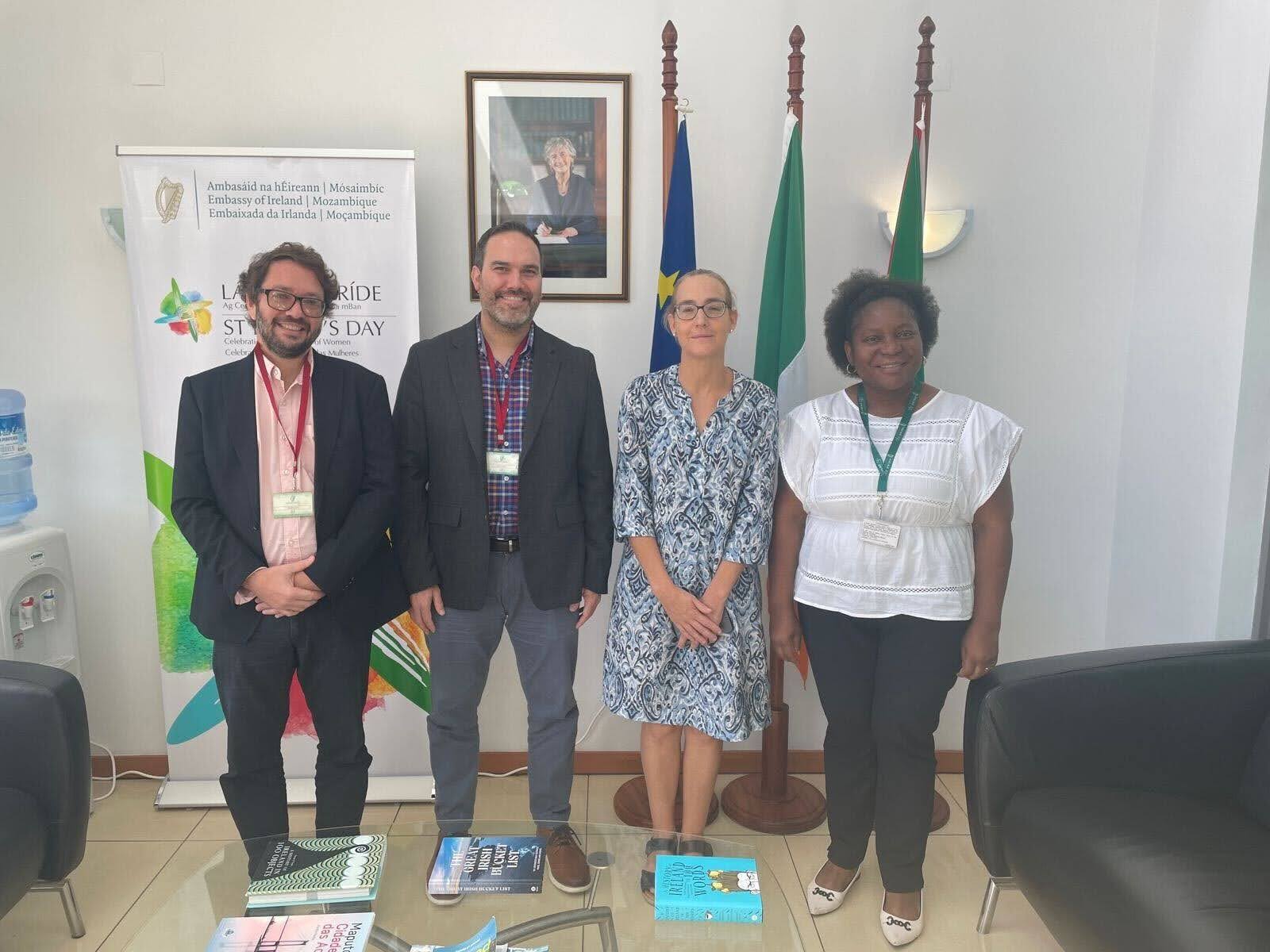
The involvement of IrishAid underscores the strong diplomatic and developmental ties between Ireland and Mozambique. During the launch events in Maputo and Niassa, representatives from the Embassy of Ireland expressed their commitment to the Mozambican government’s vision for a more equitable education system. Aileen O’Donovan, Deputy Head of Mission and Cooperation, and Lídia Meque, Program Manager at the Embassy, have been instrumental in aligning the program’s goals with Ireland’s broader international development strategy, which prioritizes education and gender equality.
For IrishAid, the Empowering Educators program is not merely a financial contribution but a partnership aimed at systemic reform. The program’s design includes a comprehensive baseline evidence-gathering phase. This data-driven approach ensures that interventions are tailored to the specific needs of Mozambican classrooms, allowing for adjustments based on real-world performance metrics.
Implementation Chronology and District Engagement
The rollout of the Empowering Educators program has been meticulously planned to ensure local buy-in. Following high-level meetings between World Education directors Adam Turney and David Noyes and the IrishAid team, the focus shifted to the provincial and district levels.
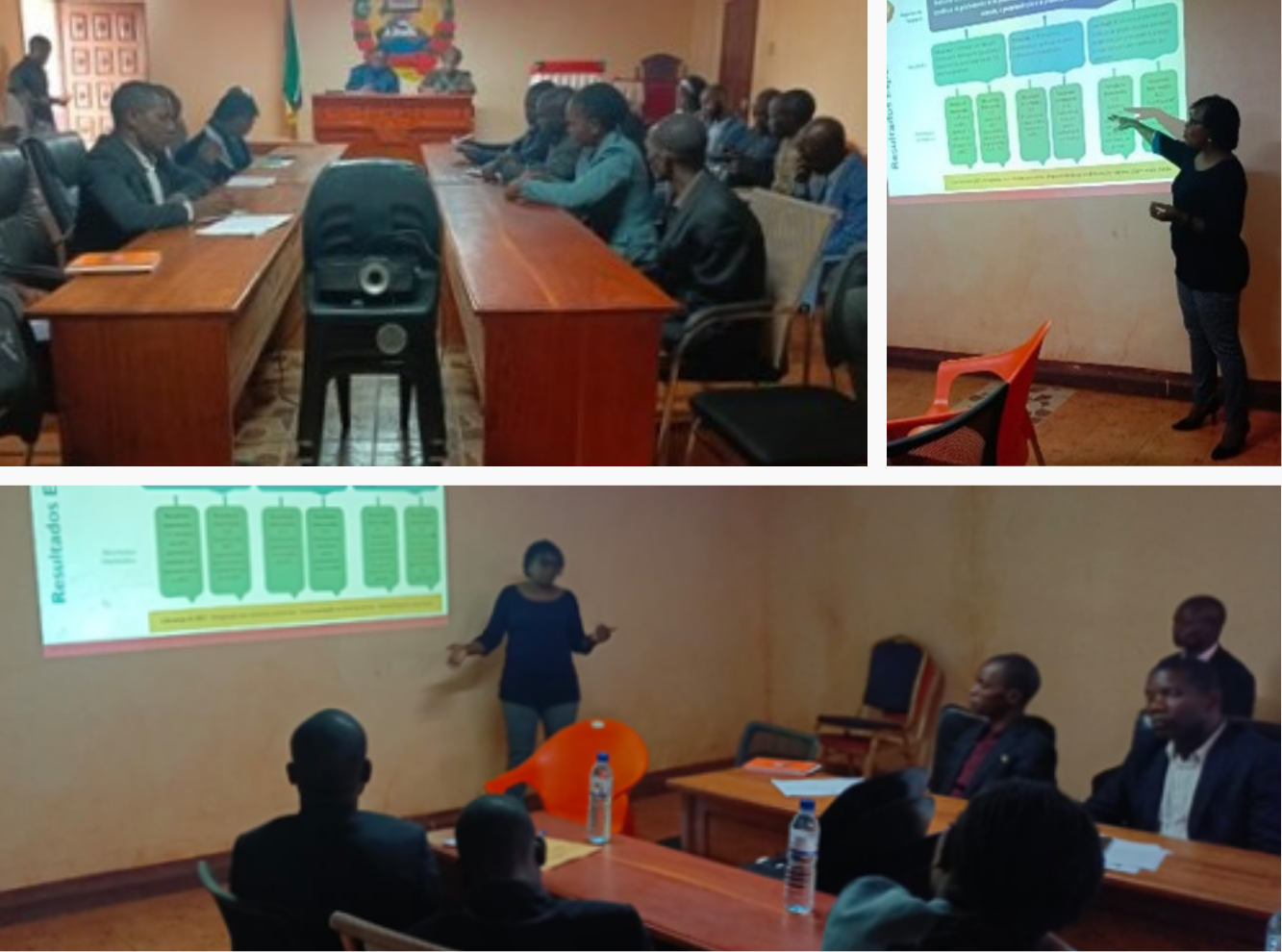
In the Mavago district of Niassa, the program’s launch was marked by a formal ceremony involving local administrators and educational officials. The district administrator of Mavago reinforced her commitment to the initiative, noting that the success of such programs depends heavily on the collaboration between international partners and local government structures. These kick-off events served as a platform to communicate the program’s goals to the community, ensuring that parents and local leaders understand the importance of teacher support and gender-responsive management.
The timeline for the first phase of the program involves:
- Baseline Assessment (Q1 2026): Extensive data collection on current teacher competencies and student learning levels in Mavago, Mecula, and two other districts.
- Director and Lead Teacher Training (Q2 2026): Intensive workshops for 100 school directors on management and peer-coaching methodologies.
- Classroom-Level Implementation (Q3 2026 and onwards): The commencement of on-the-job training and the deployment of support tools for 600 teachers.
- Monitoring and Evaluation (Ongoing): Continuous feedback loops to measure the impact on student learning outcomes and girl-child retention rates.
A Legacy of Partnership: World Education in Mozambique
The Empowering Educators program is the latest chapter in a long-standing relationship between World Education and the Government of Mozambique. Since 2011, World Education has been a key partner to the MEC, implementing a variety of programs ranging from early-grade reading initiatives to HIV/AIDS prevention and school health services.
Over the past 15 years, this partnership has reached well over 2 million learners and trained tens of thousands of educators. This historical context is vital, as it provides World Education with a deep understanding of the Mozambican bureaucratic and educational landscape. The Empowering Educators program leverages this institutional memory to navigate the logistical complexities of working in Niassa, ensuring that the program is not just a pilot but a scalable model for the rest of the country.
Implications for the Future of Mozambican Education
The implications of the Empowering Educators program extend beyond the borders of Niassa Province. If successful, the multiplier model could serve as a blueprint for the entire nation. By focusing on the "middle tier" of education management—school directors and deputy heads—the program addresses a common bottleneck in education reform: the gap between national policy and classroom reality.
Furthermore, the emphasis on foundational learning (literacy and numeracy in the early grades) aligns with global educational trends. International research consistently shows that children who fail to acquire basic literacy skills in the first three years of schooling are unlikely to catch up, leading to higher dropout rates and lower economic productivity in adulthood. By shoring up these foundations in Niassa, the program is contributing to the long-term socio-economic stability of northern Mozambique.
The gender-responsive aspect of the program also carries significant weight. As Mozambique continues to strive toward the United Nations Sustainable Development Goals (SDGs), particularly SDG 4 (Quality Education) and SDG 5 (Gender Equality), programs like Empowering Educators provide the practical tools necessary to dismantle barriers for female students. When school management is trained to recognize and address the specific challenges faced by girls, the entire school environment becomes more conducive to learning for all students.
Conclusion and Path Forward
As the Empowering Educators program moves into its active implementation phase, the focus remains on the sustainable transformation of the teaching profession. The partnership between the Ministry of Education and Culture, World Education, and IrishAid represents a holistic approach to development—one that values local expertise, relies on rigorous data, and maintains an unwavering focus on the learner.
With the first 600 teachers beginning their journey toward enhanced professional mastery, the schools of Niassa are set to become hubs of innovation and support. The success of this initiative will be measured not just by the number of training sessions held, but by the improved reading levels of primary students and the increased number of girls who successfully transition through the education system. Through this collaborative effort, Mozambique is taking a definitive step toward a future where every educator is empowered and every child has the opportunity to learn.