Jun 9, 2026
By HIAS Staff
The European Union stands at a critical juncture as the comprehensive EU Pact on Migration and Asylum comes into effect on June 12, 2026. This landmark legislation, forged after years of often contentious debate, aims to fundamentally reshape the bloc’s approach to managing asylum and migration. While proponents argue the Pact will create a more unified and efficient system, humanitarian organizations and refugee advocates express profound concerns about its potential impact on the rights and protections afforded to individuals fleeing violence and persecution. The evolving geopolitical landscape, marked by ongoing conflicts and economic instability, continues to drive displacement, placing immense pressure on European nations and their asylum systems.
The Syrian civil war, which erupted in 2011, served as a significant catalyst for increased refugee flows into Europe, triggering intense political debates and often leading to the scapegoating of displaced populations by various political factions seeking electoral advantage. This period saw a notable curtailment of rights for those seeking refuge, despite the fundamental principles enshrined in international law. The narrative surrounding refugees and asylum seekers in Europe has frequently been dominated by political rhetoric, often overshadowing statistical realities and humanitarian imperatives.
Understanding the Scale of Displacement in Europe
Contrary to some public perceptions fueled by political discourse, Europe hosts a significantly smaller proportion of the world’s displaced population than often assumed. As of early 2026, the EU is home to approximately 20 million displaced individuals. This figure pales in comparison to the global total of 117 million people requiring safety worldwide. The majority of those displaced globally are either internally displaced within their own countries or reside in neighboring middle- and low-income nations, bearing the brunt of protracted humanitarian crises.
Furthermore, the number of refugees and asylum seekers within the EU has actually shown a downward trend in recent years. Following a significant surge in 2022, largely attributed to the mass exodus of millions of Ukrainians fleeing Russia’s full-scale invasion, asylum applications and irregular border crossings have decreased. In 2024, for instance, irregular border crossings were recorded at approximately 239,000 cases. This data suggests a normalization or stabilization of migration flows after a period of exceptional circumstances, challenging narratives of an overwhelming and unending influx.
The EU Pact on Migration and Asylum: A New Framework
The EU Pact on Migration and Asylum represents a significant overhaul of the bloc’s asylum procedures and border management policies. It seeks to address long-standing challenges by introducing a series of measures designed to streamline asylum processes, expedite returns, and enhance border security. Key components of the Pact include:
- Accelerated Border Procedures: The Pact introduces mandatory border procedures for individuals arriving at external borders, particularly those from countries with low asylum recognition rates. This aims to quickly distinguish between those likely to be granted protection and those who are not, facilitating faster returns.
- Mandatory Solidarity Mechanism: The Pact establishes a framework for mandatory solidarity among member states. While not a relocation quota system, it allows countries to contribute financially or operationally to member states facing disproportionate migratory pressures, or to resettle refugees from outside the EU.
- Enhanced Returns and Readmission: The Pact strengthens efforts to return individuals who are not granted asylum, including through improved cooperation with third countries on readmission agreements.
- Screening and Security Checks: Comprehensive security and identity checks will be conducted for all individuals arriving at external borders.
- "Safe Country of Origin" and "Safe Third Country" Concepts: The Pact formalizes the concept of "safe countries," allowing for faster processing of asylum claims from individuals originating from these designated nations. However, this has drawn criticism for potentially overlooking individual circumstances and the risk of persecution.
Concerns and Criticisms from Humanitarian Organizations
Despite the stated intentions of the Pact to create a more orderly and humane system, a chorus of concern has been raised by humanitarian organizations and refugee rights advocates. HIAS Europe, a prominent organization working with refugees and displaced people, has voiced significant apprehension regarding the Pact’s potential to undermine fundamental asylum rights.
"As xenophobia rises and refugee rights come under attack, HIAS Europe calls on the EU to uphold asylum policies rooted in welcome and protection," stated a recent release from the organization. The primary concerns revolve around the potential for increased detention, the risk of sending vulnerable individuals back to situations of danger, and the erosion of due process in asylum procedures.
The 1951 Refugee Convention, a cornerstone of international refugee law born from the ashes of World War II, provides the framework for protecting those fleeing persecution. Critics of the Pact argue that its accelerated procedures and the expanded use of "safe country" designations could lead to more individuals being denied protection, even if they face genuine threats in their home countries. The potential for increased detention, particularly for families and vulnerable individuals, also raises serious human rights alarms.
Origins of Displacement: A Shifting Demographic
The demographic landscape of displacement in Europe has evolved significantly. While the Syrian crisis brought a substantial number of refugees, the full-scale invasion of Ukraine by Russia in February 2022 led to an unprecedented wave of displacement within Europe. By the end of 2025, an estimated 5.2 million Ukrainian refugees remained in Europe, constituting the largest single group of displaced persons.
However, the profile of asylum seekers is also diversifying. In recent years, Venezuelans have emerged as the largest group of asylum seekers in the EU, with Spain receiving the highest number of applications. Despite widespread anti-refugee sentiment in some quarters, asylum applications are concentrated in a few key member states. Spain, Germany, Italy, France, and Greece collectively account for approximately 83% of first-time asylum applications. Notably, first-time asylum applicants in the EU saw a significant decrease in 2025, with 669,400 applications, a 27% drop from 2024. This trend challenges the perception of an ever-increasing surge in asylum claims.
Barriers to Asylum and the Reality on the Ground
The theoretical right to seek asylum upon entering the EU and to remain while awaiting a decision is often met with significant practical barriers. Asylum seekers are entitled to certain rights while their claims are processed, but the reality can be starkly different. Many are detained or forced to live in substandard conditions, particularly in countries at the EU’s external borders.
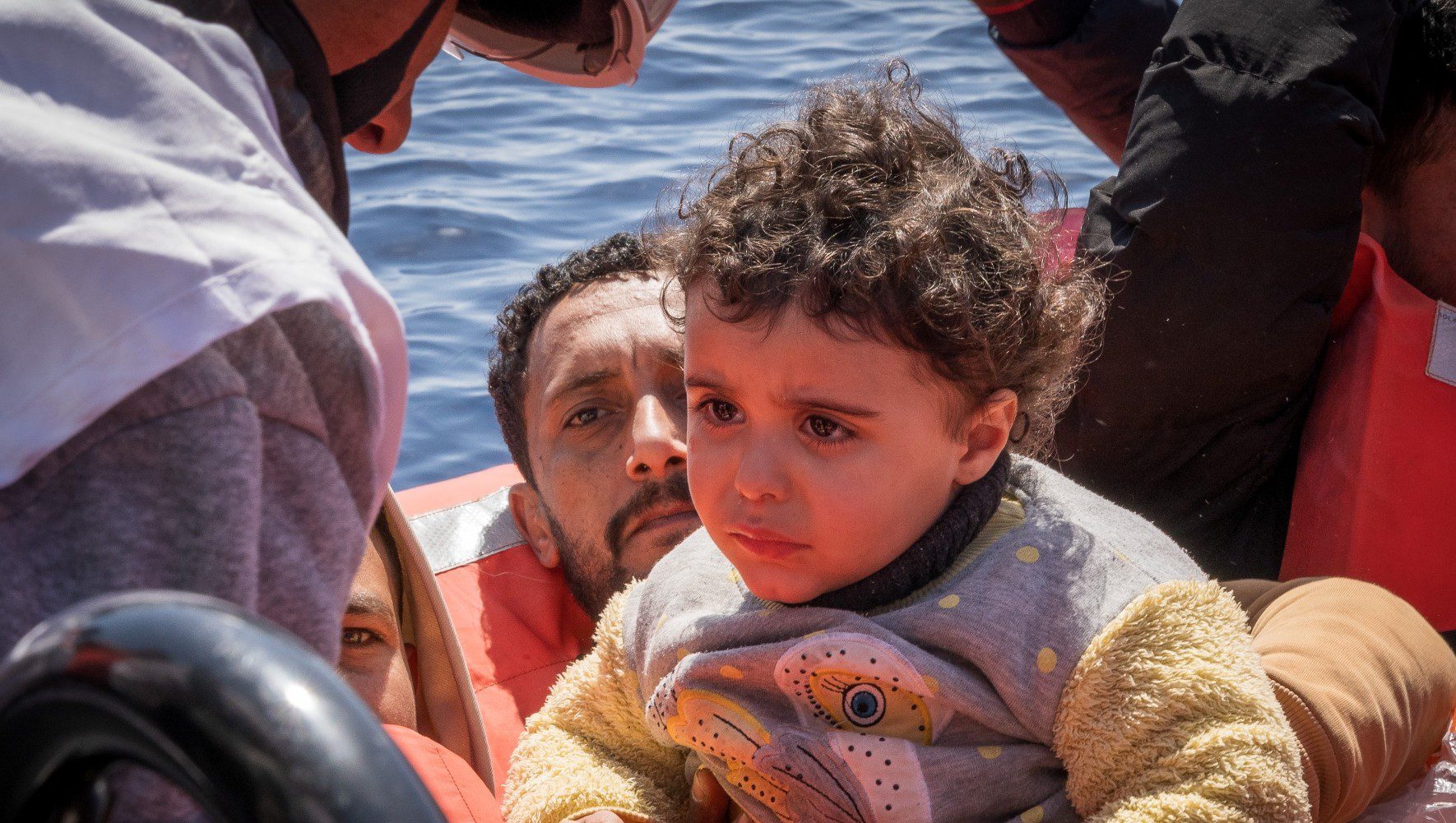
There are also persistent reports of individuals being denied their legal right to seek asylum and subjected to unlawful "pushbacks" at borders. Furthermore, some member states are failing to meet their refugee resettlement obligations, leaving many individuals with limited or no safe pathways to protection. The perilous journey across the Mediterranean Sea tragically underscores this reality; since 2014, an estimated 34,000 people have died or gone missing attempting this crossing. This stark figure highlights the life-or-death stakes for individuals seeking safety.
The Pact’s Implications: A Tightrope Walk
The implementation of the EU Pact on Migration and Asylum presents a complex challenge. The Pact’s emphasis on border control and accelerated procedures could lead to an increased reliance on detention, greater pressure on frontline states, and a more frequent resort to emergency measures that may circumvent established human rights protections.
However, it is crucial to note that European countries remain bound by international and European human rights law. HIAS Europe is actively engaged in advocating for the Pact’s implementation in a manner that upholds the safety, dignity, and fundamental rights of asylum seekers. The organization emphasizes that the Pact’s success will ultimately depend on how member states interpret and apply its provisions, with a critical need to balance security concerns with humanitarian obligations.
HIAS’s Role in Europe
HIAS, with its long history of assisting refugees and displaced persons, operates through its dedicated branch, HIAS Europe. The organization plays a vital role in supporting Jewish communities across the EU in their efforts to welcome and integrate refugees. By providing technical and financial assistance, HIAS empowers these communities to engage in both overseas humanitarian aid and local integration initiatives. This includes fostering social cohesion through interfaith collaboration and community sponsorship programs.
With offices in Belgium and Greece, HIAS Europe actively advocates for refugee rights and provides direct aid to refugees. The organization also extends its support to displaced Ukrainians and other vulnerable populations through local partners in Ukraine and Moldova. HIAS’s presence in Europe signifies a commitment to offering a Jewish voice in the ongoing discourse on forced displacement, advocating for policies that are rooted in compassion and respect for human dignity.
The coming months will be pivotal in observing how the EU Pact on Migration and Asylum shapes the lives of those seeking refuge in Europe. The challenge lies in ensuring that the pursuit of orderly migration management does not come at the expense of fundamental human rights and the principles of asylum, which have long been a cornerstone of European values. The commitment to welcome and protect those fleeing persecution must remain at the forefront of policy implementation.