After years of protracted negotiations and in response to persistent refugee crises at Europe’s external borders, the European Union’s landmark Pact on Migration and Asylum is set to officially take effect on June 12, 2026. This comprehensive legislative package comprises a series of measures designed to overhaul the EU’s common asylum system and reshape its approach to managing migration flows. The Pact’s overarching aim is to break the political deadlock that has plagued EU migration policy for over a decade, by introducing stricter border controls, expediting asylum procedures, enhancing return mechanisms, and promoting a more equitable distribution of responsibilities among member states. At its core, the Pact signifies a reinforced political commitment to deter the arrival of individuals seeking refuge.
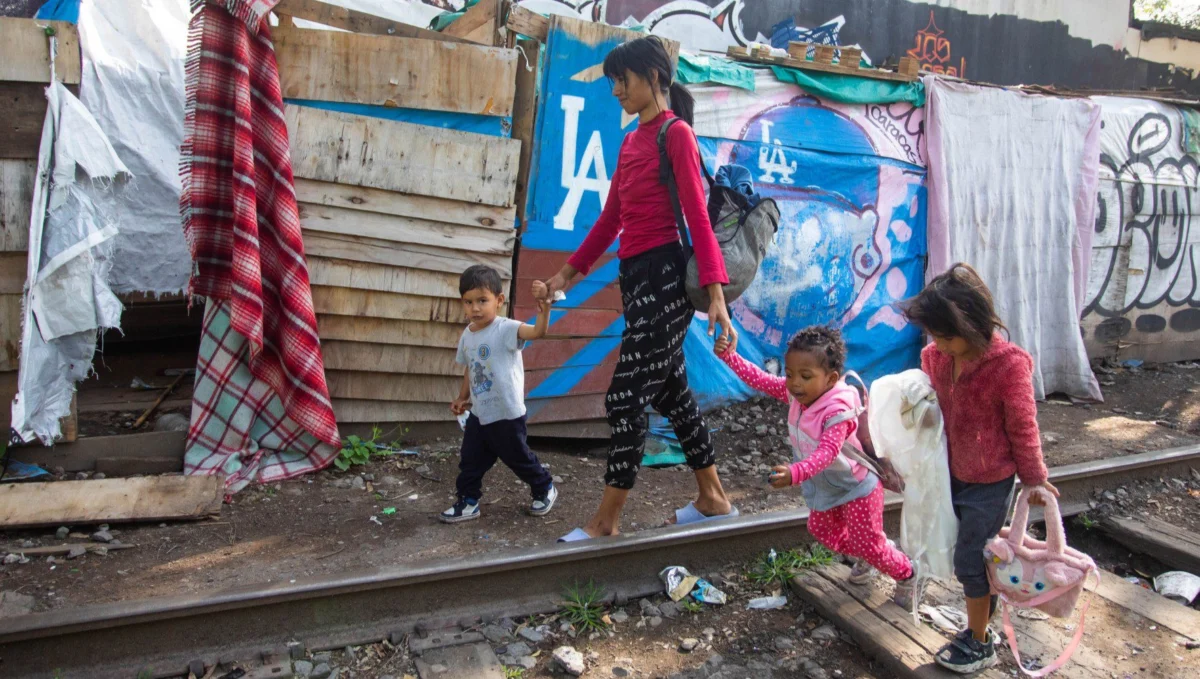
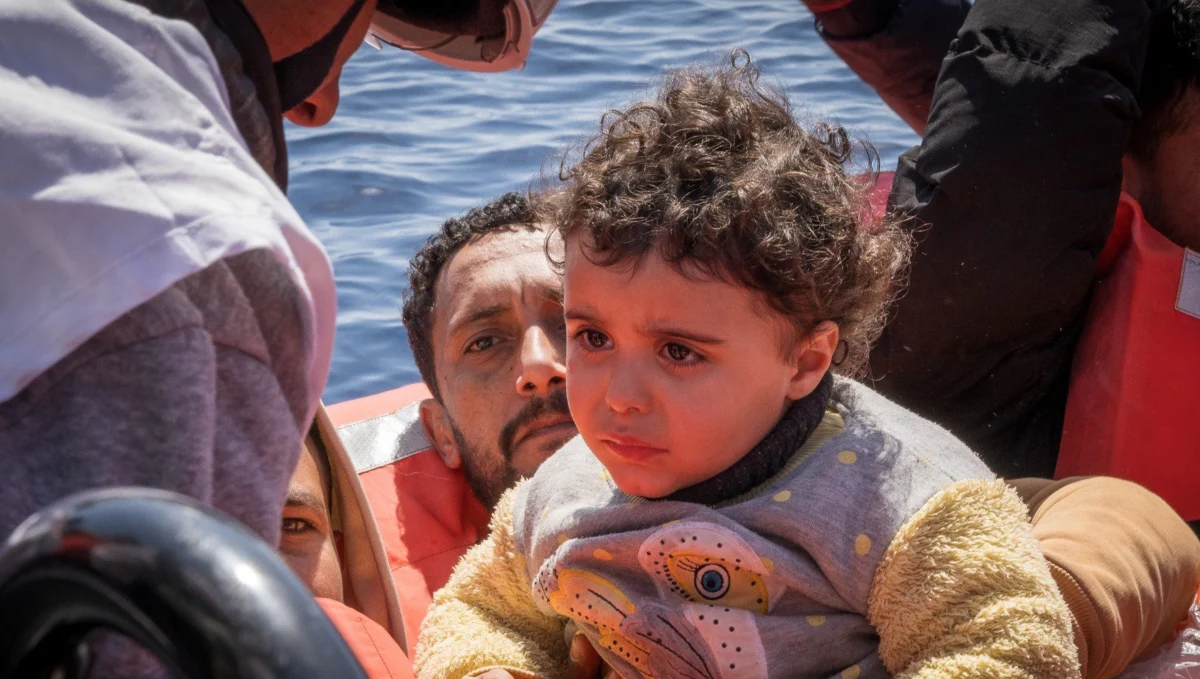
However, this strategic shift towards deterrence is met with considerable skepticism from human rights organizations and international bodies, who point to overwhelming evidence contradicting the notion that many asylum seekers are not in genuine need of protection. Official statistics consistently demonstrate that the vast majority of individuals seeking asylum are fleeing dire circumstances of persecution, violence, and systemic oppression. Globally, the scale of forced displacement is staggering, with the United Nations High Commissioner for Refugees (UNHCR) reporting over 117 million people displaced as of mid-2024. Crucially, the overwhelming majority of these displaced individuals remain within their own countries or in lower-income neighboring regions, rather than embarking on journeys to Europe. The scarcity of safe and legal pathways to seek asylum means that for many, reaching EU borders to request protection – a right enshrined in international law under the 1951 Refugee Convention – becomes their only viable recourse.
The Pact’s implementation carries the potential for both positive advancements and significant drawbacks. On one hand, a rights-based approach to its application could lead to more predictable and streamlined asylum procedures, establish clearer and more uniform standards across all EU member states, and foster a more equitable distribution of asylum seekers. On the other hand, there are profound concerns that the Pact could lead to an expanded use of detention, more frequent recourse to emergency measures that erode fundamental human rights, and a diminished capacity for genuine protection.
Key Provisions and Structural Changes Introduced by the Pact
The newly enacted EU Pact on Migration and Asylum introduces several significant changes to the existing framework governing the reception and processing of individuals arriving at the EU’s external borders. Under the revised regulations, all individuals arriving will undergo a mandatory screening process. This initial assessment, to be conducted at border facilities, will evaluate potential security risks and identify individuals who may be particularly vulnerable. Furthermore, the Pact introduces accelerated, or "fast-track," asylum procedures for certain categories of applicants, aiming to expedite decision-making.
A particularly contentious element of the Pact is the provision that empowers member states to deviate from established EU legal standards in designated "crisis situations." This clause, intended to address sudden surges in arrivals, raises concerns about the potential for a suspension of fundamental rights and due process protections under the guise of emergency management.
To address the long-standing issue of uneven responsibility for asylum seekers, the Pact establishes a new "solidarity mechanism." This framework is designed to facilitate a more balanced sharing of the burden among EU member states. The Pact also updates standards pertaining to the living conditions of asylum seekers, expands the scope for the utilization of their personal data, and sets common standards for refugee resettlement procedures, aiming to create more organized and predictable pathways for individuals recognized as refugees.
Anticipated Consequences: A Dual-Edged Sword for Asylum Seekers
The implications of the EU Pact on Migration and Asylum are multifaceted, with several key areas demanding close scrutiny.
1. Erosion of Safeguards in Fast-Track Asylum Decisions
A primary concern is the significant increase in the number of asylum seekers who will be subjected to accelerated asylum and return procedures. These expedited processes, often conducted at border locations, are likely to offer fewer procedural safeguards. Applicants may face restricted timelines for preparing their cases, limited access to legal counsel and representation, and less thorough assessments of their genuine need for protection. The ability to appeal negative decisions is also expected to become more challenging.
Furthermore, individuals who have transited through countries deemed "safe" by EU authorities – such as Tunisia, Egypt, or Turkey – prior to reaching Europe, may find their asylum claims dismissed without an individual assessment of the persecution they face. This carries the grave risk of their being returned to these transit countries, where they could encounter human rights abuses or be deported to their home countries, potentially facing severe harm.
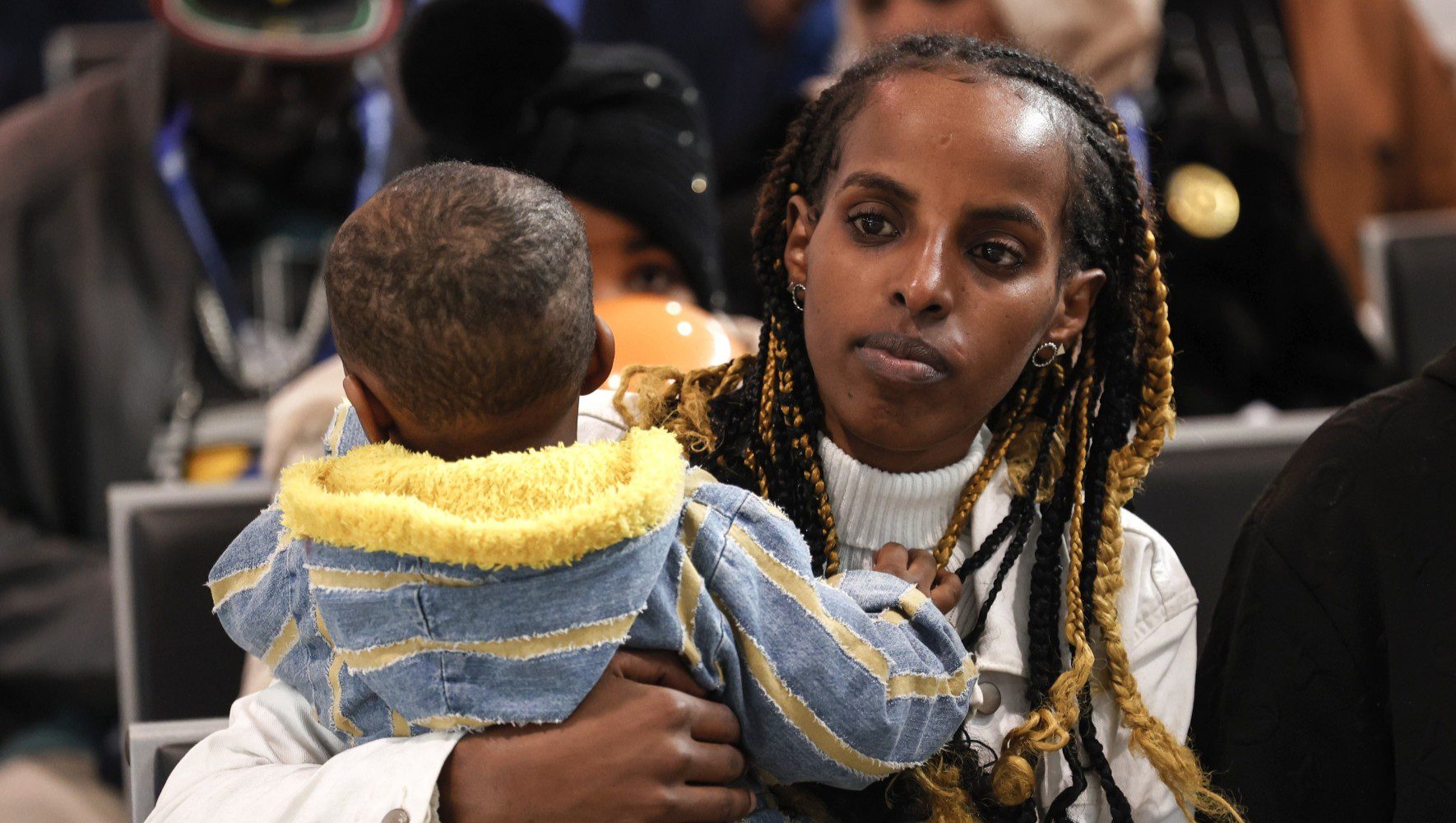
2. A Projected Surge in Detention Across Europe
The Pact mandates large-scale screening and processing of asylum seekers at EU borders. This will necessitate the establishment and expansion of dedicated facilities. A significant number of asylum seekers are expected to be held in closed facilities at these borders for up to 12 weeks while their claims are being adjudicated. During this period, a controversial legal fiction will be applied: asylum seekers will be considered legally "not on EU soil," despite their physical presence within the Union. This legal designation significantly increases the risk of their being denied access to essential rights and services, including legal aid and healthcare.
The period of detention could be extended by an additional 12 weeks if an initial asylum claim is rejected. In practice, due to the complexities of international cooperation on returns, many asylum seekers may find themselves detained for considerably longer periods, especially if their countries of origin are unwilling or unable to facilitate the repatriation of their nationals.
3. Persistent Pressure on Border Countries and the Limits of Solidarity
Historically, the EU member state where an asylum seeker first arrives has borne the primary responsibility for hosting them and processing their asylum claim. This system has placed a disproportionate burden on frontline states, leading to practices such as illegal pushbacks and the disregard of distress calls from boats at sea. In countries like Greece, organizations like HIAS have witnessed firsthand how this pressure has been used to justify the denial of access to asylum procedures and the detention of displaced individuals in deeply inadequate conditions.
The new screening and detention measures at the borders could further exacerbate the strain on these border states. While the Pact introduces a "solidarity mechanism" intended to alleviate this imbalance, its effectiveness is questionable. Member states not directly experiencing migratory pressure can choose to contribute financially – either to border states or to countries outside the EU – or to relocate asylum applicants. However, given the political unpopularity of hosting asylum seekers in many EU countries, it is unlikely that this mechanism will lead to a genuinely equitable distribution of individuals seeking protection across the bloc. Moreover, the allocated "solidarity funds" could be diverted towards building more detention-like reception centers at borders or financing external migration control initiatives, rather than genuinely improving living conditions or facilitating relocation.
4. Emergency Measures That Undermine Protections
In situations of high arrival numbers, member states will be granted the authority to delay the registration of asylum seekers, channel them through expedited procedures with reduced safeguards, and extend detention periods. The Pact also allows for the activation of emergency measures when states claim that "instrumentalisation" is occurring. This term broadly refers to situations where individuals seeking protection are allegedly manipulated by "hostile actors." However, the vague and politically susceptible definition of "instrumentalisation" raises serious concerns about its potential to be used as a pretext to undermine the fundamental right to seek asylum.
Glimmers of Hope: Potential Positive Elements of the Pact
Despite the widespread concerns regarding the Pact’s potential to weaken protections for asylum seekers, certain provisions offer a degree of optimism, provided they are implemented with a strong commitment to human rights. The Pact introduces new monitoring mechanisms designed to ensure that the rights of individuals are respected during border procedures. The efficacy of these mechanisms will hinge on whether member states commit to making them genuinely independent, transparent, and adequately resourced.
If member states prioritize relocations as a form of "solidarity contribution" within the new framework, a more equitable distribution of asylum seekers across the EU could, in theory, be achieved. However, the practical reality suggests that many national governments may opt for financial or operational support over the direct reception of asylum seekers. Additionally, a revamped resettlement framework could create more safe and legal routes to Europe, but this is contingent on member states increasing their resettlement pledges, a commitment they have shown a tendency to backtrack on.
The Path Forward: Advocating for a More Humane Asylum System
The global displacement crisis remains a defining challenge of our time. With over 117 million people forcibly displaced worldwide, the EU hosts approximately 20 million displaced and stateless individuals. It is crucial to recognize that the vast majority of displaced people remain within their regions of origin. Without concerted international efforts to address the root causes of displacement and the establishment of accessible safe routes for seeking asylum, individuals will continue to arrive at EU borders in search of safety.
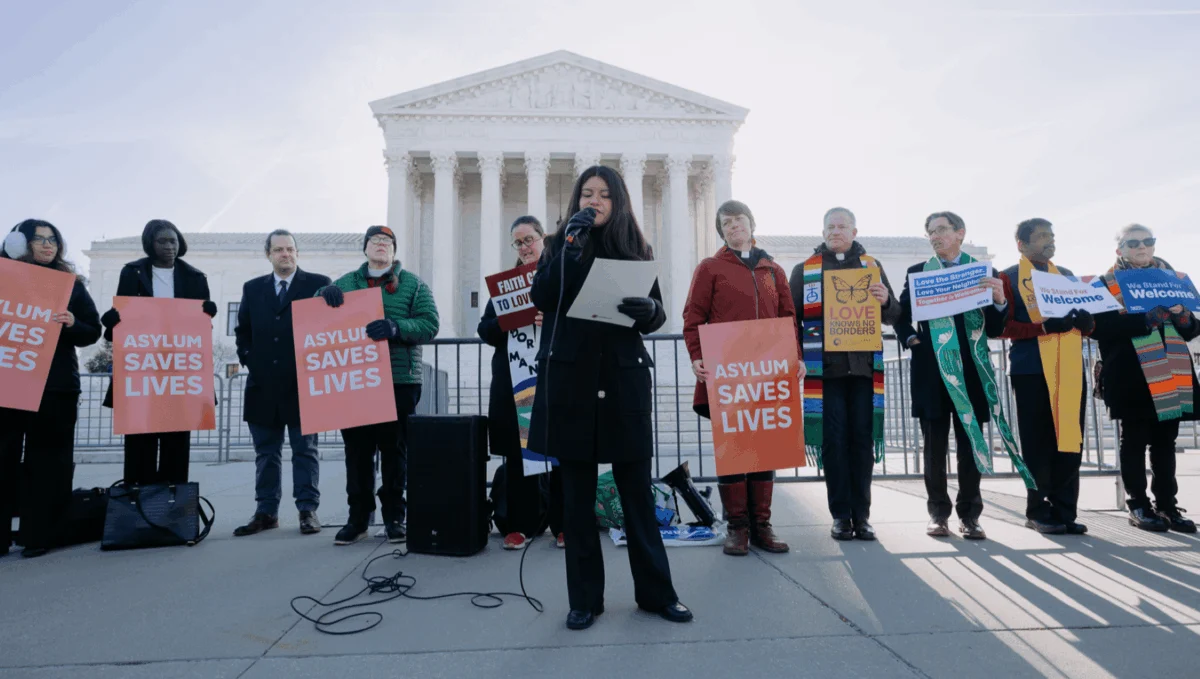
Europe has the capacity to manage these arrivals effectively and humanely. This requires ensuring that national asylum systems are adequately resourced, prepared for emergency situations, and supported by genuine European solidarity. HIAS Europe is actively advocating for EU member states to:
- Uphold the right to seek asylum: Ensure that all individuals have access to fair and efficient asylum procedures at EU borders, with full respect for their fundamental rights.
- End detention: Promote alternatives to detention, particularly for vulnerable groups, and limit detention to exceptional circumstances, with robust judicial oversight.
- Expand safe and legal pathways: Increase resettlement quotas and create more avenues for regular migration, reducing reliance on dangerous irregular journeys.
- Ensure accountability and transparency: Strengthen independent monitoring mechanisms to oversee border procedures and hold member states accountable for human rights violations.
- Promote meaningful solidarity: Implement the solidarity mechanism in a way that genuinely shares responsibility and avoids the creation of further burdens on frontline states.
The EU’s response to the arrival of millions of Ukrainians since 2022 serves as a compelling example of how a rights-based approach to migration can be both effective and beneficial for both states and individuals. As the Pact on Migration and Asylum officially enters into force, European countries remain bound by their international and European legal obligations to uphold human rights standards. The critical imperative now is for these nations to demonstrate leadership by implementing the new rules in a manner that unequivocally guarantees the safety, dignity, and fundamental rights of all asylum seekers. The choices made in the coming months and years will determine whether the Pact marks a step towards a more just and humane asylum system or a further erosion of protections for those most in need.