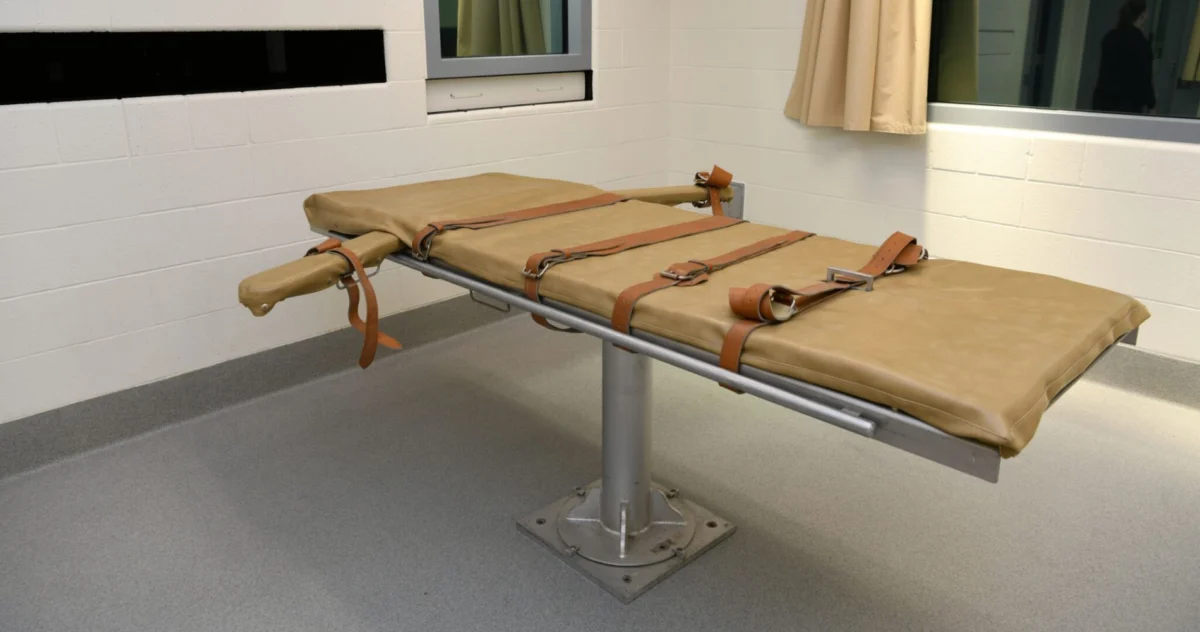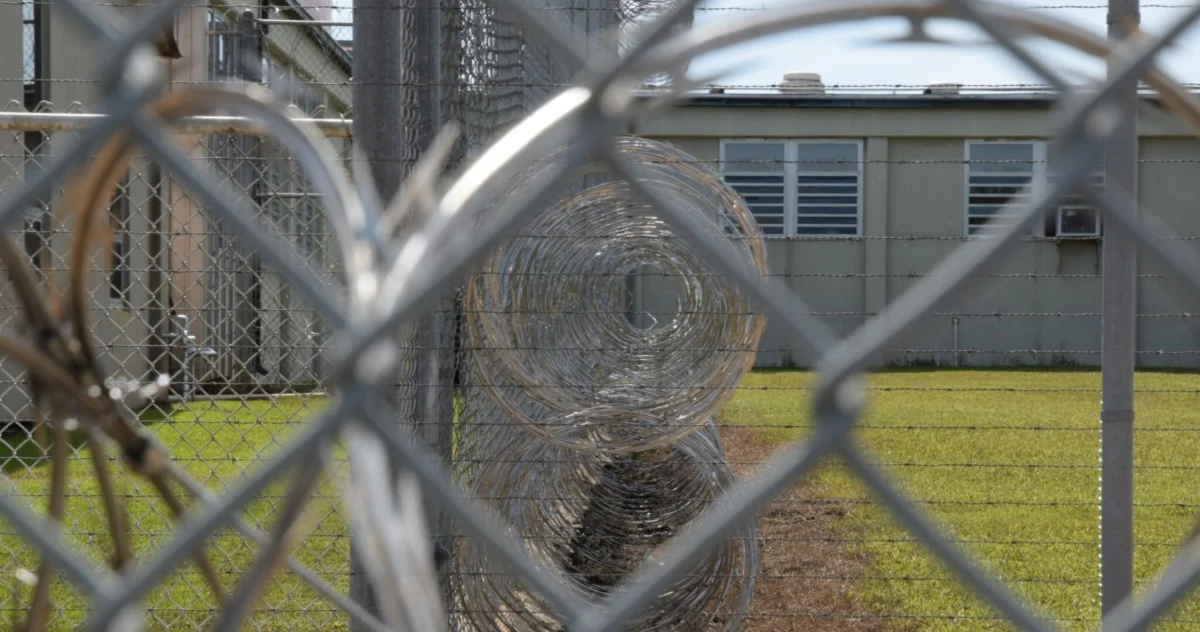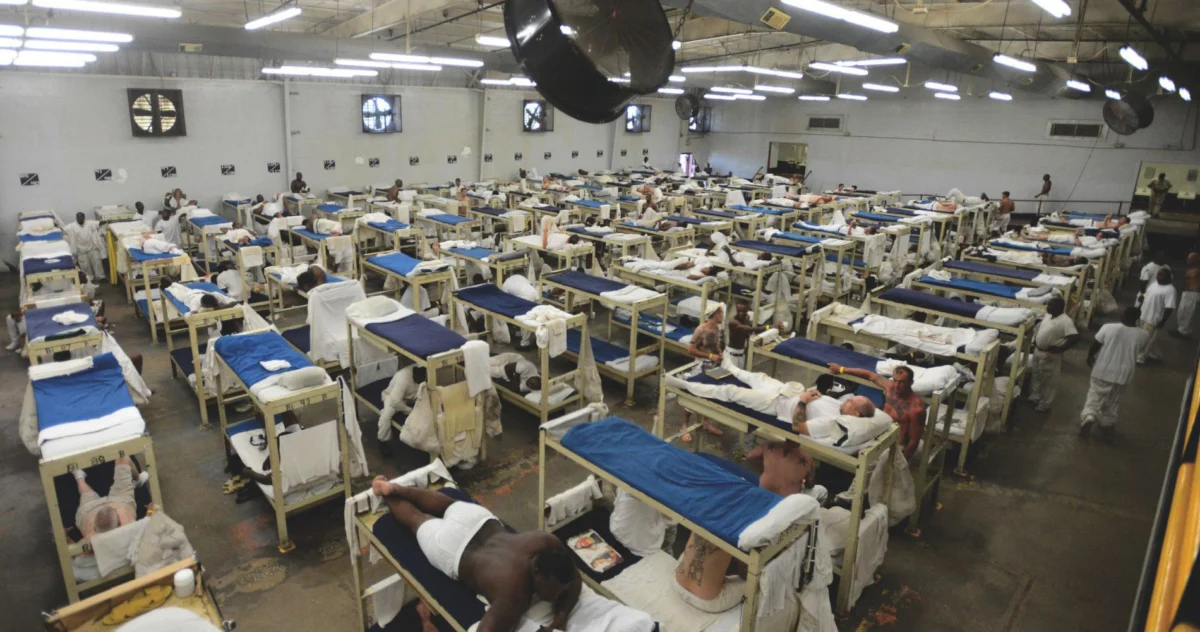
The United States continues to hold the unenviable distinction of incarcerating more people than any other country on Earth, maintaining the highest incarceration rate among independent democracies, according to the latest comprehensive data from the Prison Policy Initiative (PPI). This pervasive system currently confines nearly two million individuals, representing an enormous human and financial cost that reverberates across American society and positions the nation as a stark outlier on the global stage.
The Unrivaled Scale of American Incarceration
The sheer magnitude of the U.S. carceral system is staggering. The Prison Policy Initiative’s 2026 report, a deep dive into the nation’s correctional landscape, determined that 1,973,000 people are currently held in a vast network of facilities nationwide. This figure encompasses individuals across 1,566 state prisons, 98 federal prisons, and 3,116 local jails. Beyond these primary institutions, the system extends to 1,277 juvenile correctional facilities, 220 immigration detention facilities, and 77 Indian country jails. Further adding to the total are military prisons, civil commitment centers, state psychiatric hospitals, and correctional facilities in U.S. territories, illustrating a sprawling infrastructure dedicated to detention.
Understanding the distinctions within this system is crucial. Local jails, for instance, primarily hold individuals awaiting trial or serving shorter sentences, often for misdemeanors, and are frequently the entry point into the criminal justice system. Prisons, conversely, are typically reserved for individuals convicted of more serious felonies and serving longer sentences. The sheer number of distinct facilities underscores the decentralized yet pervasive nature of incarceration in America.
A Staggering Economic Burden
The financial implications of this expansive system are immense. The PPI report estimates that the cost to incarcerate nearly two million people across America amounts to at least $445 billion each year. This figure represents a dramatic escalation in expenditure, marking more than a five-fold increase from the $87 billion reportedly spent on jails and prisons in 2015. This escalating cost places a significant strain on state and federal budgets, diverting funds that could otherwise be allocated to education, healthcare, infrastructure, or other vital public services.
Beyond the direct operational costs—which include staffing, facility maintenance, medical care, and food—the economic burden extends to numerous indirect and often overlooked factors. These include lost economic productivity from incarcerated individuals, reduced tax revenues, and increased reliance on social safety nets for the families left behind. Communities with high incarceration rates often experience diminished economic vitality, as the removal of working-age adults can destabilize local economies and hinder generational wealth building. The long-term societal cost, encompassing these factors, is arguably far greater than the already immense direct annual expenditure.
Global Outlier: Incarceration Rates Compared
The United States’ position as the world leader in total incarcerated population is undisputed. With its nearly two million prisoners, the U.S. significantly outpaces other populous nations. China follows with an estimated 1.69 million prisoners, although this figure does not account for unknown numbers held in pre-trial detention and other forms of detention. Brazil ranks third with 909,067 prisoners, followed by India with 511,542, and Turkey with 420,798, according to the World Prison Brief from the Institute for Crime & Justice Policy Research.
Even more striking is the U.S. incarceration rate per capita. At a rate of 580 per 100,000 residents, the U.S. maintains the highest incarceration rate of any independent democracy on Earth. This rate places it far above its democratic peers in Western Europe, Canada, Australia, and New Zealand, which typically have rates below 100 per 100,000. Globally, only El Salvador, Cuba, and Turkmenistan—nations often characterized by authoritarian governance or significant social unrest—lock up more people per capita than the United States, according to the World Prison Brief. This comparison highlights a profound divergence in penal philosophy and practice between the U.S. and most developed nations.
The disparity becomes even more pronounced when examining U.S. states individually. The Prison Policy Initiative reported in 2024 that individual U.S. states incarcerate more people per capita than most nations worldwide. By analyzing each state as if it were an independent country, PPI found that the incarceration rates of 24 U.S. states, alongside three nations (El Salvador, Cuba, and Rwanda), surpass the overall U.S. national rate. Notably, all but one of the nine highest state-level incarceration rates are found in the Southern United States, reflecting regional variations within the national crisis. Even Massachusetts, which boasts the lowest incarceration rate among U.S. states, would still rank 30th globally if it were an independent nation, surpassing countries like Iran, Colombia, and all the founding NATO nations. This demonstrates that extreme incarceration rates are not isolated to a few problematic states but are a systemic issue deeply embedded across the entire American landscape.
Historical Context: The Rise of Mass Incarceration
The current state of mass incarceration in the U.S. is not a historical anomaly but rather the culmination of several decades of evolving criminal justice policies. Prior to the 1970s, the U.S. incarceration rate was relatively stable and much lower, comparable to that of other developed nations. However, a confluence of political, social, and economic factors led to a dramatic and sustained surge in the incarcerated population beginning in the 1970s and accelerating through the 1980s and 1990s.
Key policy shifts included the "War on Drugs," initiated in the Nixon administration and significantly expanded in subsequent decades, which led to harsher penalties for drug-related offenses. The rise of "tough on crime" political rhetoric fostered public support for punitive measures, resulting in legislation such as mandatory minimum sentencing laws, "three-strikes" laws, and truth-in-sentencing requirements. These policies drastically reduced judicial discretion, increased sentence lengths, and limited opportunities for early release, effectively ensuring that more people were sent to prison and stayed there for longer periods. The 1994 Violent Crime Control and Law Enforcement Act, for example, provided funding incentives for states to build more prisons and adopt "truth-in-sentencing" laws. This era saw an unprecedented expansion of the carceral state, creating the infrastructure and legal framework that underpins the current crisis.
Beyond the Numbers: Societal Ripples and Human Cost
The impact of mass incarceration extends far beyond the individuals confined within correctional facilities. Research by the Equal Justice Initiative (EJI) reveals a profound societal footprint: half of all Americans have had an immediate family member incarcerated. This statistic underscores the widespread nature of the crisis and its pervasive ripple effects throughout communities.
The toll on families, particularly children, is devastating. The Sentencing Project reports that on any given day in America, 2.7 million children have a parent in prison or jail. Furthermore, over 5.2 million children have experienced the incarceration of a parent during their childhoods. Parental incarceration is a traumatic event that can lead to a host of negative outcomes for children, including psychological distress, academic struggles, behavioral problems, and an increased likelihood of involvement with the criminal justice system themselves. It disrupts family structures, often plunging households into financial instability and exacerbating existing social inequalities.
Moreover, the impact is disproportionately felt by communities of color. Black and Hispanic individuals are incarcerated at rates significantly higher than white individuals, reflecting systemic biases within the criminal justice system, from policing practices and prosecutorial decisions to sentencing disparities. This racial disparity perpetuates cycles of poverty and disadvantage, weakening community bonds and hindering social mobility for entire demographic groups. The absence of a significant portion of the adult male population, particularly in urban and low-income areas, creates social vacuums that contribute to ongoing challenges.
Drivers of Mass Incarceration: A Deeper Look
While legislative changes played a primary role, several other factors contribute to the sustained high rates of incarceration:
- Policing Practices: Aggressive policing strategies, such as "broken windows" policing and "stop-and-frisk," particularly in marginalized communities, have led to increased arrests for minor offenses, feeding individuals into the system.
- Poverty and Lack of Opportunity: Socioeconomic disadvantage often correlates with higher rates of criminal activity. Inadequate access to education, mental health services, and stable employment can push individuals towards criminalized behaviors, and once in the system, poverty makes it harder to navigate legal challenges or afford bail.
- The Bail System: The cash bail system disproportionately impacts low-income individuals, leading to prolonged pre-trial detention for those who cannot afford bail, even if they are eventually acquitted or given non-custodial sentences. This pre-trial detention can lead to job loss, housing instability, and pressure to accept plea bargains.
- Limited Rehabilitation and Re-entry Programs: A significant focus on punishment over rehabilitation, coupled with inadequate re-entry support for formerly incarcerated individuals, contributes to high recidivism rates. Without proper housing, employment, and social support upon release, many individuals struggle to reintegrate into society and often re-offend.
- Private Prisons: Although a smaller portion of the overall system, the existence of private, for-profit prisons has raised concerns about incentives for maintaining high incarceration rates. Critics argue that these facilities may lobby for stricter sentencing laws and resist reforms that could reduce prison populations.
The Path Forward: Reform Efforts and Challenges
In the face of these compelling statistics and profound societal costs, there is a growing bipartisan consensus that the U.S. criminal justice system is in urgent need of reform. Organizations like the Prison Policy Initiative, the Equal Justice Initiative, The Sentencing Project, and the ACLU are at the forefront of advocating for change, proposing a range of solutions aimed at reducing incarceration rates and fostering a more equitable system.
Key reform efforts include:
- Sentencing Reform: Advocating for the reduction or repeal of mandatory minimum sentences, particularly for non-violent drug offenses, and promoting judicial discretion in sentencing.
- Alternatives to Incarceration: Expanding the use of drug courts, mental health courts, restorative justice programs, and community-based supervision as alternatives to traditional incarceration, especially for low-level offenses.
- Bail Reform: Eliminating or significantly reducing reliance on cash bail to ensure that individuals are not detained simply because they cannot afford to pay.
- Re-entry Support: Investing in comprehensive re-entry programs that provide housing assistance, job training, educational opportunities, and mental health and substance abuse treatment for individuals returning from incarceration.
- Addressing Systemic Disparities: Implementing policies to address racial and socioeconomic biases in policing, prosecution, and sentencing, promoting fair chance hiring practices, and restoring voting rights to formerly incarcerated individuals.
- Decriminalization and Diversion: Reclassifying certain offenses, such as minor drug possession, from felonies to misdemeanors or diverting individuals to treatment programs instead of the criminal justice system.
Despite growing awareness and momentum for reform, significant challenges remain. Public safety concerns, political resistance, and the sheer inertia of such a massive system can impede progress. However, the economic strain, ethical implications, and widespread human cost of America’s carceral crisis necessitate a sustained and comprehensive approach to reform.
In conclusion, the U.S. carceral system stands as a complex and deeply entrenched crisis, defined by unparalleled scale, staggering costs, and profound societal impact. Its unique position as a global outlier, even when compared to its own states, underscores the urgency of addressing the systemic issues that have led to the incarceration of nearly two million people. The path forward requires a multi-faceted strategy that acknowledges historical context, addresses current disparities, and prioritizes rehabilitation, equity, and sustainable public safety solutions.